







Some mornings, joint discomfort announces itself before your feet touch the floor. You reach for the coffee mug and feel it in your knuckles. You bend to tie a shoe and notice your hips object. You think about a walk, a few minutes in the garden, or playing on the floor with a child, and your body asks you to slow down.
That can feel discouraging. It can also feel lonely, even though it’s a very common reason people start looking for gentle, plant-based support at home.
Essential oils for painful joints won’t replace good medical care, and they aren’t a magic fix. What they can offer is something many people need just as much: a calming ritual, a pleasant sensory experience, and a practical way to support comfort during the ordinary moments that matter most. A simple massage blend before a walk. A soothing inhale after a long day on your feet. A quiet evening routine that helps you feel more at ease in your own body.
Finding Comfort in Your Daily Movements
Mara used to prune her roses every morning. Not for long. Just enough to enjoy the quiet and check what had opened overnight. Then her hands started feeling stiff, and her knees complained every time she crouched near the lower branches.
She didn’t stop loving the garden. She started hesitating before it.

That’s how joint discomfort often enters daily life. Not with one dramatic moment, but with many tiny interruptions. You pause longer before standing up. You shift your grip on the steering wheel. You skip an evening walk because stairs sound tiring. Little by little, comfort starts negotiating with the activities that make life feel like yours.
The small losses feel personal
Joint discomfort isn’t only physical. It touches routine, identity, and mood.
- At home: Opening jars, carrying laundry, or chopping vegetables can become frustrating.
- Outdoors: Gardening, strolling the neighborhood, or light movement may start to feel less inviting.
- With family: Kneeling down to play or getting up from the floor can take more effort than it used to.
People often look for support that feels gentle enough to use regularly. That’s part of the appeal of aromatic plant remedies. A massage oil or inhalation ritual doesn’t ask you to overhaul your life. It fits into moments you already have.
Essential oils work best when you think of them as companions to care, not as a replacement for diagnosis, movement, or treatment.
Movement still matters. If your joints feel tender but you want to stay active, this guide to exercise for people with joint pain offers practical ideas for keeping motion in your day without forcing it.
Why people turn to aroma and touch
There’s comfort in routine. Warm hands. A familiar scent. A few quiet minutes of massage around a sore knee or stiff fingers. These simple actions can help you feel more connected to your body instead of frustrated by it.
That’s where essential oils often shine. They bring together scent, touch, and intentional rest. For many people, that combination feels easier to maintain than complicated wellness plans.
How Plant Essences Support Joint Comfort
Essential oils are highly concentrated aromatic extracts from plants. A leaf, flower, resin, or peel contains tiny fragrance compounds. When those compounds are collected, the result is much stronger than the scent of the plant itself.
That concentration is why essential oils can feel powerful. It’s also why they need respectful handling.
Think of them as concentrated plant signals
A useful way to understand essential oils is to think of them like a chorus rather than a solo instrument. Each oil contains many aromatic compounds, and together they create a scent profile and a sensory effect.
Some oils feel clearing and crisp. Some feel grounding and resinous. Others feel soft, floral, and settling.
On the skin, these oils don’t “cure” a joint. What they often do is support comfort in ways that are easier to notice in real life:
- They create sensation. Some feel warming, others cooling, and that sensory shift can help distract from discomfort.
- They invite massage. Massage itself can ease tension in the surrounding tissues and help stiff areas feel less guarded.
- They influence mood. A scent you associate with calm can change how you experience a difficult moment.
Scent and touch work together
If you’ve ever rubbed your hands together around a sore spot, you already understand part of the benefit. Human touch changes how discomfort is experienced. Add a well-chosen aromatic oil and the ritual becomes easier to repeat.
For example, someone with achy knees after a long day might massage a diluted lavender blend into the area for a few minutes. The motion matters. The scent matters too. The routine signals that the busy part of the day is over and the body can soften a bit.
Practical rule: If an essential oil routine feels stressful, complicated, or harsh on your skin, it’s not the right routine for you.
Why dilution changes everything
People often get confused here. If essential oils come from plants, why can’t you use them straight from the bottle?
Because “natural” doesn’t mean mild. Cinnamon is natural, but you wouldn’t eat a spoonful of concentrated cinnamon oil. Essential oils are similar. They need a base so the skin can tolerate them better and so the scent unfolds more gently over time.
A carrier helps spread a few drops over a wider area. Traditional carriers include jojoba or almond oil. For people who dislike heavy oils or have reactive skin, a soothing gel texture can feel much more comfortable.
What comfort can look like in real life
Support doesn’t have to be dramatic.
A few examples:
-
Morning stiffness in fingers
A brief hand massage with a lightly diluted blend can make the start of the day feel less abrupt. -
Achy knees after errands
A seated massage ritual while resting at home can help you unwind and reset. -
Shoulders and wrists after gardening
Inhalation from a tissue or diffuser can add a calming layer while you rest the area.
The best essential oils for painful joints are the ones you can use safely, consistently, and without turning self-care into another chore.
Exploring Natures Most Soothing Essential Oils
By the time your joints start speaking up, scent can become part of the whole experience. A sharp aroma may feel too intense when you already feel worn down. A softer one can make it easier to stay consistent with a routine. That is one reason the “best” oil is not only about popularity. It is also about how your body, your nose, and your skin respond together.
Three oils come up again and again in home joint-care routines: eucalyptus, frankincense, and lavender. Each has a different feel, almost like choosing between a cool washcloth, a quiet evening tea, or a steady hand massage. And if your skin is sensitive, the base you pair with them matters just as much as the oil itself. For sensitive skin, aloe vera is especially useful. It can help create a gentler topical routine than a heavy oil alone.
Eucalyptus for a fresh, cooling ritual
Eucalyptus often appeals to people who want their routine to feel clearing and awake. Its scent is brisk and camphor-like, so many people prefer it after activity rather than right before bed.
Research discussed in a review at biotech-asia.org describes eucalyptus inhalation as one approach studied for pain support after knee surgery. That matters because eucalyptus is not only used in massage blends. It also has a place in rest-time rituals, such as diffusing while you sit with your feet up or inhaling from a tissue after a long day.
For skin use, eucalyptus needs extra care because the cooling sensation can trick people into using more than their skin enjoys. A small amount blended into an aloe-based gel can feel lighter and calmer than a stronger oil-heavy rub. If you want a skin-focused overview, this guide on Eucalyptus oil uses for skin offers helpful context.
Frankincense for a steady, grounded massage
Frankincense has a resinous scent that feels quieter and less piercing than eucalyptus. People often choose it for evening self-massage because it adds a settled, almost meditative quality to the ritual.
The strongest reason to consider frankincense is practical. It is commonly included in blends used for sore knees and hands, and it pairs well with soothing bases instead of fighting for attention. If a minty or medicinal scent makes you back away from topical care, frankincense may feel easier to return to.
This is also where aloe can fill a common gap. Many home recipes assume everyone wants a plain carrier oil, but that is not always true. If your skin runs warm, reactive, or easily congested, mixing a very diluted frankincense blend into an aloe vera gel can make the application feel more comfortable and less greasy. The goal is not to flood the area. The goal is to create a routine you will keep using.
Lavender for comfort that feels gentler
Lavender is often the easiest entry point. The scent is familiar, soft, and usually less challenging for people who do not enjoy sharper herbal oils.
A review in the journal Evidence-Based Complementary and Alternative Medicine discusses lavender among the aromatic options studied for pain and inflammatory comfort, including topical and massage use in arthritis-related settings: lavender and pain review. That does not mean lavender works the same way for everyone. It means there is a reasonable basis for why so many people reach for it when discomfort and tension show up together.
Lavender also fits beautifully with aloe-centered skincare. If you already use soothing aloe products on sensitive skin, adding a properly diluted lavender blend can feel like a natural extension instead of a completely separate routine. For a closer look at the ingredient itself, this overview of lavandula angustifolia lavender oil explains why it appears so often in gentle personal care.
The oil you use matters. The texture under it matters too. For many people with sensitive skin, aloe vera is what makes an essential oil routine feel soothing instead of irritating.
Which one makes sense for you
Start with the feeling you want your routine to create.
| Goal | A good starting oil | Why it fits |
|---|---|---|
| A fresh, cooling reset | Eucalyptus | Often used in inhalation rituals and feels brisk |
| A slower massage practice | Frankincense | Resinous scent suits quiet, grounded self-care |
| A calm evening routine | Lavender | Soft aroma works well when discomfort and tension show up together |
If your skin is sensitive, lavender is often the gentlest place to begin. If scent is a big part of feeling relief, eucalyptus may feel more noticeable. If you want a more centered, less floral option, frankincense is often a comfortable middle ground.
The Golden Rules of Safe Topical Application
You rub a blend onto a sore knee because you want relief, then ten minutes later your skin feels hotter than the joint itself. That is usually not a sign that the oil is “working.” It is a sign that the blend was too strong, the carrier was not a good match for your skin, or your skin needed a gentler base.
Safe topical use starts there. Comfort on the skin comes first.
Why dilution matters so much
Essential oils are highly concentrated plant compounds. A few drops can scent and change an entire tablespoon of carrier. Used without dilution, they are much more likely to irritate skin, especially around areas you may already be rubbing often, like hands, knees, and wrists.
A simple kitchen comparison helps here. Essential oil works like a concentrated seasoning paste. In a small amount, it supports the whole recipe. In too much, it overwhelms everything else.
For home use, lower-strength blends are usually the wisest place to begin. You can always make a slightly stronger batch later if your skin does well. Calming irritated skin is much harder than starting gently.
Essential oil dilution chart for topical use
| Carrier Oil Amount | 1% Dilution (for sensitive skin/daily use) | 2% Dilution (standard for most adults) | 3% Dilution (for specific, short-term use) |
|---|---|---|---|
| 1 teaspoon | 1 drop | 2 drops | 3 drops |
| 1 tablespoon | 3 drops | 6 drops | 9 drops |
| 1 oz | 5 drops | 10 drops | 15 drops |
If your skin tends to react easily, stay near 1%. That is often a better fit for people who already know they do well with soothing, aloe-based skincare and want their joint-care routine to feel calm rather than intense.
Choosing the right carrier
The carrier changes the whole experience. Jojoba, sweet almond, and other plain oils give slip for massage and slow the absorption of stronger aromatic compounds. A lighter aloe-based gel or lotion can be especially helpful if your skin gets warm, reactive, or uncomfortable with heavier oils.
That aloe connection matters. Essential oils bring concentration. Aloe brings water-rich softness and a cooling, cushioning feel. Together, they can make topical care feel more balanced, especially for sensitive skin that needs comfort as much as it needs aromatic support.
Peppermint is a good example. Its cooling sensation can feel striking, but that same intensity can be too much if the dilution is sloppy or the base is not soothing enough. If you want more context on how this botanical is used in skincare, this guide to mentha piperita peppermint leaf extract is a useful reference.
How to patch test
Patch testing sounds tedious until it saves you from an evening of itchy, flushed skin.
Use this routine:
-
Mix the full blend first
Test the formula exactly as you plan to use it. Do not test undiluted essential oil. -
Apply a small amount to a quiet area of skin
The inner forearm works well for many people. -
Leave it alone and observe
If you notice stinging, marked redness, itching, or heat, wash it off and skip that blend. -
Start small on the first real use
Even after a calm patch test, apply it to a limited area before using it more broadly.
Skin feedback is useful. If a blend feels sharp, prickly, or overly hot, lower the concentration or switch to a gentler carrier, ideally one with aloe if your skin is easily upset.
Common mistakes that cause trouble
- Using neat essential oils on the skin. This raises the chance of irritation quickly.
- Choosing intensity over consistency. A mild blend you can use comfortably is better than a strong blend you dread applying.
- Mixing too many oils together. More ingredients make reactions harder to trace.
- Reapplying again and again in one day. Skin needs time to show you how it responds.
- Forgetting the base layer. On sensitive skin, the difference between a plain oil and an aloe-supported carrier can be the difference between soothing and overstimulating.
A good topical routine feels calm, repeatable, and easy to live with. The best blend is not the strongest one. It is the one your skin accepts well enough that you can use it with confidence.
Create Your Own Soothing Joint Blends at Home
Once you understand dilution, blending becomes much less intimidating. You don’t need a shelf full of bottles. You need one clean container, one carrier, and a clear purpose.
These recipes are designed to feel approachable. They aren’t meant to be strong. They’re meant to be comfortable enough that you’ll use them.
Gentle warming blend
This blend suits slow morning movement or stiff-feeling joints after inactivity.
What you need
- Ginger essential oil: 2 drops
- Frankincense essential oil: 3 drops
- Carrier oil: 2 tablespoons
How to use it
Stir the oils together in a small bowl or bottle. Massage a small amount into the area using slow circles. Keep the pressure light. The goal is comfort, not deep tissue work.
Cooling comfort blend
Some people prefer a fresher sensation, especially after a long day on their feet.
What you need
- Peppermint essential oil: 3 drops
- Eucalyptus essential oil: 2 drops
- Carrier oil: 2 tablespoons
Apply a small amount and avoid sensitive areas. Wash your hands well after use, especially before touching your face.

Relaxing nighttime blend
If your joints feel louder when the day quiets down, this is a lovely evening option.
What you need
- Lavender essential oil: 4 drops
- Chamomile essential oil: 1 drop
- Carrier oil: 2 tablespoons
Massage into hands, knees, or shoulders before bed. Pair it with a few minutes of stillness instead of treating it like one more task to finish.
How to make blending easier
You don’t need to become an expert blender overnight. A few habits help:
- Label your bottle: Write the date and ingredients.
- Keep batches small: Small blends stay fresh and let you adjust your formula.
- Choose one goal: Warming, cooling, or relaxing is enough for one recipe.
A simple home routine might look like this:
| Time of day | Blend idea | Best use |
|---|---|---|
| Morning | Gentle warming blend | Stiff joints before walking or chores |
| Afternoon | Cooling comfort blend | Tired knees, hands, or wrists |
| Evening | Relaxing nighttime blend | Settling down before sleep |
The most useful blend is the one that matches the moment you’re in. If mornings are your hardest time, keep your bottle where you’ll remember it. If evenings are worse, place it near your bedside or favorite chair.
Enhancing Your Routine with Farm Fresh Aloe Vera
Many guides on essential oils for joint pain stop at carrier oils like jojoba or coconut. That leaves out an important real-life question. What if you already use skincare products daily and want a gentler way to fit essential oils into that routine?
That’s especially relevant for people with reactive skin. According to the gap highlighted here, most guides don’t explain how to integrate essential oils with skincare, while a high-quality, bioactive aloe vera gel can offer dual benefits by carrying the oil while hydrating and soothing the skin.
Why aloe vera makes sense here
Aloe vera has a naturally light, cooling feel that many people prefer over heavier oils. That matters if you want to massage your hands and then get back to your day without a slippery residue. It also matters if your skin tends to protest when routines feel too rich or too strong.
Used thoughtfully, aloe can fit into joint-care rituals in two practical ways:
- As part of a diluted blend: A small amount of essential oil mixed into an appropriate aloe-based carrier.
- As a follow-up layer: Apply your diluted oil blend first, then use aloe later if your skin wants a softer finish.
Two easy ways to pair aloe with essential oils
Some people like direct simplicity. Others prefer layering.
Option one is blending.
Mix a properly diluted essential oil amount into a small portion of aloe gel and apply it to a targeted area.
Option two is sequencing.
Use your diluted oil blend for massage, wait a bit, then smooth aloe on top if the skin feels dry or if you want a cooling finish.
That second method can be especially helpful for hands, where a heavy oil may interfere with daily tasks.
Aloe can make an essential oil routine feel more like skin care and less like a remedy you tolerate just for the sake of it.
For readers who want a deeper look at the skin side of this approach, this article on how to use aloe vera for skin offers practical guidance.
What to look for in aloe products
Not every aloe product feels the same. Some are light and simple. Others include extra fragrance or textures that may not suit sensitive skin.
When choosing an aloe-based companion for essential oils, consider:
- A straightforward ingredient list: Simpler is often easier for reactive skin.
- A comfortable finish: You want something that won’t discourage regular use.
- A fresh feel: Joint rituals work best when they’re pleasant enough to repeat.
This short video gives a helpful visual on aloe in skin routines.
Aloe doesn’t replace careful dilution. It complements it. For many people, that’s the missing piece that turns essential oils from an occasional experiment into a sustainable daily practice.
Important Cautions and When to Consult a Professional
You massage a sore knee, the aroma is calming, and for a little while the area feels easier to live with. Then the skin starts to sting, or the joint looks puffier than it did that morning. That is your cue to pause.
Essential oils can be a supportive part of topical joint care, but they are still concentrated plant extracts. A blend that feels comforting one day can irritate sensitive skin the next if the oil choice, dilution, or frequency is not right for you. This matters even more if you are pairing oils with regular massage, heat, or daily movement practice.
A good rule is simple. If a remedy makes the skin or the joint feel worse, stop using it and reassess before trying again. Aloe vera can be helpful here because it gives you a gentle way to calm the skin while you sort out what happened. It does not cancel out irritation from an overly strong blend, but it can be a kinder companion for skin that is already reactive.
When to pause home use
Set the bottle aside and get a professional opinion if you notice any of the following:
- Skin burning, itching, or pronounced redness: That can signal irritation or sensitivity to the oil or the carrier.
- Pain that keeps increasing instead of settling: Ongoing joint pain deserves a closer look, especially if self-care is no longer helping.
- Sudden swelling, warmth, or trouble using the joint: Those changes can point to something more serious than everyday stiffness.
- Pain after an injury, fall, or strain: Aroma care is not a substitute for evaluating possible structural damage.
- Fever, feeling unwell, or pain that wakes you at night: Whole-body symptoms call for medical assessment.
Who should be extra cautious
Some situations call for individualized guidance before using essential oils regularly on painful joints.
Pregnant or breastfeeding adults, children, and people managing asthma, seizures, allergies, skin conditions, or complex medical treatment plans should be more careful with topical aromatics. The same goes for anyone taking medications that affect the skin or circulation. If you are unsure, ask a pharmacist, physician, or qualified clinical aromatherapist before adding a blend to your routine.
Internal use is a separate issue. Do not swallow essential oils for joint discomfort unless a properly trained clinician has given you direct instructions.
Gentle care includes knowing when the body is asking for support beyond home remedies.
The goal is comfort, not pushing through warning signs. Essential oils and aloe-based skin care can work well together as a soothing routine, especially for sensitive skin, but persistent or unusual joint symptoms deserve professional attention.
Embrace a Gentle Approach to Everyday Comfort
Joint discomfort can make ordinary life feel harder than it should. That’s why small, steady rituals matter. A diluted massage blend. A few calming breaths. A skin-friendly base that makes the routine feel easy to live with.
Essential oils for painful joints are most useful when you keep your expectations clear. They can support comfort. They can help a massage feel more soothing. They can make your evening routine more restorative. They work best when safety comes first and simplicity leads the way.
The gentlest routines are often the ones people keep. Start small. Patch test. Choose one oil that matches the mood and moment you want. If your skin is sensitive, pairing your aromatic routine with aloe vera can make the experience feel lighter and more comfortable.
A little relief, used wisely, can help you return to the movements that make a day feel good.
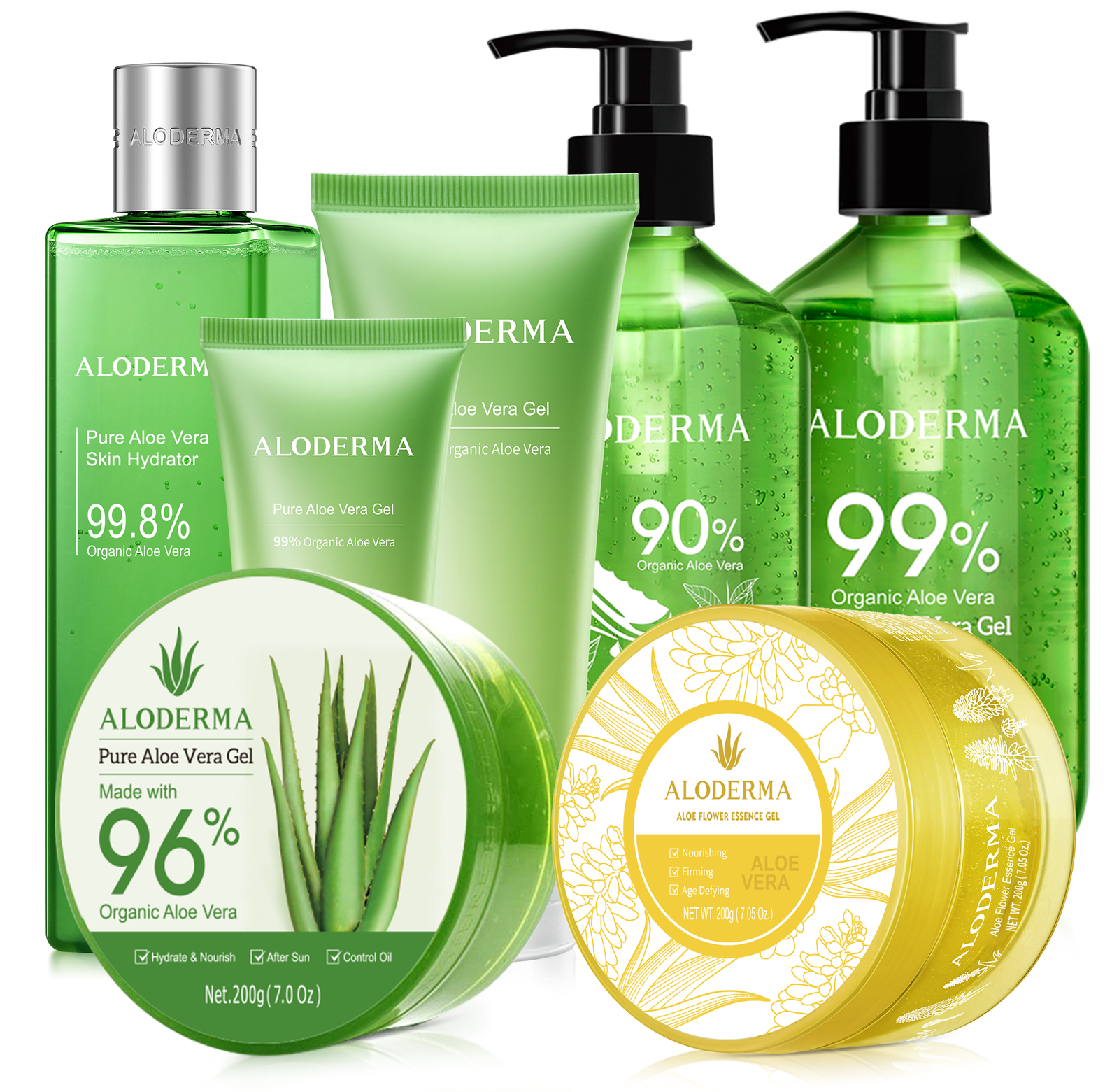
If you want to pair your essential oil routine with fresh aloe-based skin support, explore ALODERMA. ALODERMA is a fully vertically integrated aloe vera company that grows its own organic aloe vera, processes it on-site within 12 hours of harvest, and makes its products with bioactive aloe vera as the primary ingredient for a fresh, gentle feel. Their collection includes pure aloe gels and daily skincare options that can fit beautifully into a sensitive-skin self-care routine.