







Some nights, taking off eye makeup feels harder than putting it on. You reach for a remover that promises comfort, then your lids sting, the skin around your eyes looks flushed, and you still wake up with traces of mascara at the lash line. If you have sensitive skin, that cycle gets old fast.
A lot of people assume the problem is their makeup. Often, the issue is the removal step. The formula may be too harsh for the eye area. The cotton pad may be dragging across delicate skin. Or the product may work for face makeup but not for eyeliner, mascara, and the thin skin around the eyes.
A good eye makeup remover for sensitive skin should do three things at once. It should loosen makeup easily, reduce rubbing, and leave the eye area feeling comfortable afterward. That balance matters because “stronger” isn’t better here. Gentler and smarter is.
Introduction The Search for a Sting-Free Clean
You finish a long day, head to the sink, and start your usual routine. The first swipe barely removes anything. The second takes off some shadow but leaves mascara behind. By the third pass, your eyes feel tired, your lids look irritated, and you're wondering why something so basic has to feel so unpleasant.

That frustration is common. Sensitive skin around the eyes doesn't give you much room for error. A remover that feels fine on your cheeks can feel completely different near your lashes, especially if you're wearing liner, shadow primer, or waterproof mascara.
People often look for a simple list of “safe” ingredients, but comfort usually comes from a combination of things. The type of remover, the way it's applied, and the supporting ingredients all matter. That's why two products with similar claims can feel very different in real life.
If you already think about gentleness in other parts of life, the same mindset applies here. Parents who learn about calming reactive skin often notice the pattern quickly. Less friction, simpler formulas, and barrier-friendly care tend to work better. That same principle shows up in resources like this guide to baby sensitive skin, even though the products themselves are different.
Sensitive skin around the eyes usually doesn't need more force. It needs less stress.
The reassuring part is that you don't have to guess your way through this. Once you understand why the eye area reacts so easily, label reading gets easier, product types make more sense, and your routine starts to feel much calmer.
Why Your Eyes Need Special Attention
The skin around your eyes isn't just “a bit delicate.” It is structurally different. The periocular skin has a stratum corneum approximately 50% thinner than facial skin, and it has a critical pH range of 4.5 to 5.5 that mirrors tear film composition.
Thin skin means less tolerance for friction
Think of the eye area like fine silk compared with the rest of the face, which is more like a soft knit. Both can be cleaned, but one needs a lighter touch. When you rub at eyeliner or scrub off mascara, that repeated motion can feel harsh quickly because the outer layer there is much thinner.
This is why the same remover can seem “okay” at first and still leave your eyes uncomfortable later. The formula may not be dissolving makeup efficiently, so your hand does the extra work instead.
A gentle routine starts with a simple shift in thinking:
- The remover should loosen the makeup first. Your cotton pad shouldn't do all the work.
- The eye area responds better to pressing than scrubbing. Let the formula sit briefly before wiping.
- Comfort after cleansing matters. If your lids feel tight or dry, the product may not be the right fit.
pH matters more than most people realize
Your eye area also prefers products that stay close to its natural pH environment. When a remover is far off from that range, skin can feel off balance afterward. For many people, that shows up as dryness, sensitivity, or a generally “raw” feeling even when the skin doesn't look dramatic.
A useful rule: if a remover consistently leaves your eye area feeling stripped, the issue may be the formula's fit, not your skin being “too sensitive.”
This is one reason dedicated eye makeup removers can be more comfortable than a general cleanser. A facial wash may be fine for the rest of your skin, but the eye area often benefits from a product designed with lower-friction removal and pH compatibility in mind.
Small reactions can build into a pattern
Many readers get confused here because they aren't reacting every single night. That's normal. Sensitive skin often responds to accumulation. One night of extra rubbing may not seem like a big deal. Several nights in a row can leave the area feeling noticeably less comfortable.
That pattern is why thoughtful removal isn't just about taking makeup off. It's about protecting the feel of the skin around your eyes over time.
Decoding Labels What to Look For and What to Avoid
Ingredient labels can feel intimidating, especially when every bottle says “gentle,” “clean,” or “for sensitive skin.” The simplest way to shop is to stop looking for perfect marketing words and start looking for a calm, practical formula.
Green lights on the label
Some ingredients support a more comfortable cleansing experience because they help the product remove makeup without pushing you toward rough application.
Look for formulas with:
- Fresh aloe vera as a base ingredient. Aloe is often helpful in sensitive-skin routines because it feels lightweight, water-rich, and comfortable rather than heavy or greasy.
- Panthenol and hyaluronic acid. These are often included in water-based removers to support hydration and barrier comfort.
- Cucumber, elder flower, arnica montana, or lettuce extract. These botanical ingredients are used in eye-area formulas as soothing companions.
- A thoughtful preservative system. Sensitive skin doesn't automatically mean “preservative-free.” Stability matters too.
That last point deserves more attention. Some shoppers assume any preservative is a bad sign, but that's too simplistic. According to Cosmetics Info's overview of eye makeup remover formulations, traditional preservatives such as benzyl alcohol, methylisothiazolinone, or formaldehyde releasers can trigger contact dermatitis in a significant percentage of consumers with reactive skin, while alternatives like propanediol and carefully controlled concentrations of phenoxyethanol offer better tolerability.
Red flags worth noticing
A “red flag” doesn't mean every person will react the same way. It means the formula deserves extra caution if your eye area is easily bothered.
Common concerns include:
- Benzyl alcohol in a reactive formula context. Some people tolerate it. Others don't.
- Methylisothiazolinone. This is one of the ingredients many sensitive-skin shoppers prefer to avoid.
- Formaldehyde releasers such as DMDM Hydantoin or quaternium-15. These are worth scanning for if your skin is fussy around the eyes.
- Heavy residue from poorly balanced oil systems. Even if the formula removes makeup well, leftover film can make the routine less comfortable.
For a broader ingredient-reading mindset, ALODERMA's article on ingredients to avoid in skincare is a helpful companion when you're trying to connect label terms with how skin feels.
Why fresh aloe changes the feel of a formula
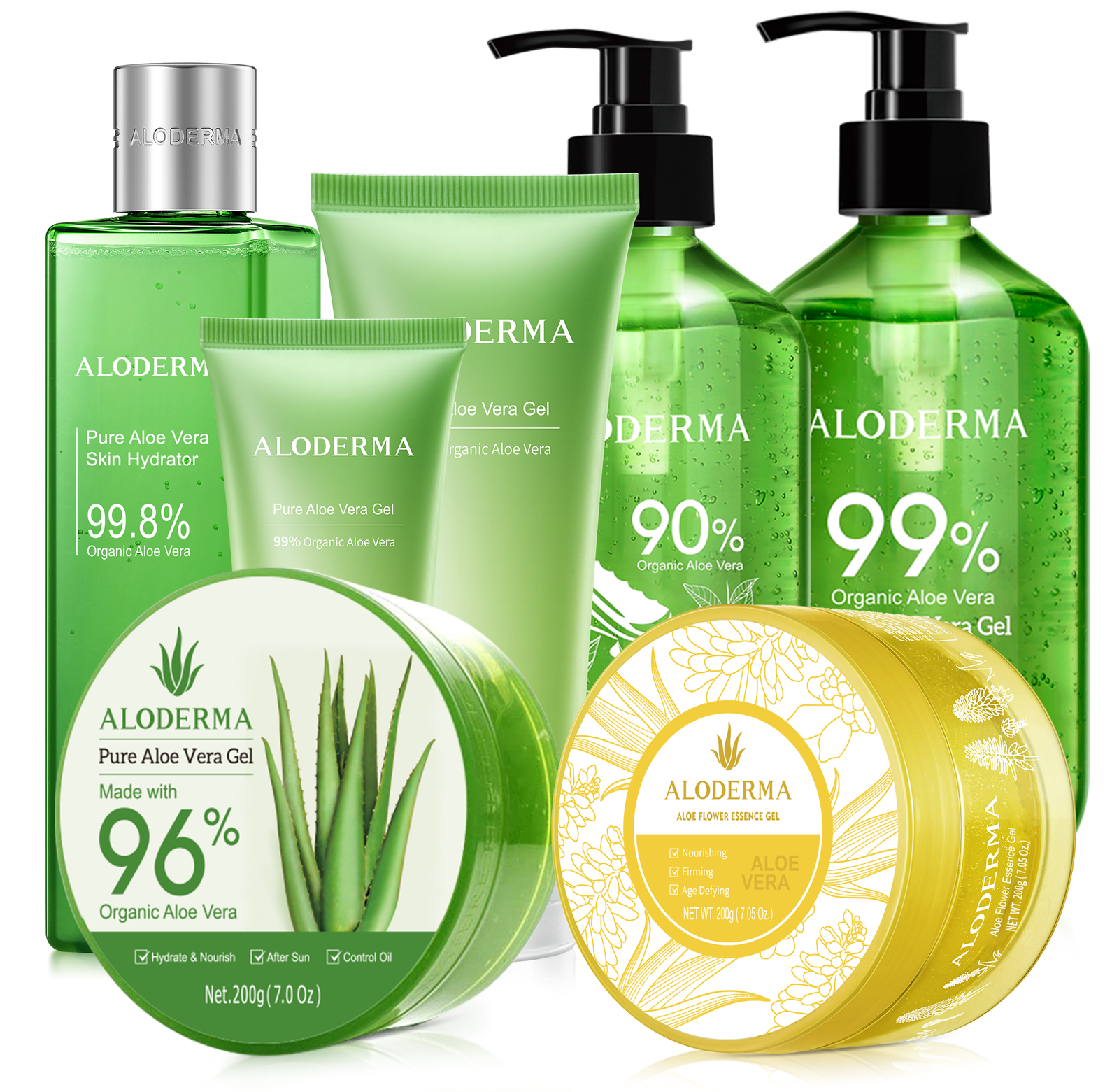
Not all aloe-based products feel the same. ALODERMA's farm-to-skin approach focuses on using aloe grown on its own organic plantations and processing it on-site within 12 hours of harvest so the primary ingredient stays as bioactive as possible. That's especially relevant in sensitive-skin care, where the base of a product can affect how clean, light, and comfortable it feels during use.
A calm formula isn't just about what gets removed. It's also about what supports the skin while the makeup comes off.
If labels have overwhelmed you in the past, keep your checklist short. Start with a remover that uses a gentle base, avoids well-known sensitizers when possible, and doesn't force you into repeated wiping.
Choosing Your Gentle Remover A Comparison of Types
Different remover types solve different problems. That's where many people get stuck. They buy a formula that works beautifully for a tinted moisturizer, then wonder why it struggles with mascara. Or they pick something strong enough for waterproof liner, but it leaves too much residue for everyday use.

A quick side-by-side view
| Type | Best fit | Main benefit | Main caution |
|---|---|---|---|
| Micellar water | Light daily makeup | Low-friction wipe-off cleansing | May need help with waterproof makeup |
| Cleansing oil | Stubborn eye makeup | Dissolves waxes and long-wear pigments well | Can leave residue if not rinsed well |
| Cleansing balm | Dry-feeling skin or heavier makeup | Cushiony texture, melts makeup gently | May feel too rich for some users |
| Makeup wipes | Travel or quick fixes | Convenience | Often encourage more rubbing |
Micellar water
Micellar water is often the easiest place to start if your makeup is light to moderate. It has become a top choice for sensitive skin because micelles lift makeup with minimal scrubbing, which reduces physical friction. It works especially well when you want a simple, lightweight remover for everyday shadow, soft liner, or non-waterproof mascara, as explained in this Peep Club guide to sensitive-eye makeup removers.
The tradeoff is straightforward. Micellar formulas can struggle with heavy waterproof products, so some people need a second pass or a second cleanser.
Cleansing oils
Oil-based removers are often the most effective option for stubborn mascara, long-wear liner, and products that don't budge with water-based formulas. They dissolve resistant makeup quickly, which can reduce the need for rubbing.
But they come with practical drawbacks. According to Mims Eyecare's discussion of makeup remover types, oil-based removers can cause temporary blurred vision if oil gets into the eye, and they often require a follow-up cleanse to remove residue.
That doesn't make them bad. It means they're best used carefully and intentionally.
If waterproof makeup is your daily habit, stronger dissolving power can actually be gentler, because you don't have to scrub.
Cleansing balms
Balms sit in the middle for many users. They usually offer the slip of an oil with a thicker, more controlled texture. That can make them feel easier to manage around the eyes, especially if runny liquids tend to migrate.
Balms often suit people who wear fuller makeup looks or who want the cleansing step to feel soft and cushioned. The main question is whether you enjoy that richer texture. If you prefer a fresh, almost weightless finish, a balm may feel like more than you want for daily use.
Makeup wipes
Wipes are convenient, but convenience isn't the same as gentleness. They often encourage repeated swiping because the formula on the cloth may not stay saturated enough to fully loosen eye makeup before you start rubbing.
For occasional use, they're practical. For nightly eye makeup removal on sensitive skin, they usually aren't the first choice.
How to match the format to your real routine
Use this simple decision guide:
- You wear little or no waterproof makeup. Start with micellar water.
- You wear waterproof mascara often. Consider an oil-based or bi-phase option, then rinse well.
- Your skin feels dry and you like a richer texture. A cleansing balm may feel more comfortable.
- You only need something for emergencies or travel. Keep wipes as a backup, not your main method.
Choosing an eye makeup remover for sensitive skin gets easier once you stop asking which type is “best” and start asking which type matches your makeup habits with the least rubbing.
The Art of Gentle Removal A Step-by-Step Technique
Even the right remover can feel wrong if the technique is rough. Most eye-area discomfort comes from haste. People want the makeup off quickly, so they swipe before the product has had time to loosen anything.

The press-and-hold method
This is the technique I wish more people learned first.
- Saturate the pad well. A barely damp pad creates drag.
- Close your eye and press gently. Hold the pad against the lid and lashes for 15 to 20 seconds.
- Wipe downward softly. Let the dissolved makeup come away in one smooth motion.
- Repeat only where needed. Use a fresh section of the pad rather than scrubbing the same spot.
The pause matters. It gives the remover time to break down mascara, liner, and shadow so your skin doesn't take the force.
What to do with waterproof mascara and liner
Waterproof formulas confuse a lot of people because they don't lift in one swipe. That doesn't mean you need more pressure. It usually means you need more contact time.
For mascara, press the remover into the lashes a little longer, then wipe downward along the direction of lash growth. For liner tucked near the lash line, use a cotton swab lightly moistened with remover and roll it gently along the edge instead of rubbing side to side.
Try this habit: count slowly before you wipe. Waiting a few extra seconds can make the whole process easier.
If you want to put the rest of your evening care on the same gentle footing, ALODERMA's guide on how to build a skincare routine gives a useful overview of keeping steps simple and consistent.
A visual walkthrough can help if you're used to rushing the process:
Patch testing without overthinking it
Any new remover should be patch tested first. Apply a small amount near, but not in, the eye area or along another discreet part of the face. Give it time and pay attention to how the skin feels afterward.
You don't need a dramatic reaction to decide something isn't a fit. If a product consistently makes the area feel uncomfortable, that's enough information.
Building Your Sensitive Skin Routine with ALODERMA
Once eye makeup is off gently, the rest of the routine usually works better. Skin doesn't feel as stressed, and follow-up products sit more comfortably.
A simple routine can look like this: remove eye makeup first, cleanse the rest of the face with a gentle wash, then add light hydration. If you like aloe-based care, Aloe Nourishing Facial Cleanser works as a follow-up cleanse after the eye area is already free of makeup.
ALODERMA's approach is built around one detail that matters for ingredient-conscious shoppers. The company is fully vertically integrated, grows its own organic aloe vera, and processes aloe and manufactures on-site within 12 hours of harvest. That farm-to-skin model is meant to keep aloe fresh and bioactive, which aligns well with routines focused on comfort and simplicity.
Aloderma Sensitive Skin Routine
| Step | Product | Benefit |
|---|---|---|
| 1 | Gentle eye makeup remover | Lifts eye makeup with less rubbing |
| 2 | Aloe Nourishing Facial Cleanser | Removes leftover cleanser, oil, and daily buildup |
| 3 | Pure aloe gel or a hydrating toner | Adds lightweight comfort after cleansing |
| 4 | Aloe-based serum or moisturizer | Helps seal in hydration |
Keep the routine calm
A routine for sensitive skin doesn't need a long lineup. It needs products that cooperate with each other. If your remover leaves heavy residue, your cleanser has to work harder. If your cleanser feels stripping, your moisturizer has to compensate.
That's why a fresh aloe-centered routine can feel easier to stick with. The textures tend to be light, the steps don't feel overloaded, and the skin around the eyes isn't being asked to recover from the cleansing step before the routine even starts.
Frequently Asked Questions for Sensitive Eyes
Can I use eye makeup remover if I wear contact lenses
Yes, but product choice matters. For contact lens wearers with sensitive eyes, the key issue is removing waterproof makeup without leaving an oily residue that can cloud lenses or cause irritation. Aloe-infused formulas can be a helpful option because they can support tear-film stability while still dissolving makeup, as noted in Optase Life Sensitive Makeup Remover information.
Many people do best when they remove lenses before cleansing the eye area. If lens comfort has been an ongoing struggle, Style Site Optical's lens guide offers practical background on choosing lenses for sensitive eyes.
My remover says “sensitive” and it still feels uncomfortable. What now
That label isn't a guarantee. “Sensitive” isn't regulated the same way every shopper assumes. One formula may feel good for your friend and not for you.
Start by checking whether the issue is the remover itself, the technique, or both. If you're rubbing a lot, change the method first. If the discomfort continues, try a different format such as switching from wipes to micellar water, or from a heavy oil to a lighter water-based option.
A product can be gentle on paper and still not be gentle for your skin.
Is preservative-free always better
Not necessarily. A stable formula matters, especially in products used around the eyes. Some mild preservative systems can be more practical and better tolerated than a formula that sounds appealing but is harder to keep fresh after opening.
What do labels like cruelty-free and ECOCERT Organic tell me
They can help you understand brand standards. Cruelty-free generally signals that a brand avoids animal testing practices tied to the finished product or its development approach. ECOCERT Organic points to third-party standards around ingredient sourcing and formulation practices.
Those labels don't replace patch testing, but they can make shopping feel clearer if you care about transparency, plant-based ingredients, and mindful production.
If you're looking for aloe-based skincare built around freshness and simple routines, ALODERMA offers cleansers, gels, toners, serums, and eye-area care made with organic aloe vera grown on the brand's own farms and processed on-site within 12 hours of harvest. That farm-to-skin approach can be a useful place to start if you want a routine that feels light, comfortable, and easy to maintain.