







You bought coconut oil because everyone seems to swear by it. Then you tried it on your scalp or lengths, looked in the mirror an hour later, and your hair felt flat, slick, and harder to wash than before. That's a common experience, especially if your roots get shiny fast or your strands are fine.
Many people don't want “more oil.” They want softness, comfort, shine, and easier detangling without the heavy after-feel. That's where fractionated coconut oil hair care gets interesting. It gives you the familiar coconut-oil idea in a much lighter form, so your routine can feel clean and easy instead of sticky and overdone.
If your scalp is sensitive, oily, or picky about rich products, this matters. A lightweight oil is often easier to apply in small amounts, easier to spread, and less likely to leave that coated feeling that makes you want to rewash your hair the same day.
Your Introduction to Lightweight Hair Nourishment
A reader once described her routine like this: she wanted the glossy, cared-for look people associate with coconut oil, but every time she used it, her roots looked overdue for a wash by lunchtime. Her ends felt soft for a moment, but the overall result was limp hair and a scalp that didn't feel fresh.
That disconnect is why fractionated coconut oil hair routines have become so appealing. You still get an oil-based step, but the experience is very different. Instead of feeling thick and waxy, it feels closer to a light slip that disappears more quickly into the scalp and hair.
For people with oily roots, soft curls, fine strands, or a scalp that gets uncomfortable with heavy products, that difference can be the reason an oil routine finally works.
Why the feel matters so much
Hair care isn't only about what an ingredient is. It's also about how it behaves when you use it. If an oil is so rich that you avoid it, use too much by accident, or struggle to rinse it out, it won't fit your life no matter how popular it is.
Fractionated coconut oil is often the answer for someone who says:
- “I want scalp moisture, not greasy roots.”
- “My ends need smoothing, but regular oils make my hair stringy.”
- “I like simple, gentle routines and I don't want buildup.”
Practical rule: The best hair oil is the one you can apply lightly and consistently without dreading wash day.
That's especially true for scalp-first routines. If you've been curious about using oils near the scalp but felt nervous about heaviness, fractionated coconut oil offers a gentler starting point.
Fractionated vs Regular Coconut Oil Explained
Regular coconut oil and fractionated coconut oil start in the same family, but they don't behave the same way. It's akin to skimming the heavier part off a mixture, so what remains is smoother, lighter, and easier to pour.
Fractionated coconut oil is made by removing long-chain fatty acids. What's left is mostly 53–55% caprylic acid (C8) and 36–47% capric acid (C10), and that's why it stays liquid at all temperatures, unlike traditional coconut oil that solidifies below 24°C (76°F), as described in this hair science discussion on fractionated coconut oil.

What that means in real life
Virgin coconut oil often needs warming in your hands or a warm room before it spreads easily. Fractionated coconut oil pours instantly, spreads quickly across the scalp, and doesn't leave that thick film many people notice with regular coconut oil.
It also has a more neutral profile. Since it lacks the lauric acid linked to the solid state and stronger coconut scent, it tends to be lighter, colorless, and less greasy-feeling than virgin coconut oil. That makes it useful when you want a simple oil layer without the sensory heaviness.
If you enjoy comparing cosmetic oils before you buy, this guide to understanding ArtNaturals beauty oils is a helpful companion read. And if you're deciding between lightweight plant oils for daily routines, this piece on castor oil and jojoba oil adds useful context.
Fractionated Oil vs. Regular Coconut Oil
| Attribute | Fractionated Coconut Oil | Regular (Virgin) Coconut Oil |
|---|---|---|
| Texture | Light, fluid, non-greasy feel | Richer, heavier feel |
| Room temperature behavior | Stays liquid | Solidifies below 24°C (76°F) |
| Main composition | 53–55% caprylic acid (C8), 36–47% capric acid (C10) | Full natural coconut oil profile |
| Scent | Neutral to very mild | More noticeable coconut scent |
| Application | Spreads quickly and evenly | Can need warming first |
| Best fit | Scalp massage, fine hair, oily roots, light sealing | Rich pre-wash treatments for people who like heavier oils |
The important tradeoff
Lighter doesn't always mean better. It means different.
Virgin coconut oil is often chosen when someone wants a richer treatment feel. Fractionated coconut oil is better when your top priority is comfort, easy application, and less residue. If regular coconut oil has always felt like too much, fractionated coconut oil may feel like the version your hair has been asking for.
A simple way to choose: if you avoid oil because it feels heavy, start with fractionated coconut oil.
Matching Fractionated Coconut Oil to Your Hair Type
The best way to use fractionated coconut oil hair care is to match it to your scalp and strand behavior, not just your curl pattern. A person with straight fine hair and oily roots may love it for one reason. Someone with coily hair and a dry-feeling scalp may love it for another.

A point that often gets missed is scalp comfort. Coverage on this topic rarely separates heavy virgin coconut oil from fractionated oil, even though fractionated coconut oil has a comedogenic rating of 1, meaning it's very unlikely to clog pores, according to this discussion of cold-pressed vs. fractionated coconut oil.
If your hair is fine
Fine hair usually doesn't need much product to look overloaded. One extra drop can turn “soft and airy” into “piecey and flat.”
Fractionated coconut oil works well here because it gives slip without the same dense coating many people get from thicker oils. Try it on the scalp in a very small amount before washing, or smooth a trace amount over dry ends after styling.
A practical example: if your ponytail loses volume the minute you apply regular oil, fractionated oil is often easier to control because it spreads thinly.
If your scalp gets oily fast
Many people with oily scalps avoid oils completely. That makes sense if every past oil experience felt heavy. But not every oil behaves the same way.
With fractionated coconut oil, the goal isn't to drench your roots. It's to use a small, measured amount where the scalp feels tight, dry after shampooing, or in need of a gentle massage. Because it's so light, it can fit a scalp routine more comfortably than richer oils.
- Use less than you think: Start with a few drops total, not a full palm.
- Place it strategically: Focus on the scalp line and dry-feeling areas instead of coating every inch.
- Wash on schedule: Don't treat oil like a leave-on if your scalp prefers frequent cleansing.
If your hair is dry or porous
Dry hair often needs two things. It needs water-based moisture first, then a light seal to help that softness last longer. Fractionated coconut oil shines in the second role.
It won't replace a hydrating mist, gel, cream, or conditioner. But after one of those steps, a tiny amount over the mid-lengths and ends can help your hair feel smoother and less rough during the day.
If your texture is curly or coily
Curly and coily hair often benefits from oils that can spread without dragging or sticking. Fractionated coconut oil can work well as a finishing touch over a leave-in product, especially if you dislike thick butters near the scalp.
Use it as a light top layer, not as the whole routine. That's usually when it looks polished instead of oily.
For many people, the sweet spot is simple: water-based moisture first, lightweight oil second.
Simple Ways to Use Fractionated Coconut Oil
The easiest routines are often the ones people keep doing. Fractionated coconut oil gives you a few flexible options, and you don't need much.

Coconut oil treatments are often recommended approximately two to three times weekly to avoid clogging scalp pores, and that rhythm is usually easier to manage with fractionated oil because it leaves less residue and rinses out faster, as noted in this guide on coconut oil and hair.
Pre-shampoo protection
If your hair feels rough after shampooing, use fractionated coconut oil before you wash.
Apply a few drops through dry lengths and lightly over the scalp. Let it sit for a short pre-wash window, then shampoo as usual. This is especially useful if your ends knot easily or feel straw-like after cleansing.
Scalp massage for comfort
In these situations, fractionated coconut oil hair care often makes the most sense.
Use a very small amount on fingertips, then massage slowly in sections. You want a light sheen, not an oily coating. This can help the scalp feel more comfortable without creating the smothered feeling people often associate with heavier oils.
Post-wash sealing
After washing, apply your hydrating leave-in or gel first. Then smooth a tiny amount of fractionated coconut oil over damp ends.
This helps hold in softness and can reduce that brittle, overly fluffy look some hair gets as it dries. Keep it away from the root area if your hair loses lift easily.
Quick frizz finish
Some days your hair is already styled but the ends look fuzzy. Rub a trace amount between your palms and press it over flyaways or the last few inches of hair.
- For straight hair: Focus on ends only.
- For waves: Scrunch lightly to avoid flattening.
- For curls: Glaze over the surface instead of combing through.
- For protective styles: Tap a little onto exposed scalp lines and dry ends.
The easiest way to avoid overuse is to stop while your hair still looks almost unchanged. Oil keeps spreading after you touch it.
Create Your Own Soothing Hair Treatments with Aloe Vera
A simple scalp ritual can feel like a reset at the end of a long day. If your scalp feels fussy after styling products, weather shifts, or over-cleansing, pairing aloe vera with fractionated coconut oil creates a gentler treatment than using a heavy oil alone.

A soothing scalp quench
Try this simple blend:
- Aloe vera gel: a spoonful
- Fractionated coconut oil: a few drops
Mix until smooth, then apply along the scalp in parts. Let it sit briefly before rinsing or shampooing lightly if needed. The aloe brings the fresh, water-based feel. The oil helps soften the finish so the scalp doesn't feel stripped afterward.
This pairing makes sense because aloe and fractionated oil do different jobs. Aloe gives that refreshing hydration-first feel. Fractionated coconut oil adds glide and a light seal.
If you like making fresh gel-based treatments at home, this guide with a recipe for aloe vera gel is a useful starting point.
A light ends polish
For hair that gets dry at the bottom but oily near the crown, mix a small dab of aloe gel with a drop or two of fractionated coconut oil in your palm. Smooth it over the ends only.
This works well on second-day hair when you want softness without applying a full cream or mask.
A quick visual can help if you prefer to learn by watching:
A calmer wash-day routine
Some people overcorrect when their scalp feels off. They either pile on rich oils or skip all moisture entirely. A lighter aloe-and-oil blend sits in the middle. It gives hydration and slip without making the scalp feel buried under product.
Use it when:
- Your shampoo leaves your scalp feeling tight
- Your roots dislike creamy masks
- Your ends need softness but your scalp needs lightness
This kind of routine can turn hair care into a quieter ritual instead of a repair project.
Common Questions Safety and Storage Tips
People usually have three worries with fractionated coconut oil. Will it clog the scalp, is it the same as regular coconut oil, and can they use any coconut-derived oil the same way. Those are smart questions.
Is it for external use only
Yes. Cosmetic fractionated coconut oil should be treated as an external-use-only hair and skin product. Confusion often happens because people mix it up with MCT oil, but this safety distinction matters. Some fractionation processes can leave hexane residues, making the oil inedible and suitable only for external use, as explained in this article on fractionated coconut oil for hair and skin.
Can it clog pores
It's often chosen by people who want a lighter scalp oil, but lighter doesn't mean unlimited use. If your scalp looks shiny for hours, feels coated, or your roots separate into strings, you probably used too much.
A better approach is to use less, apply in sections, and wash thoroughly. Store your bottle tightly closed in a cool, clean place away from excess heat and moisture. If you also like storing fresh plant-based staples carefully, this guide on how to store fresh aloe vera is a helpful read.
Is it as reparative as virgin coconut oil
Not in the same way. Because fractionated coconut oil lacks the lauric acid linked with virgin coconut oil's stronger hair-shaft penetration, it's better viewed as a lightweight moisturizer and sealant rather than the richer option people use when they want a more intensive coconut oil treatment.
If your scalp hates heavy oils, that tradeoff may be worth it. Comfort and consistency usually beat a treatment you never want to use.
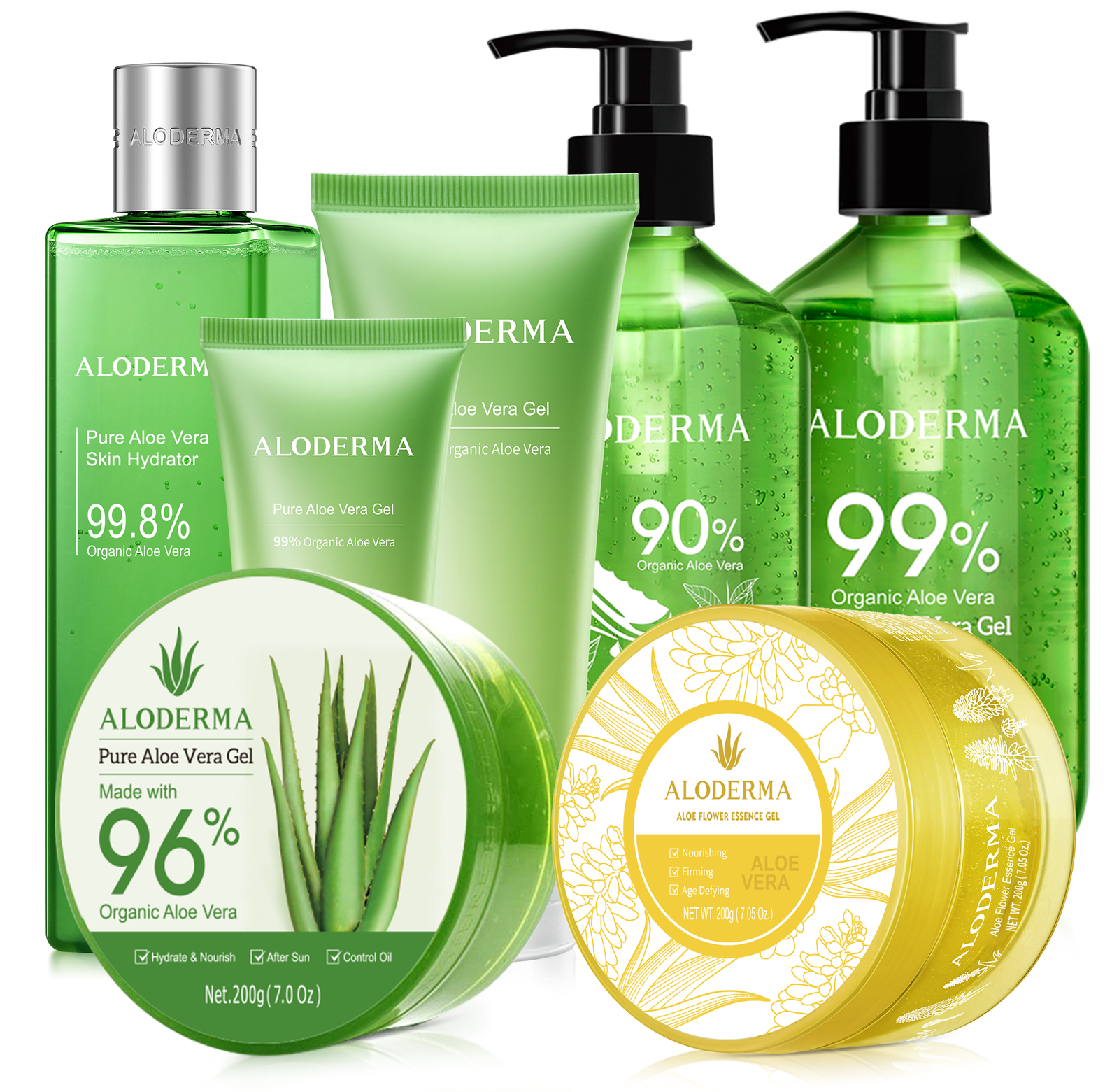
If you love gentle, fresh routines built around aloe, explore ALODERMA. Aloderma is a fully vertically integrated aloe vera company that grows its own organic aloe vera and processes and manufactures onsite within 12 hours of harvest, so the primary ingredient in every product is as bioactive and effective as possible. That farm-to-formula approach makes its aloe-based care a natural match for lightweight scalp and hair rituals.