







You know the moment. You're staring at the mirror, one under-eye looks tired, a blemish is showing through, and your usual makeup isn't giving you the clean, even finish you wanted. That's where full cover concealer earns its place, but only if you use the right product in the right way.
A lot of people think full coverage means the same thing for every face and every concern. It doesn't. Under-eyes need brightness and softness, blemishes need targeted masking, and skin prep changes how both jobs look once the product dries down. The global concealer market has been estimated at USD 7.2 billion in 2021 and projected to reach USD 12.0 billion by 2031 at a 5.5% CAGR over 2022 to 2031, which is a good reminder that this category isn't a niche experiment, it's a durable part of everyday beauty routines. Allied Market Research's face concealer market release points to that steady demand.
What Full Cover Concealer Really Does
A full cover concealer is made for one main job, hiding contrast fast. If you're looking at a dark circle, a red blemish, or a patch of uneven tone, this is the product that tries to make that area disappear visually in as few passes as possible. The key idea is opacity, not just tint.
Why opacity matters
That distinction changes how you shop. A sheer concealer softens what's there, a medium formula blends into it, and a full coverage formula is designed to cover it more decisively. One practical source puts it plainly, the category is defined by maximum opacity, meaning the formula is built to hide the underlying area in a single, highly pigmented layer rather than relying on repeated buildup. DarcLore's full coverage concealer explanation makes that performance focus easy to understand.
Practical rule: if you want the quickest visible change with the fewest passes, full coverage is the category to reach for.
That doesn't mean every full coverage product behaves the same. Some lean matte, some stay creamier, some are better under the eye, and some are better for pinpoint correction on the face. The market's growth also shows that consumers aren't using concealer only for occasional fixes. They're using it as a regular part of complexion makeup, which is why knowing the finish and behavior matters as much as the shade.
Think of this product as a problem-solver, not a universal blanket. When you understand that, choosing one gets much easier.
How Full Coverage Compares to Other Concealer Types
The difference between full, medium, and light coverage isn't just marketing language. It usually comes down to pigment concentration, how much of the skin shows through, and how much blending the formula needs before it disappears into the base. If you've ever bought a concealer that sounded strong on paper but vanished in one swipe, that was a coverage mismatch, not your fault.
The easiest way to shop is to match the concern to the finish you need.
| Coverage | Best For | Finish | Watch Out For |
|---|---|---|---|
| Full Coverage | Dark circles, blemishes, redness, areas that need strong masking | Often more opaque, sometimes matte or semi-matte | Can look heavy if overapplied or used on dry, textured skin |
| Medium Coverage | Everyday under-eye brightening, light discoloration, balanced complexion work | Usually more flexible and skin-like | May need layering for stronger contrast |
| Light Coverage | Very subtle evening out, freshening, minimal makeup days | Often the most natural-looking | Won't hide strong discoloration well |
A broad market estimate also shows how established this category is in major beauty markets. The broader concealer market has been projected to rise from USD 7,356.3 million in 2025 to USD 11,305.9 million by 2033, with North America accounting for 26.05% of global revenue in 2025, which equals about USD 1.92 billion. 6Wresearch's global face concealer market report supports the idea that consumers are buying concealer for more than one use case.
How to read product descriptions
If a listing says “buildable,” expect something that can move toward full coverage but may not cover in one pass. If it says “full coverage” and also mentions a more skin-like or flexible finish, that's often the better sign for everyday wear. If the wording sounds vague, assume the product may sit between medium and full rather than behaving like a true heavy mask.
Shopping shortcut: if your main concern is one spot, buy for coverage and placement. If your main concern is overall brightness, buy for finish first.
Inside the Formula and How It Performs
A strong full cover concealer works a lot like paint, but in makeup language. Pigment does the hiding, the base ingredients help it spread, and film-formers help it stay put. That's why these formulas often feel denser than lighter concealers, even when they still blend smoothly.
What's usually doing the work
Marketed full-coverage formulas commonly use volatile solvents and silicones such as isododecane, cyclopentasiloxane, dimethicone, and trimethylsiloxysilicate to create a flexible wear film that improves adhesion, transfer resistance, and crease control. In one documented formula, glycerin and sodium hyaluronate appear alongside those silicones, which tells you the brand is trying to balance coverage with moisture support instead of relying on pigment alone. That kind of structure is visible in the product details for Bobbi Brown's Skin Full Cover Concealer.

Why formula structure changes the finish
The same ingredients that make a concealer last longer can also make it less forgiving on dry or textured areas. Film-formers help the product resist transfer and stay in place, but they can also make patches look more obvious if the skin underneath is rough or dehydrated. That's why two people can wear the same concealer and get completely different results.
The practical takeaway is simple. Opacity, spreadability, and finish are tied together. If the pigment is strong but the formula is too dry, the coverage can look obvious. If the base is more flexible, the concealer can sit more like skin.
For readers who like ingredient literacy, a good place to start is understanding what dimethicone does in a complexion formula. This dimethicone ingredient guide is useful if you want to learn how texture and slip affect wear.
Applying Concealer for Under-Eyes and Blemishes
Under-eyes and blemishes are not the same job, even if the same tube handles both. Under the eye, you're usually trying to brighten and soften shadow. On a blemish, you're trying to match and hide, then leave the area alone as much as possible. The placement changes, the blending changes, and the shade often changes too.

Under-eyes need softness, not just coverage
A common technique is the triangle shape under the eye, because it brightens the center of the face without requiring a heavy layer across the whole area. One reason that works is balance, the product brings light where shadow reads strongest. Retail guidance from Ulta recommends starting with small dots, then blending with a brush, sponge, or fingertips instead of rubbing, which helps preserve the coverage you just placed. Ulta's full coverage concealer guide is a straightforward reference for that application style.
Blemishes need precision, not spread
For a blemish, the cleaner method is to place a small dot directly on the spot and feather only the edges. That keeps product where it's needed and avoids smearing concealer over more skin than necessary. If you use a slightly lighter shade under the eyes, stay closer to your skin tone for spot concealing so the area doesn't look lifted or gray.
Best practice: thin layers beat one thick layer every time. You can always add more, but removing too much product usually means starting over.
A useful comparison from Athena Plastic Surgery's dermal filler tips is that the under-eye area often needs thoughtful placement, not just more product. That same mindset applies here, even when you're working with makeup instead of fillers.
For a matching eye-area prep routine, this eye cream guide is a practical starting point.
Prepping Skin So Coverage Looks Good
A full coverage concealer can do two very different jobs. Under the eyes, it should brighten and soften darkness without sitting in lines. On a blemish, it should stay small, precise, and close to the skin so the spot disappears without drawing more attention to texture. The prep you use should match the job, because the skin under your makeup is not the same in both places.
Start with a simple sequence
Cleanse gently, then add hydration, then give the skin a light layer that feels comfortable before makeup. A smooth base helps the concealer settle where you place it instead of catching on dry patches or dragging across the skin. Heavy prep can work against you, because it can make coverage move around or sit too high on the face.
Useful rule of thumb: skin prep should support the concealer, not sit there competing with it.
Aloe-based skincare fits that idea well because it keeps the routine light and comfortable. For a neutral example of how an aloe-focused routine can be built before makeup, this skincare routine guide shows one way to organize the steps without making the process feel complicated. If you want a closer look at product order and layering, the Mesoderm RX layering guide is a useful reference for understanding how one step sits on top of the next.
Why fresh, lightweight layers matter
Light layers behave more like a soft base, so concealer has less work to do. That matters under the eyes, where thick product can crease more easily and make fine lines stand out. It also matters on blemishes, where too much product can pile up and make texture more obvious instead of less.
Fresh, aloe-based skin care can help the face feel calm before makeup goes on. The image below shows that kind of simple prep, with aloe serum and moisturizer used before concealer so the skin looks cared for rather than coated. When the surface feels comfortable, the finish usually looks more like skin and less like a mask.
The best prep is the kind you notice only because the makeup sits better on top of it.
Why Concealer Can Look Cakey and How to Avoid It
Cakey concealer usually has a clear cause. It's either too much product, the wrong finish for the area, or a dry base that makes every layer sit on top of the skin instead of melting into it. The product isn't always the problem, the application is often the problem.
The common mistakes
If you pile full coverage onto one spot, the edges get thicker while the center gets drier. If you rub instead of tap, you can pull the product away from the place it was supposed to hide. And if you use a very matte formula on under-eyes or textured areas, the result can read flat before it even starts to settle.
Here's a practical way to avoid that.
- Use less at first. Start with a small amount, then build only where the skin still shows through.
- Match the finish to the area. Under-eyes usually look better with a softer finish, while blemishes often do better with a more controlled, skin-matching layer.
- Switch tools when needed. A sponge softens edges, a brush gives precision, and fingertips help warm the product slightly.
- Stop blending early. Overblending can remove coverage instead of improving it.
The better question to ask
Instead of asking how to get the most coverage, ask where coverage is needed. That shift changes the result fast. A pinpointed blemish layer often looks better than a broad swipe, even when the goal is strong concealment.
More coverage is not always a better finish. Sometimes it's just more product sitting in the wrong place.
A fuller, more matte formula can still work beautifully if the skin is prepped and the placement is precise. On mature, dry, or highly textured skin, though, a slightly more hydrating option usually looks kinder. That's why the best full coverage results often come from restraint, not from adding one more layer.
A Simple Routine With Aloe-Based Skincare
A practical morning routine makes full coverage easier to wear. Start with a gentle cleanse, then use a lightweight aloe gel or toner, followed by a serum and a simple moisturizer. That gives you a smooth, comfortable base without loading the face with heavy texture before makeup.
A simple order that makes sense
If you like clean routines, keep them short.
- Cleanse lightly so the skin starts fresh.
- Apply aloe hydration to create a comfortable base.
- Use a serum for extra slip and ease of blending.
- Seal with a lightweight moisturizer so the concealer doesn't catch on dry areas.
- Place concealer only where needed, under the eyes or on blemishes, instead of spreading it everywhere.
The value of this approach is consistency. Skin that's not overworked usually handles concealer better, especially on days when you want a natural finish instead of a heavy cover-up. The line at The Cactus Outlet's aloe comparison guide is a helpful reminder that ingredient familiarity matters when you're choosing an aloe-based product for daily use.
What to look for in the routine
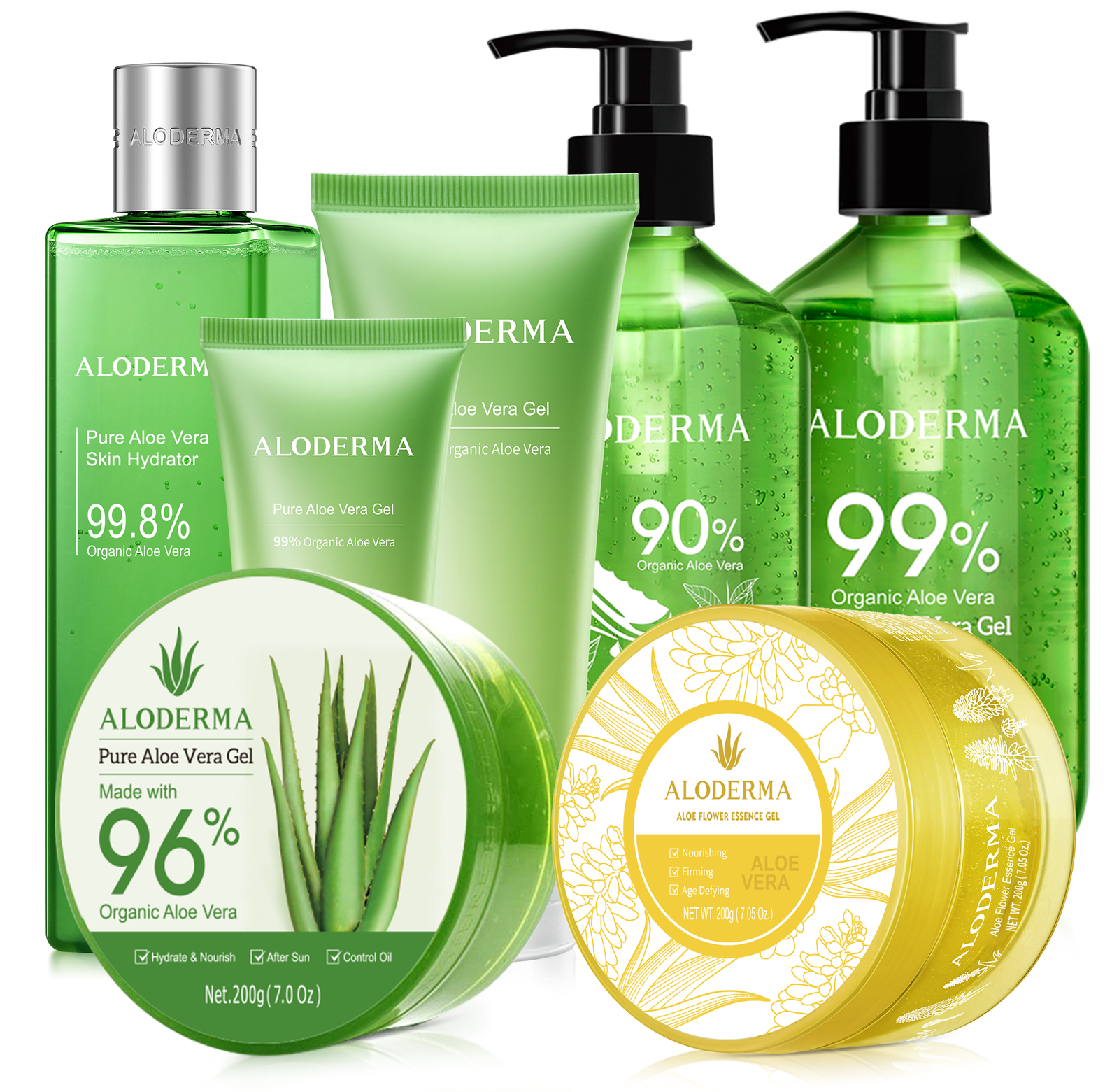
ALODERMA's range includes pure aloe gels, toners, serums, creams, masks, cleansers, and everyday moisturizers, all designed for sensitive, oily, and blemish-prone skin. Those are the kinds of textures that make sense before concealer because they support the skin without making it feel overloaded. If your base feels light and balanced, the concealer usually looks more believable on top.
A good routine doesn't announce itself. It just makes the makeup sit better.
Common Questions About Full Cover Concealer
Which shade should I use under the eyes? A slightly lighter shade usually works best for brightness, while blemishes often look cleaner with a shade that matches the skin more closely. Keep the purpose in mind before you pick the color.
How do I stop concealer from creasing? Use less product, blend in thin layers, and avoid applying on dry skin that hasn't been prepped. A softer finish under the eyes also helps.
Is full coverage okay for blemish-prone skin? Yes, but placement matters more than thickness. Spot-correcting a blemish is usually better than spreading concealer over a wider area.
How often should I reapply? Only touch up when the coverage has broken down or worn away. Reapply in the smallest possible amount so you don't build heaviness.
If you want a routine that helps full cover concealer look like skin instead of a mask, visit ALODERMA and explore its aloe-based cleansers, gels, serums, and moisturizers. The line is built for lightweight daily layering, which makes it a natural fit for prep before concealer and for keeping skin comfortable after makeup comes off.