



You're probably here because your skin wants something gentler, and the internet isn't making that choice easier.
One tab says to mix lemon juice with yogurt. Another promises a “clean” mask with a long ingredient list you can barely pronounce. A third tells you to use clay every time your skin looks dull. If your face ever feels tight, reactive, or tired after following popular advice, you're not imagining it. A natural face mask can be helpful, but only when “natural” is paired with smart formulation, skin comfort, and ingredient restraint.
That's where many people get stuck. They assume natural means safe, or homemade means mild, or aloe in any form is enough. It isn't that simple. Some natural ingredients are lovely for skin. Some are better left out of facial care entirely. And some ingredients, especially aloe vera, depend a lot on freshness and how they're processed.
The Gentle Pull of Natural Skincare
There's a reason so many people eventually drift toward gentler skincare. You use something “active,” your skin feels overworked, and suddenly a simpler jar or sheet mask with plant ingredients sounds like relief.
That pull isn't just about aesthetics. It's about trust. People want to know what they're putting on their face, why it's there, and whether it will leave their skin feeling calm rather than stripped. A natural face mask often feels like a small reset. It's a pause in a routine that may have become too aggressive.
Why simpler feels appealing
Natural masks also connect to something older than modern packaging. Face masks have deep roots in ingredient-led skincare traditions, and that history helps explain why they still feel intuitive today. The category has grown into a major commercial format. Beauty facial masks accounted for nearly 4.3% of the global skincare industry at the end of 2021, and the market was valued at US$6.8 billion in 2022 with a projection of US$11.2 billion by 2032 at a 5.1% CAGR, according to Fact.MR's beauty facial mask market report.
That growth reflects something many readers already feel in their own bathroom cabinets. Ingredients linked with gentleness and nature, including aloe vera, honey, and plant extracts, have moved from niche interest to mainstream habit.
Natural skincare often starts as a reaction to overload. Too many steps, too many harsh ingredients, too much guesswork.
What readers usually want
People searching for a natural face mask aren't chasing perfection. They want a few practical things:
- Comfort first. Skin that feels soft, hydrated, and settled after rinsing.
- Ingredient clarity. Fewer surprises, fewer harsh add-ons, and labels that make sense.
- A ritual that fits real life. Something easy enough to use consistently.
- Results that feel honest. Better moisture, a smoother surface, less tightness. Not miracles.
That's a healthy way to think about masking. Once you drop the fantasy of instant transformation, it becomes much easier to choose a mask that suits your skin.
What's Really Inside a Natural Face Mask
A natural face mask usually has two jobs. First, it needs a base that gives it texture and helps it sit well on the skin. Second, it needs supporting ingredients that bring moisture, softness, or a more refreshed look.
That sounds basic, but it clears up a lot of confusion. Many people focus only on the “hero” ingredient on the front of the package and miss what makes the mask usable in the first place.

The base matters more than people think
A good mask shouldn't drip down your neck or dry into an uncomfortable shell right away. Quality natural masks are often made as shear-thinning viscous gels or pastes, which means they spread smoothly when you apply them and then stay in place for even coverage and comfort, as explained in Cosmetics & Toiletries on formulating facial masks.
In plain language, that means this:
- When you touch it it feels easy to spread.
- When it's on your face it doesn't slide around.
- When it sets it still feels wearable.
If you've ever used a mask that went on patchy, dried unevenly, or felt stiff around your mouth, the formula likely wasn't balanced well.
The ingredient list tells a story
Once you understand the base, the rest of the label gets easier to read. Look for the broad roles ingredients play:
| Part of the mask | What it does | Common examples |
|---|---|---|
| Base | Creates texture and helps application | gel, cream, clay, paste |
| Moisture support | Helps skin feel softer and more comfortable | aloe vera, glycerin, yogurt |
| Soothing support | Helps reduce that “worked over” feeling | oatmeal, cucumber |
| Absorbent element | Gives a cleaner, less slick feel | clay, finely milled oats |
A “natural” claim by itself doesn't tell you if a mask is balanced. A better question is whether the formula combines gentle texture, skin-friendly support, and sensible ingredient choices.
If ingredient labels tend to blur together for you, Modern Holistic Living's ingredient guide is a helpful primer for learning how to read them with more confidence.
Practical rule: Don't judge a mask by its front label alone. The back label tells you whether the formula was built for skin comfort or just marketing.
Nourishing Ingredients Your Skin Will Love
When a natural face mask works well, it usually isn't because it's packed with trendy ingredients. It's because it uses a few gentle ones with clear jobs.
Aloe vera sits near the top of that list for good reason. It gives a mask a fresh, cushiony feel and supports hydration without making the formula feel heavy. That matters for people who want comfort but don't want the greasy after-feel that some richer masks leave behind.
Gentle ingredients that earn their place
Oatmeal is another standout. In a mask, it brings a soft, comforting quality that many people appreciate when their skin feels easily bothered. It also pairs well with aloe because the two create a more forgiving, less “active” experience.
Cucumber works differently. It's less about richness and more about that cooled, refreshed feeling after application. Honey can add a soft, supple finish in some formulas, especially when used in a balanced way rather than in sticky, overly dense mixtures.
And for people who like richer textures, shea butter from Online Gifts Canada is a useful reference point for understanding a classic plant-based moisturizer often used in nourishing skincare.
Why aloe deserves a closer look
Not all aloe-based skincare feels the same. Some products use aloe mostly as a supporting ingredient. Others build the whole formula around it. If your skin tends to prefer lightweight hydration, aloe-centered masks often make more sense than thick, heavily fragranced options.
That's one reason many readers gravitate toward articles like this guide to hydrating face masks. The appeal isn't just moisture. It's moisture without the heaviness or roughness that can make masking feel like a chore.
Here's a simple way to think about ingredient choice:
- Choose aloe vera when your skin feels thirsty, warm, or generally out of balance.
- Choose oatmeal when you want softness and a more comforting mask texture.
- Choose cucumber when you want a fresher, lighter feel.
- Choose honey carefully if you enjoy richer, more cocooning textures.
A well-chosen natural face mask should feel like support, not punishment. If the formula leaves your skin feeling smoother, more comfortable, and easier to care for afterward, the ingredients are doing their job.
Popular 'Natural' Ingredients to Use with Caution
Many DIY recommendations err by treating any kitchen ingredient as fair game for your face.
That's risky. “Natural” doesn't automatically mean gentle, and some commonly recommended ingredients are far more irritating than people realize.

According to Holland & Barrett's DIY face mask guidance, many popular recipes use ingredients like lemon or baking soda even though they can be highly irritating or drying. That matters even more if your skin already feels delicate or your barrier feels compromised.
Ingredients that sound harmless but often aren't
A few examples show why caution matters:
- Lemon juice can feel “clean” or brightening at first, but it's a common source of stinging and can make skin feel more exposed.
- Baking soda may seem simple, but it can leave skin feeling rough, dry, and off-balance.
- Undiluted essential oils are often too strong for facial use, especially in a leave-on or semi-occlusive mask.
- Clay-heavy mixes can be useful for some people, but they often become too stripping when there's nothing in the formula to soften the effect.
That last point gets missed all the time. Clay isn't automatically bad. It just needs balance. If a mask contains absorbent ingredients without enough moisture support, your skin may look cleaner for an hour and then feel tight for the rest of the day.
A safer way to think about DIY
If you like making your own masks, keep the formula simple and forgiving. Use fewer ingredients, avoid harsh acids from fruit juices, and skip anything that causes a tingle you're trying to talk yourself into tolerating.
A helpful companion read is this guide on ingredients to avoid in skincare, especially if you're trying to identify why a “natural” product still leaves your face uncomfortable.
If a mask burns, over-dries, or leaves your skin shiny-tight, it isn't helping just because the ingredient came from nature.
Matching Your Mask to Your Unique Skin
The right natural face mask depends less on trends and more on how your skin behaves day to day. Skin type isn't just a label. It's a pattern.
Some skin feels thin and easily bothered. Some gets shiny by midday but still needs hydration. Some looks uneven when it's dehydrated and then reacts badly to harsh “oil control” products. Once you notice those patterns, choosing a mask gets much easier.
If your skin feels easily bothered
For sensitive skin, oatmeal and aloe vera are commonly recommended because oatmeal offers a gentle, soothing feel while aloe vera is known for its calming support. A contact time of 10 to 20 minutes is typically advised for hydration without pushing into an overly irritating window, based on Organic Fiji's DIY face mask guidance.
That means your mask routine doesn't need to be long to be useful. In fact, leaving a mask on too long is one of the most common mistakes people make.
Look for ingredients and textures that feel quiet rather than dramatic. Gel masks, creamy aloe masks, and soft oat-based formulas are often a better match than strong exfoliating blends.
If your skin gets oily but still feels dehydrated
This skin type gets misunderstood all the time. Oil and dehydration can show up together. If you only reach for drying masks, your face can end up feeling both slick and uncomfortable.
A better match is a lightweight mask with moisture support and a controlled amount of absorbent ingredients. Aloe-based gels and balanced clay-plus-humectant formulas usually make more sense than thick, chalky masks.
A simple matching table
| Skin Type | Feels Like... | Best Ingredients | ALODERMA Solution |
|---|---|---|---|
| Sensitive | Tight, easily bothered, reactive to strong products | aloe vera, oatmeal, cucumber | Aloe Soothing & Moisturizing Sheet Mask |
| Oily | Shiny through the day, but can still feel dehydrated | aloe vera, balanced clay blends, humectants | Organic Aloe Vera Oil Control Facial Sheet Masks |
| Dull or dry-feeling | Rough, thirsty, less smooth than usual | aloe vera, honey, creamy hydrating bases | Aloe Hydrating Sheet Mask |
Use the table as a starting point, not a rulebook. Your skin may shift with weather, stress, cleansing habits, or overuse of exfoliating products.
Leave room for adjustment. The mask that feels perfect in cool weather may feel too rich when the air turns warm and humid.
The Aloderma Difference The Power of Fresh, Bioactive Aloe
Aloe sounds simple until you look closely at how it's handled. Fresh aloe and heavily processed aloe aren't the same experience.
That difference matters because aloe is often chosen for its comfort, light hydration, and skin-friendly feel. If the ingredient is treated as an afterthought, the final product may not deliver the same fresh, cushiony result people expect from an aloe-based mask.

Why freshness changes the experience
Bioactive aloe refers to aloe that still holds the plant's useful, skin-relevant character in a more intact form. In practical terms, it's about getting a formula that feels alive, fresh, and purposeful rather than flat.
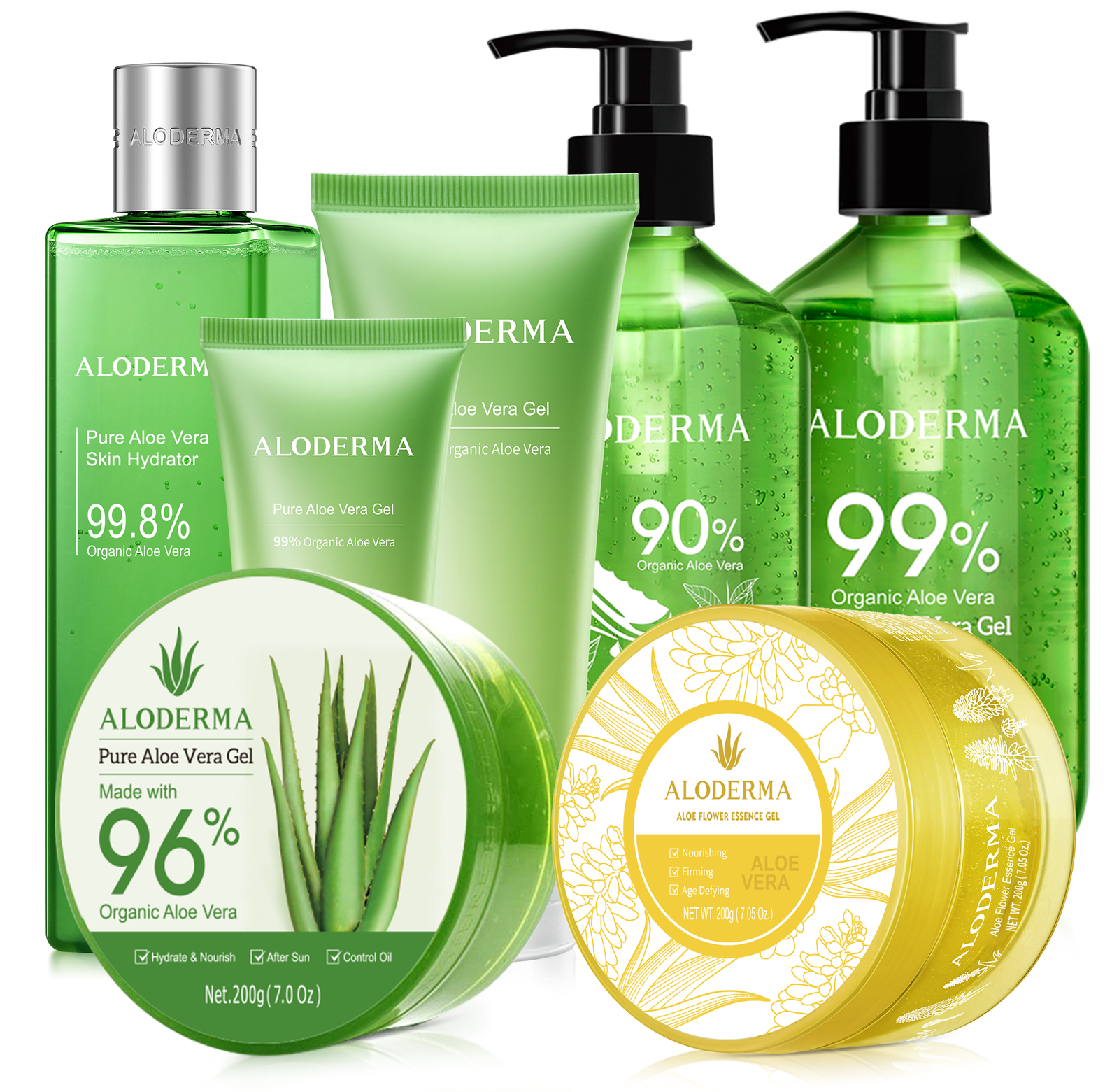
That's why sourcing and timing matter. Aloderma is a fully vertically integrated aloe vera company. It grows its own organic aloe vera, processes the aloe, and manufactures onsite within 12 hours of harvest so the primary ingredient in each product remains as bioactive and effective as possible. If you want more context on why fresh aloe is handled this way, this article on fresh aloe vera for face is a useful read.
A short brand video gives a quick look at that farm-to-skin approach.
What that means when you choose a mask
For shoppers, this changes the buying question. Don't just ask whether aloe is on the label. Ask what role it plays in the formula and how that aloe is sourced and processed.
A fresh, aloe-led mask can be a sensible option when you want:
- Light hydration that doesn't sit heavily
- A more comfortable mask feel on easily stressed skin
- A simple routine centered on one familiar botanical
- A formula with a clear ingredient story from farm to finished product
That doesn't mean every aloe product is identical. It means aloe is one of those ingredients where freshness and processing deserve real attention.
Your Natural Mask Ritual and Pre-Purchase Checklist
Once you've found a natural face mask that fits your skin, the routine itself should feel easy. The biggest wins usually come from consistency, not from using the strongest mask you can tolerate.
A good ritual also turns masking into a pause instead of another task. If you enjoy pairing skincare with a more thoughtful wind-down, this guide to effective self-care offers practical ideas for making the habit feel sustainable.

A simple masking ritual
You don't need a complicated routine. Keep it steady:
- Cleanse gently so the mask goes onto clean skin, not leftover makeup or sunscreen.
- Apply an even layer or place your sheet mask carefully, avoiding the eye area.
- Leave it on for the recommended window. If your formula is designed for a shorter wear time, respect that.
- Remove gently with lukewarm water or by lifting off the sheet mask and patting in any remaining essence.
- Follow with moisturizer to help lock in the soft, hydrated feel.
If your skin tends to be sensitive, shorter and calmer is usually smarter than longer and stronger.
What to check before you buy
A natural label can be useful, but it shouldn't be the only filter. Run through this list first:
- Check the ingredient order. If aloe vera or another key botanical is central to the formula, it should be clearly represented.
- Watch for known irritants. Citrus juices, strong essential oils, and overly harsh absorbent ingredients can create more problems than they solve.
- Think about texture. A mask that suits your skin's comfort level is easier to use consistently.
- Patch test first. This is especially important if your skin tends to react to even well-meaning products.
- Choose realism over hype. A mask should support moisture, softness, and comfort. It doesn't need dramatic claims to be worthwhile.
The more you understand ingredients and skin feel, the less likely you are to buy into flashy promises. That's the payoff. You stop guessing, and your routine gets calmer.
If you want an aloe-centered option with a clear farm-to-skin story, ALODERMA focuses on fresh organic aloe vera grown on its own farms and processed onsite within 12 hours of harvest. You can explore sheet masks, gels, and everyday skincare designed for gentle hydration and ingredient-conscious routines.