







You know the feeling. You've been outside longer than planned, your skin feels thirsty, and you reach for aloe because it should be the simple, cooling fix that never lets you down. The catch is that organic aloe vera gel benefits depend on more than the words on the front label, because freshness, processing speed, and leaf selection can decide whether you get a silky hydrator or a watery letdown.
Aloe has stayed popular for a reason. A 2025 review reported that the inner gel contains 98% to 99.5% water, which helps explain why it feels so light on skin while still being useful in routines that need moisture without residue (Frontiers in Nutrition). When the gel is handled well, it can act like a calm, clean layer that supports comfort and recovery, not just a temporary cooling sensation.
Why Organic Aloe Vera Gel Deserves a Spot in Your Routine
Aloe gel earns its place because it solves a very common skincare problem, skin that wants moisture, but doesn't want weight. That matters on mornings when your face already feels busy with sunscreen, makeup, or a richer cream, and it matters at night when you want something simple that won't sit on top of the skin like a film.
The phrase organic aloe vera gel benefits sounds broad, but the story is narrower and more useful. The best aloe formulas are built around the inner gel, not just an aloe-themed label, and they're designed to feel clean, fast, and layerable. A vertically integrated brand can control that path from farm to finished product, which is why Aloderma emphasizes that it grows its own organic aloe and processes it onsite within 12 hours of harvest to keep the primary ingredient as bioactive as possible.
What that means in real life
If your skin is easily overwhelmed, aloe can be the first layer that makes the rest of your routine feel easier to tolerate. If your skin runs oily, it can give you hydration without a heavy finish. If your skin gets cranky after cleansing, shaving, or too much sun, aloe can feel like the practical middle ground between doing nothing and reaching for something too rich.
Practical rule: the best aloe gel should disappear into the routine, not fight it.
That's why freshness matters so much. Aloe isn't magical by default, it has to be processed well to stay useful. A product made from a leaf that sat too long before stabilization may still look like aloe, but it won't behave like the fresh, skin-friendly ingredient people are hoping for.
What Makes Aloe Vera Gel So Effective

Aloe leaf structure explains a lot of the way the ingredient behaves on skin. The outer rind protects the leaf, the latex layer sits between the rind and the center, and the inner gel is the portion most topical products use because it contains the water-rich material and polysaccharides that give aloe its familiar skin feel (PMC review). That is why aloe gel feels so different from a dense cream. It behaves more like a light water reservoir than a greasy balm.
That structure also helps explain the user experience. Because the inner gel is mostly water, it spreads easily, absorbs quickly, and sits well under moisturizer or sunscreen. For skin that wants hydration without a heavy finish, that combination is a big part of the appeal.
Why the leaf anatomy matters
The latex fraction is a separate part of the plant, and it does not behave the same way as the inner gel. That distinction matters because “aloe” gets used as a catch-all label, even though the skin feel, texture, and purpose depend on which part of the leaf was captured and how it was processed. A formula built around the inner gel should keep that fraction clean and useful, while leaving the tougher outer material out of the final product.
Processing speed matters here too. Aloe starts as a living leaf, and the closer the finished gel stays to that original state, the more likely it is to feel fresh, clear, and useful on skin. If the leaf sits too long before stabilization, the result can still look like aloe, but it may behave more like watery filler than the fresh gel people expected.
A simple way to understand the difference
The outer rind protects the leaf, while the inner gel holds the bioactive compounds that benefit the skin.
Aloe works best when the formula respects the plant's structure, uses the right fraction, and keeps the gel close to its original character.
That is also why freshness and fast processing matter more than many shoppers realize. Two products can both say aloe on the front, yet the one made from a fresh, well-handled gel is much more likely to give the light, flexible texture people associate with the plant. The other may leave you with a thin, watery product that disappears before it does much at all.
Key Skin Benefits of Organic Aloe Vera Gel

When aloe gel is fresh and processed quickly, the skin gets the version people usually hope for, light hydration, a soothing feel, and a texture that disappears without leaving a greasy film. When it sits too long before stabilization, those benefits can fade into a thin, watery product that looks like aloe but performs more like filler. That processing window is the hidden variable behind most good and disappointing gels.
A good aloe gel does four useful things especially well. It hydrates lightly, it brings comfort to skin that feels stressed, it supports the look of smoother texture, and it feels especially welcome after too much sun. Those benefits line up with how aloe behaves biologically and in topical routines, provided the formula keeps the inner gel intact and handles it well.
Hydration without heaviness
The inner gel is naturally water-rich, so it adds a fast moisture layer without behaving like a heavy sealant. That makes it a practical choice before moisturizer, or for skin that feels overloaded by richer products. The right texture is clean and slippery at first, then it settles quickly instead of sitting on the surface.
Freshness matters here more than branding. A gel made from well-handled leaf material is more likely to feel light and responsive on skin, while a slower, poorly preserved product can feel diluted and underpowered. For people who want hydration without residue, that difference is easy to notice.
Comfort for stressed skin
Topical aloe vera has a long history in burn and wound healing, and the National Center for Complementary and Integrative Health notes that topical aloe gel may speed burn healing and reduce burn-related pain (NCCIH). That does not turn aloe into a cure-all, but it does explain why the gel is often chosen for skin that feels irritated by weather, cleansing, or rubbing.
The skin benefits from the inner gel because it delivers bioactive compounds directly without the barrier of the rind. A PMC review also discusses aloe's skin-related activity in the context of healing and repair, which supports its place in calming-focused routines. For everyday use, that means aloe is most useful when the formula is simple, fresh, and meant to support comfort rather than mask the skin with a heavy layer.
Texture and visible smoothness
A human supplementation study reported that aloe gel increased collagen production in protected skin and decreased expression of MMP-1, a matrix metalloproteinase tied to collagen breakdown (PMC review). The practical takeaway stays modest, aloe may help support a fresher-looking surface when the product is good and the routine is steady.
That is different from promising dramatic change. Organic aloe vera gel is better understood as a supportive step that can make skin feel calmer and look a bit more refined over time, especially when the gel itself is fresh enough to keep its character. If the product has already lost much of that living-plant quality, the texture benefits tend to be less convincing.
After-sun comfort
Aloe's cooling feel is the reason many people keep it around the house, but cooling alone is not the whole story. The plant's moisturizing and soothing profile is what makes that post-sun ritual feel reassuring. When a gel spreads cleanly, absorbs without residue, and still leaves the skin feeling supported, people are more likely to reach for it again after time in the sun.
Routine habits matter too. If aloe is your first calming layer, the texture should feel fresh enough to do its job without competing with the rest of the products that follow. The internal guide on how to use aloe vera for skin explains how to fit that step into a simple routine, and aloe often works best when the rest of the formula is just as thoughtful as the gel itself, as shown in this guide to choose carrier oils for essential oils.
How to Use Aloe Vera Gel in Your Daily Skincare Routine
Aloe works best as a first or early layer in a routine. Cleanse first, then pat the skin dry and spread a thin layer of gel while the surface is still slightly damp. That simple timing helps the product glide evenly and keeps you from applying too much, which is a common reason aloe feels sticky instead of useful.
The way you follow it depends on skin type. For sensitive skin, keep the routine plain, aloe after cleansing, then a gentle moisturizer. For oily skin, aloe can sit before sunscreen in the morning or before a light gel cream at night, since the texture gives hydration without a heavy finish. For blemish-prone skin, a lighter layer can be easier to live with because it adds comfort without making the routine feel crowded.
Texture matters more than marketing language. A toner, gel, serum, or sheet mask can all fit into a routine, but each one should serve a clear purpose and not fight the rest of the products. If you also use essential oils in other parts of your skincare or body-care setup, a useful reference for understanding supportive blends is choose carrier oils for essential oils, because aloe usually performs best when the rest of the routine is chosen with the same care.
A simple layering order
- Cleanse with a mild cleanser.
- Apply aloe gel in a thin layer.
- Seal with moisturizer or sunscreen, depending on the time of day.
The internal guide on how to use aloe vera for skin is helpful if you want a clearer look at where gel, hydrator, toner, serum, or mask formats fit in a routine. Aloe can also sit beside a toner, a soothing cream, or a weekly sheet mask without making the routine feel overloaded, as long as each step has a clear job.
Why Freshness and Processing Speed Matter More Than You Think
Two aloe gels can look nearly identical and feel completely different on skin. The difference is often the time between harvest and stabilization. A peer-reviewed review reports that bioactive constituents are highest when the leaf is processed quickly after harvest, because aloe gel begins changing soon after cutting and quality depends on how fast the inner leaf material is stabilized (PMC review).
That is the hidden quality issue most shoppers never see. A label can say organic and still hide a slow processing chain that leaves the gel less lively by the time it reaches you. In aloe, freshness is part of performance. A company that grows its own aloe and processes it onsite within 12 hours of harvest is working from a stronger freshness standard than brands that depend on long transit chains.
Fresh aloe versus delayed aloe
Freshly stabilized gel is more likely to keep the lightweight feel and clean slip people expect from a good aloe product. Delayed processing can flatten that experience, which is why some formulas feel thin in the wrong way, almost like scented water instead of a purposeful skincare ingredient.
A vertical setup also cuts down on handoffs. Fewer transfers mean fewer chances for the inner gel to lose the character it had at harvest before it reaches the bottle. That is basic ingredient handling, not marketing polish.
The processing window is part of the formula.
For a closer look at stability and storage, the brand's guide on how long aloe vera lasts is a useful companion read. The same issue applies to any fresh botanical ingredient, and aloe is especially sensitive because the gel starts changing soon after the leaf is cut. If you are comparing products, this is also where organic picks for sensitive guts can be a helpful reminder that organic quality depends on handling, not just a label claim. Freshness is not the only factor, but in aloe it can change the result before you ever open the cap.
How to Choose High-Quality Organic Aloe Vera Products
Aloe products can look similar on the shelf and behave very differently on skin. A label may say organic, yet the formula still depends on how the aloe was handled after harvest, how much of the gel is present, and whether the rest of the formula supports or distracts from it. Read the package the way a formulator would, starting with the ingredient list and the sourcing details.
If Aloe barbadensis leaf juice appears near the top, that usually signals the formula is built around aloe rather than around fragrance or filler. If it is buried behind long lists of solvents, the aloe is more likely to be part of the story than the main event.
Use a short checklist
- Check certifications. ECOCERT, USDA Organic, and EU Organic are signs that the brand has met real standards, not just used organic styling on the label.
- Read the ingredients. Aloe should be a primary ingredient, not a token amount added for marketing.
- Avoid unnecessary extras. Alcohol, heavy fragrance, and artificial colors can make a gentle product feel much less skin-friendly.
- Look at packaging. Opaque tubes or airless pumps help protect freshness better than packaging that leaves the formula exposed.
- Verify transparency. Brands should explain where the aloe comes from and how it is handled.
- Compare sourcing models. A vertically integrated farm-to-skin setup usually gives you more traceability than a vague third-party supply chain.
Aloe is not one uniform ingredient. The leaf includes the rind, latex, and inner gel, and the gel is the portion most commonly used in topical skin products because it is primarily water plus polysaccharides and other bioactive compounds. If a brand does not say what part it uses, it becomes harder to judge what you are putting on your skin.
For readers who like to compare ingredient quality across categories, organic picks for sensitive guts offers a useful reminder that transparency matters as much as the organic claim itself. The same standard applies here, a formula should earn trust by being clear about what it contains and how it was made.
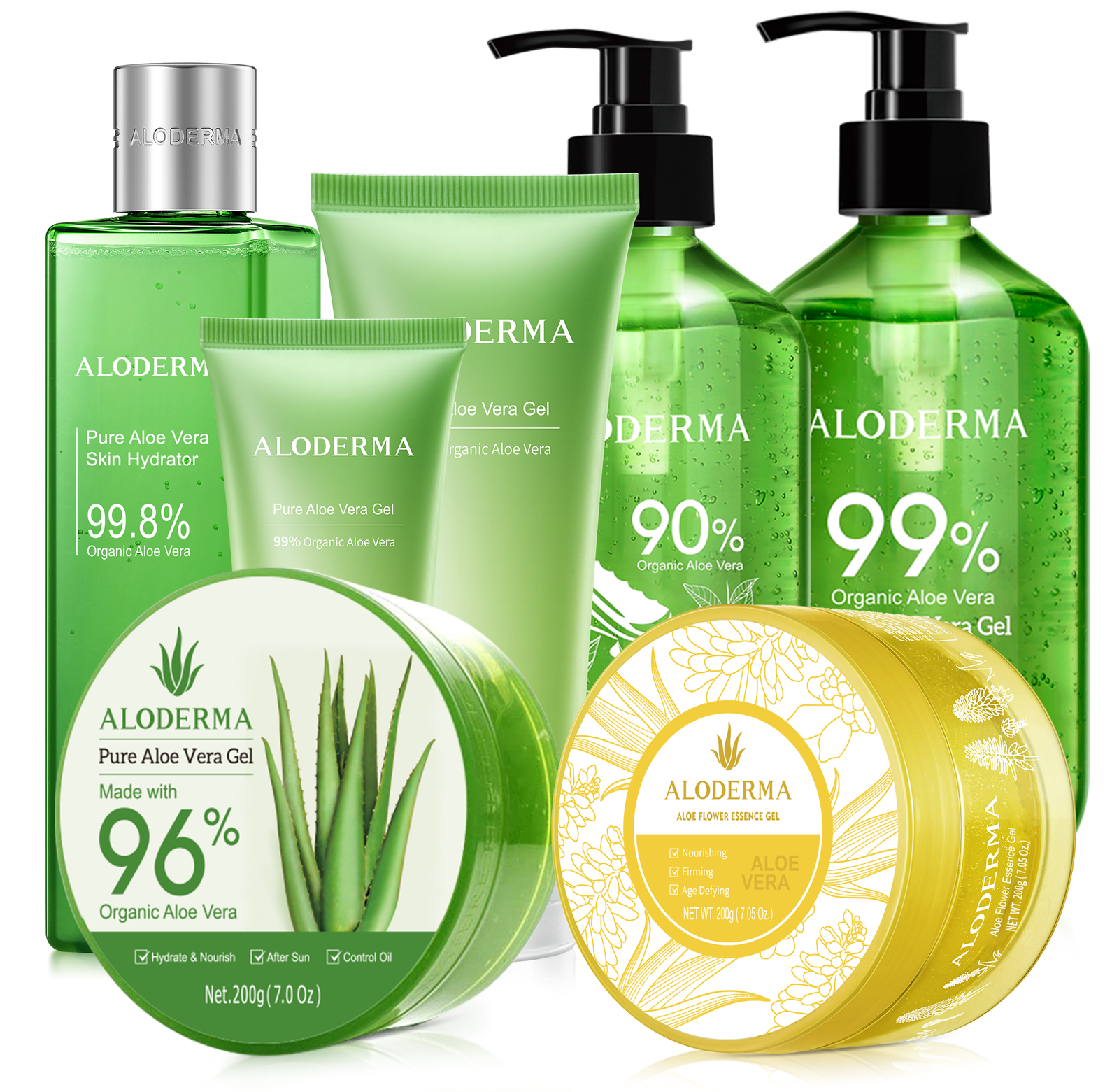
A practical next stop is organic aloe vera products, which can help you compare product types side by side. ALODERMA is one example of a brand built around this farm-to-skin model, with organic aloe grown on its own plantations and processed onsite within 12 hours, so the gel starts fresh and stays central to the formula.
Common Questions About Organic Aloe Vera Gel
Can you patch test aloe gel? Yes, and you should, especially if your skin reacts easily. Apply a small amount to one area first, then wait and watch how your skin behaves before using it more widely.
Can aloe go with vitamin C or retinol? Usually, yes, as a calming layer underneath or between stronger steps, but keep the routine simple so you can tell what your skin likes. If a serum or active leaves your face feeling too tight, aloe can make the routine feel more balanced.
How should you store it? Keep it tightly closed, away from heat and direct light, and don't leave the cap off longer than needed. Fresh-feeling aloe depends on careful handling, just like the processing window matters before bottling.
Can you use it beyond the face? Absolutely. Aloe gel works well on the neck, chest, arms, and anywhere you want lightweight hydration without a heavy finish. For personal routine guidance, the product pages and skin care quiz on aloderma.com can help you match texture and format to your skin's needs.
If you want aloe that's built around freshness, not just a pretty label, explore the range at ALODERMA. Their organic aloe is grown on their own plantations and processed onsite within 12 hours, which keeps the gel close to its most useful, skin-friendly form. That's the kind of aloe worth making room for in a daily routine.