



You're standing in the body care aisle, turning bottles around, reading words like “natural,” “pure,” “botanical,” and “organic,” and somehow feeling less certain with every label. One lotion sounds earthy. Another looks clinical. A third has a leaf on the front, but the ingredient list reads like a chemistry worksheet.
That confusion makes sense. Shoppers have pushed this category into the mainstream. The global organic personal care market was estimated at USD 21.82 billion in 2022 and is projected to reach USD 44.77 billion by 2030, with skin care accounting for over half of the market according to Grand View Research on the organic personal care market. People aren't just chasing trends. They want body care that feels gentler, clearer, and more trustworthy.
Your Guide to Genuinely Organic Body Care
A lot of readers come to organic body care with the same question. “How do I know what's real?”
That's the right place to start, because body care isn't just about what a brand says on the front of the bottle. It's about what happened long before that bottle reached your shelf. Where was the plant grown? How was it handled? Was the ingredient fresh, or was it dried, diluted, or heavily processed before it ever touched your skin?
For ingredient-conscious shoppers, that farm-to-skin path matters just as much as the label. Freshness changes how a formula feels. Transparency changes how confident you feel using it. And for body care, where you may be applying products daily to arms, legs, hands, chest, or underarms, those details start to matter fast.
Why the category feels crowded
Many products borrow the language of clean beauty without giving you much substance. “Natural” can mean almost anything. “Botanical” only tells you a plant ingredient is present. Even “organic” can confuse people if the claim isn't tied to a real standard.
Organic body care makes more sense when you stop thinking about marketing words and start asking process questions.
A simple example helps. Two body gels can both mention aloe on the label. One may use fresh aloe handled close to harvest. Another may rely on a more processed form blended into a formula later. To a shopper, both can look similar. On the skin, they often don't feel the same.
The freshness factor people often miss
When readers say they want organic body care, they usually mean more than pesticide-conscious farming. They also want products that feel alive, light, and easy to use. They want to know the hero ingredient wasn't treated like an afterthought.
That's why freshness deserves more attention. In plant-based body care, especially aloe-based formulas, the time between harvest and processing can shape the final experience. The closer the formula stays to the original plant, the easier it is to understand what you're putting on your body and why it feels the way it does.
What Sets Organic Body Care Apart
Organic body care stands apart when it treats ingredient integrity as a full-chain decision, not a front-label theme. The strongest products usually reflect care at every step, from growing and harvesting to processing, formulation, and final labeling.

It's more than a plant on the label
“Natural” and “organic” often get used like synonyms, but they aren't the same. A product can contain plant ingredients and still tell you very little about how those ingredients were grown or verified. Organic body care, at its strongest, points to a tighter system of sourcing and accountability.
That difference matters in everyday shopping. If you've ever tried to sort through family products with similar language, guides on understanding baby product labels can be useful because they train you to look past soft marketing terms and focus on what's disclosed.
Farm to bottle changes the experience
The farm-to-skin idea sounds simple, but it has real consequences for body care. A brand that controls cultivation, harvest, and manufacturing can show you more of the story. That usually means fewer blind spots around sourcing and less guesswork about how a hero ingredient was handled.
Aloe is a good example because people often assume all aloe formulas work the same way. They don't. An aloe plant starts as a fresh botanical material. Once it's cut, timing matters. Handling matters. Processing decisions matter. If the ingredient is delayed, heavily altered, or treated as a small supporting addition, the final product may feel very different from one built around fresh aloe from the start.
Why vertical integration matters
A vertically integrated model is one of the clearest signals of transparency in organic body care. It means the same company manages the growing, harvesting, and production chain rather than outsourcing every major step.
That matters because it answers the questions shoppers care about:
-
Where did the ingredient come from
You can trace it back to the farm rather than relying on vague supplier language. -
How fresh was it when processed
You get a clearer sense of whether the ingredient arrived lively and intact or after a long holding period. -
Who is accountable
Fewer handoffs mean fewer places for quality standards to get muddy.
Practical rule: If a product's entire story begins and ends with “contains botanicals,” you still don't know much. If a brand can explain how the plant was grown, harvested, and processed, you're getting closer to the truth.
The freshness factor acts as a critical distinguishing element. Organic body care isn't only about avoiding certain inputs. It's also about preserving the value of the ingredients you do want.
How to Decode Organic Certifications and Labels
Labels confuse people because they mix emotional language with technical standards. One bottle says “organic.” Another says “made with organic ingredients.” A third highlights plants and green packaging but offers no certification at all.
That's why third-party verification matters so much. According to NSF consumer research on organic personal care labeling, only 9% of Americans completely trust voluntary labels, yet 45% are willing to pay more for certified personal-care products with organic ingredients. Shoppers don't just want promises. They want proof.
Start with the seal, not the slogan
A recognized certification does something marketing language can't. It creates a standard you can check.
That doesn't mean every certified product will feel perfect for every person. It does mean the brand is operating within rules instead of asking you to trust a leaf graphic and a soft-focus product photo.
If you want a deeper look at how beauty certification works in practice, this guide to USDA organic beauty products is a helpful next read.
Organic certification at a glance
| Certification | Minimum Organic Content | Key Focus |
|---|---|---|
| USDA Organic | 95% to 100% certified organic agricultural ingredients | Strict ingredient threshold and certified supply chain |
| NSF/ANSI 305 | At least 70% organic ingredients by weight, excluding water and mined minerals | Personal-care formulas with third-party verification, facility inspection, and annual audits |
| ECOCERT | Qualitative standard referenced by brands for verified organic or natural formulation practices | Ingredient sourcing and production standards |
| EU Organic | Qualitative standard associated with organic agricultural compliance in relevant markets | Regulated organic framework for agricultural ingredients |
The USDA threshold is stricter than many shoppers realize
In the U.S., body care products don't get their “organic” meaning from the FDA. The rule that matters for the USDA seal is narrower and more demanding. A cosmetic or body-care product can qualify for the seal only if it contains 95% to 100% certified organic agricultural ingredients, as explained by the USDA guidance on cosmetics, body care, and personal care products.
That number is useful because it clears up a common misunderstanding. A product isn't USDA Organic just because it contains a few organic botanicals. The threshold is high, and the certification applies to the full chain behind those ingredients.
Lower-threshold claims can still be meaningful
Some products are built under a different standard. For formulas marketed as “contains organic ingredients,” NSF/ANSI 305 requires at least 70% organic ingredients by weight, excluding water and mined minerals, with third-party verification and annual audits, according to NSF information on organic personal care certification.
That matters especially in body-care formats with high water content. A body wash or lotion can sound plant-rich while offering little measurable organic content. Standards like NSF/ANSI 305 help separate real formulation work from decorative plant language.
What readers often get wrong
Many people assume certification answers every quality question. It doesn't. Certification helps verify sourcing and claim structure. It doesn't automatically tell you whether a lotion feels rich or light, whether a scent works for you, or whether the formula suits daily use on hands, arms, or underarms.
For shoppers who care about sustainability beyond skincare, these eco-friendly loungewear insights offer a similar lesson from another category. Standards matter most when they help you judge the whole chain, not just the finished look.
Certification is a trust tool. It's not the whole decision, but it's often the first filter worth using.
The Farm-Fresh Difference in Organic Ingredients
The most useful shift in organic body care happens when you stop asking only, “Is it organic?” and start asking, “How fresh is the main ingredient?”
That question matters a lot with aloe.
Fresh aloe and processed aloe aren't the same experience
Aloe is one of those ingredients people instantly recognize. It's associated with comfort, hydration, and a clean, light feel. But aloe quality can vary widely depending on how it's sourced and handled after harvest.
Think about fruit from a garden versus fruit that was picked, stored, transported, and processed much later. Both may still count as fruit, but they don't offer the same sensory experience. Aloe works similarly in body care. The closer the formula stays to fresh aloe, the more direct and plant-forward the feel often is.
That's why the freshness window matters. A company that grows its own organic aloe vera, processes it onsite, and manufactures within 12 hours of harvest gives readers something more concrete than a broad green beauty claim. It points to speed, control, and traceability.
Why the first ingredient matters
Ingredient lists tell a story if you know how to read them. If aloe vera is the featured ingredient in the branding but appears low on the list, it may be more of a supporting note than the formula's foundation.
When aloe appears first, the product is signaling that the formula is built around it, not just decorated with it. That's especially relevant in body gels, lightweight lotions, and daily hydrators where texture and freshness are central to the experience.
A practical pairing for readers curious about plant oils alongside aloe is this article on organic jojoba oil, which helps explain how lightweight botanical ingredients can support body-care texture and comfort.
The farm-to-skin model in real life
A fully vertically integrated aloe company has an unusual advantage here. It can grow its own organic aloe vera, harvest it, process it onsite within 12 hours, and manufacture close to the source. That setup reduces the distance between raw plant and finished formula.
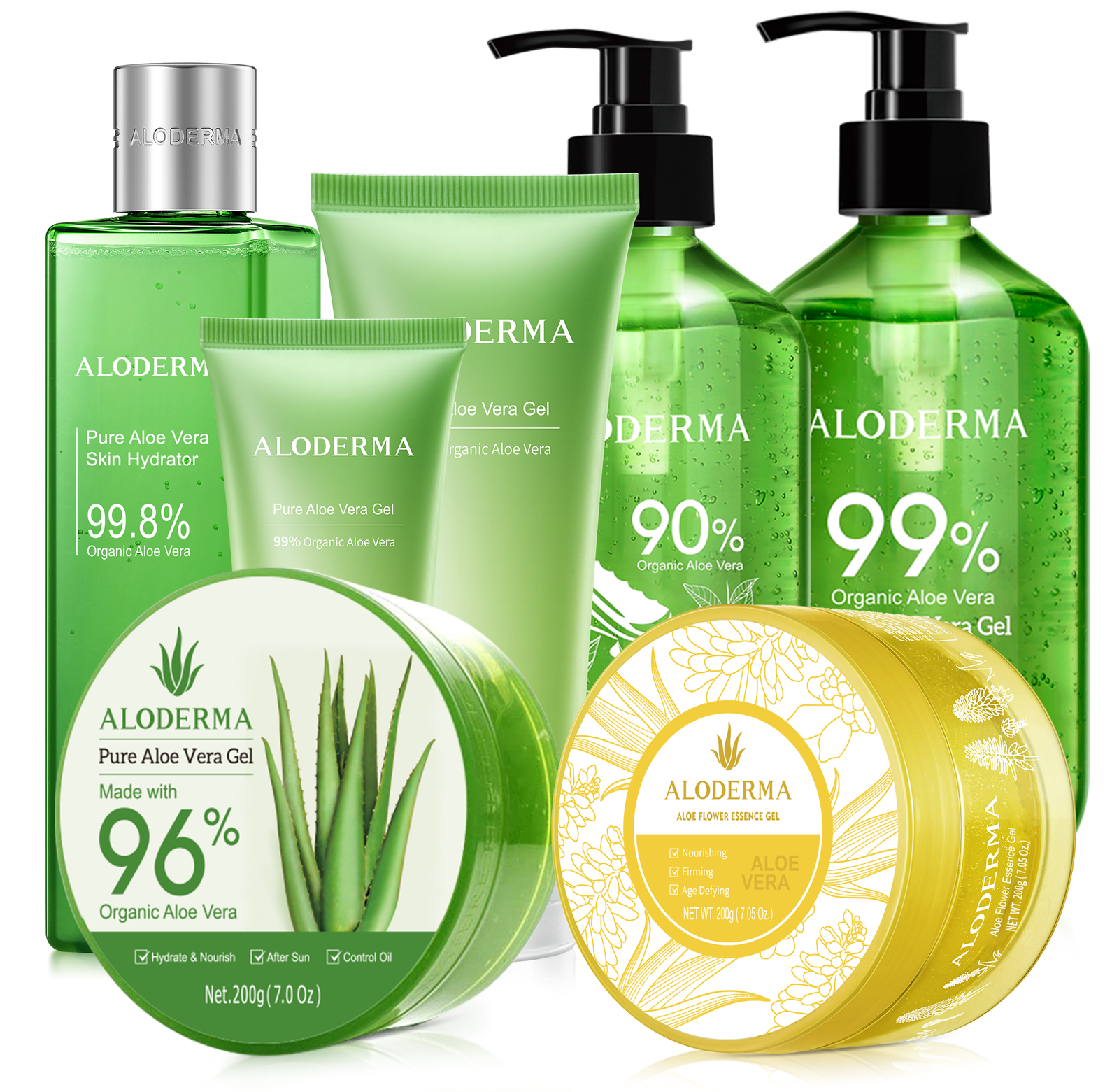
One example is ALODERMA Pure Aloe Vera Gel, a face-and-body product built around fresh organic aloe vera as the primary ingredient. For shoppers, that kind of formula makes the freshness concept easier to understand because the ingredient story is simple, direct, and visible on the label.
Here's a closer look at the fresh-aloe approach in action.
When a plant-based product feels clear, light, and straightforward, that's often a sign that the formula is letting the hero ingredient do real work.
Building Your Ideal Organic Body Care Routine
A good body routine doesn't need ten steps. It needs the right texture, a clear purpose, and ingredients you'll enjoy using every day.
Body care is also getting more specific. Trend analysis points to growing interest in holistic body skincare and targeted treatments for overlooked areas like underarms and hands, not just basic all-over lotion, as noted in Trend Hunter's look at underserved skincare areas. That lines up with what many readers already feel. Your hands may need something different from your shoulders. Your underarms may need lighter care than your calves.

For skin that gets overwhelmed easily
When skin feels reactive to heavy fragrance, dense texture, or too many actives, keep the routine short.
-
Step one, use a gentle body cleanser
Look for a wash that feels clean-rinsing rather than squeaky. The goal is comfort, not aggressive stripping. -
Step two, apply a simple aloe-forward hydrator while skin is still slightly damp
This helps body lotion spread more evenly and feel lighter. -
Step three, don't forget exposed areas
Hands, neck, and chest often show dryness first because they're washed and exposed more often.
A useful product category here is a soothing lotion with aloe vera high on the ingredient list. If you're choosing from aloe-based options, a lightweight lotion usually works better than a thick body butter when your skin dislikes heavy residue.
For oily or shine-prone body skin
Body oiliness often shows up on the chest, back, and shoulders. The fix usually isn't harsher cleansing. It's using products that rinse clean and hydrate without a waxy finish.
Try this rhythm:
-
Use a balanced cleanser once or twice daily as needed
Go for a formula that removes sweat and buildup without leaving the skin tight. -
Choose a gel or fluid moisturizer
Aloe-forward gels and lightweight emulsions can feel more comfortable than richer creams. -
Target only the areas that need more moisture
Your elbows may want a cream. Your shoulders may not.
For blemish-prone body areas
Body blemishes can make people overcorrect fast. They scrub too hard, use too many actives, or skip hydration entirely. That often makes the routine feel rougher than it needs to.
A calmer approach usually works better:
-
Cleanse after sweat or long days outdoors
Don't let body care become an occasional rescue habit. Consistency matters more than intensity. -
Use a lightweight hydrator
Skin still needs moisture, even when you're trying to avoid congestion. -
Treat body zones separately
The routine you use on your back may not be the one your hands or neck need.
For readers building that kind of plan, a practical guide to a body skin care routine can help you decide what belongs in a daily lineup versus an occasional one.
Don't ignore the small zones
Some of the most useful organic body care upgrades happen in places people overlook.
- Underarms often do better with lightweight, low-residue formulas.
- Hands need frequent reapplication because washing removes product fast.
- Neck and chest usually prefer steady hydration and a smooth, non-greasy finish.
- Elbows and knees may need a richer layer than the rest of the body.
The best routine usually feels boring in the best way. It's easy to repeat, easy to layer, and easy to trust.
Organic Body Care Myths and Smart Shopping
A lot of organic body care confusion comes from one belief. If it says organic, it must automatically be gentler, safer, and better for everyone.
That isn't how skin works.
Myth one, organic and natural mean the same thing
They don't. “Natural” is broad. “Certified organic” points to a defined standard. If there's no recognized seal or no explanation of what the claim means, treat the language as descriptive, not verified.
Dermatology commentary also notes that the FDA doesn't regulate the term “organic” for skincare, which is why third-party certification is so important for shoppers who want a real check on claims. You can read that discussion in the Journal of Drugs in Dermatology overview of clean, natural, and organic skincare terms.
Myth two, organic means no patch testing needed
Even beautifully sourced ingredients can still be a poor fit for some people. Essential oils, plant extracts, and even very simple formulas can be more or less comfortable depending on the person and the body area.
A patch test is still smart, especially for underarms, neck, or anywhere your skin tends to be more particular.
Myth three, the front label tells the whole story
It rarely does. The more useful clues are often quieter.
-
Check the certification first
A recognized seal gives the claim structure. -
Read the full ingredient list
If aloe vera or another hero ingredient is central to the product story, see where it appears. -
Look for process transparency
Brands that explain how ingredients are grown, harvested, and handled tend to give you more to work with than brands that rely on mood words. -
Match texture to body zone
Hands, underarms, chest, and legs don't always want the same formula.
Smart shopping starts when you stop asking which bottle sounds the cleanest and start asking which brand is willing to show its work.
If you want body care that centers freshness instead of vague green language, explore ALODERMA. The brand grows its own organic aloe vera, processes it onsite within 12 hours of harvest, and shares a wide range of aloe-first face and body products for shoppers who care about ingredient clarity, lightweight hydration, and farm-to-skin transparency.