







You've probably had this moment before. You step out of the shower expecting to feel fresh, but your skin feels tight, dry, or just slightly “off.” So you switch body washes, then another, then another, hoping the next bottle will finally feel gentle enough.
That cycle is frustrating because many products sound comforting on the front label while the ingredient list tells a different story. If your skin tends to react quickly, the difference between a calm shower and an uncomfortable one often comes down to a few ingredients, how they cleanse, and how well they support your skin's natural surface.
A good organic body wash for sensitive skin isn't only about removing what feels harsh. It's also about choosing formulas that help your skin hold onto moisture, stay comfortable, and recover from everyday stress like hot water, friction from towels, and weather changes. Freshness matters too. With aloe-based cleansers, how quickly the aloe is processed after harvest can affect how much of its soothing character remains in the final formula.
The Search for a Calmer Cleanse
Sensitive skin can make shopping for body wash feel oddly personal. You try something labeled “gentle,” use it for a few days, and then notice your legs feel dry, your arms feel uncomfortable, or your skin seems less settled than before. After a while, you stop trusting front-label promises and start wondering if body wash is supposed to feel this way.
It usually isn't. A landmark 2020 study found that 68% of adults with sensitive skin reported adverse reactions to conventional body washes containing synthetic fragrances, harsh sulfates like sodium lauryl sulfate, and artificial dyes (Journal of the American Academy of Dermatology summary). That number helps explain why so many people feel like they're “failing” products that were never a good match in the first place.
Why trial and error feels exhausting
A body wash touches a large surface area all at once. If the formula is too strong, your whole shower routine can feel uncomfortable, not just one small patch of skin. That's why switching products without understanding ingredients can feel like guessing in the dark.
A calmer routine usually starts when you stop asking, “Which bottle has the prettiest claims?” and start asking:
- What cleanses without stripping
- What helps hold moisture in
- What common triggers are missing
- Whether the botanical ingredients are there in a meaningful form
Sensitive skin often responds better to fewer surprises, fewer harsh cleansers, and more support for the skin's natural comfort.
There's good news in that. Once you know what your skin is reacting to, shopping gets much simpler. Labels become easier to read, and “organic” starts to mean more than a marketing mood.
Why Your Skin Feels So Reactive
Your skin barrier works a lot like a brick wall. The skin cells are the bricks. The lipids that hold them together are the mortar. When the wall is in good shape, it helps keep moisture in and keeps everyday irritants from getting too close.

The barrier problem in simple terms
When that “mortar” gets worn down, tiny gaps can form. Then two things happen at once. Moisture escapes more easily, and things from the outside can bother your skin more quickly.
That's why the same body wash that feels fine for one person can feel unpleasant for someone else. Sensitive skin isn't weak or difficult. It's just less tolerant when the protective surface is under stress.
Common everyday triggers include:
- Hot water because it can leave skin feeling stripped after a long shower
- Harsh soaps and strong surfactants because they can wash away more than dirt
- Scratchy fabrics because friction adds another layer of stress
- Over-washing because cleansing too often can leave skin less comfortable
Small habits that add up
Think about your usual shower. Maybe the water is hotter than it needs to be because it feels relaxing. Maybe you use a loofah that scrubs more aggressively than your skin likes. Maybe your body wash creates that “squeaky clean” feeling that seems satisfying in the moment but leaves your skin feeling parched later.
Those details matter. The same barrier principles also help explain why some people notice skin discomfort after time in warm, treated water. If you've ever wondered about that connection, this guide to understanding hot tub rash gives useful context on why heat, water exposure, and skin sensitivity can overlap.
Practical rule: If your skin feels tight right after cleansing, your wash may be cleaning too aggressively.
What your skin actually wants
Most sensitive skin does better with a cleanser that acts more like a respectful guest than a deep-cleaning crew. It should remove sweat, oil, and daily buildup without disturbing the surface that keeps your skin comfortable.
That's why “stronger” isn't better here. Gentle cleansing is often the faster route to skin that feels balanced day after day.
Soothing Ingredients to Welcome in Your Shower
You turn the bottle around in the shower and see a long ingredient list. For sensitive skin, that moment matters. A good body wash should read less like a strong degreaser and more like a short list of ingredients chosen to clean without stirring things up.
What helps most is often simple. Sensitive-skin body washes are commonly built around mild cleansing agents, fewer common triggers, and ingredients that help the skin hold on to comfort while you wash. The American Academy of Dermatology recommends fragrance-free products for people with sensitive skin because fragrance is a frequent source of irritation in skin care routines (AAD guidance on fragrance and skin irritation).
Aloe vera is more than a trendy label ingredient
Aloe can help a cleanser feel kinder on reactive skin because it brings water-rich plant compounds into a step that often leaves skin feeling depleted. Skin that reacts easily usually prefers cleansing that removes sweat and buildup without taking too much moisture with it. Aloe supports that gentler balance.
Freshness also matters more than many labels suggest.
Aloe is not a lab-made filler with the same profile every time. It is a harvested plant, and plants change with timing, handling, and processing. If aloe sits too long before it is stabilized, the final ingredient may not offer the same soothing feel as aloe processed quickly after harvest. That is where the farm-to-skin side of gentle cleansing becomes useful to understand. “Contains aloe” tells you one thing. How fast that aloe moved from field to formula tells you much more about why a body wash may feel calming in real use.
If you want a clearer explanation of how fresh processing affects sensitive skin care, Aloderma's guide to aloe vera for sensitive skin is a helpful companion read.
Other ingredients worth recognizing
A well-made body wash for sensitive skin often includes ingredients that buffer the cleansing step instead of making it feel harsher:
- Oat extract helps support a calm feel on easily irritated skin and is common in products made for dryness and reactivity.
- Shea butter adds a soft, cushioned feel that can make skin feel less tight after bathing. If you want to compare how this ingredient appears across body care, you can try using shea butter based products.
- Coconut-derived cleansers are often chosen because they can cleanse with a milder feel than stronger surfactants.
- Calendula or chamomile are often included for their gentle, comforting profile in rinse-off products.
A quick label-reading shortcut
A helpful label usually combines cleansing ingredients with a few “support crew” ingredients that reduce the dry, squeaky after-feel.
| What to look for | Why it helps |
|---|---|
| Aloe vera listed near the top | Brings water-rich plant support into the cleansing step |
| Oat, shea butter, or plant oils | Helps skin feel softer and less tight after rinsing |
| Fragrance-free wording | Lowers exposure to a common trigger for reactive skin |
| Shorter, easier-to-read formula | Makes it easier to spot whether the product matches your skin's needs |
A calm ingredient list often leads to a calmer shower experience.
Common Irritants to Avoid in Body Washes
Some ingredients deserve a hard pass if your skin reacts easily. This isn't about fear. It's about avoiding formulas that make the cleansing step more stressful than it needs to be.
The biggest red flag is often the cleanser itself. Effective organic formulations for sensitive skin demonstrably exclude anionic surfactants like sodium lauryl sulfate (SLS), which disrupt the stratum corneum lipid bilayer and increase transepidermal water loss by up to 40% in clinical trials. In plain language, that means they can pull apart part of the surface structure that helps your skin stay comfortable.

The red-flag list
A few ingredient categories show up repeatedly in body washes that feel too harsh:
-
SLS and SLES
These are strong cleansing agents. They create lots of lather, but that rich foam can come with a dry, stripped after-feel. -
Synthetic fragrance or parfum
Fragrance can make a product feel luxurious, but sensitive skin often prefers less sensory drama. -
Artificial dyes
They don't improve cleansing. They mostly make the product look a certain way. -
Parabens and phthalates
Many shoppers actively avoid these when building a lower-fuss body care routine. -
Drying alcohols
Some alcohols can leave the skin feeling less comfortable, especially with frequent use.
What “gentle” often doesn't mean
Many shoppers assume a creamy texture or a natural-looking bottle means the formula is mild. Not necessarily. A body wash can look soft and botanical while still relying on stronger surfactants or fragrance blends.
One practical habit can save you time: compare the first several ingredients, not just the claims on the front. If you want a clearer sense of what commonly gets filtered out of gentler formulas, Aloderma's article on ingredients to avoid in skincare is a handy reference.
If a body wash leaves you feeling “squeaky,” your skin may hear that as a warning, not a benefit.
A shelf-side decision trick
When you're standing in the store or browsing online, ask yourself one question: does this formula seem designed to cleanse comfortably, or to perform dramatically?
A dramatic cleanser often promises intense freshness, heavy fragrance, or lots of foam. A comfortable cleanser usually sounds quieter. That's often the better sign.
How to Choose a Certified Organic Body Wash
Choosing an organic body wash for sensitive skin gets easier when you break the decision into a few checkpoints. You don't need to memorize every ingredient. You need a simple filter that helps you spot a formula built for comfort.
Start with certifications, then go deeper
A certification can help separate an organic-leaning formula from one that only sounds natural. Certifications don't tell you everything, but they give you a useful first screen.
Look for body washes connected to recognized organic standards, then read beyond the badge. Check the cleansing agents, whether fragrance is present, and whether the formula relies on supportive botanicals rather than harsh fillers. If you want a clearer primer on what those labels mean, Aloderma's article on USDA organic beauty products is a practical place to start.
Fresh aloe changes the conversation
Many buying guides stop too early. They tell you to find aloe vera in the formula, but they don't ask where that aloe came from or how quickly it was processed.
That matters because aloe is a plant ingredient with a freshness story. An aloe-based cleanser isn't just a chemistry question. It's also an agriculture and manufacturing question. A formula may contain aloe, but that doesn't automatically tell you how carefully that aloe was handled before it reached the bottle.
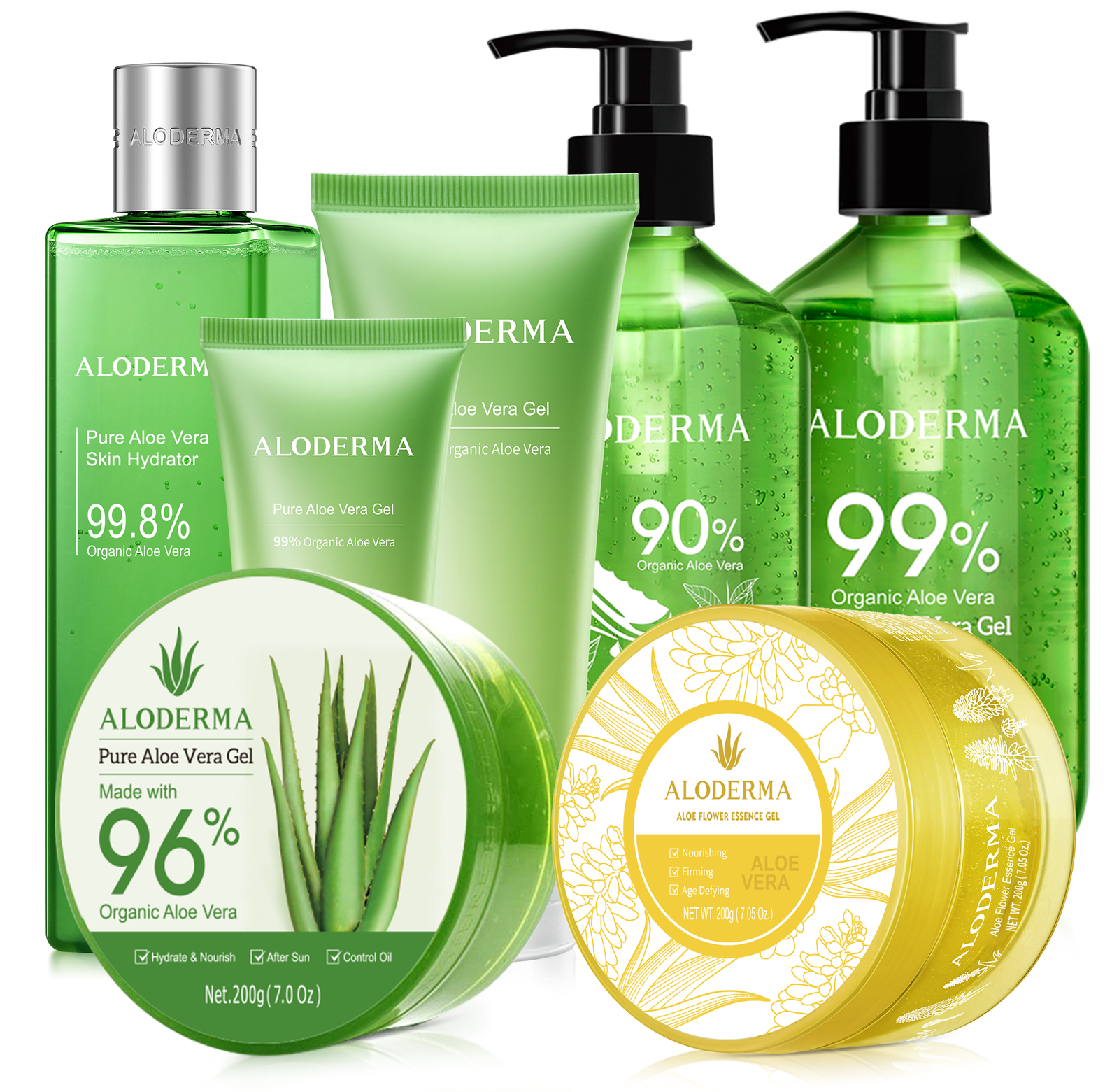
One option that fits this farm-to-skin model is Aloderma Aloe Nourishing Body Wash. Aloderma is a fully vertically integrated aloe vera company and grows all of our own organic aloe vera, and we process our aloe vera and manufacture onsite within 12 hours of harvest to ensure the primary ingredient found in every one of our products is the most bioactive and effective aloe vera possible. You can browse Aloderma body and shower products, then use the ingredient details available on product pages to verify what's in each formula.
Use this quick evaluation framework
When you compare products, run through these checks:
-
Certification check
Look for recognized organic standards rather than vague “green” wording. -
Cleanser check
Scan for gentler plant-derived surfactants instead of harsh sulfates. -
Fragrance check
If your skin is easily unsettled, fragrance-free is often the safer path. -
Botanical quality check
Don't just ask whether aloe is included. Ask how fresh and traceable it is. -
Transparency check
A trustworthy brand makes ingredient lists and sourcing details easy to find.
Here's a helpful way to consider this:
| Question | What a stronger option often shows |
|---|---|
| Is it certified? | Clear organic certification language |
| Is it transparent? | Ingredient list is easy to find and understand |
| Is it gentle? | No obvious reliance on harsh sulfates |
| Is the aloe traceable? | Clear sourcing and processing information |
A short product video can also help if you want to see the brand's approach more directly.
A gentle cleanser should earn your trust with clarity. Not just with pretty packaging.
Putting Your New Body Wash to the Test
Even a well-formulated body wash deserves a cautious introduction. Patch testing sounds formal, but it's really just a quiet conversation with your skin before you commit to full-body use.
A simple patch test routine
Use a small amount of the new body wash on a discreet area, such as the inner arm. Rinse it off the way you normally would in the shower, then wait and notice how that area feels over the next day or two.
Keep the rest of your routine simple during that window. That way, if your skin feels especially comfortable or less comfortable than usual, you'll have a clearer idea why.
What to watch for
You're looking for comfort, not perfection. Good signs include skin that feels normal, soft, and calm after cleansing. Less helpful signs include unusual tightness, stinging, or a lingering feeling that your skin has been over-washed.
A few use habits can make a gentle body wash work even better:
- Choose lukewarm water because very hot water can make cleansing feel harsher.
- Use your hands or a soft cloth instead of aggressive scrubbing tools.
- Pat dry instead of rubbing briskly with a towel.
- Apply moisturizer soon after showering to help seal in comfort.
Give your skin a fair trial
Sometimes people reject a good product because the rest of the routine is still rough on the skin. If your water is very hot and your towel is abrasive, even a mild cleanser may not get a fair chance.
That's why it helps to test the whole experience, not just the bottle.
Frequently Asked Questions About Gentle Cleansing
A lot of sensitive-skin questions come up after the shower, not during it. Your skin may feel clean at first, then tight, warm, itchy, or strangely restless 20 minutes later. That delayed reaction can make labels hard to interpret, so it helps to break a few common questions into plain language.
Is fragrance-free the same as unscented
They are not the same. Fragrance-free usually means no fragrance materials were added to create a scent. Unscented may still include ingredients that cover up a formula's natural smell.
For reactive skin, that difference matters. If your skin behaves like a smoke alarm that goes off easily, fewer scent-related ingredients usually gives it less to react to.
Can I use body wash on my face
Facial skin usually does better with its own cleanser. The skin on your face tends to be thinner, more exposed, and quicker to show irritation.
A body wash may still be mild by body-care standards, but your face can read it differently. It is similar to using the same soap on a wool sweater and a cotton towel. One surface can handle more friction than the other.
What makes an organic body wash “organic”
The word organic can refer to both ingredients and certification, and those are not always the same thing. Some body washes contain organic plant ingredients but are not certified. Others meet a formal standard and carry a seal from a certification body such as USDA Organic, ECOCERT, or COSMOS, each with its own rules for ingredient sourcing, processing, and labeling. You can review one example in the USDA organic labeling guidance.
For sensitive skin, certification is helpful because it gives you a clearer paper trail. It does not guarantee that every formula will feel calm on your skin, but it does tell you more about how the ingredients were grown and handled. That matters in a farm-to-skin product. Aloe vera, for example, is most soothing when it is processed quickly after harvest, because freshness affects the quality of the final juice, not just the fact that aloe appears on the label.
How long does it take to notice a difference
Some people notice the change after one or two showers. The skin feels less squeaky, less tight, and easier to moisturize. For others, the shift is quieter.
If your old cleanser kept chipping away at your skin barrier, your skin may need a little time to settle. The barrier works like a brick wall. Skin cells are the bricks, and the lipids between them act like mortar. A gentler wash helps you stop scrubbing away that mortar every day, so the wall can hold water better and let in fewer irritants.
Does more foam mean better cleansing
Foam tells you more about the experience than the cleaning power. Rich lather can feel satisfying, but it is not proof that a cleanser is kinder or more effective.
Sensitive skin often prefers a body wash that rinses clean without a dramatic cloud of bubbles. A quieter cleanser can still remove sweat, sunscreen, and daily grime just fine.
What's the simplest shopping rule to remember
Choose the shortest path to calm skin. Look for a gentle cleanser, a short and readable ingredient list, and clear information about sourcing or certification.
If the formula includes aloe, pay attention to where it comes from and how it is processed, not just whether it is present. Freshly handled botanical ingredients usually make more sense for sensitive skin than a label filled with vague plant claims. If you're ready for a simpler shower routine, explore ALODERMA. You can search ingredients, certifications, and product details directly on the site, which makes it easier to choose a body wash that matches your comfort level and preference for fresh, organic aloe vera.