







By 10 a.m., your makeup still looks polished. By lunch, your forehead is shiny, your nose has started to break apart around foundation, and your cheeks somehow feel tight at the same time. That split personality is what makes combination skin so frustrating. One area wants oil control. Another wants water-rich hydration. If your primer only does one of those jobs, your face lets you know fast.
That’s why finding the right primer for combination skin isn’t about chasing the most mattifying formula on the shelf. It’s about balance. For many people, the better answer is a lightweight, breathable base that helps the T-zone stay under control while keeping the cheeks comfortable, smooth, and makeup-ready. Fresh aloe vera fits that need especially well because it hydrates without the heavy feel that can make an already oily area look slick.
The Ultimate Primer Guide for Combination Skin
If you’ve ever checked the mirror halfway through the day and thought, “Why is my forehead glossy while my cheeks look dull?” you’re in familiar territory. Combination skin, with an oily T-zone and drier cheeks, is widely reported. Estimates suggest up to 70% of people identify with this skin type, and that demand has shaped primer innovation from early silicone-based formulas to newer options built for more targeted balance, according to Cosmetify’s overview of combination skin primers.
That broad category matters because it explains why so much standard makeup advice falls flat. A primer that feels perfect on oily skin can cling to dry patches. A rich, glow-focused primer can leave the center of the face looking greasy before noon. Combination skin asks for a more thoughtful approach.
Practical rule: If one product solves shine by making your cheeks feel tight, it isn’t balanced enough for combination skin.
A good primer helps in three ways. It creates a smoother surface, helps makeup grip more evenly, and buffers the difference between oily and dry zones so your base doesn’t slide in one area and cake in another. In plain language, it helps your face behave more like one canvas instead of two competing ones.
That’s also where natural formulas deserve more attention. Many people with combination skin are also trying to avoid products that feel heavy, overly synthetic, or irritating on sensitive spots. Fresh aloe vera brings a useful middle ground. It gives skin light hydration and comfort without the greasy after-feel that can make primer seem like too much.
What Makes Combination Skin Unique
Think of your face as a map with two weather systems. Your forehead, nose, and chin act like a humid zone. Your cheeks often behave more like a dry, breezy zone. When you know that, your skin starts making a lot more sense.
Why one face can act two different ways
The T-zone usually produces more oil because that area has more active oil glands. Cheeks often produce less, so they can feel tight, rough, or uneven even when the center of your face looks shiny. Genetics, hormones, weather, and the products you use all play a role in how strong that contrast feels.
A common mistake is treating the whole face like it’s oily. That often leads to harsh cleansing, skipping hydration, or using products that are too drying across the board. The result is familiar. Your forehead still gets shiny, but your cheeks start looking stressed and makeup catches on texture.
If your skin sounds like that, your prep step matters just as much as your primer. Starting with a gentle cleanser can keep your face from being stripped before makeup even begins. If you need help with that first step, this guide on choosing a face wash for combination skin is a useful place to start.
What combination skin usually needs
Instead of forcing your whole face into one category, think in zones:
- T-zone needs restraint: You want light oil control and a smoother surface so makeup doesn’t separate.
- Cheeks need cushion: They usually respond better to water-based hydration than heavy occlusive layers.
- The full face needs compatibility: Products have to work together so they don’t pill, roll, or bunch.
Your skin isn’t being difficult. It’s asking for different care in different places.
That’s why a single heavy cream under makeup can feel wrong, and so can an aggressive mattifier. Combination skin does best when products are layered with a light hand and chosen for flexibility. Primers matter because they sit right at the point where skincare meets makeup. If they’re too dry, you’ll see texture. If they’re too slick, you’ll lose wear time in the center of the face.
Decoding Primer Ingredients for Balance
Primer labels can be confusing because they promise everything at once. Blur pores. Extend wear. Control oil. Add glow. For combination skin, the ingredient list is what counts. The most useful formulas usually feel light, breathable, and easy to spread rather than thick or waxy.

Ingredients that help the T-zone without punishing the cheeks
For the oily part of your face, you want ingredients that absorb or reduce excess shine without making skin feel stripped. Texture matters too. According to NYX’s primer guide, the best primers for combination skin often come in a lightweight gel or jelly texture. The same guide notes that mattifying ingredients such as pomegranate can curb sebum production by up to 25% over four weeks, while gripping primers can reduce makeup transfer by up to 85%.
That doesn’t mean every combination-skin routine needs a strong gripping primer. It means the formula should match your habits. If your makeup tends to slide off your nose, grip helps. If your cheeks get flaky under foundation, hydration matters more.
Helpful categories include:
- Oil-managing powders: Silica and similar ingredients can help take down surface shine.
- Light hydrators: Hyaluronic acid and glycerin can add water without making skin feel coated.
- Balancing botanicals: Aloe vera is especially useful because it gives a fresh, light layer of hydration.
If you want a deeper ingredient breakdown, this article on silica silylate and shine-free skin explains why that type of powder shows up so often in primers for oily and combination skin.
Ingredients that often create problems
Some primers feel silky at first and then turn into trouble later. Combination skin usually notices that in two ways. The T-zone gets slicker over time, or the cheeks start looking textured once foundation goes on top.
Watch for formulas that may be less comfortable for your skin if they feel too heavy or too drying:
| Ingredient type | Why it can be tricky on combination skin |
|---|---|
| Heavy silicones | Can feel too occlusive on oily areas |
| Mineral oil | May feel greasy under makeup for some people |
| Alcohol denat. | Can leave skin feeling dry, which may make balance harder |
A simple test helps. Put primer only on one side of your face for a few mornings. If that side looks smoother at noon without feeling tighter or slicker, you’ve probably found a formula worth keeping.
Why Fresh Aloe Vera is Your Skin's Best Friend
Natural primers for combination skin are harder to find than they should be. Mainstream recommendations still lean heavily on synthetic textures, silicone blur effects, and standard mattifiers. Yet there’s a clear appetite for something gentler. The market for natural and organic options is notably underserved. About 68% of ingredient-conscious shoppers are seeking plant-powered formulas, while organic options make up less than 5% of top-selling primers at major retailers, according to Bluemercury market gap findings referenced here.
Why aloe suits combination skin so well
Fresh aloe vera works beautifully for this skin type because it behaves like a light drink of water, not like a heavy coating. Dry cheeks can feel more supple, while oily areas don’t get that slippery, overloaded feeling that richer bases sometimes create. Under makeup, that matters. You want your skin to feel comfortable before primer goes on, not sticky or congested.
Aloe is also a smart choice when your skin is sensitive, blemish-prone, or easily thrown off by aggressive products. Combination skin often overlaps with those concerns. A gentle, plant-based base can help keep the whole face calmer and more even-looking.
Why freshness matters
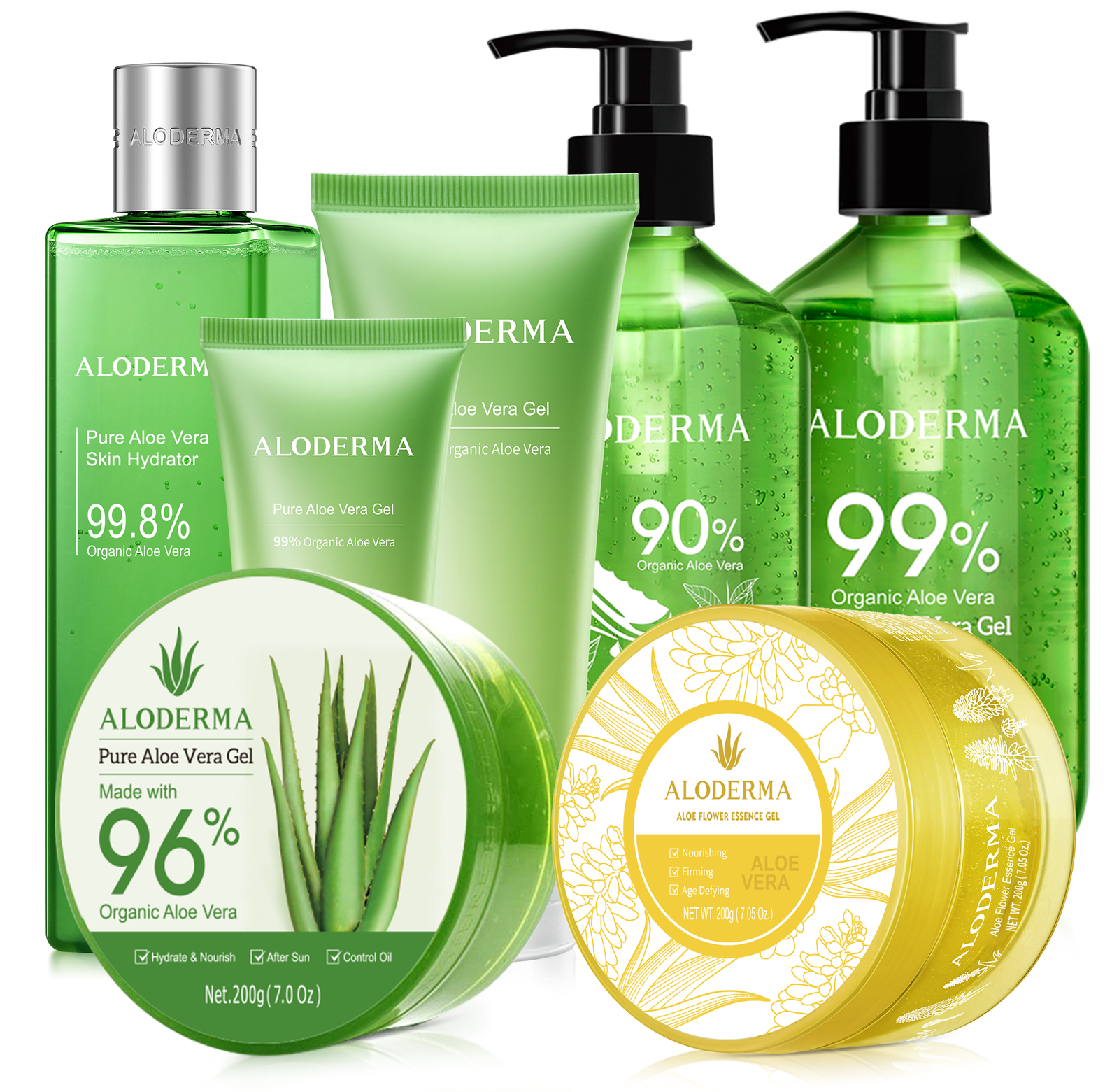
Not all aloe formulas are the same. ALODERMA is a fully vertically integrated aloe vera company. It grows its own organic aloe vera, processes the aloe, and manufactures onsite within 12 hours of harvest so the primary ingredient used across the line remains as bioactive and effective as possible. That farm-to-skin model matters because aloe is the star, not just a marketing extra.
If you’re curious about how aloe supports skin in daily routines, this guide on how to use aloe vera for skin offers practical context.
Fresh aloe fits the middle ground combination skin keeps asking for. It hydrates without heaviness and supports comfort without making the T-zone feel coated.
That’s also why aloe pairs well with primers. It doesn’t compete with them. It creates a smoother, more flexible base so your primer can focus on refining texture and helping makeup last, instead of trying to compensate for skin that feels dry in some spots and overloaded in others.
How to Apply Primer for All-Day Wear
Application changes everything with combination skin. If your makeup looks smooth on your cheeks by breakfast but starts separating around your nose by lunch, the issue is often placement, not primer itself. Combination skin behaves differently across the face, so primer should be used with that pattern in mind.
Use the zoning method
Treat your face in sections, the same way you would water a garden with sunny spots and shady spots. The oilier center usually needs more grip and shine control. The drier outer areas usually need a lighter touch so makeup does not catch on texture.
Start after skincare has fully absorbed. Skin should feel comfortable and settled, not wet or slippery. That is especially helpful if you use fresh aloe based products, because aloe gives light hydration without leaving a heavy coat that interferes with primer.
- Start in the T-zone. Press a small amount onto the forehead, around the nose, the nose tip, and chin.
- Use the leftovers on the cheeks. In many cases, the small amount left on your fingertips is enough.
- Pat instead of rubbing. Pressing keeps your skincare layer more even underneath.
- Pause before foundation. Give primer a minute to set so it can form a smoother surface.
If your cheeks get tight or flaky, let your aloe serum or moisturizer do more of the work there and keep primer very thin. If makeup disappears first around the nose, press primer into that area a little more carefully. The goal is balance, not equal coverage everywhere.
A few mistakes that cause pilling
Pilling usually comes from friction or excess. Too much product, layers that have not dried down, or formulas that are too heavy together can create those little rolls on the skin.
Here’s a quick reference:
| Do | Don't |
|---|---|
| Apply a thin layer to the T-zone first | Spread a thick coat over the whole face |
| Let skincare settle before primer | Layer primer onto damp, unsettled products |
| Press product in with fingertips | Rub aggressively back and forth |
| Use less on dry cheeks | Assume more product means longer wear |
| Pair with lightweight base makeup | Stack multiple heavy base products |
A short demo can help if you’re more visual:
Matching technique to natural formulas
Natural primers often feel different from silicone-heavy ones. Instead of sitting on top like a slick film, they can feel lighter and settle faster. That lighter feel is useful for combination skin, especially when your cheeks dislike weight but your T-zone still needs help holding makeup in place.
Fresh aloe plays a helpful supporting role here. It works like a cushion under makeup, adding water-based hydration so skin feels calmer and more even before primer goes on. That can mean less temptation to pile on extra product just to fix one dry patch or one shiny area.
Makeup artist habit worth borrowing: Apply primer where makeup fails first, not where habit tells you to put it.
ALODERMA Step 1 Primer Shine Control is one aloe-based option designed for normal, oily, and combination skin. If you use a product like that, keep the application focused through the center of the face and let the drier outer areas rely more on your skincare.
Your Complete ALODERMA Skincare Routine
Primer performs better when the skin underneath it is balanced. For combination skin, that means your morning routine should cleanse gently, add light hydration, and avoid leaving a heavy film behind. An aloe-centered routine does that well because it supports comfort without making the T-zone feel loaded up.
A simple morning sequence
Start with Aloe Soothing & Moisturizing Cleanser to remove overnight oil and residue without that squeaky, over-cleansed feeling. Follow with Aloe Vera Toner for a fresh layer of hydration that helps skin feel more even before serum.
Then use Aloe Hydrating Serum. This step is especially helpful if your cheeks tend to feel tight under foundation. Keep it light and let it absorb fully before moving on.
Finish with Aloe Nourishing Cream, but be strategic. If your cheeks are the dry zone, concentrate the cream there and use much less on the center of the face. That creates a better canvas for primer than coating every area the same way.
Why this routine works under makeup
Each step adds comfort without pushing your skin toward either extreme. You’re not trying to make the whole face matte. You’re trying to make it stable. When your skin feels even before primer, your makeup usually looks more even too.
That’s the sweet spot for combination skin. Fresh, lightweight aloe care underneath. A focused primer layer where you need it. Less product fighting with itself throughout the day.
Common Primer Questions for Combination Skin
Why does my primer pill
Too much product is the usual culprit. The second most common issue is layering too quickly. Let skincare settle, use less primer than you think you need, and press it on rather than rubbing. If the cheeks pill but the T-zone doesn’t, you may be applying too much to the dry areas.
Why does my makeup still separate on my nose
That usually points to one of two things. Either the nose needs a more targeted primer application, or the skincare underneath is too rich for that area. Keep the center of the face lighter and let primer set before foundation.
Can I use different prep on different parts of my face
Yes, and combination skin often looks better when you do. A hydrating serum or cream can stay more focused on the cheeks, while the forehead and nose get a lighter hand. That isn’t overcomplicating your routine. It’s responding to what your skin is doing.
Is aloe enough under primer
For many people, yes, especially if the aloe product is lightweight and water-based. If your cheeks still feel dry, add a small amount of cream there. The goal is comfort, not heaviness.
Listen to where your makeup breaks first. That spot usually tells you whether you need more hydration, less product, or a better primer placement strategy.
When in doubt, simplify. Fewer layers, lighter application, and a fresh aloe-based prep routine usually solve more primer problems than adding yet another product.
If you want a cleaner, more comfortable approach to makeup prep, explore ALODERMA. Its farm-to-skin aloe vera formulas are designed for everyday hydration and balance, which makes them a smart fit for combination skin that needs light support rather than heavy coverage.