



You read about pure neem oil late at night, probably after one too many searches for stubborn breakouts, an itchy-looking scalp, or skin that feels oily and reactive at the same time. One article calls it a miracle. Another warns that it smells strong and can be too much for sensitive skin. That mix of hope and hesitation is normal.
Pure neem oil is powerful, but it is not mysterious. It is a botanical oil from the neem tree, and it has a long track record in traditional skin and hair care. The confusion usually starts when people treat it like a basic face oil and use far too much, far too fast.
That is where balance matters.
Many individuals find that the best way to approach pure neem oil is not to use it alone. It is to pair its clarifying, cleansing properties with a gentle, hydrating base. Fresh aloe vera is one of the most helpful partners because it cushions the intensity of neem oil while helping skin feel calm, comfortable, and hydrated.
If you have sensitive, blemish-prone, or combination skin, that pairing matters even more. You do not need a harsh routine. You need one that respects your skin barrier while still addressing the issues that sent you searching in the first place.
Your Introduction to Pure Neem Oil
A lot of people first hear about pure neem oil from a friend, a natural beauty forum, or a hair care thread. The recommendation often sounds simple. “Use neem oil.” It is less simple than that. You immediately wonder what it is, whether it is safe, and why so many people praise it while others say it was too strong.
That tension usually comes from how it is used, not just what it is.
Why people get interested in neem oil
Most readers come to pure neem oil for one of three reasons:
- Blemish-prone skin: They want something plant-based that helps skin look clearer without making it feel stripped.
- An uncomfortable scalp: They are trying to support a cleaner, more balanced scalp routine.
- Ingredient fatigue: They are tired of long labels, heavy formulas, and products that feel aggressive.
Pure neem oil can fit those goals. It has a distinctive scent, a rich texture, and a strong reputation because it is packed with active plant compounds. That sounds appealing, but it also means it deserves respect.
The gentler way to use a potent oil
A good comparison is concentrated tea. Brewed correctly, it is useful and enjoyable. Too strong, and it becomes hard to tolerate. Pure neem oil works in a similar way.
Tip: If you are curious about neem oil but nervous about irritation, do not start with a full-face application. Start with a diluted blend in a soothing base.
Fresh aloe vera makes that first step much easier. It adds water-based hydration, helps spread a small amount of oil more evenly, and gives skin a softer landing. For readers who have tried strong spot products and regretted it, that combination can feel much more manageable.
Uncovering the Ancient Roots of Neem Oil
Pure neem oil comes from the seeds of the neem tree, Azadirachta indica. This tree has deep roots in the Indian subcontinent, where neem has been valued for personal care and wellness for thousands of years.
A documented history of neem use spans over 4,500 years, with early evidence from the Indus Valley Civilization around 2500 BCE at Harappa and Mohenjo-Daro, as described in this historical review of neem in traditional medicine. That kind of longevity matters. It tells you neem is not a passing trend ingredient.
Why that history still matters
Ancient use does not automatically prove every modern claim. But it does tell us something useful. People kept returning to neem because it served practical needs.
Historical records describe neem as part of daily care routines, not just occasional treatments. Women used it to support hair health and help prevent graying, and leaf powders were used in face packs for their soothing effects. That makes modern interest in neem oil easier to understand. People are not forcing an old ingredient into beauty routines. They are continuing a very old relationship with it.
What readers often misunderstand
Some people assume “traditional” means weak. Others assume it means perfectly safe in any amount. Neither is true.
Pure neem oil is traditional and potent at the same time. That is part of its appeal.
- It is botanical, not basic: Plant-derived ingredients can be highly active.
- It is familiar, not new: Neem has been part of skin and hair traditions for centuries.
- It is useful, but not foolproof: A strong ingredient still needs thoughtful use.
Neem’s long history also explains why people often turn to it when they want a more grounded routine. There is comfort in using an ingredient that has stayed relevant across generations.
Key takeaway: Neem oil earns trust partly because it has been used for skin and hair care over an unusually long stretch of human history.
That ancient credibility is a good reason to learn more. It is not a reason to skip the basics of quality, dilution, and skin compatibility.
From Seed to Bottle How Pure Neem Oil Is Made
The label matters with pure neem oil because the way it is made affects what ends up in the bottle. If you have seen the phrase cold-pressed, that is not just marketing language. It points to a specific extraction method.
Pure, cold-pressed neem oil is extracted mechanically at temperatures below 120°F without heat or chemicals, which helps preserve over 100 active compounds, including azadirachtin, according to this overview of cold-pressed neem oil and how it is made.
Like cold-pressed juice
When fruit juice is heavily processed, it can lose some of what made it attractive in the first place. Cold-pressing tries to protect more of the original character. Neem oil works the same way.
Lower-temperature mechanical extraction helps retain the oil’s natural profile, including fatty acids such as oleic, palmitic, stearic, and linoleic acids. Those are part of why pure neem oil can feel rich but still usable in lightweight formulas.

What happens during production
Here is the process in plain language:
- Seeds are collected: Mature neem fruits are harvested and the seeds are separated.
- The seeds are prepared: Drying and cleaning help get them ready for extraction.
- The oil is pressed mechanically: No chemical solvents are needed in a cold-pressed method.
- The oil is filtered: This removes unwanted particles while keeping the oil unrefined.
- The oil is bottled carefully: Proper packaging helps protect quality.
Why this matters for your skin and hair
The production method influences how the oil behaves in a formula or DIY blend.
- More of the plant profile stays intact: That matters if you want the benefits associated with neem’s naturally occurring compounds.
- The scent stays strong: High-quality pure neem oil usually has a pungent, garlic-like smell. That is often a sign that the oil has not been stripped down.
- The texture stays characteristic: It can feel thick, and in cool temperatures it may become more solid.
If a bottle of neem oil seems oddly odorless or overly refined, some readers find it less reassuring than a more natural-smelling version. With neem, “pleasant” is not always the same as “authentic.”
A practical example helps here. If you are adding a tiny amount of pure neem oil to a gel, cleanser, or scalp treatment, you want a form of the oil that still carries the compounds people seek out. Cold-pressed oil is usually the place to start.
Benefits of Neem Oil for Your Skin and Hair
The main reason people keep coming back to pure neem oil is simple. It speaks to common frustrations. Skin that looks congested. A scalp that never feels fully fresh. A routine that seems either too weak or too harsh.
One of neem oil’s most useful features is its germicidal and antibacterial activity. Its limonoids and fatty acids have been shown to inhibit microbes such as Propionibacterium acnes, which helps explain why many people use it in blemish-focused routines, as outlined in this technical sheet on neem oil properties.
For blemish-prone skin
Pure neem oil is often appealing to people whose skin feels oily but also fragile. They want support for breakouts, but they do not want the tight, over-cleansed feeling that can come from harsher products.
Neem oil may help because it brings together two things people rarely find in one ingredient:
- A clarifying effect: Useful when skin looks congested or uneven.
- An emollient feel: Helpful when skin still needs softness and comfort.
That combination is why neem oil tends to work best in balanced formulas rather than stripped-down acne products.
If you are trying to understand where aloe fits in, this guide to what aloe vera is good for is a useful companion read because hydration often changes how active ingredients feel on the skin.
For skin that feels reactive
Some readers are not dealing with frequent blemishes. They are dealing with skin that seems to dislike almost everything. For them, pure neem oil is less about using “more” and more about using a very small amount in the right context.
That context matters. A diluted application can help support a cleaner-looking complexion without turning your routine into a stress test for sensitive skin.
Tip: If your skin reacts to too many strong products, think of neem oil as a booster, not a standalone fix.
For scalp and hair care
Neem’s reputation in hair care is longstanding for a reason. Many people use it to help create a scalp environment that feels cleaner and more comfortable.
A few practical ways readers describe using it:
- In a pre-wash scalp blend: A small amount mixed into a gentler base before shampooing.
- In a hair oil treatment: Added sparingly to support the look of the scalp and lengths.
- In rinse-off care: Combined with other conditioning ingredients rather than left heavy on the scalp.
Hair itself can also benefit from the oil’s fatty acid content, which can add softness and light sheen when used carefully. The caution is the same as with skin. Too much can feel heavy. A little goes much further than most beginners expect.
Why clean beauty users like it
Neem oil appeals to ingredient-conscious shoppers because it offers a plant-based option with a strong identity. It is not pretending to be scentless, invisible, or interchangeable. It has a character of its own.
That is exactly why pairing matters. When you match pure neem oil with a soothing, hydrating partner, you keep the strengths while making the experience more skin-friendly.
Using Pure Neem Oil Safely and Smartly
This is the part many articles rush past, and it is the part that most affects your experience.
Do not apply undiluted pure neem oil all over your face. It can be too strong, especially for sensitive skin. A 2025 review in Dermatitis analyzed contact dermatitis cases and found a significant portion were linked to undiluted neem oil, and the same source notes that diluting neem oil to a low concentration in a carrier like aloe vera gel helps reduce that risk. It also notes that searches for “neem oil broke me out” rose 40% in Q1 2026, which shows how often people use it without enough guidance, according to this consumer-facing summary on pure neem oil use and caution.
Start with a patch test
Patch testing is not optional with a potent oil.
- Mix a small diluted amount of neem oil in your chosen carrier.
- Apply it to a discreet area, such as the inner arm or below the jawline.
- Leave it alone and watch for signs of discomfort.
- If your skin stays comfortable, move to limited use on a small target area first.
If your skin is already irritated from exfoliants, retinoids, or over-cleansing, wait before patch testing. Compromised skin gives confusing feedback.
Simple Neem Oil Dilution Guide
| Desired Concentration | Neem Oil | Carrier (e.g., Aloderma Pure Aloe Vera Gel) | Common Use |
|---|---|---|---|
| 1% | 1 drop | 99 drops carrier | First patch test or very sensitive skin |
| 2% | 2 drops | 98 drops carrier | Light facial use in a gel base |
| 3% | 3 drops | 97 drops carrier | Occasional spot-focused use |
| 5% | 5 drops | 95 drops carrier | Short-contact scalp or targeted rinse-off use |
What “too much” usually looks like
People often assume neem oil is not working when overuse is the problem. Common mistakes include:
- Applying it neat: This is the fastest way to overwhelm sensitive skin.
- Using it every night immediately: Potent oils usually need a slower introduction.
- Mixing it with too many actives: A crowded routine makes reactions harder to interpret.
Key takeaway: With pure neem oil, success usually comes from restraint. Lower concentration, fewer applications, and a soothing carrier often work better than aggressive use.
If you are acne-prone, do not assume every reaction is “purging.” Sometimes skin is telling you the formula is too strong or too oily for how you applied it.
Pairing Neem Oil with Fresh Aloe Vera
Pure neem oil and fresh aloe vera solve different problems. Neem is potent and clarifying. Aloe is soothing and hydrating. Put them together thoughtfully, and you get a routine that feels much more balanced than neem oil on its own.
That pairing makes the most sense for readers who want support for visible blemishes or scalp buildup but do not want their routine to feel punishing. Aloe gives slip, water-based comfort, and a lighter feel. Neem contributes its more assertive cleansing and balancing qualities.
Why aloe is such a good partner
Aloe vera changes the user experience in three important ways:
- It softens intensity: Neem spreads more evenly when mixed into a gel base.
- It helps with feel: The result is often less heavy than using oil alone.
- It supports a simpler routine: You can combine potency and comfort in one step.
If you want a deeper look at aloe’s role in facial care, this article on fresh aloe vera for face is a helpful read.
Easy ways to combine them
You do not need a complicated recipe.
For a calming blemish gel
Mix a very small amount of pure neem oil into fresh aloe vera gel. Apply to a limited area after cleansing. This works well for people who want a lighter texture than a straight oil blend.
For a short-contact scalp treatment
Blend diluted neem oil into aloe gel, smooth it onto the scalp before washing, then rinse with a gentle cleanser or shampoo. This can feel more manageable than coating the scalp in oil.
For targeted evening use
Instead of spreading neem oil across the whole face, use an aloe-based mix only where skin looks congested.
A short visual guide can help if you are new to aloe-centered routines:
Why freshness matters in aloe vera
Not all aloe feels the same on skin. Freshness and processing can affect texture, comfort, and the overall experience of a formula. That is one reason aloe-centered brands often focus on how quickly aloe is handled after harvest.
For readers with sensitive or blemish-prone skin, this matters because a fresh-feeling aloe base can make potent ingredients easier to work with. Neem does not need to do all the work by itself. In a balanced routine, it should not.
Tip: If neem oil feels intimidating, do not force a pure-oil routine. Start with an aloe-based blend that feels easy to tolerate and simple to repeat.
Choosing and Storing High-Quality Neem Oil
Shopping for pure neem oil can feel confusing because many labels sound almost identical. The easiest way to simplify the decision is to focus on quality signals that tell you whether the oil is likely to be potent and minimally processed.
One of the biggest signals is azadirachtin content. Its level can vary from 0.2% to 4.5% in cold-pressed oils, and many cosmetic-grade neem oils do not disclose it. Looking for a supplier that offers a certificate of analysis or specifies high-azadirachtin is a practical way to shop more carefully, based on this guidance on neem oil potency and label transparency.
What to look for on the label
- Cold-pressed and unrefined: These terms usually align with a more intact oil.
- Strong natural scent: Pure neem oil often smells pungent. That is normal.
- Clear sourcing information: Vague labels make it harder to judge quality.
- Proof of testing: A certificate of analysis is a strong sign of transparency.
If you care about ingredient standards more broadly, this perspective on clean beauty brands can help you think more critically about transparency, sourcing, and formulation.
Storage basics
Store pure neem oil in a cool, dark place and keep the cap tightly closed. If it thickens in cooler temperatures, that does not automatically mean it has gone bad. Let it warm gently to room temperature before use.
Neem oil is the kind of ingredient that rewards careful buying and careful handling. A better bottle, used in smaller amounts, usually gives a better experience than a large bottle chosen on price alone.
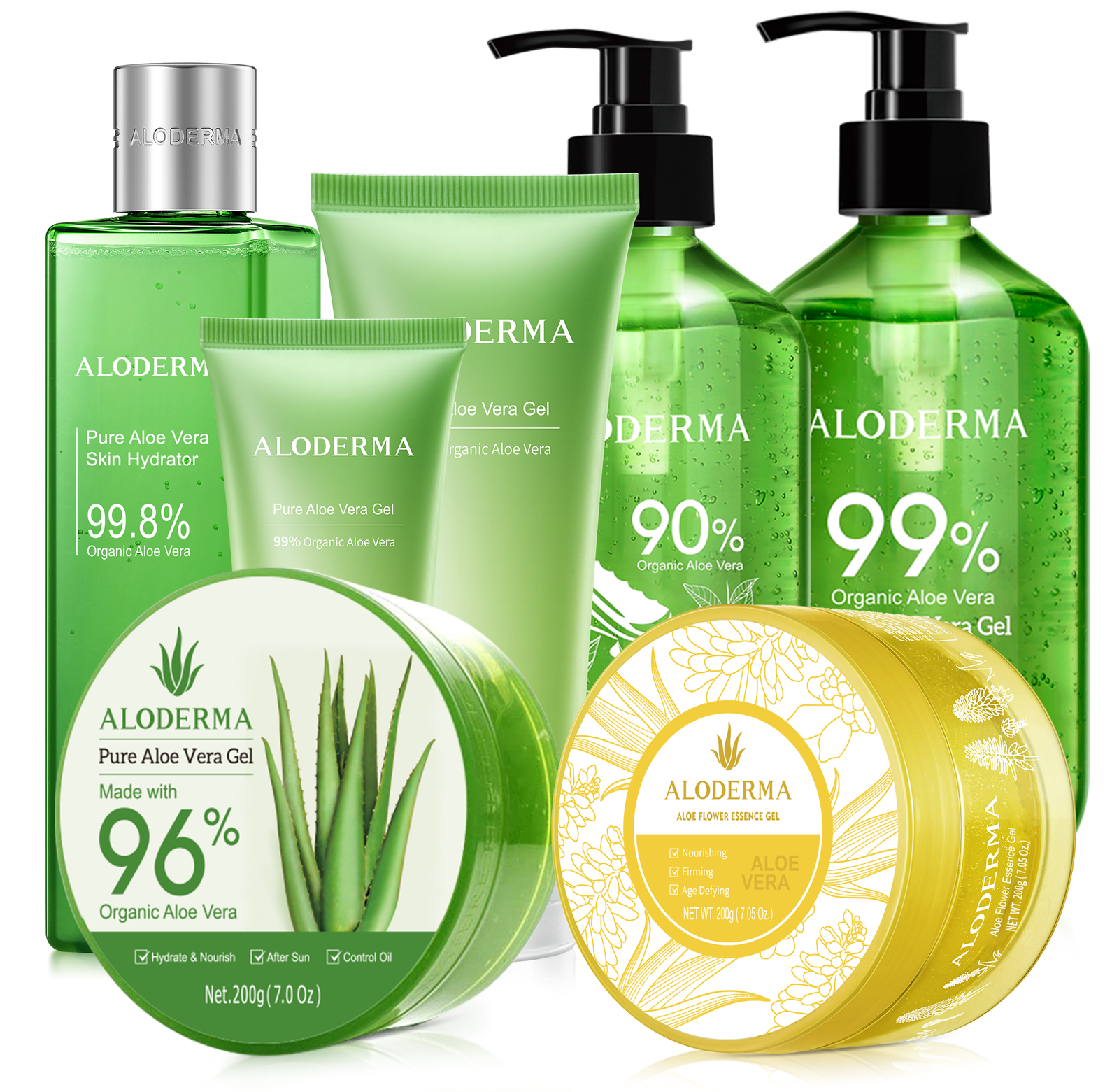
If you want the balancing benefits of aloe in your everyday routine, ALODERMA is built around that idea. We are a fully vertically integrated aloe vera company. We grow our own organic aloe vera, process it on-site within 12 hours of harvest, and manufacture at the source so the primary ingredient in every product is as bioactive and effective as possible. If your skin does best with gentle hydration and fresh plant-based care, explore the aloe gels, cleansers, masks, creams, and serums at Aloderma.com.