





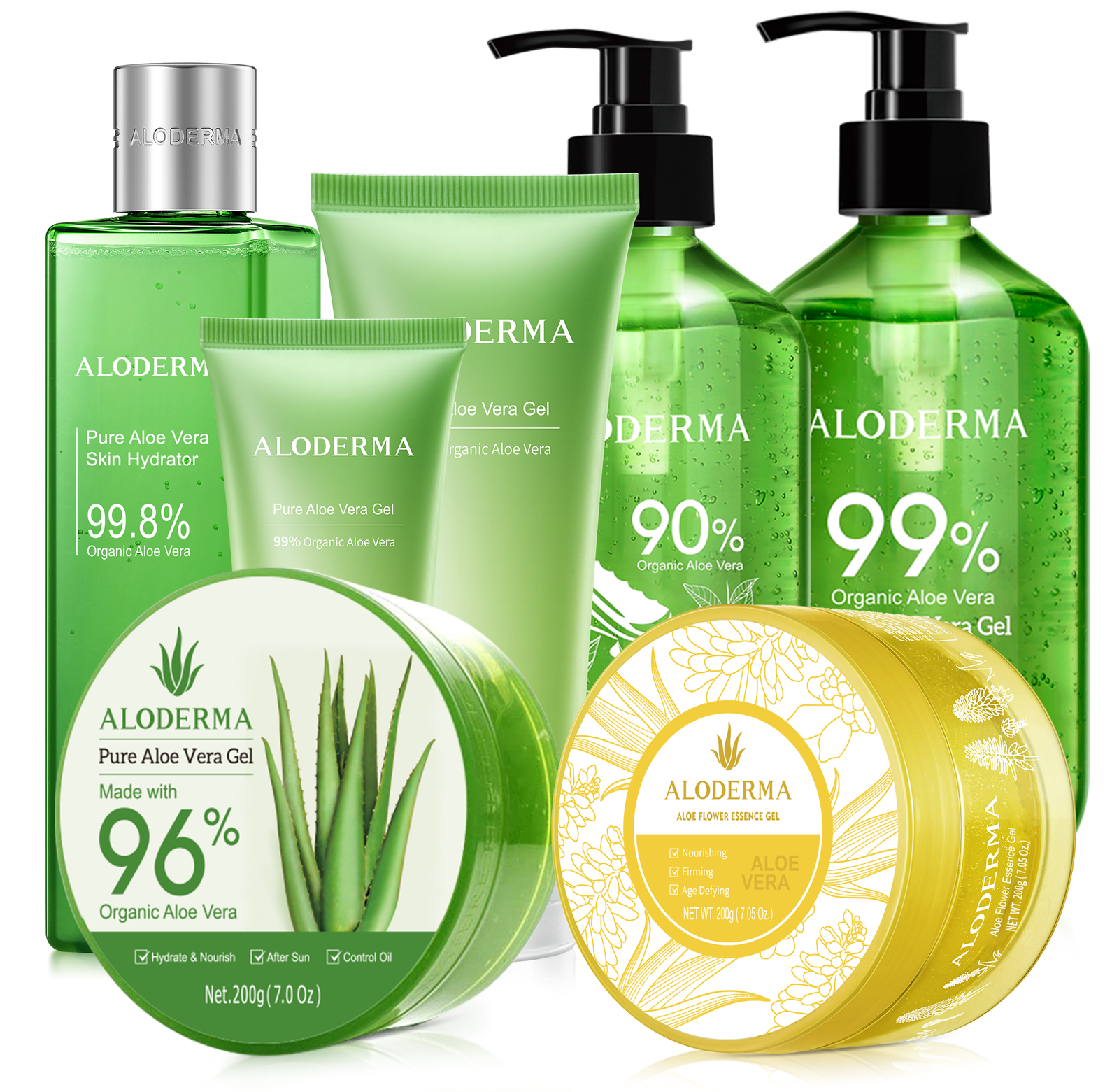


Most advice on sensitive skin care products starts with a warning list, as if the whole job is just to avoid the usual suspects. That's too narrow. For reactive skin, comfort also depends on what is in the formula, how fresh it is, and whether the brand has treated the main ingredient like a living material instead of a dusty afterthought.
Understanding the Reality of Reactive Skin
Reactive skin isn't rare, and it isn't just a matter of being “too sensitive.” A 2020 meta-analysis summarized in an industry review found that 71% of adults self-reported sensitive skin, up from 46% two decades earlier, and another review across 18 countries also reported 71% prevalence to some degree, according to Croda Beauty's sensitive skin overview. That's a huge share of people trying to buy products that feel calm, yet still ending up with stinging, tightness, or that hot, prickly feeling after a wash or cream.
Why the barrier matters
The skin barrier works like the mortar between bricks. When that mortar gets weak, even a formula that looks simple on paper can feel sharp on contact. That's why so many people think they “can't tolerate skincare,” when the better explanation is that their routine isn't supporting the barrier well enough.
Practical rule: if a product makes your skin feel squeaky, warm, or uncomfortable ten minutes later, that's useful data. Your skin is telling you the formula is too aggressive for its current state.
A helpful outside resource is browse Healtsy's sensitive skin advice, which many readers use as a plain-language primer before they start rebuilding a routine. For a more focused internal read, how to soothe irritated skin is a solid companion once you're ready to reset.
The point is simple. Sensitive skin care products should reduce friction in daily life, not create a guessing game every morning. When the base layer is supported, everything else becomes easier to choose, easier to use, and easier to keep using.
Decoding Ingredients for Maximum Comfort
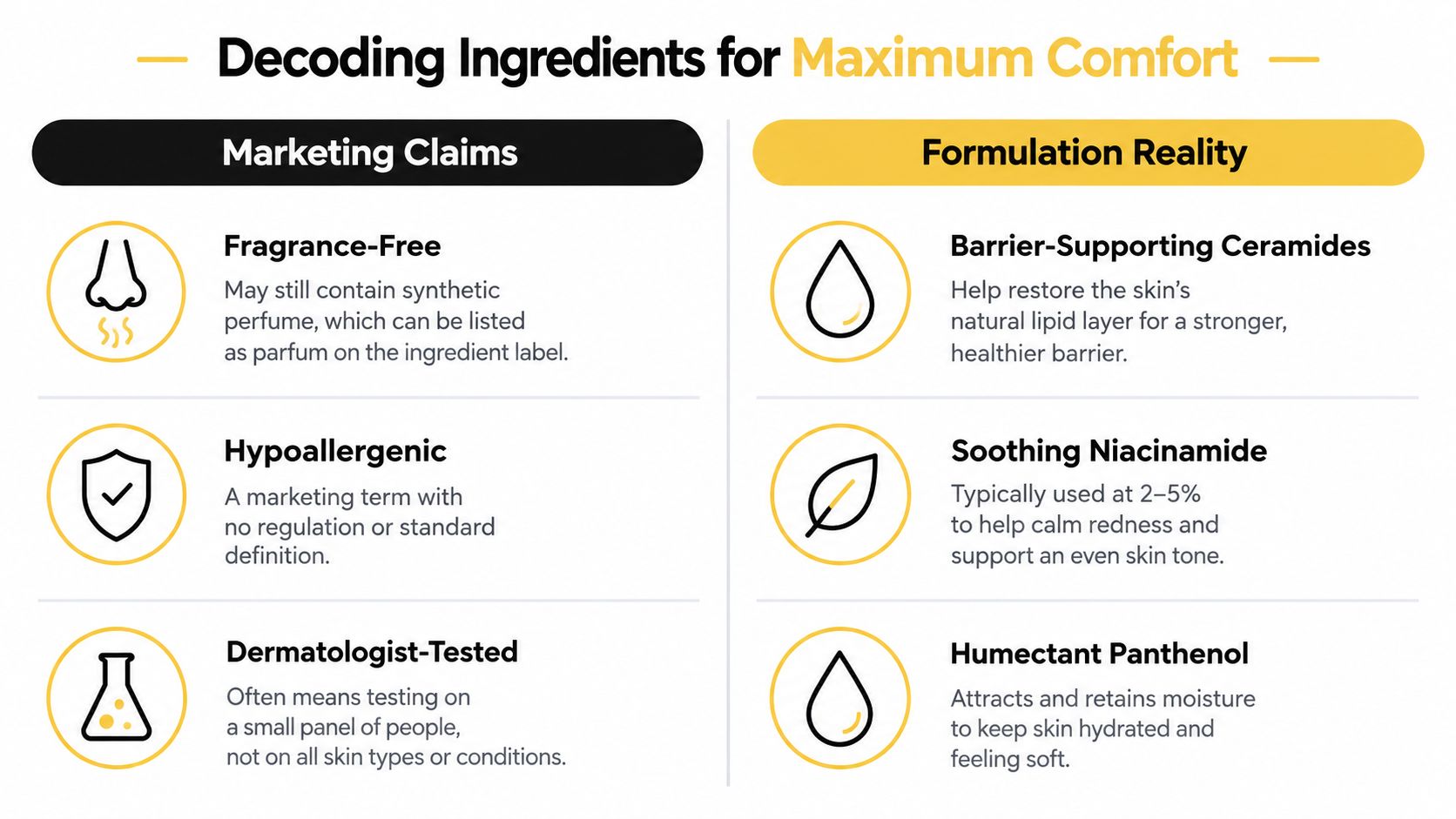
Label reading gets confusing fast because front-of-pack claims can sound soothing while the formula underneath still contains common triggers. Major dermatology guidance consistently points people toward fragrance-free options and barrier-supportive ingredients like ceramides and hyaluronic acid, while also flagging lanolin, harsh alcohols, and unnecessary botanical extracts as common irritants in some routines, as summarized by Mayo Clinic's sensitive skin guidance. That's the key shift, don't shop by the promise on the front, shop by the ingredient logic on the back.
What to look for instead
The safest formulas usually feel boring in the best way. They rely on humectants to pull water in, emollients to soften roughness, and low-irritation structures that don't flood the skin with scent or sensory overload. That's why ingredients such as glycerin, ceramides, hyaluronic acid, allantoin, and gentle surfactants tend to show up again and again in products that people can use day after day.
What often gets missed is freshness. Aloderma is a fully vertically integrated aloe vera company, it grows its own organic aloe vera and processes and manufactures onsite within 12 hours of harvest, so the aloe in its products starts with a freshness advantage that many shelf-stable formulas can't match. That matters because aloe is most useful when the plant material is handled carefully, not when it's listed as a late-position ingredient on a long deck.
For shoppers, that means one question matters more than the buzzwords: does the formula support comfort, or does it just market comfort? If you want a deeper ingredient checklist, ingredients to avoid in skincare is worth bookmarking before your next purchase.
Bottom line: the best gentle formulas aren't the ones with the loudest claims. They're the ones built around low-sting, barrier-first ingredients and handled with enough care to keep the hero ingredient meaningful.
Building a Gentle Daily Skincare Routine
A routine for reactive skin should feel like a steady hand, not a chemistry experiment. Start with cleansing only if your skin actually needs it in the morning, because over-washing can make everything else feel worse. When you do cleanse, the goal is to remove residue without leaving your face tight or stripped.
The Aloderma Aloe Hydrating Cleanser is a good example of how a gentle wash can still feel effective. Its formula includes 54% fresh organic aloe vera plus vitamin E, shea butter, and cleansing agents like potassium cocoyl glycinate and lauryl glucoside, which are commonly used for cleansing without a heavy feel, as shown on the Aloe Hydrating Cleanser product page. That kind of structure matters because a cleanser should clean the skin, not leave it negotiating with foam.
Build the routine from light to richer
After cleansing, move to hydration. The Aloe Hydrating Cream lists organic aloe barbadensis leaf juice at over 65%, paired with shea butter, black oat seed extract, and sodium hyaluronate, according to the Aloe Hydrating Cream page. That combination supports a lightweight moisture step that doesn't feel greasy, which is exactly what many reactive skin types need.
If you like an extra layer, add a soothing serum before cream, then finish with sunscreen in the morning. A mineral formula is often easier for reactive skin to manage, especially when the rest of the routine stays simple. Don't stack too many new steps at once, though, because even good products can become hard to read when they arrive together.
The practical sequence looks like this:
- Cleanse gently, only as much as your skin needs.
- Add hydration, using a serum or lightweight watery layer if your skin feels thirsty.
- Seal with cream, especially when your skin feels tight or rough.
- Protect in the daytime, because consistent sun care helps keep a calm routine stable.
For a visual walk-through of how gentle cleansing fits into a skin-friendly routine, the embedded video is a useful reference. If you want another product with a sensitive-skin-first angle, the Aloderma soothing face serum is part of the same broader approach to comfort-focused care.
Tailoring Care for Oily and Blemish-Prone Complexions

Oily skin can still be reactive, and that's where people often get stuck. They think they need to strip away shine, then their face feels drier, more irritated, and somehow even more oily later. The better move is usually to use water-based hydration and avoid making the skin work overtime to recover.
A lighter routine makes sense here because heavy, occlusive layers can feel too much on skin that already runs shiny. Aloe-based hydrators often fit well because they add comfort without the greasy finish that turns some people off moisturizer entirely. For a broader acne-prone perspective, Neutralyze acne skincare tips offers a helpful way to think about hydration without overloading the surface.
Keep the texture light
Gel textures, watery serums, and thin creams earn their place. They help the skin feel cushioned without trapping a thick film on top. That matters if your face tends to look congested by midday or if rich formulas seem to sit there instead of sinking in.
The trick is not to treat oiliness as the enemy. Dehydrated skin can look shinier because it's trying to compensate. So the goal isn't to starve the skin, it's to keep it comfortable enough that it doesn't swing between tight and greasy.
A simple adjustment helps a lot:
- Use a lighter cleanser so you don't over-remove surface comfort.
- Choose a thin hydrator instead of skipping moisture.
- Reserve richer creams for dry patches or evening use.
Reactive, oily skin usually does best when the routine feels almost invisible. If the finish is light and the ingredients are calm, people tend to stick with it longer, which is where the actual payoff happens.
Debunking Myths About Natural and Clean Labels
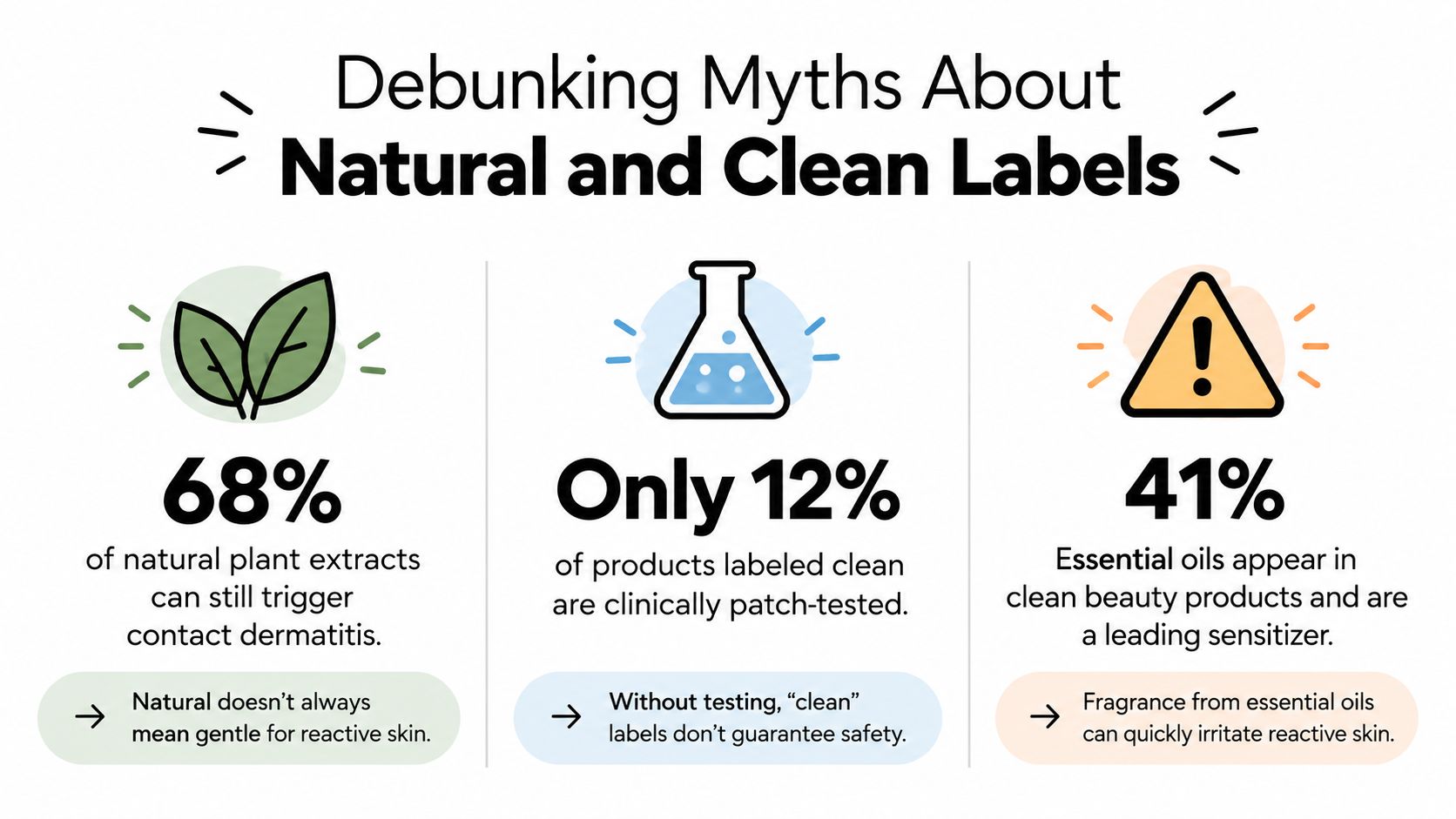
“Natural” sounds comforting, but it doesn't automatically mean gentle. In an analysis of 1,651 natural personal-care products, 94.2% contained at least one contact allergen and 89.5% contained one or more of the 100 most clinically prevalent allergens, while fragrance mix appeared in 36.6% of products, according to this review on natural product allergens. That's a sharp reminder that a plant-based story can still hide a formula that's rough on reactive skin.
Why the clean label can mislead
The phrase “clean beauty” often means different things to different brands. One company may remove one ingredient type while still using essential oils, fragrance components, or other sensitizing materials that make a product feel pleasant but not necessarily comfortable. That's why shoppers who react easily need to look past branding and inspect the full INCI list.
This is also where Aloderma's positioning stands out. The brand says it removes artificial fragrance from all products and uses ingredients that are at least 95% naturally sourced, while also highlighting ECOCERT, USDA, and EU Organic certifications on its site, according to Aloderma's homepage. The important part isn't the marketing language. It's that the formula philosophy is built around transparency and a controlled ingredient base, not just a natural-sounding story.
Practical rule: if a product says “clean” or “natural,” still check the fine print for fragrance, essential oils, and long botanical blends. Reactive skin cares about what's inside the bottle, not the mood board around it.
The simplest buying strategy is to favor minimalist formulas, short ingredient decks, and brands that explain where their ingredients come from. When a company can trace aloe from field to finished product quickly, that gives you a much clearer picture of what you're putting on your skin.
Smart Shopping and Patch Testing Protocols
A good product can still feel wrong if you introduce it carelessly. Patch testing gives you a low-risk way to see whether your skin likes a formula before you spread it across your face, and that's especially important with sensitive skin care products that include plant extracts or essential oils. If you want a step-by-step visual, how to patch test skincare lays out the basics in a simple format.
A straightforward patch test
Apply a small amount to one test area, usually behind the ear or along the jaw. Leave it on as directed, then repeat for several days so you can watch for delayed discomfort, not just immediate sting. If the skin feels hot, itchy, bumpy, or unusually tight, stop there.
Certifications help too, but they're not magic. Organic certifications speak to how ingredients are grown and processed, not whether every formula will suit every person. Still, a brand that can show consistent sourcing and manufacturing discipline tends to make more predictable products, and predictability is a gift for reactive skin.
Aloderma says on its site that it is fully vertically integrated, grows its own organic aloe vera, processes and manufactures onsite within 12 hours of harvest, removes artificial fragrance from all products, and uses ingredients that are at least 95% naturally sourced, according to Aloderma's website. That kind of supply-chain control gives shoppers a clearer standard to compare against than vague “sensitive skin” claims on a box.
Useful habit: test one product at a time, keep the rest of your routine steady, and write down what your skin felt like after each use. That's the fastest way to separate a real match from wishful thinking.
Embracing Freshness for Long-Term Skin Health
The bigger lesson is that comfort comes from quality, not just caution. Fresh, well-handled aloe has a different role in a routine than aloe that's been buried under heavy preservation and vague marketing. When the ingredient is processed quickly and used as the primary base, it can serve as the foundation for a calmer daily routine.
That's why Aloderma's harvest-to-manufacture timeline matters. Within 12 hours of harvest, the aloe is processed onsite, which keeps the brand's central ingredient close to its original state and aligns with the whole point of gentle care, steady comfort and low-friction use. For people tired of products that promise softness but deliver sting, that's a meaningful difference.
Sensitive skin doesn't need a more complicated routine. It needs fewer surprises, better formulas, and ingredients that feel like they belong on the skin from the first use.
If you want aloe-based routines built around freshness, transparency, and lightweight comfort, explore ALODERMA for cleansers, creams, and soothing essentials designed to fit reactive, oily, and easily irritated skin. You can also use the site's product pages and skin care quiz to compare formulas and find a simpler routine that feels good to wear every day.