







Your hands can tell you a lot about your day. Maybe they feel tight after every wash. Maybe cold air leaves them rough by afternoon. Maybe one strong soap or cleaning product is enough to make them feel uncomfortable for hours.
That can be frustrating, especially when you're doing all the “right” things and still not getting lasting comfort. Sensitive hands usually don't need a complicated routine. They need gentler choices, steady moisture, and ingredients that support the skin instead of challenging it.
Your Hands Deserve Comfort
A lot of people start looking for a sensitive skin hand cream after the same moment. They wash up, dry off, and notice their hands feel worse than they did before. The skin looks dull, the knuckles feel tight, and even simple tasks like typing or buttoning a shirt become a small reminder that the skin on their hands is under stress.
If that sounds familiar, you're not overreacting. Hand care has become a much bigger focus for shoppers. The global hand cream market was estimated at USD 779.7 million in 2023 and is projected to reach USD 1,185.6 million by 2030, and moisturizing hand creams were the largest segment, which shows how strongly people are prioritizing hydration and skin comfort in daily care, according to Grand View Research's hand cream market report.
That growing interest makes sense. Hands work hard. They face soap, water, weather, sanitizer, paper towels, dust, and friction all day long. When your skin is on the reactive side, those little exposures add up fast.
Fresh, high-quality aloe vera is one of the most comforting ingredients to build around because it brings light hydration and a soothing feel without making hands feel coated. That's especially helpful for people who want relief but don't want a greasy layer left behind.
Even small lifestyle choices can affect comfort. If you wear a wrist device daily, softer accessories can help reduce extra rubbing around that area. Some readers also like browsing premium smartwatch straps for Luxe when they're trying to make their whole routine feel a bit gentler on skin.
Your hands don't need perfection. They need consistency, kinder formulas, and ingredients that help them feel calm again.
Why Your Hands Need Special Attention
Hands are built for work, not for staying perfectly soft. That's why they often need more support than the rest of your body.
The back of your hands has delicate skin that tends to dry out quickly. Your palms are thicker, but they deal with constant gripping, rubbing, and repeated washing. Together, that means your hands are exposed from both sides. One side loses comfort easily, and the other side handles nonstop wear.

Everyday contact takes a toll
Think about how often your hands meet water in a normal day. Washing after meals, after the bathroom, after chores, after commuting, after touching shared surfaces. Every wash is useful, but every wash also removes some of the comfort your skin was trying to hold onto.
Then there's everything else:
- Weather exposure: Wind, dry indoor heat, and cold air can leave hands feeling stripped.
- Cleaning products: Household cleansers can feel harsh on already delicate skin.
- Friction: Bags, steering wheels, keyboards, gym equipment, and even towels create repeated rubbing.
- Neglect: Many people moisturize their face carefully but forget their hands until they already feel rough.
Hand cream is daily maintenance
A dedicated hand cream isn't just a luxury item you keep in a drawer. It's closer to a daily support step. Body lotion can help, but hand-focused formulas are usually built to handle frequent application and the unique stress hands go through.
Sensitive hands often do best with products that feel comforting right away and continue supporting the skin after the cream sinks in. That's why the ingredient list and texture matter so much.
Hands are often the first place where a too-harsh routine shows up.
When readers understand that, they usually stop blaming their skin. Their hands aren't “bad” or “difficult.” They're exposed, overwashed, and asking for a little more thoughtful care.
Decoding the Hand Cream Ingredient Label
Reading a label gets much easier when you sort ingredients into two groups. First, the ones that help sensitive hands hold onto comfort. Second, the ones that can make an already stressed hand feel less settled.
A useful starting point comes from Skin Elite's guide to the best hand cream ingredients, which highlights soothing humectants and emollients like aloe vera, jojoba oil, and shea butter. It also notes that humectants like glycerin attract water, while emollients like shea butter reduce evaporation, and that sensitive-skin products should minimize fragrance, dyes, and harsh preservatives, which are common triggers of contact irritation.
The ingredients that tend to help
A simple way to think about this is that some ingredients bring water in, while others help keep it from leaving too quickly.
Aloe vera is especially valuable because it feels light, cooling, and comforting. For sensitive hands, that matters. A rich cream can be useful, but many people stop using it if it feels sticky. Aloe gives hydration in a way that often feels easier to live with day after day.
Glycerin is another strong helper. It's a humectant, so it helps pull water toward the skin.
Shea butter and jojoba oil help soften the feel of rough hands and reduce that dry, draggy feeling you get when skin loses flexibility.
Here's a simple shopping cheat sheet.
| Hand Cream Ingredients for Sensitive Skin | |
|---|---|
| Look For These Soothing Ingredients | Approach These With Caution |
| Aloe vera | Fragrance |
| Glycerin | Dyes |
| Shea butter | Harsh preservatives |
| Jojoba oil | Strongly perfumed essential oil blends |
| Vitamin E | Ingredient lists built around obvious irritants rather than barrier support |
Why fresh aloe stands out
Not all aloe feels the same in a formula. Freshness matters because aloe is at its most appealing when it's handled carefully and used as a meaningful part of the formula, not sprinkled in as a label decoration.
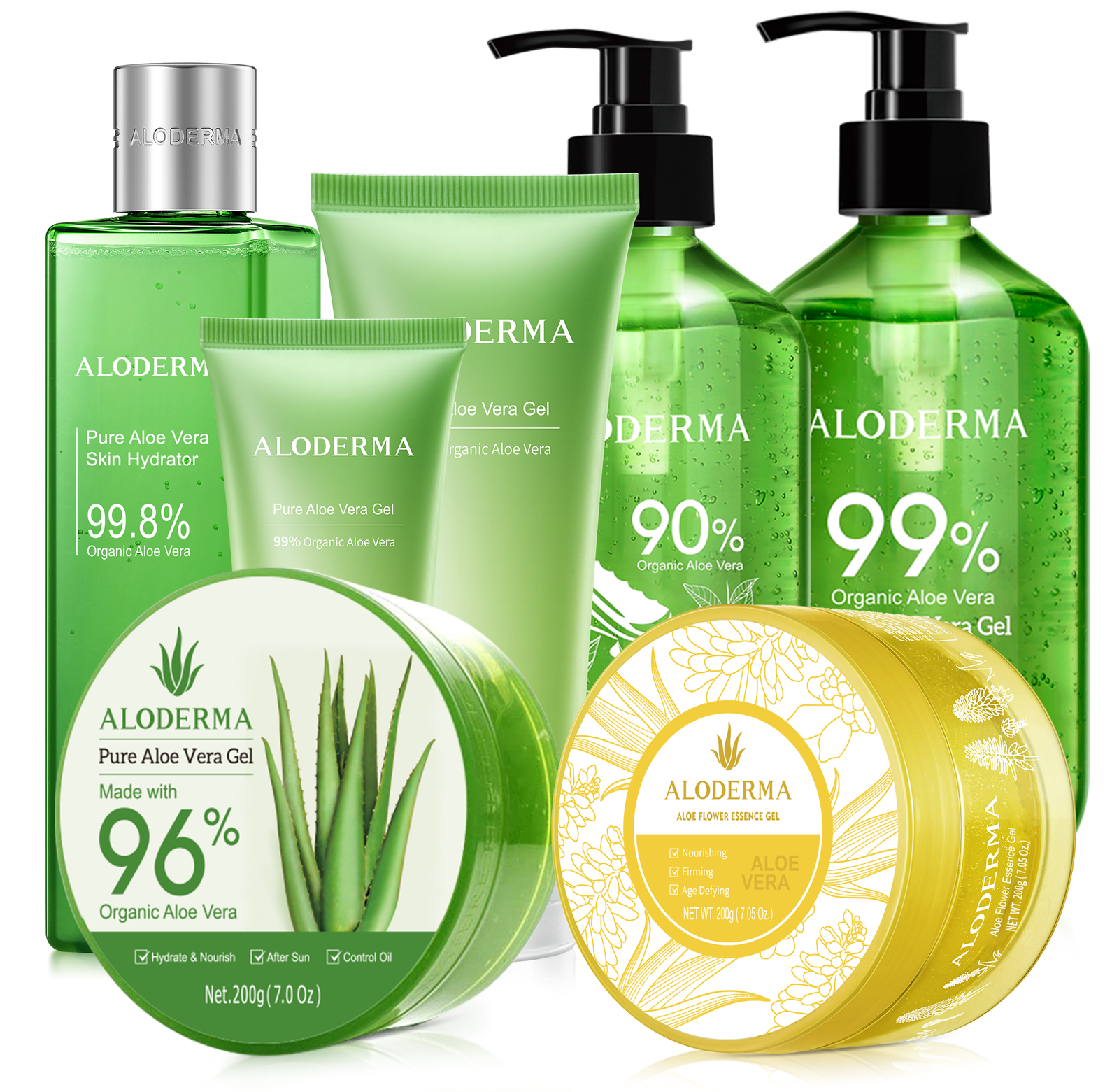
That's one reason some shoppers are drawn to aloe-focused brands. ALODERMA is a fully vertically integrated aloe vera company that grows its own organic aloe vera and processes it on site within 12 hours of harvest, so the primary ingredient used across its products stays as bioactive and effective as possible. If you want to compare ingredient education before buying, their article on ingredients to avoid in skincare is a practical companion to label reading.
What often causes confusion
People often hear “humectants are good” and “thick creams are better,” then get stuck when a product still stings or feels wrong. That's because dry-feeling hands don't all need the exact same balance.
- If your hands feel tight but not very rough, a lighter humectant-forward cream can feel comfortable.
- If your hands feel dry and exposed, a formula with humectants plus richer emollients often makes more sense.
- If you react easily, the shortest path is usually a fragrance-free, dye-free formula with a calming ingredient base.
For readers comparing overall gentle skincare philosophies, this guide to the best sensitive skin cleanser and moisturizer can also help explain why simple formulas often work better for reactive skin.
Practical rule: If a hand cream smells strongly “pretty,” sensitive hands may not find it pretty at all.
Choosing the Right Hand Cream Texture
Texture changes whether you'll use a product. That matters more than people think. The most carefully chosen sensitive skin hand cream won't help much if it sits unopened because it feels too greasy for daytime.

Think of texture like clothing
A light lotion is like a soft shirt. It's easy to wear during the day, absorbs quickly, and works well when you need to get back to your keyboard, phone, or steering wheel without leaving prints everywhere.
A classic cream is more like a sweater. It gives more cushion and usually feels better when your hands are dealing with cold weather, repeated washing, or that papery dry feeling around the knuckles.
A richer balm or ointment-style product is like wrapping your hands in a blanket. It can feel very protective, especially at night, but not everyone enjoys that finish during the day.
Match the feel to the moment
Choosing texture gets easier when you match it to your routine instead of searching for one product to do everything.
- For work hours: Go for fast absorption and low residue.
- For after chores: Choose more cushion and staying power.
- For bedtime: Use the richest texture you can tolerate comfortably.
Some readers who dislike heavy formulas do better with a cream that feels plush going on but settles down quickly. If fragrance is one of your concerns, Aloderma's article on fragrance-free moisturizer offers a helpful way to think about comfort-first texture choices.
A good hand cream should fit your life. If it keeps you from touching your phone, opening a notebook, or turning a doorknob comfortably, it may be too heavy for the time of day you're using it.
A Gentle Routine for Happy Hands
Sensitive hands usually respond best to a routine that feels simple enough to repeat. The goal isn't to baby your hands for one day. It's to give them regular support so they stay comfortable more often.
One dermatology-based recommendation matters a lot here. Derm On Demand's dermatologist-recommended hand cream guidance advises reapplying fragrance-free cream after every handwashing session because repeated surfactant and water exposure can quickly compromise the stratum corneum and increase discomfort.
Start with a quiet patch test
If your hands react easily, patch testing is worth the extra day or two. Apply a small amount to one area first and watch how your skin feels before using it more broadly.
That step isn't dramatic. It's just smart. Sensitive skin often tells you early when something isn't a good match.
Make application gentle and specific
A lot of people rub cream into their palms and stop there, but the backs of the hands often need the most attention.
Try this:
- Use a small amount first. You can always add more.
- Dot it across the backs of your hands. That area often gets dry fastest.
- Massage over knuckles, fingers, and around cuticles. Those spots tend to show stress early.
- Press in any leftover product on the palms. Don't waste it, but don't make the palms slippery if you're about to get back to work.
Reapply after washing
The effectiveness of many routines depends on this stage. Washing can leave the skin feeling cleaner but less comfortable. Reapplying cream right after drying your hands helps replace what that wash took away.
Keep hand cream where the habit naturally happens. Near the sink, in your bag, at your desk, and by your bed.
If your skin likes aloe-based care, this article on aloe vera for sensitive skin gives helpful context on why aloe is often such a comfortable choice in a daily routine.
Small choices that reduce stress on your hands
Hand care works better when the rest of your routine stops fighting against it.
- Pick a milder hand soap: If your cleanser leaves your hands squeaky, it may also be leaving them uncomfortable.
- Use lukewarm water: Very hot water can make hands feel more stripped.
- Wear gloves for chores: Dishwashing and cleaning can be rough on delicate skin.
- Reapply before bed: Night is a good time for a slightly richer layer because you're less likely to wash it off right away.
Let it become a comfort ritual
There's something grounding about caring for your hands on purpose. A few calm seconds after washing. A small tube in your coat pocket. A bedtime layer worked into the knuckles while the day winds down.
That's where a sensitive skin hand cream earns its place. Not as a once-in-a-while rescue product, but as a steady, kind habit that keeps your hands feeling more like themselves.
When to Seek Professional Advice
A hand cream can do a lot for everyday dryness, tightness, and general sensitivity. But skincare has limits, and it's good to respect them.
If your hands stay very uncomfortable, keep worsening, or don't improve even after a steady routine with gentle products, it's wise to check in with a doctor or dermatologist. The same applies if you're dealing with persistent redness, severe cracking, or ongoing peeling that doesn't settle down.
That step doesn't mean you've failed at skincare. It means you're paying attention. The best approach is always the one that supports your comfort and helps you get the right care when home routines aren't enough.
Frequently Asked Questions About Hand Care
Is hand cream really different from body lotion
Usually, yes. Hand creams are often designed to handle repeated washing and frequent reapplication. They tend to focus more on comfort, slip, and staying power on hard-working skin.
What makes aloe vera so useful in a hand cream
Aloe vera brings a fresh, light layer of hydration that many sensitive hands tolerate well. It's especially appealing for people who want soothing moisture without a waxy finish.
What makes Aloderma different
Aloderma centers its skincare around fresh organic aloe vera and uses a farm-to-skin model. The company is fully vertically integrated, grows its own organic aloe vera, and processes it onsite within 12 hours of harvest, which helps preserve the bioactive quality of the aloe used as the primary ingredient across its range.
How long does it take to notice a difference
Comfort can improve quickly after a good application, but lasting results usually come from consistency. If you only moisturize once your hands already feel stressed, you'll probably keep playing catch-up. The biggest shift often comes when you apply cream regularly, especially after washing.
Are shoppers moving toward gentler and more transparent hand care
Yes. According to Mordor Intelligence's hand cream market analysis, the organic hand cream segment is projected to expand at a 7.09% CAGR from 2026 to 2031, and online retail is expected to be the fastest-growing sales channel. That fits what many sensitive-skin shoppers want now: clearer ingredients, gentler formulas, and easy online access.
What if I use wipes a lot during the day
If wipes are part of your routine, it helps to think about follow-up moisture too. This overview of disinfectant wipes for hands can be useful if you're trying to balance cleanliness with skin comfort.
If you're looking for aloe-based skincare that keeps gentle hydration front and center, explore ALODERMA. Their farm-to-skin approach focuses on fresh organic aloe vera processed onsite within 12 hours of harvest, which makes the brand a strong fit for ingredient-conscious shoppers who want simple, comfort-focused care.