







You smooth on a new moisturizer hoping for relief, and within minutes your skin feels warm, tight, or unsettled. A product that looked gentle on the label suddenly feels like one more disappointment on a crowded shelf.
That cycle is exhausting. It also makes a lot of people feel like they have to choose between hydration and comfort, or between “natural” and “effective.” You don't.
A good sensitive skin natural moisturizer should feel like a deep breath for your face. It should help your skin hold onto water, feel softer through the day, and avoid the extras that often make reactive skin unhappy. The challenge is that “natural” by itself doesn't tell you enough. What matters is the formula, the ingredient balance, and for aloe-based skincare, even the freshness of the plant material.
That's part of why gentle skincare has become such a major focus. In 2014, Mintel reported that sensitive skin claims appeared on 25% of all skincare products, up from 15% in 2009, with much of the demand centered in facial moisturizers and cleansers, as noted in Mintel's facial skincare trend report.
The Search for Calm Comfortable Skin
A lot of readers arrive here after trying the usual advice. Use less. Use more. Try a gel. Try a cream. Avoid oils. Add oils. At some point, skincare stops feeling simple and starts feeling like guesswork.

The missing piece is usually not effort. It's clarity. Many people with easily upset skin aren't looking for a trendy formula. They want a moisturizer they can apply without bracing themselves for stinging, blotchiness, or that odd dry-yet-greasy feeling a few hours later.
When natural sounds good but still feels uncertain
Natural ingredients can be comforting, especially when your skin seems to react to long ingredient lists. Aloe, oat, and plant oils all sound gentle. But the word “natural” doesn't automatically tell you whether a product is low-fragrance, lightly preserved, or built to support the skin barrier for more than a few minutes.
That's where ingredient quality starts to matter. Freshness matters too. Aloe is a perfect example. A formula centered on fresh aloe can feel very different from one that uses aloe as a minor add-on.
Comfort often comes from what a moisturizer leaves out, but also from how carefully the core ingredients are handled.
What relief usually looks like in real life
For many, success isn't dramatic. It's quieter than that.
- Morning feels easier: Your skin doesn't feel tight after washing.
- Application feels uneventful: The product goes on without that instant “uh-oh” feeling.
- By afternoon, skin still feels balanced: Not parched, not coated, just comfortable.
That's the standard worth aiming for. If you've been searching for a sensitive skin natural moisturizer, the goal isn't perfection overnight. It's finding a formula that consistently helps your skin settle down and stay comfortable.
Understanding Your Skin's Unique Needs
Sensitive skin gets talked about like it's a mystery, but the core idea is pretty simple. Your skin has a surface barrier, and that barrier is supposed to keep moisture in while helping outside triggers stay out.
One useful way to picture it is a brick-and-mortar wall. The skin cells are the bricks. The lipids around them are the mortar. When that mortar is strong, skin feels smoother and more resilient. When it's weaker, water escapes more easily and everyday products can feel harsher than they should.

A clinical analysis of best-selling moisturizers found that only 12% were free of common contact allergens, and the same paper noted that up to 45% of people report having sensitive skin, according to this peer-reviewed review on moisturizers and sensitive skin. That helps explain why shopping can feel harder than it should.
What a weaker barrier feels like
You don't need lab language to notice barrier stress. It often shows up in familiar ways:
- After cleansing: skin feels tight within minutes
- After trying something new: skin feels prickly or uncomfortable
- During weather shifts: skin seems less predictable than usual
Those experiences are why low-irritation formulas matter so much. A moisturizer isn't just there to sit on top of the skin. It should help support that wall so water doesn't slip away too quickly.
Why simple often works better
People with delicate skin often do better when products are straightforward. Fewer unnecessary extras. Less fragrance. More focus on hydration and barrier support.
If fragrance has been a recurring problem for you, this guide to a fragrance-free moisturizer for easily reactive skin can help you think more clearly about what to prioritize.
Practical rule: If your skin is unpredictable, choose products that are predictable. Simple formulas often make it easier to tell what your skin likes.
Where freshness fits in
Aloe-based moisturizers are popular for a reason. Aloe feels cooling, water-rich, and comfortable on skin that doesn't want a heavy finish. But aloe works best as part of a thoughtful formula, not as a splash of plant juice dropped into a long ingredient list.
That's also why freshness can matter. When aloe is grown, processed, and formulated quickly, it stays closer to the plant's original state. For someone searching for comfort, that idea matters because the whole point is to give the skin something gentle and usable, not something overly handled and diluted.
Key Ingredients for Soothing Hydration
When people ask what to look for in a sensitive skin natural moisturizer, I usually suggest thinking in layers of function, not trends. A good formula should bring water into the skin, help skin feel soothed, and slow down moisture loss so that comfort lasts.
That approach lines up with expert guidance. The most effective natural moisturizers for sensitive skin often use a three-part structure: a humectant like aloe vera or glycerin to draw in water, a soothing ingredient, and an emollient such as a vegetable oil to help lock moisture in and support the barrier, as explained by Formula Botanica's guidance on sensitive skin formulation.

The three jobs your moisturizer should do
If a moisturizer only does one of these jobs, it may feel nice at first but fade fast.
| What the formula does | What that means on your skin |
|---|---|
| Humectant support | Helps pull water into the upper layers so skin feels less tight |
| Soothing support | Helps the formula feel more comfortable on easily unsettled skin |
| Emollient and occlusive support | Helps soften roughness and reduce moisture loss |
Aloe can play a strong role in the first two areas. Glycerin is another useful water-binding ingredient. Then a lipid phase, such as a plant oil or other emollient, helps make that hydration last longer.
Why aloe is more than a trend
Aloe is often treated like a simple “cooling” ingredient, but for sensitive skin, its biggest value is that it can fit naturally into a lightweight hydration strategy. It brings a fresh, water-rich feel that many people prefer over dense creams.
Still, aloe by itself isn't always enough. Fresh aloe gel alone can feel pleasant in the moment, but if there's no meaningful support around it, the effect may be short-lived. That's why well-built moisturizers pair aloe with humectants and lipids instead of relying on aloe water alone.
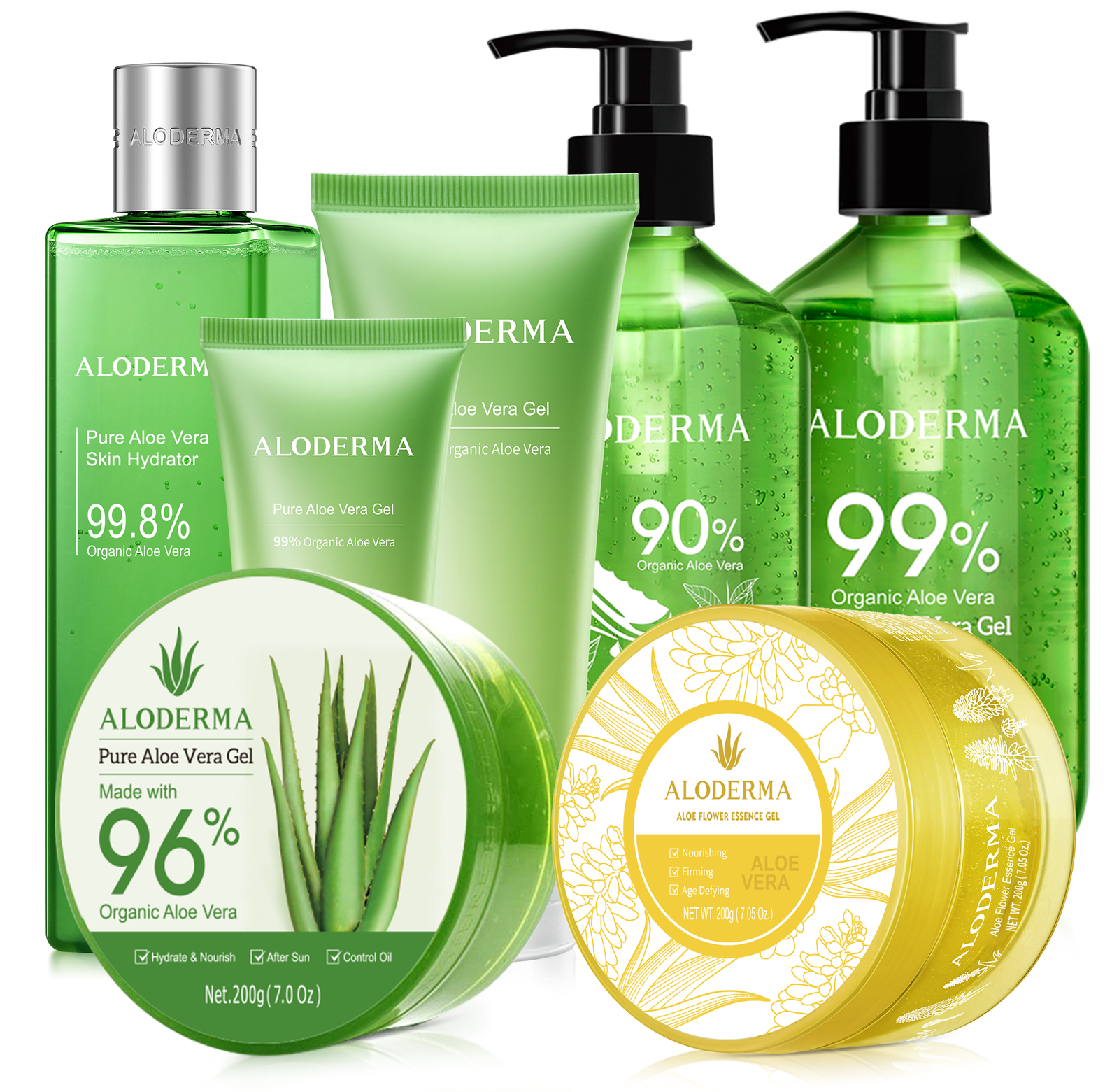
This is also where the source of the aloe matters. ALODERMA is a fully vertically integrated aloe vera company. It grows its own organic aloe vera, processes it on-site, and manufactures within 12 hours of harvest so the aloe used across its formulas stays as bioactive and close to fresh as possible. For readers who want a deeper ingredient-level look at why that matters, this article on aloe vera for sensitive skin is useful background. Product examples include the Aloe Vera Gel for simple, lightweight hydration and the Aloe Soothing & Moisturizing Cream for a cream texture with more staying power.
The supporting cast that makes aloe work better
Aloe tends to perform best when it isn't working alone.
- Glycerin: A classic humectant that helps skin hold water more effectively.
- Jojoba oil: Often chosen because it feels lighter than richer oils and helps soften without a waxy finish.
- Oat-derived ingredients: Often included in gentle formulas because they help comfort dry, reactive-feeling skin.
- Hyaluronic acid: Another water-binding ingredient that can help the skin feel bouncier and less tight.
If your skin feels hydrated for ten minutes but dry again by lunch, your formula may be missing the oil or lipid support that helps water stay put.
How to match texture to your comfort level
Some readers assume a thick cream must be more hydrating. Not always. Texture tells you how a product feels, not necessarily how balanced its hydration system is.
A simple way to choose:
- Prefer a barely-there finish: Start with a gel or gel-cream.
- Need longer-lasting comfort: Look for a cream with aloe plus humectants and emollients.
- Feel dry in some spots but not all over: Apply a lighter layer everywhere, then add a cream only where you need extra cushion.
That's usually the difference between a moisturizer that only feels good during application and one that still feels good later in the day.
Navigating Ingredient Labels with Confidence
Reading labels gets easier when you stop trying to judge whether a product sounds clean and start asking whether it sounds calm. Sensitive skin usually responds better to formulas that reduce common triggers instead of piling on plant extracts for marketing appeal.
Expert guidance for sensitive skin points readers toward fragrance-free, hypoallergenic moisturizers and highlights soothing ingredients like aloe vera while cautioning against harsh chemicals or preservatives, according to StatPearls guidance on skincare ingredients and formulation.
A quick way to scan the front and back label
Start with the product claims on the front, then verify them with the ingredient list on the back. If a moisturizer says “gentle” but includes obvious fragrance elements or a long list of extras, pause.
Here's a simple comparison table you can use while shopping.
A Quick Guide to Sensitive Skin Ingredients
| Ingredients to Look For | Ingredients to Approach with Caution |
|---|---|
| Aloe vera | Fragrance or parfum |
| Glycerin | Essential oils with a strong scent |
| Jojoba oil | Heavy fragrance blends disguised as botanicals |
| Oat-derived ingredients | Harsh or unnecessary additives |
| Simple emollients and barrier-supportive lipids | Long lists of trendy extracts with no clear purpose |
Natural doesn't always mean low-risk
Many shoppers get tripped up here. A product can be plant-based and still be too busy for easily upset skin. Botanical extracts can sound comforting but still create problems if the formula is heavily scented or overloaded.
That doesn't mean you need to fear every natural ingredient. It means you should read with a calm, practical eye. A short, focused formula often gives you fewer variables to worry about.
For a more detailed breakdown of common triggers, Aloderma's guide to ingredients to avoid in skincare is a helpful reference.
A gentle label claim is only useful if the ingredient list supports it.
The Right Way to Apply and Patch Test
Even a carefully chosen moisturizer deserves a slow introduction. That's not being overly cautious. It's smart skincare.

A dermatology review points out a common misunderstanding: people often assume natural products can't cause reactions. The same review notes that botanical ingredients can still be irritating, often showing up as stinging, tingling, or smarting, which is why patch testing matters, as discussed in this dermatology review of moisturizers and irritant potential.
How to patch test without overthinking it
Patch testing doesn't need to be complicated. It just needs to be consistent.
- Choose a small area such as the inner arm or along the jawline near the ear.
- Apply a small amount of the new moisturizer to that spot.
- Leave it alone and avoid layering other new products over it.
- Watch for signs of discomfort such as tingling, stinging, or a feeling that the area is suddenly “too aware.”
- Repeat once daily for a few days before using it more broadly.
If your skin stays calm, that's encouraging. If it doesn't, you've learned something useful without applying the product to your whole face.
How to apply for better comfort
Application affects performance more than many people realize.
- Start with slightly damp skin: Moisturizer spreads more easily and helps trap water at the surface.
- Use a modest amount: More product doesn't always mean more relief.
- Press, don't scrub: Friction can make a delicate complexion feel more reactive.
- Give it a minute: Let the moisturizer settle before adding anything else.
Here's a visual walkthrough that can help if you want to see a gentle application style in action.
A small ritual that makes a big difference
If your skin has been unpredictable, treat the first week with any new moisturizer as a quiet trial period. Keep the rest of your routine steady. Don't add extra serums just because the moisturizer feels mild. Give your skin a simple environment so you can read its response clearly.
Patch test first, then change one thing at a time. That's how you learn what actually helps.
Creating a Simple and Effective Skincare Ritual
Sensitive skin usually responds well to less drama and more consistency. A long lineup of products can make it harder to know what's helping and what's getting in the way. A short ritual often feels better and is easier to stick with.
Step one with a gentle cleanse
The first step should leave your face feeling clean, not squeaky. If your cleanser makes your skin feel tight right away, your moisturizer has to work harder than it should.
Look for a low-foam or creamier cleanser that removes the day without leaving that stripped feeling behind. If you wear makeup or sunscreen, cleanse thoroughly but gently, then move on while the skin is still slightly damp.
Step two with soothing hydration
Many people overcomplicate things. You don't need a cabinet full of mists, acids, and boosters. You just need a light hydrating step that your skin consistently tolerates.
That can be a simple aloe-based gel, a gentle toner, or a light serum with water-binding ingredients. The point is to give the skin a comfortable base layer before sealing it in.
Step three with protective moisture
Your final step is the moisturizer that helps maintain comfort through the day or overnight. If your skin leans lighter, a gel-cream texture may be enough. If it feels dry or rough in patches, a richer cream on those areas can work well.
A simple routine often looks like this:
- Morning: gentle cleanse, light hydration, moisturizer
- Evening: gentle cleanse, hydrating layer, moisturizer
- When skin feels unsettled: reduce extras and stay with the basics for several days
What a less-is-more routine solves
A pared-down routine helps in three ways.
- You can identify triggers faster
- You give the barrier a more stable environment
- You lower the chance of accidental overload from too many actives
That kind of steadiness is what many people have been missing. Relief often comes not from adding another exciting product, but from removing the noise around the essentials.
Embracing Your Journey to Comfortable Skin
Finding the right moisturizer can feel personal because it is. You're not just buying a cream. You're looking for that moment when your skin stops arguing with everything you put on it.
For some people, that shift starts when they stop chasing labels and start paying attention to function. Does the formula bring in water, support the barrier, and avoid obvious triggers? Does it feel calm during application and still comfortable later? Those are better questions than whether a jar looks trendy or expensive.
The process also gets easier when you move slowly. Read labels. Patch test. Keep your routine simple enough that you can tell what's working.
Fresh aloe has a meaningful place in that journey, especially when it's handled with care from farm to formula. That's why ALODERMA's harvest-to-formulation approach stands out for readers who value ingredient freshness, straightforward hydration, and a gentler daily experience. Comfortable skin doesn't usually come from doing more. It often comes from choosing better and letting your skin settle into that choice.
Frequently Asked Questions About Natural Moisturizers
Is pure aloe gel better than a formulated moisturizer
Not always. Pure aloe gel can feel wonderfully fresh and light, but many people need more than that for lasting comfort. A formulated moisturizer can combine aloe with ingredients that help bind water and soften the skin for longer.
Why can a light moisturizer feel better than a thick one
Because heaviness and hydration aren't the same thing. A lighter formula can still hydrate well if it includes humectants and enough emollient support to keep that water from disappearing too quickly.
How long should I give a new moisturizer
Give it a fair but careful try. Patch test first, then use it consistently while keeping the rest of your routine simple. Sensitive skin often responds better when you avoid changing several products at once.
Why does skincare feel more stressful when your skin is reactive
Because every new product can feel like a gamble. If that stress starts spilling beyond skincare, structured mental wellness resources like these anxiety self-help guides can help some people build calming routines in other parts of daily life too.
What matters most in a sensitive skin natural moisturizer
Look for a formula that feels gentle, minimizes obvious triggers, and supports lasting comfort instead of just giving a quick wet feeling.
If you want a simpler way to shop for gentle aloe-based skincare, ALODERMA offers farm-to-skin formulas made with organic aloe vera grown on its own plantations and processed on-site within 12 hours of harvest. You can explore gels, creams, and complete routines to find a texture and formula that fit your skin's comfort level.