



You wash your face after a long day and suddenly your skin feels too tight for comfort. The cheeks sting when moisturizer touches them, the nose looks flushed, and even water seems to make the discomfort more noticeable. Maybe you overused an exfoliating product, spent hours in dry indoor air, or wore a face covering for most of the day. Whatever started it, your skin is asking for less stimulation and more support.
A soothing face mask for irritated skin can help, but the best formula isn't the one that feels coldest. Temporary cooling can be pleasant, yet real comfort depends on helping the outer barrier hold water, reducing unnecessary friction, and choosing ingredients that reactive skin can tolerate.
Why Your Skin Feels Uncomfortable and How Masks Help
Maya noticed the problem after changing her evening routine. She had added a strong exfoliating product, cleansed twice, and finished with a scented mask because her skin felt congested. Instead of looking refreshed, her face felt hot, tight, and prickly. Her first instinct was to add another product, but the better move was to simplify.
Your skin barrier works like a flexible wall. Skin cells form the bricks, while natural oils and other lipids act like the mortar between them. When cleansing, friction, dry air, active ingredients, or prolonged pressure disturb that arrangement, water escapes more easily and outside irritants can reach the surface more readily. The result can be tightness, visible redness, roughness, or stinging.
Why prolonged mask wear can be uncomfortable
Face coverings can add heat, moisture, pressure, and rubbing to the same area for hours. A large 2022 meta-analysis of mask-related facial skin reactions included 37 observational studies and 29,557 participants. It found a pooled prevalence of 55% for any facial skin reaction, including 31% for acne, 24% for facial dermatitis, 30% for itch, and 31% for pressure injuries. Wearing a mask for more than 4 to 6 hours was associated with a pooled relative risk of 1.42 compared with shorter wear times.
A 2024 split-face clinical study found that wearing a mask for at least 6 hours per day for 1 week measurably weakened the skin barrier, with increased transepidermal water loss and sebum production. Applying a daily moisturizer to one side improved hydration and resilience against barrier disruption.
Practical rule: When your skin feels raw, treat it like a surface that needs fewer demands, not more activity.
A calming mask can provide a concentrated layer of water-binding and barrier-supportive ingredients over the uncomfortable area. It won't replace a simple daily routine, but it can act as a short, controlled pause from drying products and repeated rubbing. For extra context on cooling formats and how they differ from skincare masks, this SunnyBay cooling eye mask guide offers a useful comparison.
Use a gentle mask after cleansing, not as a way to compensate for an aggressive routine. If you want a practical reset plan for stressed skin, Aloderma's guide to soothing irritated skin is a helpful companion.
The Best Calming Ingredients for Reactive Complexions
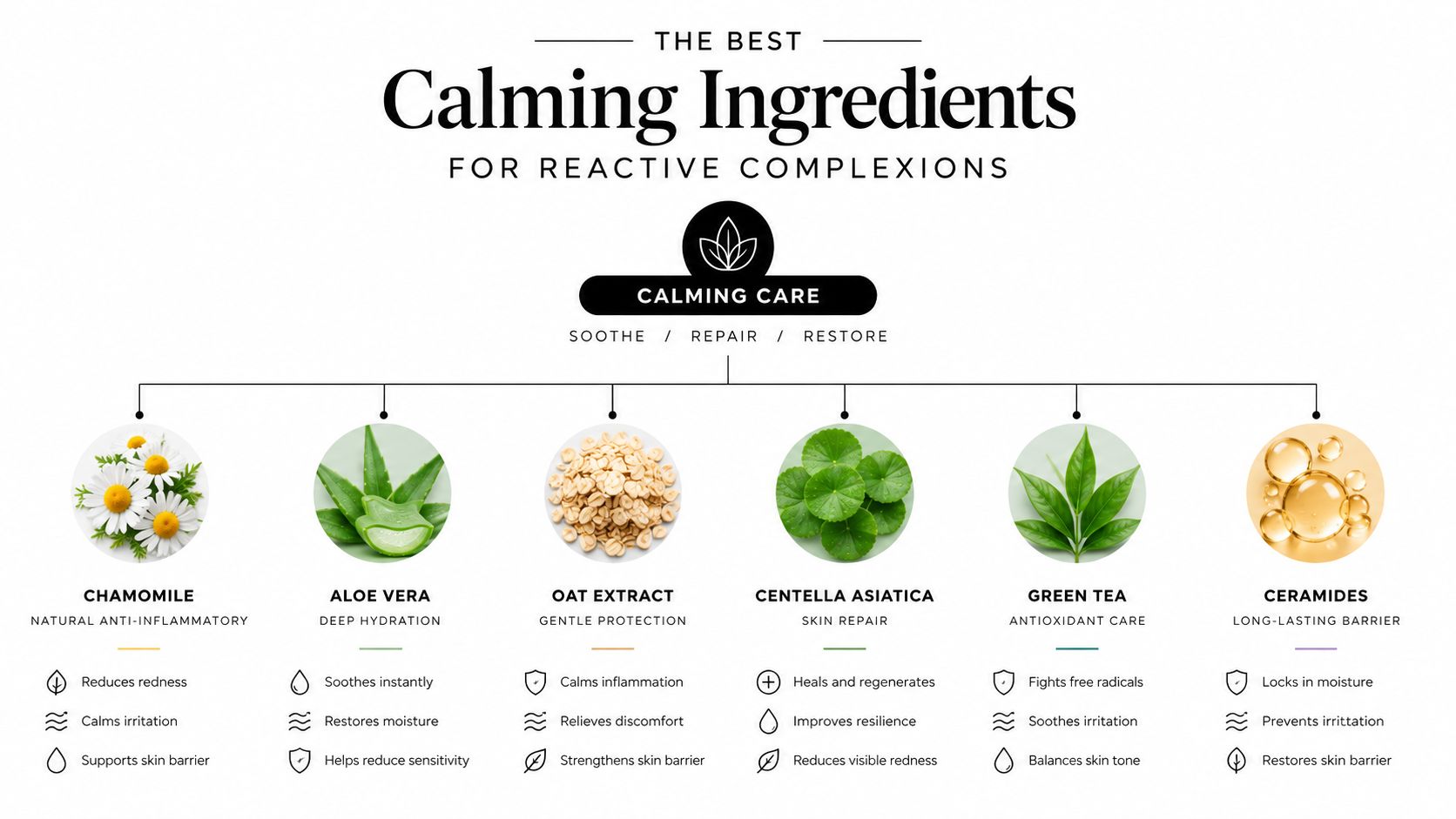
A comfortable mask needs more than a watery texture. Look for ingredients that add water, reduce water loss, and support the surface structure without relying on fragrance or an intense cooling sensation.
Fresh aloe and practical hydration
Aloe vera gel gives a mask a light, water-rich feel that many people enjoy when their face feels hot or tight. Its value depends on the whole formula and the quality of the aloe material, not just on the word “aloe” printed on the front. A product can contain aloe and still be poorly suited to reactive skin if it also includes fragrance, drying alcohol, or a crowded collection of active ingredients.
A short ingredient list is often easier to understand and easier to troubleshoot. Look for aloe alongside familiar hydrators such as glycerin or hyaluronic acid, then consider whether the rest of the formula adds comfort or unnecessary sensory drama.
Panthenol is another useful supporting ingredient. It helps formulas feel moisturizing and can complement aloe in a lightweight gel or sheet mask. Ceramides perform a different job by helping reinforce the lipid side of the barrier, so a mask containing water-binding ingredients followed by a ceramide moisturizer can make more sense than a mask that promises only instant cooling.
Colloidal oatmeal and surface support
Colloidal oatmeal deserves special attention because its role goes beyond basic hydration. A safety review reported very low irritant potential in repeat-insult patch testing, with low-level reactions in 1.0% of subjects during induction and only one persistent doubtful low-level edema reaction among 2,291 subjects. The oatmeal safety review also discusses formulations that improved hydration significantly by corneometry, with results comparable to a prescription barrier-repair cream for skin severity and itch.
That evidence supports a more useful way to judge a soothing mask. Ask whether it helps the skin feel less tight and more resilient, not just whether it feels cool for a few minutes.
Centella asiatica, also known as cica, can be another thoughtful addition. Research on cosmetic formulas containing centella found improvements in redness, transepidermal water loss, and skin pH compared with control areas, while a facial study involving 88 female participants reported relief from sensations such as irritation, tautness, and itching. If you're curious about how a professional treatment approaches sensitive skin, what to expect from a facial provides useful context before booking one.
Selection Criteria and Ingredients to Avoid
Read a soothing mask label as if you're choosing a meal for someone with a very sensitive palate. A long list isn't automatically bad, but every extra fragrance component, exfoliating acid, or intense sensory agent creates another possible source of discomfort.
Start with the front of the package, then ignore the marketing language and inspect the ingredient list. “Cooling,” “detoxifying,” and “tingling” describe a sensation or a sales position, not proof that the formula supports the barrier.
Use this label test
Choose a formula with a clear purpose. Aloe, glycerin, colloidal oatmeal, ceramides, panthenol, and hyaluronic acid can all make sense in a comfort-focused product. A fragrance-free, alcohol-free formula with a manageable ingredient list is usually easier to assess than a heavily scented mask combining several strong actives.
Dermatologist guidance from the American Academy of Dermatology's facial mask recommendations advises sensitive skin users to avoid fragrance, essential oils, rubbing alcohol, and strong exfoliants. It identifies options such as hyaluronic acid, ceramides, glycerin, and colloidal oatmeal as more suitable choices.
| Ingredient Category | Examples to Look For | Examples to Avoid |
|---|---|---|
| Water-binding ingredients | Glycerin, hyaluronic acid, aloe vera | Formulas dominated by drying alcohol |
| Barrier-supportive ingredients | Ceramides, panthenol, colloidal oatmeal | Products that leave skin tight after drying |
| Plant-based comfort ingredients | Aloe, centella asiatica, cucumber | Essential oils used for scent or sensation |
| Formula design | Fragrance-free, simple, gentle | Parfum, synthetic fragrance, “strong cooling” blends |
| Treatment format | Soft sheet, hydrogel, or rinse-off gel | Peel-off, abrasive, clay-heavy, or strongly exfoliating masks |
Menthol and alcohol can make skin feel cool or weightless, but that sensation can distract from a formula that leaves the surface drier. Don't use a tingling response as evidence that a mask is effective. On already uncomfortable skin, tingling that grows stronger is a reason to stop, not a sign to wait longer.
For a deeper look at label decisions, Aloderma's ingredient guide on what to avoid in skincare can help you recognize common sources of unnecessary irritation.
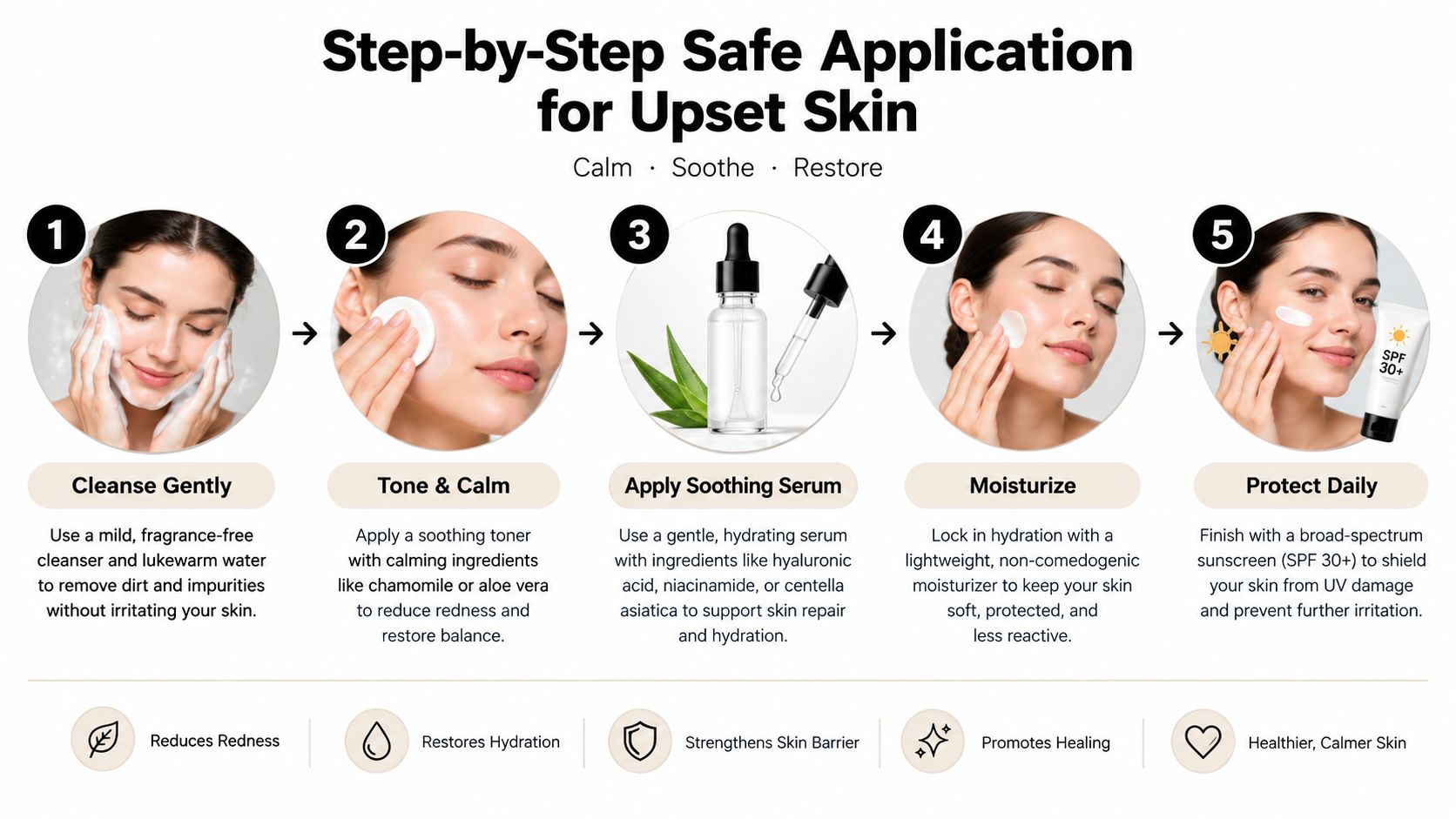
Step-by-Step Safe Application for Upset Skin
A mask should be a quiet part of your routine, not an endurance test. If your face is already uncomfortable, apply less pressure, use less heat, and give the formula less time to prove itself.
Prepare without over-cleansing
Wash your hands, cleanse with a gentle product, and pat your face dry. Don't scrub, use a cleansing brush, or apply the mask directly after a strong exfoliant. If your skin is cracked, weeping, or sharply painful, skip the mask and keep the routine minimal.
Patch test a small amount on an inconspicuous area first. The inner forearm or behind the ear works well. Leave it on for the intended wear time, rinse, and observe the area through the following day. A patch test can't guarantee a perfect facial experience, but it can reveal obvious incompatibility before you cover your entire face.
Apply a thin, even layer
Use clean fingers or the applicator supplied with the product. Keep the mask away from the eye area and hairline, where removal can create extra rubbing. If you're using a sheet mask, smooth it into place without repeatedly lifting and repositioning it.
Follow the package timing, but don't leave a sheet mask on until it becomes dry. Once the fabric dries, it can feel tight and may pull moisture from the surface instead of leaving the comfortable, damp finish you wanted.
A gentle mask should feel quiet on the skin. It doesn't need to sting, burn, or feel dramatically active.
A mild, brief cooling sensation can come from the water-rich texture or the temperature of the product. Burning, escalating stinging, spreading warmth, swelling, or increasing redness is different. Rinse immediately with lukewarm water if those warning signs appear, and don't try to neutralize the reaction with another active product.
Remove the mask slowly. Rinse a gel mask without rubbing, pat dry, and apply a plain moisturizer while the skin still feels slightly damp. The goal is to preserve the comfort you created rather than start another cycle of handling.
Pairing Your Mask with a Supportive Daily Routine
A mask can add a short period of comfort, but your everyday products determine whether that feeling lasts. After removal, apply a moisturizer with ceramides, glycerin, or another familiar barrier-supportive combination. If your skin prefers oils, a very light layer of jojoba or sunflower seed oil can help reduce the dry feel without turning the routine into a heavy coating.
Keep mask night simple. Cleanse gently, apply the mask, moisturize, and stop. Strong retinoids, exfoliating acids, and high-activity vitamin C products can wait for another evening when your skin feels settled.
Build around the skin's current mood
If your cheeks feel tight but your forehead becomes oily, choose a light gel or sheet mask and apply moisturizer selectively. You don't need to cover every area with the same amount of product. A thin layer on the forehead and a more generous amount on the cheeks can feel more balanced.
If you spend the day in heated or air-conditioned rooms, focus on regular moisturizing rather than adding masks repeatedly. A Tea for optimum skin health guide can offer broader lifestyle ideas, but no drink replaces direct, consistent skin-barrier care.
Use sunscreen during the day, especially when your routine has been unsettled. Avoid adding several new products at once. If your skin improves, you'll want to know which change helped.
Why Freshness Matters in Aloe-Based Formulations
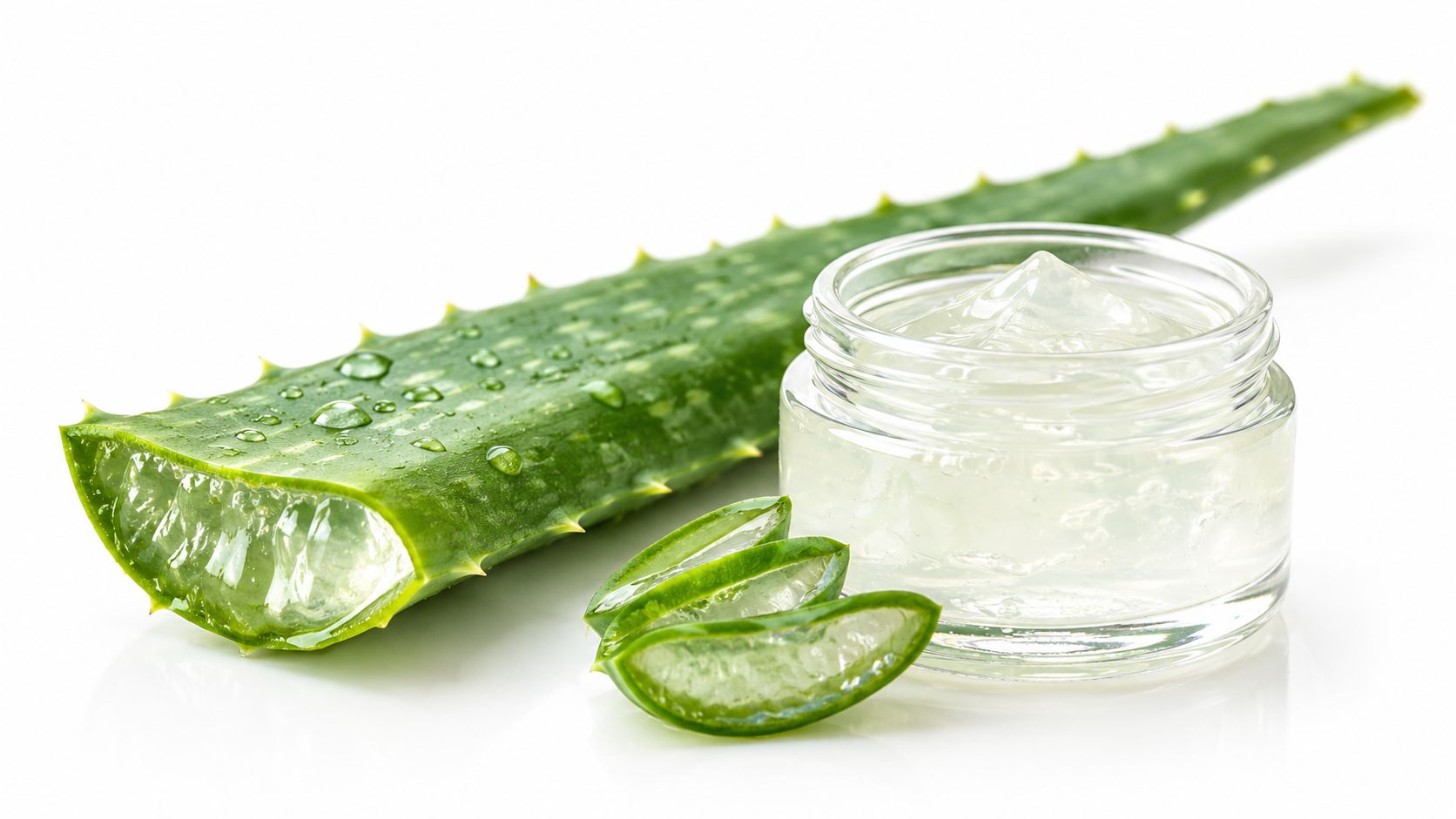
Aloe quality begins before the ingredient reaches a mixing tank. Once an aloe leaf is cut, natural enzymatic reactions and bacteria can start breaking down the gel. A review of aloe processing explains that filleting should be completed within 36 hours of harvest to help preserve biological activity, with refrigerated transport used to protect sensitive components. You can read more about storage and stability in how long aloe vera lasts.
Farm control changes the formulation question
Aloderma is a fully vertically integrated aloe vera company. The company grows its own organic aloe vera, processes the plant material, and manufactures onsite within 12 hours of harvest. That farm-to-formula control is designed to keep the primary aloe ingredient in its products as bioactive and effective as possible.
The comparison is straightforward. A formula made with material processed soon after cutting has a shorter gap between harvest and production. A formula made from a reconstituted powder or older bulk material follows a different path, and the label may not tell you how long the original leaf traveled before processing.
Freshness doesn't make every aloe product suitable for every person. You still need to check the complete ingredient list for fragrance, alcohol, essential oils, and preservatives that your skin may not tolerate. But when aloe is the central ingredient, harvest-to-processing time is a sensible quality question rather than a decorative brand detail.
Choosing a lightweight aloe format
For a quick, water-rich application, compare a pure gel with a sheet mask. A gel lets you control the thickness and rinse it away when your skin has had enough. A sheet mask holds a damp formula against the face and can feel convenient after travel, dry indoor air, or a long day.
Aloderma's Aloe Hydrating Sheet Mask is positioned as a comforting aloe-based option. For a simpler format, the Aloe Vera Gel can be applied in a thicker layer for 15 to 20 minutes as a rinse-off mask, then followed with moisturizer. These formats let you choose between sustained sheet contact and a customizable gel layer.
Frequently Asked Questions About Soothing Masks
How often should I use a soothing mask?
Start conservatively. During a period of discomfort, use a gentle mask only when your skin tolerates basic cleansing and moisturizing without increasing stinging. For maintenance, occasional use is usually more sensible than masking every night. If your face feels tighter or more flushed afterward, extend the gap between applications.
A mask is a supplement to a routine, not a replacement for daily moisturizer. If you keep reaching for one because your skin feels uncomfortable every day, look at the cleanser, exfoliants, fragrance, and moisturizer in the rest of your routine.
Can I sleep in a sheet mask?
Don't sleep in a standard sheet mask unless the packaging specifically says it's designed for overnight use. As the material dries, it can become tight and uncomfortable, and prolonged contact increases the amount of time your skin is exposed to every ingredient in the formula. Remove it at the stated time, then apply a simple moisturizer.
What should I do if the mask stings?
Rinse it off if the sensation is burning, persistent, spreading, or becoming stronger. Pat dry rather than rubbing, and use a familiar, fragrance-free moisturizer. Don't apply exfoliants, retinoids, essential oils, or another mask to correct the reaction.
Can I use one during a seasonal change?
Adjust based on how your skin feels. In cold, dry weather, a richer moisturizer after a short hydrating mask may be useful. In humid weather, choose a lighter gel or sheet format and avoid a heavy final layer if it makes you feel greasy or congested.
Is aloe enough on its own?
Aloe can provide a refreshing, lightweight source of hydration, but it may not be enough to keep water in the skin by itself. Pair it with a moisturizer that supplies barrier-supportive lipids or humectants. The combination is more practical than expecting one mask to solve every comfort issue.
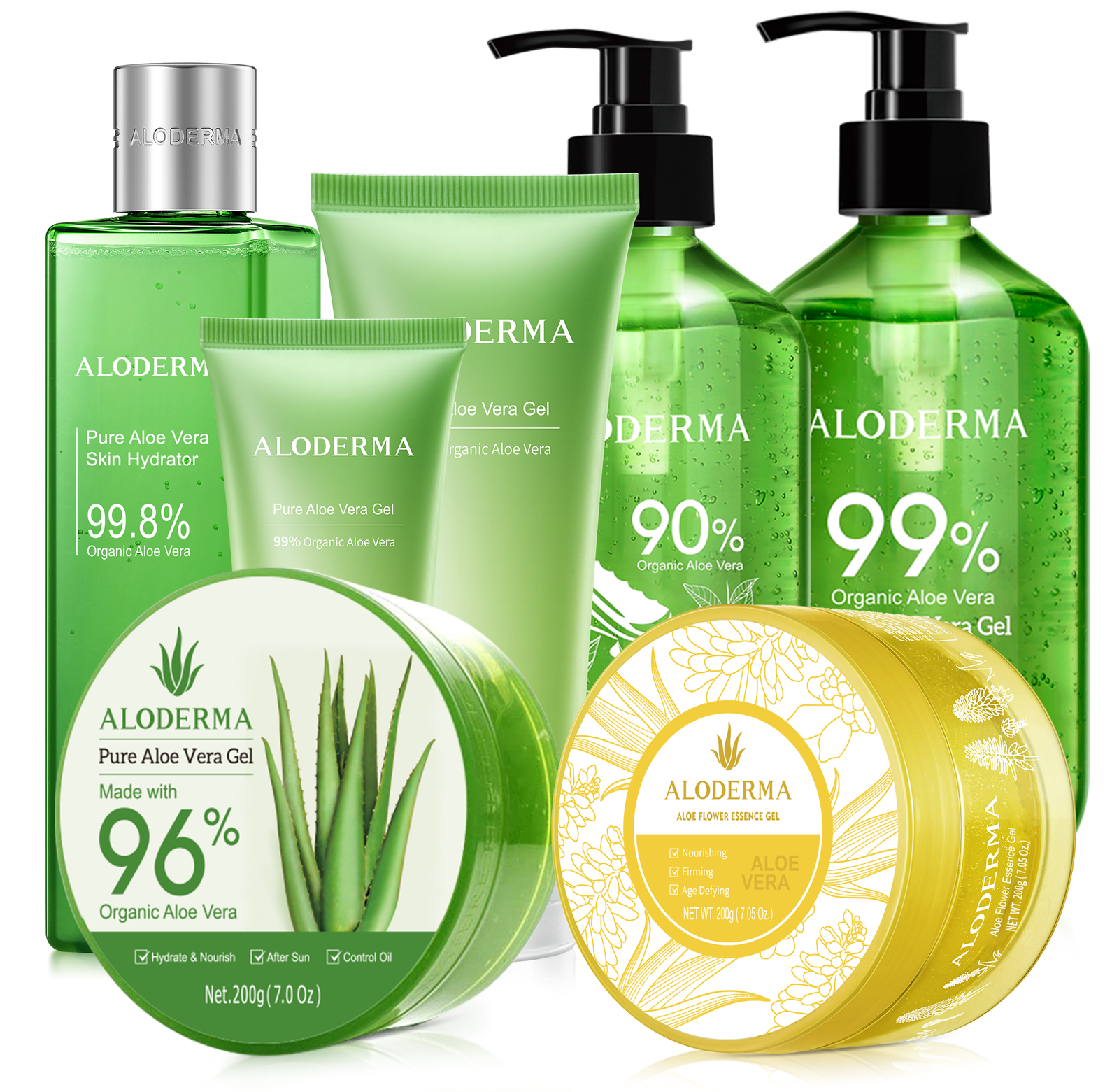
Choose ALODERMA for fresh organic aloe vera products, including a customizable Aloe Vera Gel and an Aloe Hydrating Sheet Mask designed for lightweight hydration. Visit ALODERMA to explore aloe-based skincare and build a simpler routine for skin that needs comfort without unnecessary heaviness.