



You're standing at the bathroom mirror late at night, hoping this new hydrating serum will finally make your skin feel comfortable. Instead, your cheeks sting, your face feels tighter, and a flushed-looking patch appears where you expected a cool, soothing layer. The bottle promised plump, glass-like skin, but your complexion seems to reject every formula you try.
That cycle is exhausting. You buy another viral product, scan another ingredient list that reads like a chemistry exam, and wonder whether you're choosing badly or asking too much from your skin. The problem isn't your effort. Many serums prioritize strong actives, fragrance, or a quick surface effect instead of supporting the barrier first.
A calmer approach starts with a few reliable signals. Look for ingredients that bind water, support the skin's lipid structure, and reduce the chance of unnecessary irritation. Then consider how the serum is processed and how you apply it. This guide will help you evaluate any label, understand the damp-skin question, and decide whether a fresh aloe-based formula suits your routine.
When Every Serum Feels Like a Gamble
The latest bottle usually begins with hope. You cleanse, apply a few drops, and wait for the promised cushion of moisture. Within moments, your skin may feel hot or tight instead of soft, leaving you reluctant to apply the moisturizer that was meant to finish the routine.
For someone with dry, reactive skin, even a small reaction can change the entire evening. A product that feels fine on the forehead may sting along the cheeks. A scented serum may seem pleasant in the bottle but become distracting once it sits on already uncomfortable skin. After enough disappointing purchases, skincare starts to feel less like self-care and more like a test you keep failing.
A useful reset: Stop asking which serum is most popular. Ask whether its formula supports moisture retention without adding avoidable triggers.
The label often tells you more than the front of the package. “Hydrating” can describe a product built mainly around humectants, while a dry-sensitive complexion may also need lipids that help reduce water loss. “Natural” doesn't automatically mean gentle, and a botanical ingredient can still be unsuitable if the formula contains a strong fragrance blend or essential oils.
A slower way to choose
Start with the skin's immediate experience. If your face feels tight after cleansing, flakes under makeup, or becomes uncomfortable whenever the weather turns cold, focus on barrier-friendly hydration before adding exfoliating or renewing ingredients. If a serum repeatedly stings, don't keep using it in the hope that your skin will “get used to it.”
The best hydrating serum for dry sensitive skin won't necessarily be the thickest, most expensive, or most talked-about product. It should give your skin water-binding support, some help with moisture retention, and a texture you can use consistently. A short, recognizable ingredient list is often easier to evaluate than a crowded formula built around multiple high-strength actives.
What Dry Sensitive Skin Actually Needs
Think of the outer layer of your skin as a brick wall. The skin cells are the bricks, while ceramides and other lipids help form the mortar between them. When that mortar becomes uneven or weakened, water escapes more easily and outside substances can reach areas that feel uncomfortably exposed.
That slow escape of water is called transepidermal water loss, or TEWL. Dermatology references use higher TEWL as an indicator of weaker barrier function and greater moisture loss, which helps explain why compromised skin often feels tight, dry, and more reactive. Dermatology Times explains the relationship between TEWL and sensitive skin.

Two routes to the same discomfort
Some people have a complexion that has always reacted quickly to temperature, products, or friction. Others notice sensitivity after using harsh cleansers, exfoliating too often, or spending time in cold, dry air. These experiences aren't identical, but they can share a practical need: reduce moisture loss and avoid adding more stress to the surface.
That's why a barrier-first routine is more useful than chasing a dramatic sensation. A serum can add water to the upper layers, but a formula that also supports the lipid structure may help the skin hold onto that water more comfortably. Ceramide-containing moisturizers have been shown in clinical dermatology literature to increase hydration and reduce TEWL, with benefits reported after a single application and stronger outcomes with repeated use over a 28-day period. The Skin Barrier and Moisturization Function review discusses these findings.
For a plain-language guide to supporting this wall-like structure, see ALODERMA's explanation of how to improve the skin barrier. The central lesson is simple: hydration and barrier support work best together.
Ingredients That Hydrate Without the Sting
A serum for dry, sensitive skin has two jobs: bring water to the surface and help the skin stay comfortable while it holds that water. A label focused only on quick plumping can leave tightness behind. Read the formula like a small support system, with ingredients assigned different roles.
Start with soothing support
Aloe vera offers a lightweight, water-rich base. Centella asiatica, panthenol, allantoin, and oat-derived avenanthramides are also commonly chosen for formulas intended to feel gentle. They are not interchangeable, so assess what each ingredient contributes rather than treating every soothing claim as equivalent.
Glycerin, hyaluronic acid, and beta-glucan are humectants. They attract and bind water, helping create a fuller, more hydrated feel. Glycerin is useful to notice if indoor air is dry, because independent moisturizer guidance describes it as performing well even in low humidity, while hyaluronic acid and film-formers may work less effectively in very dry surroundings. Wirecutter's moisturizer review discusses this ingredient difference.
Ceramides and squalane support the emollient side of a formula. They soften the spaces between surface cells and help reduce the conditions that make skin feel rough or stretched. Urea also deserves a place on the label checklist. A dermatology review cites a 2015 meta-analysis in which urea-containing moisturizers had the strongest evidence for improving SCORAD, a severity measure used in atopic dermatitis research. The dermatology review provides that background.
Application matters as much as the ingredient list. Apply a hydrating serum to slightly damp skin, then follow with a moisturizer. The damp surface gives water-binding ingredients something to hold, while the moisturizer helps slow its escape. Applying a humectant serum to completely dry skin and stopping there can explain why the initial comfort fades.
Ingredients to flag
Fragrance, denatured alcohol high on the list, menthol, peppermint, and strongly aromatic essential oils may be poor matches for skin that stings easily. High-strength glycolic or lactic acid can also add unnecessary irritation when comfort and moisture retention are the immediate goals.
| Category | Look For | Approach With Caution |
|---|---|---|
| Soothing ingredients | Aloe vera, centella asiatica, panthenol, allantoin, oat-derived ingredients | Strongly aromatic botanical blends |
| Humectants | Glycerin, hyaluronic acid, beta-glucan | Humectant-only formulas that leave tightness behind |
| Barrier support | Ceramides, squalane, lipid systems | Heavy formulas that feel uncomfortable or congested |
| Potential triggers | Short, familiar ingredient lists | Fragrance, denatured alcohol, menthol, peppermint, citrus or lavender essential oils |
| Active treatments | Gentle, clearly explained formulas | High-strength glycolic or lactic acid when skin is already reactive |
Aloe-first formulas with centella and panthenol can cover several needs without making the routine complicated. For a closer look at water-binding choices, read ALODERMA's pure hyaluronic acid serum guide.
Humectants, Emollients, and Occlusives Compared
The three hydration families work differently, and confusing them is one reason a serum can feel effective for a few minutes but disappointing later.
Humectants attract water into the outer layer of skin. Glycerin and hyaluronic acid are familiar examples, and aloe vera can contribute water-binding support in a lightweight formula. Humectants create the initial “drink of water” sensation, but they don't always provide enough structure to slow evaporation on their own.
Emollients smooth the spaces between surface cells. Squalane, ceramides, and fatty acids help create a more flexible surface, which can feel especially helpful when dryness makes the skin feel rough or stretched. A ceramide-containing product may support both hydration and reduced TEWL, rather than delivering only a temporary surface effect.
Occlusives form a film over the skin. Dimethicone and plant waxes are examples. They can help seal moisture in, but a very heavy layer may feel uncomfortable for people who prefer breathable textures or who find rich products overwhelming.
A balanced formula has more than one role
Imagine applying a humectant-only serum to skin that is already very dry. It may feel plumper at first, yet the surface can become tight again if there isn't enough emollient or moisturizer afterward. That doesn't mean the humectant failed. It means the routine is incomplete.
| Hydration Class | What It Does | Gentle Examples to Look For | Watch Outs |
|---|---|---|---|
| Humectants | Attract and bind water | Glycerin, hyaluronic acid, aloe vera, beta-glucan | Temporary feel if nothing helps retain moisture |
| Emollients | Smooth and support the lipid structure | Squalane, ceramides, fatty acids | A texture that feels too rich for daily use |
| Occlusives | Form a surface layer that slows evaporation | Dimethicone, plant waxes, a simple moisturizer | Excessive heaviness or discomfort |
The practical target is a layered system. A humectant base draws in water, an emollient improves softness and flexibility, and a light finishing layer helps keep the result in place. This is why the best hydrating serum for dry sensitive skin is often not the product with the longest list of water-binding ingredients. Balance matters more than a single hero ingredient.
How to Read a Serum Label Like a Formulator
Front-label language is a starting point, not proof. Words such as “hydrating,” “soothing,” and “natural” can help describe a product's positioning, but they don't tell you whether the formula contains enough of the ingredients your skin needs or whether it includes additions you'd rather avoid. “Clean beauty” also isn't a regulated term, so treat it as marketing language rather than a technical guarantee.
Read from the beginning
Cosmetic ingredient lists generally place ingredients in descending order by amount, with some exceptions for ingredients used at low levels. The first entries give you a useful picture of the formula's base. Is water followed by aloe, glycerin, or another humectant? Do ceramides, squalane, or panthenol appear in a meaningful part of the list? Is fragrance near the beginning, or is it absent?
The first five entries are often described as representing roughly 80% of a formula, but that specific rule should be treated as a rough industry shortcut rather than a universal fact. Ingredient position still matters because it helps you distinguish an aloe-led formula from one that places aloe imagery on the package.

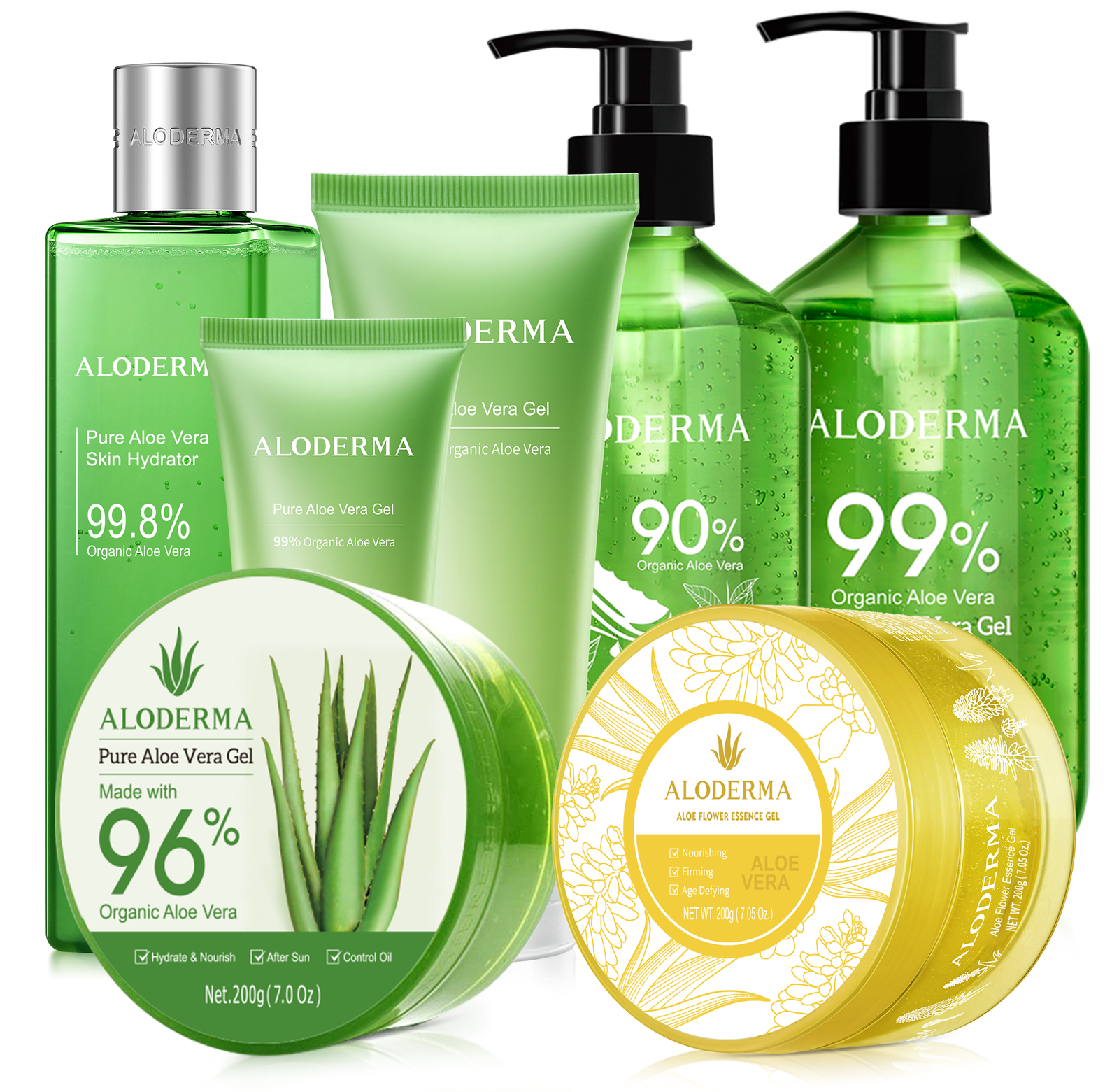
Fresh processing adds another useful layer of evaluation. ALODERMA is a fully vertically integrated aloe vera company that grows its own organic aloe vera, processes it, and manufactures products onsite within 12 hours of harvest. The brand presents this as a way to keep aloe as fresh and bioactive as possible in its formulas. Independent aloe-processing literature notes that shortening the time between harvest and processing can help preserve bioactive compounds, while excessive heat can reduce active polysaccharides. This review discusses aloe processing considerations.
A quick label checklist
- Green flag: Aloe, glycerin, panthenol, ceramides, or squalane appear early enough to support the formula's stated purpose.
- Green flag: The product gives clear usage directions and identifies its fragrance approach.
- Yellow flag: The front label promises multiple dramatic effects, but the ingredient list is crowded with strong actives.
- Red flag: Fragrance, essential oils, menthol, or denatured alcohol appear prominent in a product aimed at sensitive skin.
- Useful comparison: If you're exploring a plant-based option beyond aloe, review the ingredient approach of this natural facial serum from Fillaree.
Patch Testing and Building Your Routine
A patch test is a cautious first filter, not a guarantee that your face will tolerate a formula. Apply a small amount behind the ear or on the inner forearm, then leave the area undisturbed while watching for immediate or delayed changes. For a step-by-step reference, see this guide to how to patch test skincare.

Use a measured introduction
Wait 24 to 48 hours before deciding whether the test area is comfortable. Check for redness, stinging, or delayed bumps. If the skin stays clear, apply the serum to a small facial area before using it more broadly. Stop if irritation appears instead of repeating the test.
Application surface matters. Humectant-rich serums, including formulas built around hyaluronic acid or glycerin, often feel more comfortable on slightly damp skin. Wirecutter's hydrating serum guidance addresses this application point. Skin that is very dry or compromised may sting when a product meets a completely dry surface, so aim for light moisture rather than dripping skin.
Application check: Cleanse gently, leave a little moisture on the skin, apply the serum, then follow with a moisturizer while the surface still feels comfortable.
Keep the first routine simple
Layer products from thinnest to thickest. A practical morning sequence is gentle cleanser, hydrating serum, moisturizer, and sunscreen. At night, use cleanser, serum, and moisturizer. Leave other treatments out until you know the new formula suits you.
Pause retinoids and exfoliating acids during the first two weeks of introduction. These ingredients are not automatically unsuitable, but removing them reduces variables. If stinging or tightness develops, you can more clearly assess whether the serum is responsible.
A clinical study of a facial hydrating serum reported improved dryness and softness after two weeks when the serum was used with a moisturizer, with no adverse events reported in that study. The published clinical evaluation is available through PMC. Your own progress may show up as less tightness after cleansing, softer flaky patches, or greater comfort through the day.
Watch for the opposite pattern: increasing tightness, persistent redness, or a rougher surface after exfoliation. Those signs call for stopping the new product and simplifying the routine.
Putting It All Together for Calm, Lasting Hydration
Choosing a serum becomes easier when you reduce the decision to a few essentials. Start with a humectant such as glycerin, aloe vera, or hyaluronic acid. Look for barrier-support ingredients such as ceramides, squalane, or panthenol. Prefer minimal fragrance and essential oils, and choose a formula whose pH and texture feel comfortable rather than sharp, hot, or drying.
A fresh aloe-led formula can fit this profile because aloe provides a lightweight hydrating base with a soothing feel, while supporting ingredients can address comfort and moisture retention. Aloderma's farm-to-skin model is relevant here: the company grows its own organic aloe, processes it onsite, and manufactures its products within 12 hours of harvest. That shortened path is designed to preserve the natural qualities of the primary aloe ingredient, with aloe-processing literature also emphasizing the importance of timely processing and careful heat control.
A routine you can start today
Morning: Cleanse gently, leave skin slightly damp, and press in a small amount of hydrating serum. Follow with a simple moisturizer, then daily sunscreen.
Evening: Cleanse, apply the serum to slightly damp skin, and finish with moisturizer. Keep the rest of the routine quiet until your skin has shown that it can tolerate the new product.
A facial-care overview from ProMD Health Columbia's hydrating facial guide can offer additional context on professional hydration-focused care, but daily consistency still begins with a formula and routine you can comfortably repeat.
Your buying checklist
- Barrier first: Does the formula combine water-binding support with ingredients that help retain moisture?
- Gentle profile: Is fragrance minimal or absent, with no prominent menthol, peppermint, or essential oils?
- Label clarity: Can you identify the main ingredients without relying only on front-of-pack claims?
- Freshness story: Does the brand explain how its plant ingredients are grown, processed, and handled?
- Application fit: Can you use it on slightly damp skin and seal it with a moisturizer?
- Reaction check: Will you patch test before applying it across your face?
The best hydrating serum for dry sensitive skin is the one that leaves your face feeling more settled, not more active. If your skin feels comfortable after application and remains soft rather than tight, you've found a more useful signal than a viral claim.
ALODERMA offers fresh aloe-based skincare, including lightweight hydrators and serums designed to support comfortable daily moisture for sensitive-feeling skin. Visit ALODERMA to explore the range, compare ingredient-focused formulas, and choose a simple aloe-led routine that fits your skin.