



You wash your face, apply the moisturizer that used to feel fine, and now it stings. By the end of the day, your skin feels tight, looks a little shiny in the wrong places, and somehow still thirsty. That's the moment to start searching for how to improve skin barrier health, because the problem usually isn't that skin needs more steps, it's that it needs fewer irritants and better support.
What Your Skin Barrier Actually Does
The skin barrier is the outer layer that decides what stays in and what gets out. When it's working well, it helps hold moisture in place and keeps everyday stressors from making skin feel reactive. When it's struggling, the clues are easy to spot, tightness after cleansing, stinging with products you used to tolerate, and dryness that keeps coming back even when you moisturize.
That outer layer is often described as a bricks and mortar structure. The skin cells are the bricks, and lipids act like the mortar that holds everything together. If that mortar gets thin or disorganized, water escapes more easily, which is why transepidermal water loss, or TEWL, matters as a signal of barrier strength, lower TEWL generally means better barrier function PubMed review on barrier health.

What to notice on your own face
If your barrier is asking for help, it usually says so in plain language. Skin may feel rough after washing, makeup may sit oddly, or a moisturizer may suddenly burn instead of comfort. Those are all signs that the routine is doing too much and the lipid matrix needs a calmer reset.
The other piece people miss is the acid mantle, the slightly acidic surface environment that helps skin stay resilient. A gentle routine supports that environment instead of stripping it, which is why cleanser choice and product layering matter so much. Once you understand that barrier care is about preserving structure, not just adding hydration, the next steps start to make sense.
Practical rule: if a product makes skin feel worse within minutes, don't keep testing it for a week and hoping for magic. Step back, simplify, and let the skin stop signaling distress first.
For a closer look at how sensitivity shows up in everyday routines, this guide on sensitive skin is a useful companion read.
The First 48 Hours of a Barrier Reset
The first two days are about subtraction, not addition. People often reach for stronger cleansers, more actives, or another exfoliating pad when skin feels off, but that usually keeps the cycle going. The smarter move is to give skin a quiet stretch with only the basics it needs.

What to pause right away
Hot water, foaming washes that leave skin squeaky, scrubs, acids, retinoids, and fragrance-heavy products all make recovery harder. If you've been layering several active products, this is the moment to stop all of them and let the barrier settle. A short pause is usually easier than trying to repair around constant stress.
What to keep within reach
Keep one gentle cleanser, one moisturizer, and one broad-spectrum SPF 30+ nearby, because a simple rotation makes it easier to stay consistent. In the morning, sunscreen still matters because UV exposure delays lipid-matrix repair, and a low-effort routine is the one people stick with. If you need a practical reference for product layering after a peel or a strong treatment, this chemical peel care guide lays out a calm, skin-first approach.
The cleanser should be mild, ideally in the pH 4.5 to 5.5 range, because lower-pH cleansing is less likely to disturb the acid mantle. The moisturizer should go on while skin is still slightly damp, so it can help lock in water instead of sitting on a parched surface. That timing sounds small, but small choices add up fast when skin is reactive.
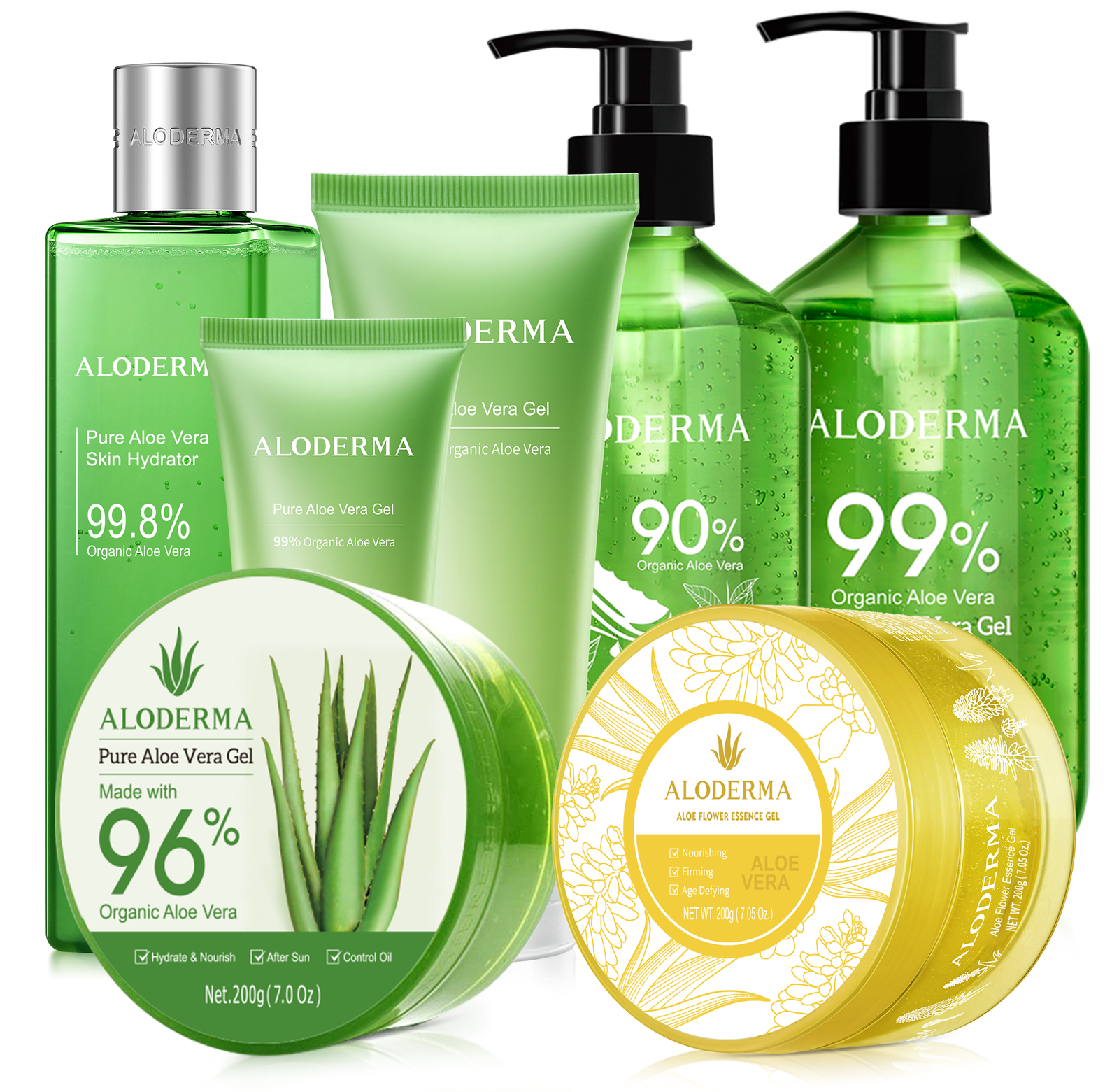
Aloderma fits neatly into that reset mindset because it's a fully vertically integrated aloe vera company, it grows its own organic aloe vera, and it processes and manufactures onsite within 12 hours of harvest so the aloe in each product stays as bioactive and effective as possible. Freshness matters here, because compromised skin tends to do better with gentle, aloe-forward formulas than with crowded routines that try to do everything at once.
Do this, not that: use lukewarm water and a soft towel, not a hot rinse and aggressive rubbing. The skin barrier notices both.
A Gentle AM and PM Routine You Can Actually Keep
Morning can stay very short. If your skin feels fine, a water rinse may be enough, and if it feels oily or dusty, use a gentle cleanser instead. After that, apply a hydrating layer, something aloe-forward works well here, then follow with a barrier-supportive moisturizer on slightly damp skin and finish with SPF 30+.
Morning made simple
Aloe-based formulas are useful because they hydrate without the heavy feel that makes some people quit halfway through the week. If you're comparing products on Aloderma's site, check the ingredient lists on each formula and choose the texture that fits your face, a pure aloe gel for a lighter first layer, or a cream if your skin wants more cushioning.
A calm evening routine usually needs even less. Cleanse once, gently, then apply a moisturizer that contains ceramides, humectants, or both. If your skin still feels dry at the edges, a thin occlusive layer on those spots can help at night, since heavier products can be useful where the barrier is slowest to recover.
Evening without the clutter
A toner or essence can be optional, not mandatory. If you like one, keep it simple and choose a formula that feels soothing rather than busy. The point isn't to assemble a shelf, it's to give skin a repeatable pattern that doesn't trigger new discomfort.
Helpful shortcut: if you can't explain why a product is in your routine, it probably doesn't belong there yet.
For readers who want a straightforward aloe option alongside a barrier cream, ALODERMA offers aloe-based gels and moisturizers that can fit into a minimal routine without piling on extra steps. That's useful when the goal is comfort, not novelty.
Ingredients to Use, Avoid, and Reintroduce Slowly
Good barrier care starts with knowing what each ingredient is doing on the skin. Some ingredients help rebuild the lipid matrix, some draw water into skin, and some are better left out until the surface feels steady again. Once you can sort products by function, label reading gets much easier.

Freshness matters too, especially with aloe. Aloe that moves from farm to bottle within a short window can keep more of the plant's naturally soothing character intact, which is part of why a gentle aloe base can feel different from a product that has sat around and lost some of that liveliness. That ingredient quality is practical, not decorative, because a barrier routine works best when the first layer is calm, simple, and consistent.
The ingredients that usually belong in the use pile
Ceramides, cholesterol, and fatty acids matter because barrier repair is not just about surface softness, it is about restoring the skin's lipid structure. A 2024 review noted that lipid-containing moisturizers and ceramide-containing cleansers can reduce dryness and itch in mature skin, and irritation studies summarized in Frontiers found that a product with ceramide 1 and ceramide 3 reduced TEWL by 32% versus vehicle after barrier disruption, compared with 12% for a product with only one ceramide type PubMed review on skin barrier approaches. That difference matters because lower TEWL generally points to better barrier function.
Humectants like glycerin and hyaluronic acid belong here too, along with panthenol and niacinamide. Earlier clinical review data in the same evidence base noted that niacinamide increased ceramides in xerotic skin and panthenol reduced TEWL while increasing stratum corneum hydration PubMed review on skin barrier approaches. A 2023 review also explains that moisturizers work through three mechanics, occlusives, humectants, and emollients, and that acidic moisturizers can support the chemical barrier by helping optimal enzyme function and increasing ceramide production PubMed review on moisturizer mechanics.
Label clue: if the ingredient list looks more like a repair formula than a fragrance cocktail, that is usually a better fit during recovery.
What to avoid until things calm down
Skip harsh surfactants, high-strength acids, scrubs, and alcohol-heavy formulas while your skin is still reactive. The issue is not that these ingredients are always bad, it is that they can keep a stressed barrier in a cycle of repeated strain. Strongly scented products can do the same, because they may feel pleasant at first and then become a fresh source of irritation.
For a practical list of common triggers, see Aloderma's ingredient guide on what to avoid in skincare. It helps make the “avoid” pile less vague, especially when product labels start to look crowded.
If you want a simple comparison of supportive ingredient styles, this overview of plant-based ceramide cream benefits is a useful read for understanding why lipid-rich formulas are such a common fit for barrier-focused routines.
What to reintroduce slowly
Retinoids, exfoliating acids, and vitamin C can come back later, not first. A practical plan uses a 2-week quiet phase, then restarts retinoids only 1 to 2 nights per week with the sandwich method, moisturizer, pea-size retinoid, thin moisturizer veil Barrier-repair routine guidance. That pacing gives skin a chance to adapt without feeling ambushed.
Aloe-forward formulas fit well in both the use and reintroduction phases because they hydrate, feel light, and pair easily with other barrier ingredients. If you are browsing Aloderma's ingredient pages, look for formulas that stay simple enough to layer without making skin feel coated.
A Realistic Timeline for Skin Barrier Repair
The first signs of repair usually show up in how skin feels, not how it looks. Cleansing may sting less, the face can feel less tight in the morning, and weather changes may stop setting off such a strong reaction. Those shifts are small, but they tell you the routine has stopped adding pressure.

What tends to happen first
During the first week, many people notice that skin feels calmer after cleansing. That does not mean the barrier is fully repaired, it means the routine has stopped scraping at an already stressed surface. Less stinging is still meaningful, even if rough texture or patchiness has not changed much yet.
By around one month, flaking often eases and random dry spots tend to appear less often. This is also the point where consistency starts to matter more than any single product moment, which fits with research on topical natural ingredients showing that regular use, rather than a one-off application, helps move TEWL and hydration in the right direction Topical natural ingredients review.
Freshness matters here too. Aloe that is harvested and processed quickly keeps more of the qualities people are usually looking for in a barrier-supportive formula, especially when the formula needs to feel light while still adding water and comfort. If a brand works farm-to-bottle within 12 hours of harvest, that is not just a marketing line, it is an ingredient quality issue, because fresher aloe can be a better fit for skin that is already reactive and does not want a heavy, complicated product.
Why progress can feel uneven
Barrier repair rarely moves in a straight line. If you bring actives back too early, skin may object for a few days, then settle again once the routine is adjusted. A mild reaction that fades with consistency is different from a product that keeps making skin feel worse every time you use it.
The simplest check is whether skin calms down after use, or whether each application resets the discomfort. That pattern tells you more than the label does.
By about three months, many people can tolerate products that felt impossible at the start, and skin often looks more even because the barrier is spending less energy recovering from daily stress. A routine built around gentle cleansing, moisturizer, sunscreen, and a light aloe-forward hydrator can support that slower return to balance, especially when the formula is simple enough to keep using day after day.
Steady beats intense. A calm routine used often beats a stronger routine used inconsistently.
Troubleshooting Common Barrier Setbacks
If skin starts pushing back again, don't restart from zero. First, look at the smallest recent change, a new cleanser, a fresh active, colder weather, or a heavier cream than usual. Most setbacks can be handled by stepping one notch quieter instead of changing everything.
What to do when skin suddenly stings
Sudden stinging after reintroducing an active usually means the barrier isn't ready for that level of stimulation yet. Pull back to a gentler routine for a few days, or a week if needed, and keep the cleanser, moisturizer, and sunscreen as your only essentials. That pause often helps more than pushing through.
What to do with unexpected tightness or breakouts
New tightness in cold, dry weather often means your skin needs a richer night option or an extra occlusive layer on the driest areas. Breakouts that feel more like roughness or irritation can also come from a routine that's too busy, not necessarily from not cleansing enough. In that case, simplify to a gentle cleanser and a single aloe-based moisturizer, especially if your skin is oily and doesn't enjoy heavy cream.
How to judge a product that used to work
If a product suddenly feels off, don't assume your skin forgot how to use it. Formulas can become too much when the barrier is already taxed, and even a once-comfortable product can need to wait. A lightweight aloe-forward hydrator is often the best daily compromise when you want comfort without a greasy finish.
The trade-off is real. Heavier creams can feel better on a dry patch and worse on an oily cheek, so the right answer is usually texture matching, not forcing one product to do everything.
Simple Product Pairings and a Sustainable Rhythm
A simple reset can start with just a pure aloe gel and a ceramide moisturizer. If you want a little more hydration, a toner, serum, and cream can work too, as long as each step has a job and none of them add irritation for the sake of variety. Aloderma's lineup includes aloe gels, hydrators, toners, serums, creams, sheet masks, and cleansers, so you can keep the routine lean or layer it gently depending on what your skin wants.
Aloderma grows and processes its own organic aloe on-site within 12 hours of harvest, and its formulas feature at least 95% naturally derived ingredients with ECOCERT, USDA, and EU Organic certifications, which matters when you're choosing ingredients for reactive skin. Freshness and cleanliness are part of the quality story here, not a side note.
A good rhythm is simple, calm, listen, adjust, repeat. That's the version people can keep for years, not just until the next trend shows up.
If you're ready to build a routine around fresh aloe and barrier-supportive formulas, visit ALODERMA and look through the product and ingredient pages to find a cleanser, aloe gel, or moisturizer that fits the way your skin feels day to day.