



When you're on the hunt for the best ingredients for oily skin, you'll want to look for balancing heroes like Niacinamide, pore-clearing acids like Salicylic Acid, and feather-light hydrators like Aloe Vera. The real trick is managing all that extra shine and keeping blemishes at bay without completely stripping your skin of its natural moisture. Imagine finally looking in the mirror midday and seeing a calm, balanced complexion instead of a frustrating oil slick. That confidence is what the right ingredients can give you.
Understanding Your Oily Skin's Needs
Think of your skin as a delicate little ecosystem. When it gets oily, it’s because that ecosystem is producing way too much sebum—kind of like a garden that’s been overwatered. It’s a totally natural process, but when things get out of whack, you're left dealing with frustrating shine, visibly larger pores, and breakouts that seem to pop up out of nowhere.
The first instinct for many of us is to grab the harshest, most stripping products we can find, hoping to dry out the oil for good.
Unfortunately, that plan usually backfires, big time. When you aggressively strip away your skin’s natural oils, you’re actually damaging its protective barrier. Your skin panics, thinks it’s dehydrated, and its response is to pump out even more oil to compensate. This kicks off a frustrating cycle of oiliness and irritation that can feel impossible to escape. For a deeper dive into what causes this imbalance, you can check out our guide on oily skin causes and prevention.
The true philosophy for happy, healthy skin is all about balancing, not battling. The goal isn’t to erase every last drop of oil, but to gently get it under control with smart, nourishing ingredients that bring everything back into harmony.
This is where the foundation of your routine becomes critical. Instead of starting with ingredients that strip, you should begin with ones that soothe and hydrate without adding weight or clogging pores.
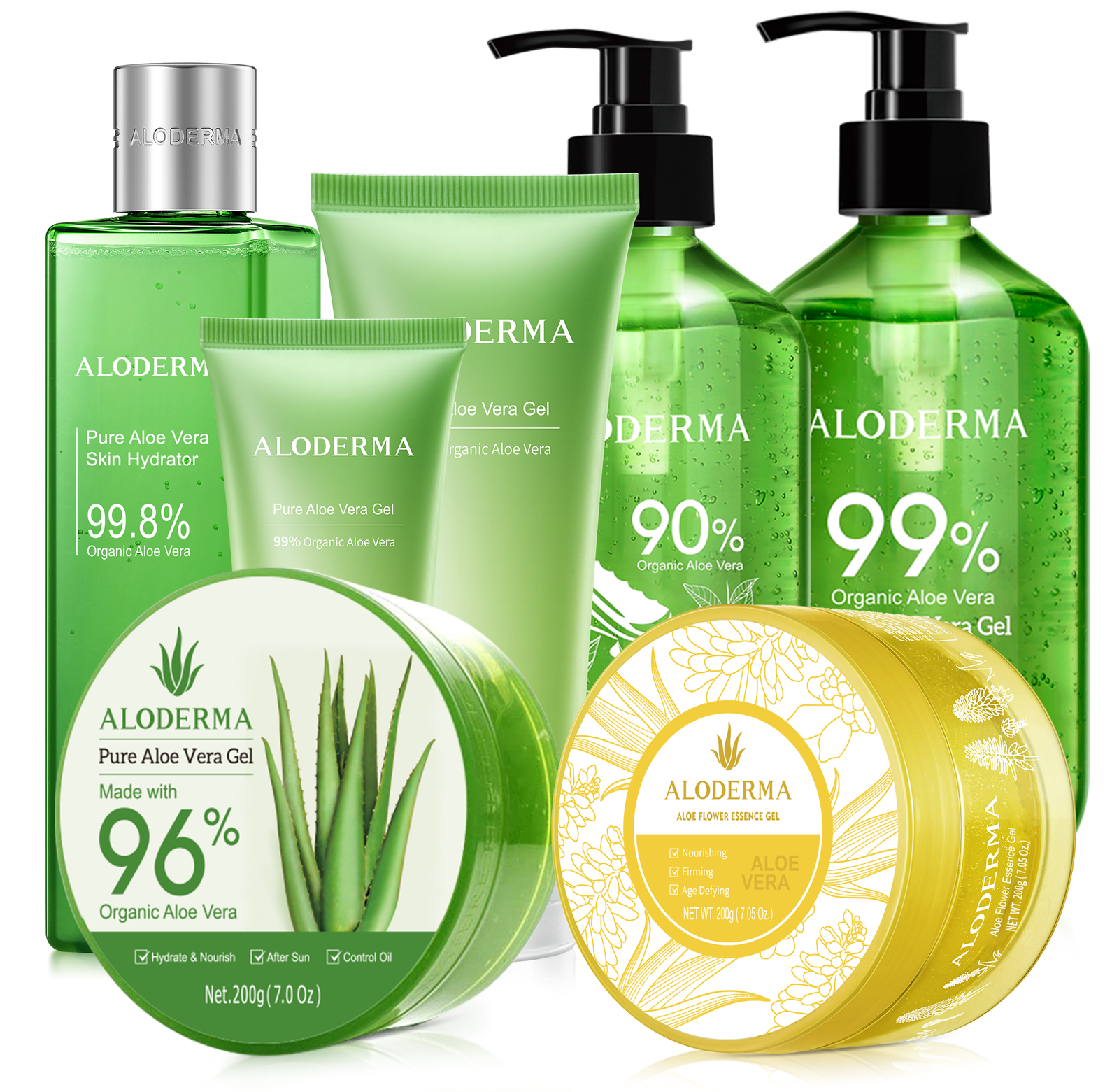
At ALODERMA, we live by this balancing approach, which is why we make fresh, farm-grown aloe vera the star ingredient in every single product. As a fully vertically integrated aloe vera company, we grow all of our own organic aloe vera and process it onsite within 12 hours of harvest. This isn't just a marketing claim; it's our promise to you. By controlling every step, we ensure the primary ingredient found in every one of our products is the most bioactive and effective aloe vera possible, delivering lightweight hydration that calms and rebalances your skin. It creates the perfect, gentle foundation, setting the stage for other powerful ingredients to work their magic without causing irritation.
The A-List Ingredients That Tame Oil and Blemishes
Navigating the world of skincare can feel overwhelming, especially when you have oily or blemish-prone skin. But finding the right ingredients is like finally assembling your skin's dream team. The goal isn't to blast away oil with harsh products; it's to find smart players that control shine, clear out pores, and calm irritation without making your skin panic and produce even more oil. It's all about finding that perfect balance between power and gentleness.
This is often where the frustrating cycle begins. You use a stripping product, your skin freaks out, and you end up in a worse spot than when you started.
This constant battle only leads to more trouble. The key is to break that cycle with ingredients that work with your skin, not against it. Let’s meet the A-listers that will help you get there.
Before we dive deep into each one, here’s a quick cheat sheet to get you started.
Top Ingredients For Oily Skin At A Glance
| Ingredient | Primary Benefit | Best For |
|---|---|---|
| Niacinamide | Regulates oil, refines pores | Enlarged pores, excess shine |
| Salicylic Acid | Deep-cleans pores, exfoliates | Blackheads, active breakouts |
| Zinc | Calms inflammation, reduces redness | Angry, red blemishes |
| Aloe Vera | Soothes, hydrates without grease | All oily skin, especially sensitive |
| Hyaluronic Acid | Lightweight hydration | Dehydrated-oily skin |
| Green Tea | Antioxidant, reduces oil | Redness, irritation |
| Azelaic Acid | Fades marks, unclogs pores | Post-breakout marks, uneven texture |
Now, let's get to know these skincare heroes a little better and see exactly how they bring balance back to your complexion.
Niacinamide: The Pore Perfector
Imagine a smart thermostat for your skin's oil production—that's Niacinamide. This form of Vitamin B3 is a true multitasker. It doesn’t just put a temporary stop to shine; it actually works on a deeper level to help regulate and balance your sebum production over time.
For anyone who has stared in the mirror frustrated by enlarged pores, Niacinamide offers some serious relief. By improving skin elasticity, it helps the walls of your pores appear tighter and more refined. It also strengthens your skin's natural barrier, which helps it hold onto moisture so it doesn't feel the need to overcompensate with more oil.
Salicylic Acid: The Deep-Cleansing Exfoliator
If clogged pores are the villain in your skincare story, Salicylic Acid (a Beta Hydroxy Acid, or BHA) is the hero swooping in to save the day. Unlike other exfoliants that only work on the surface, Salicylic Acid is oil-soluble. This unique superpower allows it to dive deep inside your pores to dissolve the gunk—that stubborn mix of oil and dead skin cells—that causes blackheads and breakouts.
Using Salicylic Acid is like sending a precision cleaning crew into your pores. It clears out all the debris, preventing congestion before it can even start, and its anti-inflammatory properties help calm the redness that comes along with active blemishes. It’s hands-down one of the most effective ingredients for achieving that clear, smooth texture we’re all after.
Zinc: The Calming Mineral
When your skin is acting out with angry, red blemishes, Zinc is the soothing voice of reason. This essential mineral is well-known for its powerful anti-inflammatory and oil-regulating abilities. It gets to work calming the irritation and redness that make breakouts so noticeable and uncomfortable.
On top of that, Zinc helps regulate the activity of your oil glands, giving you another layer of defense against that midday shine. It’s a gentle but effective ingredient that helps you get a clearer, more balanced complexion without the harshness of some other blemish treatments.
Aloe Vera: The Ultimate Foundation for Balance
While all those active ingredients are crucial, the real secret to happy, balanced skin is a foundation of soothing, non-greasy hydration. This is where Aloe Vera becomes the MVP of your routine, and it’s where ALODERMA’s unique promise really shines. Picture applying a cool, lightweight gel that instantly comforts your skin without a hint of stickiness or fear of clogged pores—that's the experience of pure, fresh aloe.
Our aloe isn't just another ingredient diluted in water; it is the main ingredient in every single one of our products. As a fully vertically integrated aloe vera company, we grow all of our own organic aloe, and to make sure its benefits are at their absolute peak, we process it and start manufacturing within 12 hours of harvest.
This farm-to-skin commitment means the aloe you’re holding is bursting with the bioactive compounds that soothe, hydrate, and balance oily skin. It's the perfect partner for oily skin because it creates a calm, hydrated canvas that allows other powerhouse ingredients to do their best work. You can explore how Aloe Vera can aid oily skin in our detailed article to learn more.
How to Build Your Perfect Oily Skin Routine
Knowing which ingredients work for oily skin is a huge first step, but the real magic happens when you start using them in the right order. Building a solid routine is like creating a personalized game plan for shine and blemishes. Each step prepares your skin for the next, making every single product you use that much more effective.
Think about it: you can start your day feeling confident and in control, and end it knowing you’ve given your skin exactly what it needs to repair itself overnight. This isn't about some complicated, 10-step ordeal. It's about a smart, strategic approach for morning and night, tailored to give your oily skin what it actually craves.
Your AM Routine: Shielding Against the Day
The whole point of your morning routine is protection and oil control. You want to prep your skin to face daily stressors, keep shine at bay, and stay hydrated without feeling weighed down or greasy.
Step 1: Cleanse Gently
First things first, wash away the excess oil and anything else that's built up while you slept. It's so tempting to reach for a harsh, stripping cleanser, but that's a trap—it just tells your skin to produce even more oil to compensate. Instead, always choose a gentle formula that purifies without wrecking your skin barrier.
The ALODERMA Aloe Clearing Facial Cleanser is perfect for this. Because we are a fully vertically integrated aloe vera company, we grow and process our own organic aloe within 12 hours of harvest. This ensures the primary ingredient in this cleanser is packed with bioactive nutrients that soothe and hydrate while it cleans, leaving your skin feeling comfortable and refreshed, never tight or stressed out.
Step 2: Tone and Prep
A good toner swoops in after cleansing to grab any last traces of impurities, helps rebalance your skin's pH, and gets it ready to drink up the products you apply next. Think of it like priming a canvas before you start painting.
Step 3: Treat with a Targeted Serum
Now it's time to bring in the heavy hitters. A lightweight serum can deliver a concentrated dose of active ingredients like Niacinamide or Hyaluronic Acid to tackle specific concerns, from enlarged pores to dehydration. Just a few drops on your face and neck will do the trick.
Step 4: Moisturize and Protect
Yes, even oily skin needs a moisturizer! The trick is finding one that hydrates without clogging your pores. This is where the unique power of aloe vera really shines. Imagine a moisturizer that feels cool and refreshing, sinks in instantly, and leaves zero greasy residue—that’s what the right moisturizer can do.
The ALODERMA Aloe Clearing Moisturizer is specifically formulated to provide that weightless hydration. Its foundation is our signature fresh, organic aloe, processed within 12 hours of harvest, making it incredibly effective at balancing sebum without clogging pores.
Finally, the most important step of all: sunscreen. Sun exposure can mess with your skin barrier and actually make oiliness worse. Always, always finish with a non-comedogenic, oil-free SPF of 30 or higher to shield your skin from UV damage.
Your PM Routine: Repair and Nourish
Your evening routine is all about treatment and repair. While you're asleep, your skin kicks into its peak regenerative mode, which makes it the absolute best time to use active ingredients that cleanse deeply and encourage cell turnover.
Step 1: Double Cleanse to Decongest
If you wear makeup or sunscreen (and you should be!), start with an oil-based cleanser to melt it all away. Follow that up with your gentle, water-based cleanser. This one-two punch ensures your pores are completely clear and ready for the treatment steps ahead.
Step 2: Exfoliate (2-3 Times a Week)
This is where ingredients like Salicylic Acid get their moment. An exfoliating toner or serum will work its way deep into your pores to dissolve congestion and help prevent future breakouts from forming. Just don't overdo it—a few times a week is all you need.
Step 3: Apply a Treatment Serum
At night, your skin is primed for powerful ingredients. A product like the ALODERMA Aloe Firming Serum provides crucial hydration while helping to refine your skin's texture as you sleep. Its foundation is our signature fresh, organic aloe vera, grown on our own farms and processed within 12 hours of harvest. This farm-to-skin promise means you’re getting the most bioactive aloe possible, delivering soothing hydration that perfectly supports your skin's natural repair cycle.
Step 4: Hydrate with a Lightweight Moisturizer
Finish up with a light, non-comedogenic moisturizer. This final layer locks in all the benefits from your serums and keeps your skin happily hydrated all night long.
Building a routine is a personal journey, and consistency is your most powerful tool. By following these steps, you're not just applying products; you're creating a daily ritual that supports your skin's health and brings it back into beautiful balance.
A consistent routine is everything when it comes to managing oily skin. That same principle of regular care applies in many situations, like finding the best skincare routine between waxing sessions. If you're looking for more guidance on starting from square one, you can also check out our guide on how to build a skincare routine from the ground up.
Ingredients to Avoid for Oily Skin
Trying to find the right skincare can sometimes feel like walking through a minefield. You grab a product with fantastic reviews, only to discover it makes your shine worse or—even more frustrating—triggers a full-blown breakout. This often happens when certain ingredients, sometimes disguised as luxurious or deeply hydrating, just aren't a good match for your skin.
The goal isn't to create a "bad list" of ingredients to fear, but to help you understand your skin better. Knowing what to steer clear of is just as powerful as knowing the best ingredients for oily skin. It helps you shop smarter and avoid that sinking feeling when a new product backfires.
Heavy Oils and Pore-Clogging Ingredients
It seems obvious that adding oil to oily skin is a bad idea, but some oils are especially problematic. Heavy, occlusive ingredients form a thick film on your skin's surface. While this is a lifesaver for very dry skin, for oily complexions, it's like putting a lid on a simmering pot. It traps oil, sweat, and dead skin cells, creating the perfect storm for clogged pores and blemishes.
Think of it like trying to wash a greasy pan with more grease; it just makes a bigger mess. That's essentially what you're doing when you apply these heavy ingredients.
A few of the usual suspects to watch out for include:
-
Coconut Oil: It's a darling in many beauty circles, but it’s highly comedogenic, which is a technical way of saying it’s very likely to clog your pores.
-
Mineral Oil & Petrolatum: These are classic occlusives. For many people with oily skin, they can trap sebum and lead to congestion.
-
Certain Silicones: Not all silicones are villains, but heavier ones like dimethicone can sometimes contribute to clogged pores, especially if the product isn't formulated to be lightweight.
Harsh, Drying Alcohols
Have you ever used a toner that left your skin feeling squeaky clean, tight, and dry? That feeling is often a red flag, and it’s usually caused by harsh, drying alcohols like SD alcohol, denatured alcohol, or isopropyl alcohol. They give you that quick, satisfyingly matte finish by stripping your skin of its natural oils.
The catch? It's a short-term fix with long-term consequences. When your skin is stripped so aggressively, its natural defense mechanism kicks in, sending oil production into overdrive to compensate. This rebound effect often leaves you even shinier than before.
This is the exact opposite of our philosophy at ALODERMA. We believe in working in harmony with your skin. As a fully vertically integrated aloe vera company, we grow all of our own organic aloe vera and process it onsite within 12 hours of harvest. This unique farm-to-skin process ensures the primary ingredient in every product is as bioactive and effective as possible. We focus on calming and comforting your skin—never stripping it—to help you achieve a naturally healthy, balanced complexion.
How to Combine Active Ingredients Safely
Dipping your toes into the world of active ingredients can feel a little like becoming a skincare chemist in your own bathroom. You’ve got your star players—Niacinamide, Salicylic Acid, maybe even a gentle Retinoid—but the big question is, how do you get them to play nice without causing a full-blown skin rebellion?
It’s not just about slapping on layers of product. It’s about understanding which ingredients are powerful allies and which are better off kept in separate corners. My goal is to help you build the confidence to create a routine that’s perfectly tuned to your oily skin, without that constant fear of waking up to redness and irritation. Think of it as building a dream team where every player boosts the others' strengths instead of fighting for the spotlight.
Understanding Synergy Versus Conflict
When it comes down to it, combining skincare ingredients is all about synergy versus conflict.
Some pairs, like Niacinamide and Hyaluronic Acid, are a match made in heaven. They work beautifully together to hydrate, balance oil, and strengthen your skin barrier. But on the other hand, mixing certain strong actives in the same routine can be way too much for your skin to handle, leading to over-exfoliation and a world of sensitivity.
A simple rule of thumb? Avoid piling on multiple potent exfoliating acids or strong treatments at the exact same time. For instance, using a Salicylic Acid cleanser, followed by a Glycolic Acid toner, and topped with a Retinol serum all in one night is basically a recipe for a compromised skin barrier. A much smarter approach is to alternate them on different nights. That way, you get the benefits of each without totally overwhelming your skin.
The Perfect Peacemaker in Your Routine
This is exactly why having a reliable, calming base in your routine becomes non-negotiable. No matter what actives you’re experimenting with, your skin needs a solid foundation of soothing hydration to stay balanced and resilient. If you start with an agitated, stripped base, it’s only going to react more intensely to those powerful ingredients.
This is the exact role our ALODERMA Aloe Hydrating Toner was designed to fill. We see it as the ultimate peacemaker in any skincare routine. Because we are a fully vertically integrated aloe vera company, the first and most abundant ingredient is pure, bioactive aloe juice, not water. We grow all of our own organic aloe and process it within 12 hours of harvest to ensure its natural calming and hydrating properties are at their absolute peak.
Using a product like this right after cleansing creates a stable, hydrated canvas for everything that follows. It helps your other actives perform better by ensuring your skin isn't starting from a place of stress, which dramatically cuts down the potential for sensitivity and irritation.
Safe Ingredient Pairing Guide For Oily Skin
To take all the guesswork out of building your routine, I've put together a simple chart to guide you. This isn’t an exhaustive list, but it covers the most common pairings you'll encounter when managing oily and blemish-prone skin.
| Ingredient A | Ingredient B | Can They Be Used Together? |
|---|---|---|
| Niacinamide | Hyaluronic Acid | Yes. This is a powerhouse duo for hydration and oil control. Hyaluronic Acid draws in moisture, while Niacinamide regulates sebum and refines pores. |
| Salicylic Acid | Niacinamide | Yes, with caution. They work well together to fight blemishes and oil. Apply Niacinamide first to buffer the skin, or use them at different times of the day if you're sensitive. |
| Vitamin C | Retinol | No (in the same routine). Both are potent and can cause irritation when combined. Use Vitamin C in the morning (for its antioxidant benefits) and Retinol at night. |
| Salicylic Acid | Retinol | No (in the same routine). Using two strong exfoliants together can lead to dryness and irritation. Alternate them on different nights to get the benefits of both. |
| Aloe Vera | All Actives | Yes. Fresh Aloe Vera is the ultimate team player. It soothes and hydrates, making it the perfect companion for any active ingredient by reducing the potential for irritation. |
By keeping these combinations in mind, you can effectively level up your skincare game. You’ll be able to target oiliness, blemishes, and texture much more effectively, all while keeping your skin barrier happy, healthy, and intact.
Troubleshooting Common Oily Skin Problems
Even with the perfect routine, skin can still have its moments. Think of this as your go-to guide for those frustrating days when your complexion just isn't playing along. Skincare is definitely a journey, not a destination, and learning to listen to your skin’s needs is the real secret to long-term success.
Your Skin Feels Both Oily and Tight
This is one of the most confusing signals your skin can send, but the reason is surprisingly simple: dehydration. When your skin is crying out for water, it feels tight and stretched. In a panic, it tries to compensate by pumping out even more oil, leaving you with that baffling combination of a slick surface that feels parched underneath.
The last thing you want to do is reach for harsh, stripping products. The real fix is to focus on replenishing that lost water with lightweight hydrators. This is where fresh aloe vera is an absolute game-changer. As a fully vertically integrated aloe vera company, we control every step—from growing and harvesting to processing our organic aloe on-site within 12 hours. This locks in its most potent, bioactive compounds to deliver pure, non-greasy hydration that quenches thirsty skin without a hint of pore-clogging heaviness.
Stubborn Blemishes and Marks Just Won't Fade
It can feel incredibly disheartening when a blemish overstays its welcome or leaves behind a stubborn dark mark. For active breakouts, targeted treatments with ingredients like Salicylic Acid can work wonders. But for those lingering spots, consistent and gentle care is what truly moves the needle.
Fresh aloe really shows its power here. A 2021 study highlighted aloe vera gel’s incredible ability to not only fight facial acne but also to help fade the scars left behind. After just four weeks of using it twice a day, an amazing 52.6% of participants saw their skin become completely clear, with everyone else noting significant improvements. When applied more frequently, it also helped fade post-acne hyperpigmentation, with some severe cases seeing results up to 50% faster when used alongside other treatments. You can learn more about aloe vera's impact on acne and scars from the study.
Still Reaching for Blotting Papers by Noon?
If you find yourself battling an oil slick by midday, your routine might just need a small adjustment. It’s possible you’re over-cleansing—which can send oil glands into overdrive—or your moisturizer might be a bit too heavy for your skin's needs.
Consider swapping to a gentle, gel-based cleanser and a truly lightweight, oil-free moisturizer. A product like our ALODERMA Pure Aloe Vera Gel provides that crucial hydration with a completely weightless feel, helping to keep sebum production balanced all day long. Remember, staying consistent with the best ingredients for oily skin is what will ultimately get you to a more balanced, comfortable, and shine-free complexion.
Got Questions About Oily Skin? We’ve Got Answers.
When you're trying to get a handle on oily skin, it's easy to get overwhelmed. You start using the right ingredients, but then new questions pop up. Are you doing too much? Not enough? Let's clear up some of the most common concerns so you can feel confident in your skincare routine.
Can I Use Facial Oils If I Have Oily Skin?
This is probably the biggest myth out there—that oil is the enemy of oily skin. It's not quite that simple. While it’s true that heavy, pore-clogging (comedogenic) oils like coconut oil are a definite no-go, certain lightweight oils can actually be your friend.
Here's the thinking: when you apply a skin-friendly oil like jojoba, it can sometimes trick your skin into thinking it's already produced enough oil, signaling your sebum glands to take a break. Still, it's a bit of a gamble. If you want a guaranteed safe bet, stick with oil-free hydrators.
This is where our farm-fresh aloe vera truly shines. As a fully vertically integrated aloe vera company, we control everything from the soil to the bottle, harvesting and processing our organic aloe within 12 hours. This ensures products like the ALODERMA Pure Aloe Vera Gel deliver pure, weightless hydration that satisfies your skin's thirst without ever clogging a single pore.
How Often Should I Exfoliate My Oily Skin?
Exfoliation is a game-changer for keeping pores clear, but it's also where many people go wrong. It’s tempting to scrub away the oil, but going too hard strips your skin, damages its natural barrier, and can send your oil glands into a panic, causing them to produce even more oil to compensate.
If you’re using a chemical exfoliant like Salicylic Acid, starting out 2-3 times per week is a great rule of thumb. The most important thing is to pay attention to how your skin responds. Any redness, stinging, or unusual dryness is a clear signal to ease up.
The goal is to gently encourage cell turnover, not to wage an all-out war on your skin. A gentle, consistent approach will always deliver better results.
Will My Oily Skin Get Better As I Get Older?
For most of us, yes! Our skin's oil production usually peaks during our teens and 20s, thanks to hormonal fluctuations. As we age, these sebaceous glands naturally start to slow down, and that constant shine often becomes a thing of the past.
But genetics and environment play a big part, too, so it’s not a guarantee you'll "outgrow" it completely. The best strategy isn't to just wait and see, but to build a smart, balancing routine that supports your skin at every age.
Focusing on gentle yet powerful hydration is the key to healthy skin in the long run. Because we process our organic aloe within 12 hours of harvest, every ALODERMA product is packed with peak bioactivity, helping to keep your skin beautifully balanced through every stage of life.
At ALODERMA, we believe in the power of fresh, farm-to-skin ingredients to bring your skin into perfect balance. Explore our full range of gentle, aloe-based skincare designed for oily and sensitive complexions.