



You're standing in front of a lipstick display, or scrolling through a dozen tabs, and every tube seems to promise the same thing. Clean. Natural. Organic. Better for sensitive lips. Better for everyday wear. Better ingredients.
But what you probably want is simpler than the marketing. You want a color you'll wear, a formula that feels comfortable after lunch, and an ingredient list that doesn't leave you guessing.
That's where clean beauty lipstick gets confusing. The label sounds reassuring, but it doesn't always tell you much on its own. A lipstick can look polished on the outside and still feel drying, overly fragranced, or hard to evaluate if the brand isn't transparent. The good news is that you don't need to memorize every cosmetic ingredient to shop smarter. You just need a practical way to read the label, spot common troublemakers, and focus on what helps lips feel smooth and cared for.
The Search for a Lipstick That Feels as Good as It Looks
A lot of people start their clean lipstick search after one frustrating experience too many. A shade looks beautiful in the tube, goes on nicely for the first hour, then lips start to feel tight, flaky, or oddly coated. So the next time they shop, they pause at every claim on the box and wonder what any of it means.

That hesitation makes sense. Lip products sit in a very personal category. You wear them close to your mouth, you reapply them, and you notice quickly when a formula doesn't agree with you. It's one reason cleaner formulas have moved far beyond a niche shelf. The global lipstick market is projected to reach USD 28.84 billion by 2031, and clean-label alternatives are forecast to grow at 8.67% CAGR from 2026 to 2031, according to Mordor Intelligence's lipstick market analysis.
Clean beauty lipstick isn't only about avoiding ingredients. It's also about finding a formula you trust enough to wear without thinking about your lips all day.
The shift toward ingredient-conscious shopping is really a shift toward comfort and clarity. People don't want a mystery product. They want to know why one lipstick feels silky, why another feels chalky, and why certain formulas leave lips looking softer and healthier instead of stressed.
Decoding What Clean Beauty Lipstick Really Means
The most important thing to know is this. Clean isn't a single legal or scientific standard for lipstick. That's why two brands can both use the word and mean very different things.

According to ESW's clean beauty market overview, the EU bans 1,328 chemicals in beauty products, while the U.S. restricts 11. That gap helps explain why shoppers often feel lost. The rules, retailer standards, and brand lists don't line up neatly.
What the word clean usually tries to signal
Some brands use clean to mean they leave out certain ingredients from an internal restricted list. Others use it to suggest a broader philosophy that includes sourcing, packaging, or animal welfare. Neither approach is automatically wrong. The problem starts when the claim is vague and unsupported.
A more useful way to read clean beauty lipstick is through three questions:
-
Can I see the full ingredient list clearly
If the product page or carton makes ingredients hard to find, that's not a good sign. -
Does the brand explain what it avoids and why
A short, specific “free from” list is more helpful than a cloud of buzzwords. -
Is there proof beyond branding
Third-party certifications, transparent sourcing details, and clear manufacturing practices matter more than leaf graphics on the box.
Why certifications and process matter
When a brand shares verifiable standards, shopping gets easier. That's one reason many ingredient-conscious shoppers look for certifications and educational resources instead of relying on front-label promises alone. If you want a simple explanation of one part of that picture, Aloderma's article on what cruelty-free means is a useful example of how to evaluate ethical claims with more care.
Aloderma's overall model is also a good reminder that transparency isn't just about the final label. It's about the full chain behind the product. The company is fully vertically integrated, grows its own organic aloe vera, and processes and manufactures onsite within 12 hours of harvest so the aloe used across its formulas stays as bioactive as possible.
Practical rule: Treat “clean” as the start of your research, not the end of it.
What clean doesn't promise
Clean beauty lipstick doesn't automatically mean gentler for every person. It doesn't automatically mean fragrance-free. It doesn't automatically mean vegan, organic, or better suited to your own preferences.
That might sound less romantic than the marketing, but it's more helpful. When you stop expecting one word to answer every question, you can shop with a calmer eye and make better choices for your lips.
Your Lipstick Ingredient Checklist
If lipstick shopping has ever felt like decoding a foreign language, this is the part that makes it easier. You don't need to judge every ingredient. You just need to know which categories deserve a closer look and which ones often support a more comfortable feel.

Ingredients that often deserve a pause
Some conventional lipstick ingredients are worth reconsidering if your lips are easily bothered by strong scents, flavoring, or certain pigments. Clean Beautique's guide to lipstick ingredients to avoid notes that parabens are used to inhibit mold and bacterial growth, fragrance can include up to 4,000 untested chemicals, and FDA-approved synthetic dyes such as Red 33, Yellow 5, and Yellow 6 are specifically cited because they can trigger irritation, swelling, itching, or hypersensitivity in some users.
That doesn't mean every person will react the same way. It means these are smart places to pay attention if a lipstick tends to leave your lips feeling off.
If you've started reading labels in other personal care categories too, this guide to harmful ingredients in toothpaste shows how the same habit of ingredient awareness can carry across everyday products.
Ingredients that often feel more comforting
Many clean lipstick formulas use plant-derived oils and butters to improve the feel of the product on the lips. That matters in real life. A lipstick can have a flattering color, but if it drags during application or leaves lips parched an hour later, you probably won't keep reaching for it.
Here's a simple comparison to keep in mind:
| Instead of... | Why you might reconsider it | Look for this instead |
|---|---|---|
| Synthetic fragrance or vague flavor blends | These can make it harder to tell what's actually in the formula and may be less comfortable for some lips | Fragrance-free formulas or products with clearly named ingredients |
| Certain synthetic dyes, such as Red 33, Yellow 5, or Yellow 6 | Some users find these more likely to cause discomfort | More transparent pigment systems and simpler formulas |
| Heavier feel-first formulas that leave lips coated | They may wear in a way that feels dry or waxy over time | Jojoba oil, shea butter, and other plant-based emollients that support slip and comfort |
| A long “free from” promise with little detail | It can hide the fact that the brand isn't explaining what is in the lipstick | Full INCI labeling and plain-language brand guidance |
For a broader ingredient mindset, Aloderma's article on ingredients to avoid in skincare is a helpful companion read.
A quick visual can make ingredient spotting easier when you're comparing formulas:
A comfort-first way to scan the label
Try this when you pick up a lipstick:
-
Start with the middle of the list
That's often where you'll notice whether the formula leans on nourishing oils and butters or on a more synthetic-feeling base. -
Flag mystery wording
Terms like “fragrance” or “flavor” deserve a little extra scrutiny if you're trying to avoid guesswork. -
Notice how the formula is built
A lipstick that combines color with jojoba oil or shea butter often aims for wear comfort, not just payoff.
Aloe vera also belongs in this wider comfort conversation, even though it's more common in lip care than in color cosmetics. Fresh aloe is often valued for its light, hydrating feel on delicate skin. That's central to Aloderma's approach across skincare. The company grows its own organic aloe vera and processes and manufactures onsite within 12 hours of harvest, which supports a fresh, bioactive ingredient profile in its formulas.
How to Choose a Clean Lipstick for Sensitive Skin
Shopping gets easier once you stop asking, “Is this lipstick clean?” and start asking, “Is this formula clear about what it contains, and is it likely to feel good on my lips?”

Read the INCI list like a shopper, not a chemist
You don't need to know every term. You're looking for patterns. Ingredient lists are typically arranged with higher-concentration ingredients first, so the top of the list gives you a strong sense of the formula's base. If nourishing oils and butters appear early, that often tells a different story than a formula built mainly around a heavier, more rigid structure.
Watch for broad claims that don't match the details. If the front says clean but the back gives you very little explanation, that's worth noticing.
Look for transparency you can verify
A trustworthy brand usually makes its philosophy easy to find. It tells you what it avoids, what it uses instead, and how it sources key ingredients. It doesn't force you to hunt for basics.
Brand culture plays a significant role. Aloderma's farm-to-skin approach is a strong example of operational transparency because the company is fully vertically integrated, grows its own organic aloe vera, and processes and manufactures onsite within 12 hours of harvest. Even if you're shopping lipstick from another brand, that same standard is useful. Ask whether the company shows you where its key ingredients come from and how they're handled.
For sensitive users, clean doesn't automatically mean non-irritating. Ingredient transparency and patch testing are more reliable than trusting a marketing claim alone.
That guidance reflects the core point raised in this video discussion about clean beauty and irritation risk. Your personal triggers matter more than a front-label promise.
Use a simple brand-detective checklist
When you're browsing in store or online, run through these questions:
-
Is the full ingredient list easy to find
Hidden details usually aren't a good sign. -
Does the brand explain its standards clearly
Specific language beats poetic branding. -
Is the lipstick fragrance-free if your lips are easily bothered
This can make the trial process simpler. -
Can you patch test first
Apply a small amount on your inner arm before using it on your lips. -
Does the formula match how you want your lips to feel
Soft and balmy, satin and cushioned, or matte but still comfortable.
Spotting clean-washing
Clean-washing often looks polished. Earthy colors. Soft claims. Words like conscious, pure, botanical, thoughtful. None of those are bad words, but they don't tell you enough on their own.
A helpful brand gives you specifics. It doesn't just suggest safety. It shows its work.
Lip Prep and Care for a Flawless Finish
Even the nicest lipstick won't look its best on lips that feel rough or dehydrated. The ideal smooth, even finish starts before color ever touches the lips.
Start with a soft base
If your lips tend to feel dry, apply a thin layer of balm and give it a few minutes to settle. This helps lipstick glide on more evenly and can reduce that cracked-looking fade that happens when color grabs onto dry patches.
Keep the prep routine simple
You don't need a complicated ritual. A few steady habits make the biggest difference:
-
Use balm before lipstick
Let it soften the surface, then blot lightly if needed before applying color. -
Skip overly harsh scrubbing
If you want to smooth texture, use a gentle touch with a soft washcloth instead of aggressive exfoliation. -
Choose comfort over stubborn wear
A lipstick that looks slightly less locked-in but feels good all day is often the one you'll reach for.
Healthy-looking lips make every lipstick shade look better, from sheer rose to bold red.
Remove lipstick gently
Removal matters as much as application. Rubbing with a dry tissue can leave lips feeling stripped. A gentler option is to press on a nourishing cleanser, cleansing oil, or balm first, then wipe softly.
If you wear long-wear formulas, don't rush this step. Let the remover loosen the pigment so you're not dragging at the lip surface.
Think beyond daytime wear
Overnight care is where comfortable lips are built. A simple layer of lip balm before bed can help your lips feel smoother the next morning, which also makes the next lipstick application easier.
That's the part many people miss. Clean beauty lipstick isn't only about what's in the tube. It's also about the condition of the lips underneath it.
Beyond the Formula Ethical and Sustainable Choices
A lipstick can have a thoughtful ingredient list and still leave other questions unanswered. Was it tested on animals? Does vegan actually mean what you think it means in this category? Did the brand make any effort to reduce waste?
What cruelty-free and vegan mean in lipstick
Cruelty-free usually refers to a brand's stance on animal testing. Vegan means the formula doesn't contain animal-derived ingredients. In lipstick, that can matter because some formulas may use ingredients such as beeswax or carmine.
If you want a broader shopper's reference point, this cruelty-free beauty guide Australia offers useful context on how consumers approach these claims across beauty categories.
Sustainability is part of the clean conversation
Some brands are also rethinking packaging with refillable cases, recycled materials, or less excess wrapping. That won't matter equally to every shopper, but it's part of a fuller definition of a thoughtful purchase.
Aloderma fits into this wider mindset through its emphasis on organic aloe farming, cruelty-free standards, and transparent production. If you want more brand examples in the broader clean beauty space, Aloderma's roundup of best clean beauty brands is a useful place to browse.
A clean beauty lipstick choice feels more complete when the formula, the brand ethics, and the packaging all point in the same direction.
Frequently Asked Questions About Clean Lipstick
Is clean lipstick as long-lasting as conventional lipstick
Sometimes yes, sometimes no. It depends on how the formula is built. Some clean lipsticks prioritize cushion, creaminess, and moisture comfort over extreme wear time, while others are designed to stay put more firmly. If long wear matters most to you, look closely at texture descriptions and user reviews, then decide whether you prefer a satin finish you may reapply or a drier finish that lasts longer.
Do clean lipsticks have the same vibrant color payoff
They can. Modern clean formulas come in everything from sheer tints to rich statement shades. The main difference is often feel, not color. If you've only tried early clean makeup formulas, you may be surprised by how polished current options look. The smartest move is to focus on the finish you like and the ingredient transparency behind it, not assume clean means muted.
Are clean lipsticks always more expensive
Not always. Some are priced higher because of ingredient sourcing, certifications, packaging choices, or brand positioning. Others sit close to conventional lipstick prices. A better question is whether the formula earns its place in your bag. If it feels comfortable, looks good, and has an ingredient list you understand, it may offer better value than a cheaper lipstick you stop wearing after two tries.
The right clean beauty lipstick is the one you feel good applying, reapplying, and wearing through a normal day.
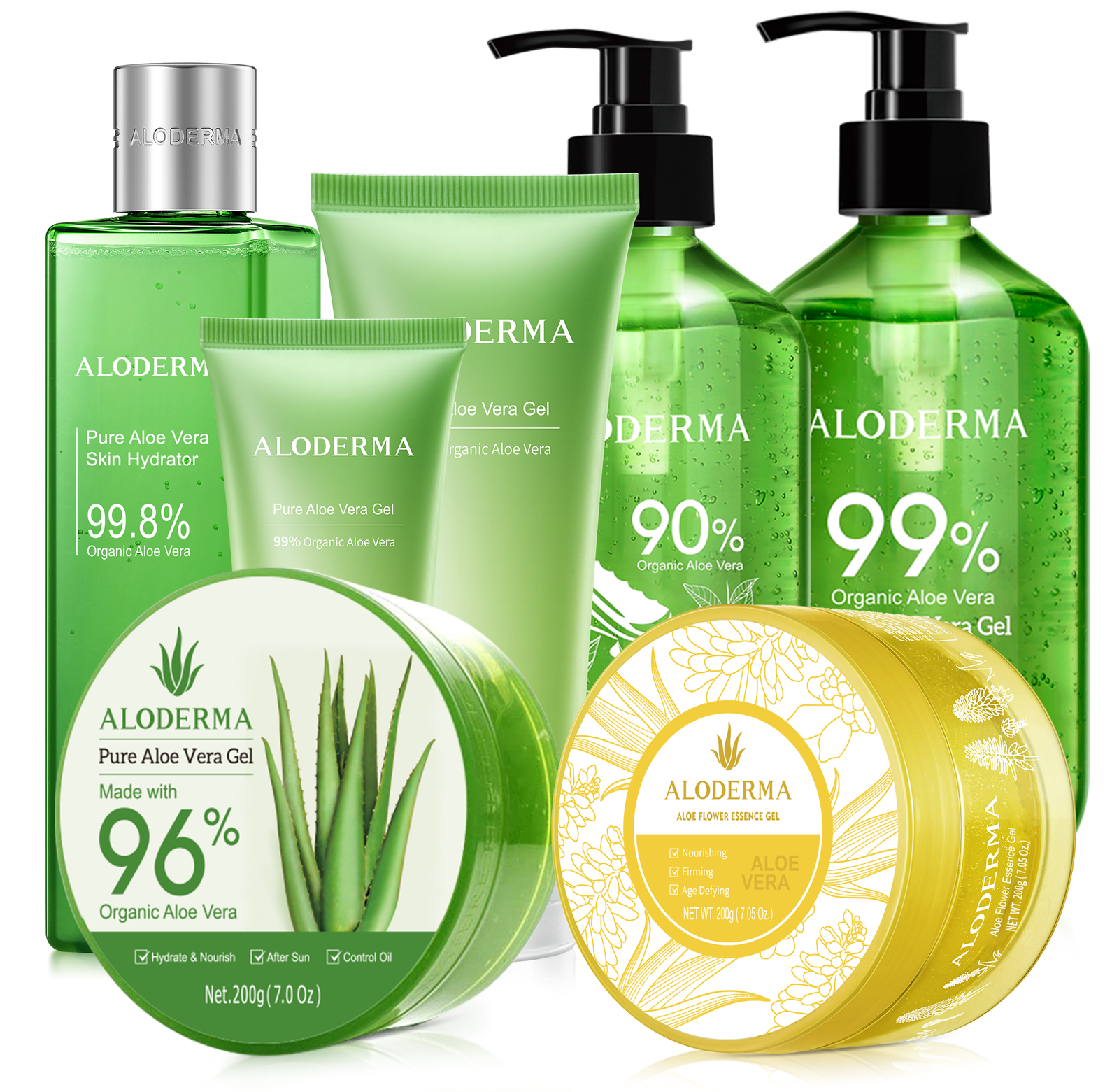
If you care about ingredient transparency and products built around fresh aloe, explore ALODERMA. The brand grows its own organic aloe vera, processes and manufactures onsite within 12 hours of harvest, and shares skincare products and educational resources that support a simpler, more informed routine.