



A friend once dabbed a tiny bit of egyptian musk oil onto her wrists before dinner and kept lifting her hands back to her face on the train home. She wasn’t wearing a loud perfume. She just smelled clean, warm, and a little mysterious.
The Allure of Egyptian Musk An Introduction
Egyptian musk oil has that effect on people. It doesn’t usually arrive in a dramatic cloud. It stays close, softens on skin, and becomes personal in a way many spray fragrances don’t.
That’s part of why people get attached to it. One person describes it as powdery and clean. Another notices resin, woods, or a faint floral warmth. On your skin, it may sit somewhere in between.
If you’ve ever tried to understand layered, meditative fragrance families, this guide to Nag Champa smells like is useful because it shows how scent can feel spiritual, earthy, and intimate without being overpowering. Egyptian musk lives in that same emotional neighborhood for many fragrance lovers.
Why it feels different
Typically, fragrance is expected to be easy to define. Egyptian musk oil resists that.
It often feels more like a ritual than a perfume. You apply a little, wait, and let your skin do part of the work.
Egyptian musk oil tends to reward patience. The first impression in the bottle isn’t always the final scent on skin.
That makes it especially interesting for people who want a fragrance that feels less performative and more lived in. It also fits beautifully into a clean beauty mindset when used thoughtfully, with attention to ingredient quality, dilution, and skin comfort.
From Pharaohs to Modern Perfumery The Story of Musk
Egyptian musk oil carries an old story. Its roots reach back to ancient Egypt, where hieroglyphics from 3000 BCE record Egyptians among the earliest perfumers in human history, using aromatic materials such as myrrh, frankincense, and cinnamon in sacred and daily life according to Egyptian Botanicals.

Ancient perfume in Egypt wasn’t just decoration. Priests used scent in ritual. Artisans blended resins and spices. Workshops produced oils that moved through trade routes and helped make Egypt a center of perfumery for centuries.
Sacred scent became daily luxury
The interesting part is that egyptian musk oil today isn’t a direct copy of one single ancient formula. It’s more like a modern fragrance tradition inspired by that heritage.
Older musk traditions once depended on animal musk. That changed for ethical and legal reasons. Commercial use of natural musk from deer was banned in 1979 under CITES regulations, which is why modern egyptian musk is now made with plant-based and synthetic materials instead of animal sourcing.
That shift matters. When people hear “musk,” they sometimes assume the ingredient must come from an animal. In modern perfumery, that’s not how reputable egyptian musk oil is made.
A second life in American street culture
The story doesn’t end in the ancient world. Egyptian musk found a very different kind of fame in the United States.
In the 1980s and 1990s, Abdul Kareem Egyptian Musk Oil became especially popular in urban U.S. markets, particularly in New York City, where it was sold on street corners, in bodegas, and in small perfumeries for as little as $8 per bottle, as described by Parfumo’s account of Abdul Kareem Egyptian Musk Oil.
That detail helps explain the loyalty the scent still inspires. It wasn’t only about smell. It was accessible, intimate, and woven into everyday style.
Here’s how that history plays out in real life:
- Ancient ritual use: scent connected beauty, ceremony, and identity.
- Modern street use: fragrance became affordable self-expression.
- Today’s appeal: people still want a scent that feels personal instead of mass-produced.
Some fragrances announce themselves. Egyptian musk oil often feels like it belongs to the person wearing it.
That long arc, from temple resins to pocket-size oil bottles, is why egyptian musk oil still feels bigger than a trend. It has memory attached to it.
Decoding the Scent What Is Egyptian Musk Oil Made Of
Modern egyptian musk oil can confuse people because the name sounds ancient, but the bottle in your hand is a contemporary blend. The easiest way to understand it is to consider it a classic recipe remade with ethical ingredients.
A chef can honor an old dish without using the exact original materials. Perfumers do the same thing here.

What gives it that musky feel
Many modern versions use a mix of plant notes and synthetic musk molecules to create the familiar soft, skin-like effect. Common ingredients in egyptian musk profiles include patchouli, rose, myrrh, frankincense, and cedarwood.
These materials don’t all smell “musky” on their own. Together, they build a smooth scent with warmth, light sweetness, and a grounded finish.
A few useful distinctions help:
| Type | What it means | Why it matters |
|---|---|---|
| Plant-derived notes | Botanical materials like patchouli or resins | Add depth, earthiness, and warmth |
| Synthetic musks | Lab-created aroma molecules | Deliver consistency and avoid animal sourcing |
| Carrier oils | Oils used to dilute fragrance concentrate | Make application gentler and easier on skin |
If fragrance terminology blurs together for you, this explainer on the difference between essential oils and fragrance oils is helpful. It clears up why a scent can include both botanical inspiration and lab-created components without being misleading.
Ambrette is one ingredient worth knowing
One especially important plant-based material is ambrette seed, which contains ambretolide. In modern plant-based egyptian musk formulations, ambretolide can last 12+ hours on the skin and has a lower bioaccumulation risk than older musk types, according to Inesscents.
That sounds technical, but the takeaway is simple. Some newer musk materials give a long-lasting effect while fitting better with modern standards for ethical and cleaner formulation.
Why two bottles can smell so different
“Egyptian musk” isn’t one locked formula. It’s a fragrance style.
One brand may lean powdery and clean. Another may pull woody, resinous, or slightly floral. A third may feel more like warm skin after lotion.
That’s why reading the ingredient story matters. If you want a broader primer on how aroma ingredients work in skincare and personal care, the ingredient guide at https://aloderma.com/blogs/ingredients/aroma is a useful place to start.
Look for language that tells you what kind of musk blend you’re buying, not just a vague promise of “exotic fragrance.”
More Than a Fragrance Benefits for Skin and Senses
One reason people stay loyal to egyptian musk oil is that it does more than smell pleasant. It changes the mood of a routine.
A body oil or scented blend can turn a rushed evening into a slower, more intentional moment. You smooth it on after a shower, the warmth rises from your skin, and your basic skincare step suddenly feels like a ritual.

Why people describe it as personal
During its peak in the 1980s and 1990s, egyptian musk oil was prized for how it melded with the wearer’s skin chemistry and for how easily it layered with other scents, making it a favorite for creating a signature fragrance, as noted in the earlier Parfumo source.
That skin-adaptive quality is a big part of the appeal. It doesn’t always smell identical from person to person.
For skin feel, many egyptian musk oils are used in a carrier base that can leave skin softer and more supple. The experience readers usually love is this combination:
- Soft scent payoff: it stays close instead of dominating the room.
- A smoother finish on skin: especially when blended into a body oil or lotion base.
- A grounding moment: the scent can make an everyday routine feel calmer and more complete.
Fragrance can support confidence
This isn’t about dramatic transformation. It’s about subtle presence.
A quiet musk scent often works best when you want to feel polished without smelling heavily perfumed. That’s one reason skin scents stay popular.
If you enjoy using oils as part of body care, this article on https://aloderma.com/blogs/news/organic-jojoba-oil offers a helpful look at how lightweight oils can support a comfortable, balanced feel on skin.
The best musk scents don’t cover you up. They sit close and make your own skin smell a little more finished.
That’s the sweet spot for egyptian musk oil. It can be sensual, familiar, and calming all at once.
A Gentle Approach Using Egyptian Musk Oil Safely
Safety is where many people need clearer answers. Egyptian musk oil may smell soft, but that doesn’t automatically mean every formula suits sensitive, oily, or blemish-prone skin.
Start with a patch test
If you do only one thing before using a new egyptian musk oil widely, do this.
- Choose a small area. The inner arm or just below the jawline works well.
- Dilute first. Don’t test a new fragrance oil undiluted if your skin is reactive.
- Apply a very small amount. You’re checking tolerance, not fragrance performance.
- Wait and watch. If your skin feels hot, itchy, tight, or looks irritated, stop there.
- Test again before full use. One calm result is helpful. Repeating the test gives you more confidence.
Practical rule: Treat fragrance like an active part of your routine, not an afterthought.
Keep dilution simple
Many people make the mistake of using too much. With egyptian musk oil, more isn’t better.
A safer beginner approach is to add just a small amount to a plain carrier or a simple gel base in your palm right before application. That gives you more control and lowers the chance of overwhelming both your skin and your senses.
This is especially useful if you already prefer low-scent or no-scent skincare. If your skin tends to react easily, a guide like https://aloderma.com/blogs/news/fragrance-free-moisturizer can help you think through when fragrance belongs in your routine and when it doesn’t.
Who should be extra cautious
Some readers should slow down even more:
- Very sensitive skin: patch test twice before using on larger areas.
- Oily or blemish-prone skin: avoid applying richer oil blends to congested zones first.
- Recently stressed skin: skip fragrance until your skin feels settled again.
A good rule is to start on the body, not the face. The wrists, forearms, or collarbone are easier places to learn how a formula behaves on your skin.
Create Your Signature Scent with ALODERMA
The smartest way to use egyptian musk oil in a skincare routine is not to pour it straight from the bottle onto skin. It works better as a finishing accent inside a gentle, water-rich base.
That’s where aloe can be especially useful.
Egyptian musk oil functions as a base note fixative, which means it helps anchor more volatile fragrance notes on skin. When blended at a low concentration of 0.5-1% into a carrier like pure aloe vera gel, it can improve the sensory experience without compromising the base formula’s efficacy, according to Africa Imports.
Why aloe makes sense as the base
If your skin leans sensitive, oily, or easily overwhelmed, heavy scented body butters can feel like too much. Aloe changes the texture of the experience.
A fresh aloe gel base feels lighter, cleaner, and easier to spread in a thin layer. It lets the scent sit on skin without making the routine feel greasy.
This is one reason aloe-first layering can be such a good match for musk oils. You’re not building fragrance with a dense oil alone. You’re suspending it in something cooling and simple.
A simple hand-mix method
Try this in your palm right before application:
- Step one: Dispense a small amount of aloe gel.
- Step two: Add a tiny amount of egyptian musk oil.
- Step three: Mix with a fingertip.
- Step four: Press onto arms, shoulders, or collarbone.
The key is to mix fresh each time. That keeps your base product stable and lets you adjust the scent level depending on the day.
Two easy routine examples
After-shower body layer
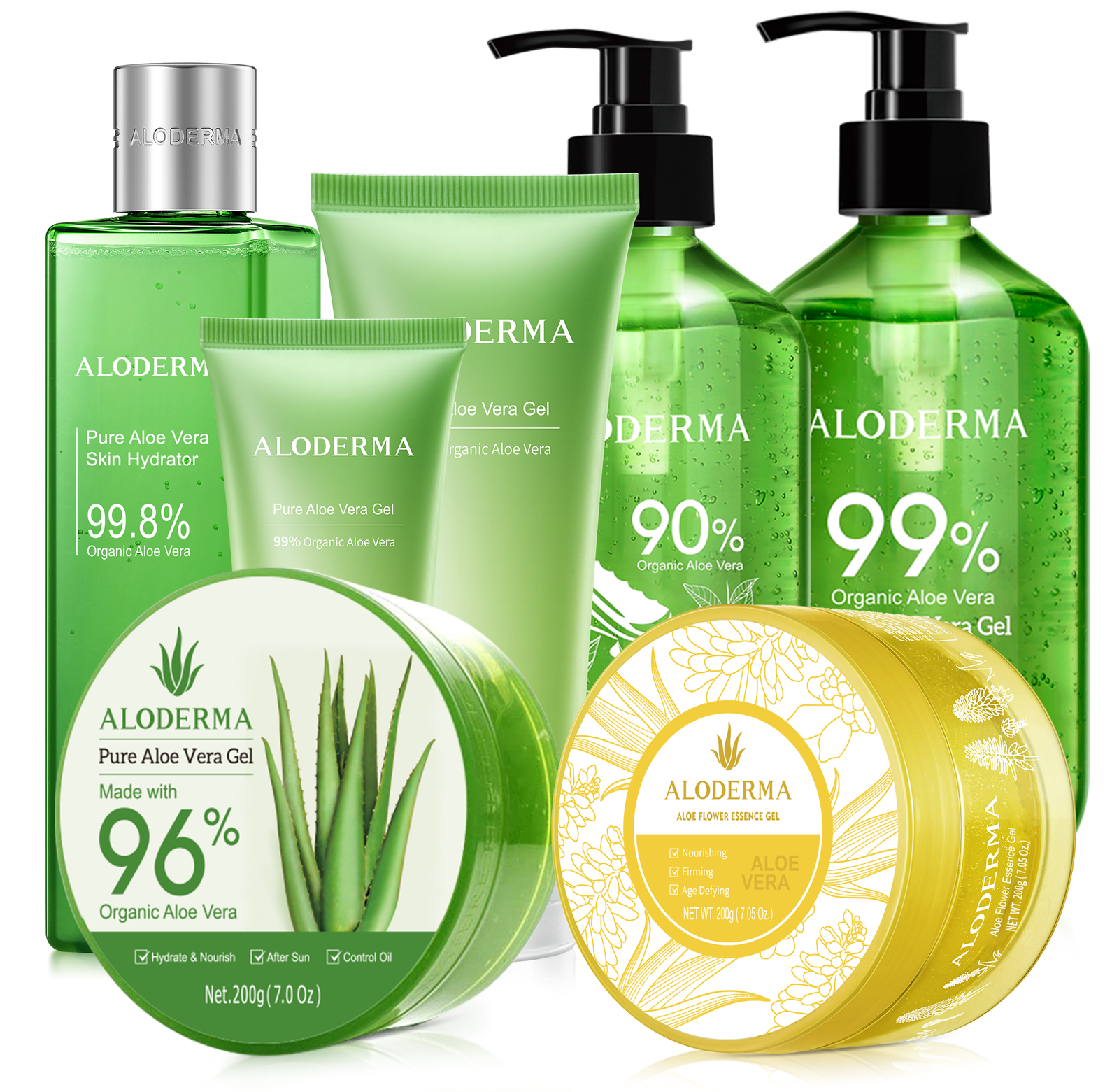
Use Pure Aloe Vera Gel as your first texture. Blend in a tiny amount of egyptian musk oil in your hand, then smooth it onto slightly damp skin.
This works well if you want scent without the feel of a heavy body oil.
Light lotion upgrade
If you prefer a creamier finish, mix a small amount of egyptian musk oil into Aloe Hydrating Moisturizer at the moment of use. Apply to arms and legs where skin tends to be drier.
That gives you a softer body-care feel while keeping the scent subtle.
Why the ALODERMA approach stands out
ALODERMA is a fully vertically integrated aloe vera company. It grows its own organic aloe vera and processes and manufactures onsite within 12 hours of harvest, which helps preserve the bioactive quality of the aloe used as the primary ingredient throughout the line.
For a custom scent routine, that matters. You want your base to feel pure, gentle, and uncomplicated, especially if fragrance is the variable you’re adding.
A good scented skincare routine starts with a calm base. Fragrance should be the accent, not the thing your skin has to fight through.
That’s the true luxury here. Not just adding scent, but adding it to a fresh, farm-to-skin aloe foundation that feels lightweight and comfortable.
How to Source High-Quality Egyptian Musk Oil
Shopping for egyptian musk oil can get messy fast because labels often sound poetic before they sound informative. You want clarity.
A good bottle usually gives you some sense of its fragrance profile or ingredient direction. A weak listing hides behind vague wording and asks you to trust the marketing.
What to look for
Use this quick checklist when comparing options:
- Transparent ingredient language: Look for mention of botanical elements such as patchouli, resins, woods, florals, or ambrette rather than only a broad “fragrance” identity.
- Ethical sourcing cues: Modern egyptian musk should not claim to contain animal musk. That’s a red flag.
- Protective packaging: Dark glass is a good sign because fragrance oils are better protected from light.
- Clear usage guidance: Reputable sellers usually tell you whether the oil is concentrated, diluted, or meant for skin use.
What should make you pause
Some warning signs are easy to miss.
| Red flag | Why it matters |
|---|---|
| Claims of “real deer musk” | That conflicts with modern ethical and legal expectations |
| No dilution advice | Suggests weak consumer guidance |
| No ingredient context | Makes it harder to judge whether the oil suits your preferences |
| Suspiciously dramatic promises | Often signal marketing over formulation quality |
A final tip. Buy your first bottle from a seller that explains the scent in plain terms. “Clean, woody, resinous, powdery” is more helpful than fantasy language.
You’re not just buying perfume. You’re buying predictability, skin comfort, and a scent profile you’ll want to wear.
Embrace a Timeless Ritual in Your Modern Routine
Egyptian musk oil has lasted because it bridges two things people still want. History and intimacy.
It carries the memory of ancient perfumery, but it still fits a modern shelf. Used carefully, it can give your routine a softer mood, a more personal scent, and a sense of ritual that doesn’t require a complicated routine.
The key is discernment. Choose a well-made formula. Patch test it. Dilute it. Let it support your skincare instead of overpowering it.
For people who love clean beauty, aloe-first layering makes this old fragrance style feel especially current. Fresh aloe gives you a light, calming base. Egyptian musk oil adds warmth and character.
That combination feels balanced. You get the romance of an iconic scent, but in a way that respects sensitive skin and everyday wear.
If you want to build a gentle, aloe-first routine around scent, ALODERMA is a strong place to start. The brand grows its own organic aloe, processes it onsite within 12 hours of harvest, and uses that fresh, bioactive aloe as the foundation of its formulas. That farm-to-skin approach makes it easier to create a clean, lightweight routine that feels comfortable first, then customize it with a touch of egyptian musk oil if your skin enjoys fragrance.