







You've just washed your face, reached for your serum, and noticed that uncomfortable tightness around your cheeks. Then the next product starts rolling into tiny flakes instead of gliding across your skin. The problem may not be your entire routine. It may be the few minutes between cleansing and moisturizing, and specifically how you apply your toner.
Aloe vera toner works best as a lightweight hydration layer, not as a harsh astringent or a complete treatment by itself. The difference comes down to damp-skin application, the amount you use, the pressure of your hands, and how long you let each layer settle.
Why Your Skin Craves a Hydrating Toner
A client may cleanse at night, wait several minutes, then apply a thick cream to skin that already feels tight. The cream can soften that sensation, yet it does not replace the thin water layer the skin lost during cleansing. Applying aloe toner while the face remains slightly damp gives serum and moisturizer a more flexible surface to spread over, which can also reduce dragging and uneven buildup.
After cleansing, skin may feel temporarily stripped, especially when a cleanser or rinse leaves it squeaky. The skin's acid mantle is mildly acidic, so a toner formulated in a compatible range can provide a comfortable transition between washing and treatment products. Formulation guidance places aloe-based toner formulas around pH 3.5 to 5.5, a range aligned with the skin's naturally acidic surface environment. Aloe vera juice formulation guidance explains why aloe is often used as the main liquid base in toners and mists rather than as a minor decorative ingredient.
Aloe toner is a transition step
Aloe vera has a long cosmetic history as an emollient and moisturizing ingredient. References describe its use in face packs, lotions, after-shave gels, and sun-care products. Its watery texture suits lightweight layering, particularly when a rich cream feels heavy or starts to roll over a dry surface.
Use the toner as a thin, controlled layer:
- Cleanse gently. Leave the skin fresh, not tight.
- Apply aloe toner promptly. Do not wait until the face is completely dry.
- Press in a thin layer. Follow with serum or moisturizer while slight dampness remains.
- Pause when the skin feels comfortably hydrated. Extra product can increase tackiness, pilling, or surface residue without improving comfort.
The amount matters as much as the formula. Saturating the face can leave excess slip under a serum, while too little toner dries before you can distribute it evenly. Press rather than repeatedly rub, then allow the surface to settle until it feels lightly hydrated, not wet.
For a different sensory goal, a small batch charcoal toner may suit a routine seeking a more purifying feel, while an aloe-forward toner is used for post-cleansing comfort. This guide to hydrating face toner offers further context on placing a hydrating toner within a routine.
The immediate aim is a comfortable, slightly damp base that lets the next product spread evenly.
Choosing the Best Application Method
The best application method depends on how the toner interacts with your skin and the product that follows. Aloe formulas can have slight plant-derived slip, allowing clean hands to distribute the liquid with less dragging than a dry cotton pad. The goal is an even, thin film that leaves the surface damp enough for the next layer, without creating excess wetness that encourages pilling.
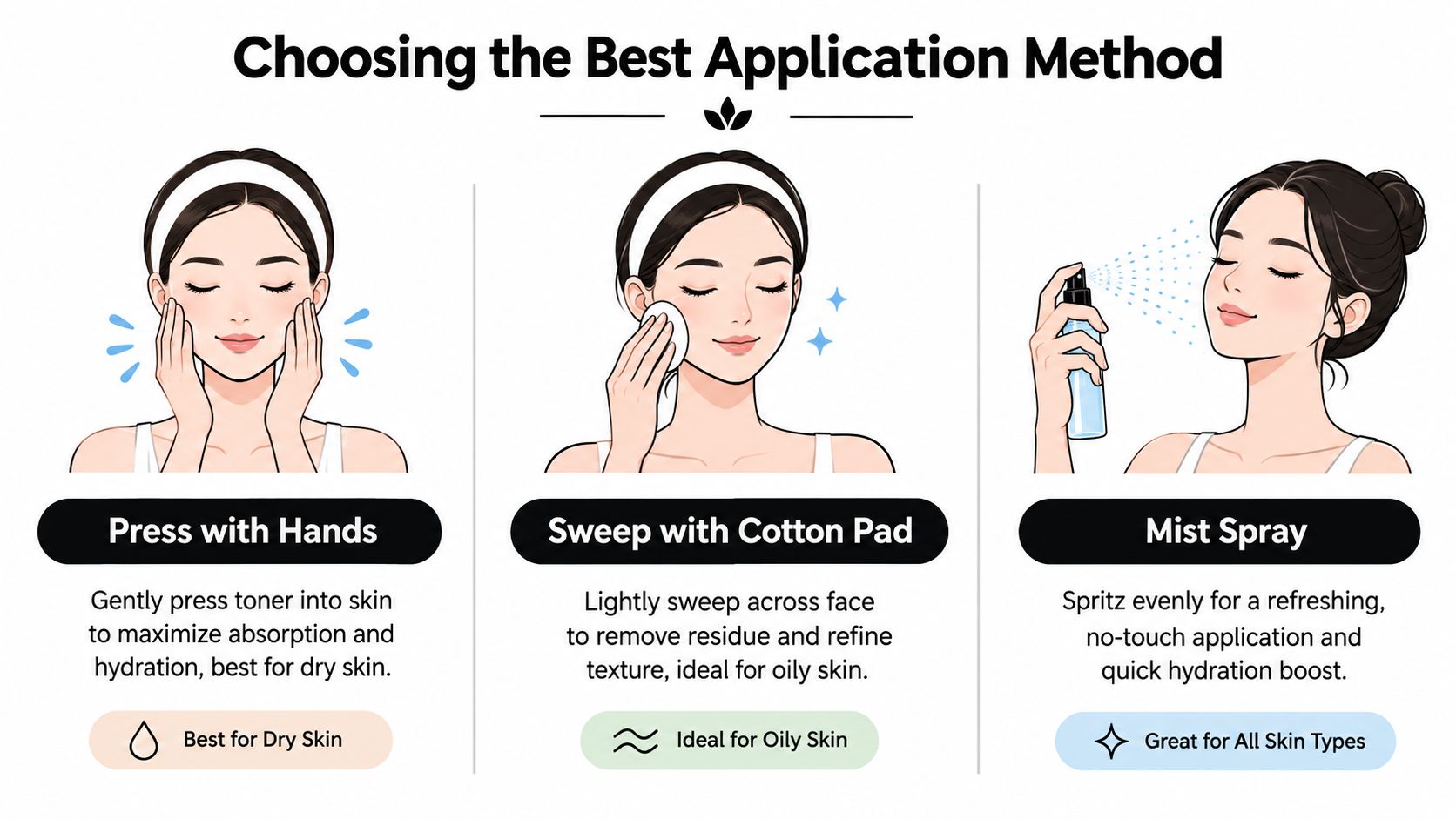
Press with clean hands
Clean hands usually suit dry, reactive, or easily uncomfortable skin. Place a small amount in your palms, spread it between them, and press over the cheeks, forehead, chin, and neck. Work in sections rather than rubbing until the surface feels dry. This gives you control over coverage while limiting friction.
Hands also reduce product waste. A cotton pad absorbs part of the toner before it reaches the face, while pressing sends more of the watery layer directly onto the skin. If the formula feels slightly cushiony, use its slip to spread gently, then finish with light pressing.
Practical rule: If your skin feels tender after cleansing, reduce friction before reducing hydration.
Sweep with a cotton pad
A cotton pad is useful when you want to remove traces of cleanser, makeup residue, or surface particles after a long day. Moisten the pad evenly, then sweep lightly from the center of the face outward. Keep pressure especially light around the nose, hairline, and jaw, where repeated strokes can make even a gentle toner feel irritating.
For Aloderma's Aloe Hydrating Toner, the product guidance calls for 5 to 6 drops on a fresh cotton pad, smoothing it across the face and neck without rinsing, morning and night. Treat that amount as a starting point. Add enough to keep the pad from dragging, but stop if the skin remains uncomfortably wet.
Mist directly onto the face
A fine mist suits no-touch application, a midday refresh, or anyone who dislikes cotton-pad contact. Hold the bottle far enough away to create a light veil instead of concentrated spots. If droplets collect, press them in with clean hands, then apply the next product while the face remains slightly damp.
A mist alone evaporates quickly. The lasting hydration comes from pressing it in and sealing it with the next layer before the surface dries. If you wait too long, the skin may feel briefly fresh while the later product spreads unevenly. Use a fine, even spray, press rather than rub, and keep the following layer thin to limit rolling.
Mastering the Art of Skincare Layering
Pilling shows up as small rolls when products fail to settle into a continuous film. Aloe toner is more likely to pill if you apply too much, layer immediately, or rub repeatedly across several products. The physical fix is usually less friction and a thinner application, not more product.
Aloe can form a substantial portion of a toner's watery base, so the formula may behave like part of the product's working vehicle rather than a minor botanical addition. Keep the amount controlled and allow the layer to settle before adding another formula.
Use less pressure, not necessarily more product
Apply a thin, even veil to freshly cleansed, slightly damp skin. Press it in with flat fingertips until the surface feels hydrated without feeling slick. If your fingers still slide over a wet film, wait before applying serum. Damp skin helps the toner spread, while excess water or product can leave a surface that makes later layers roll.
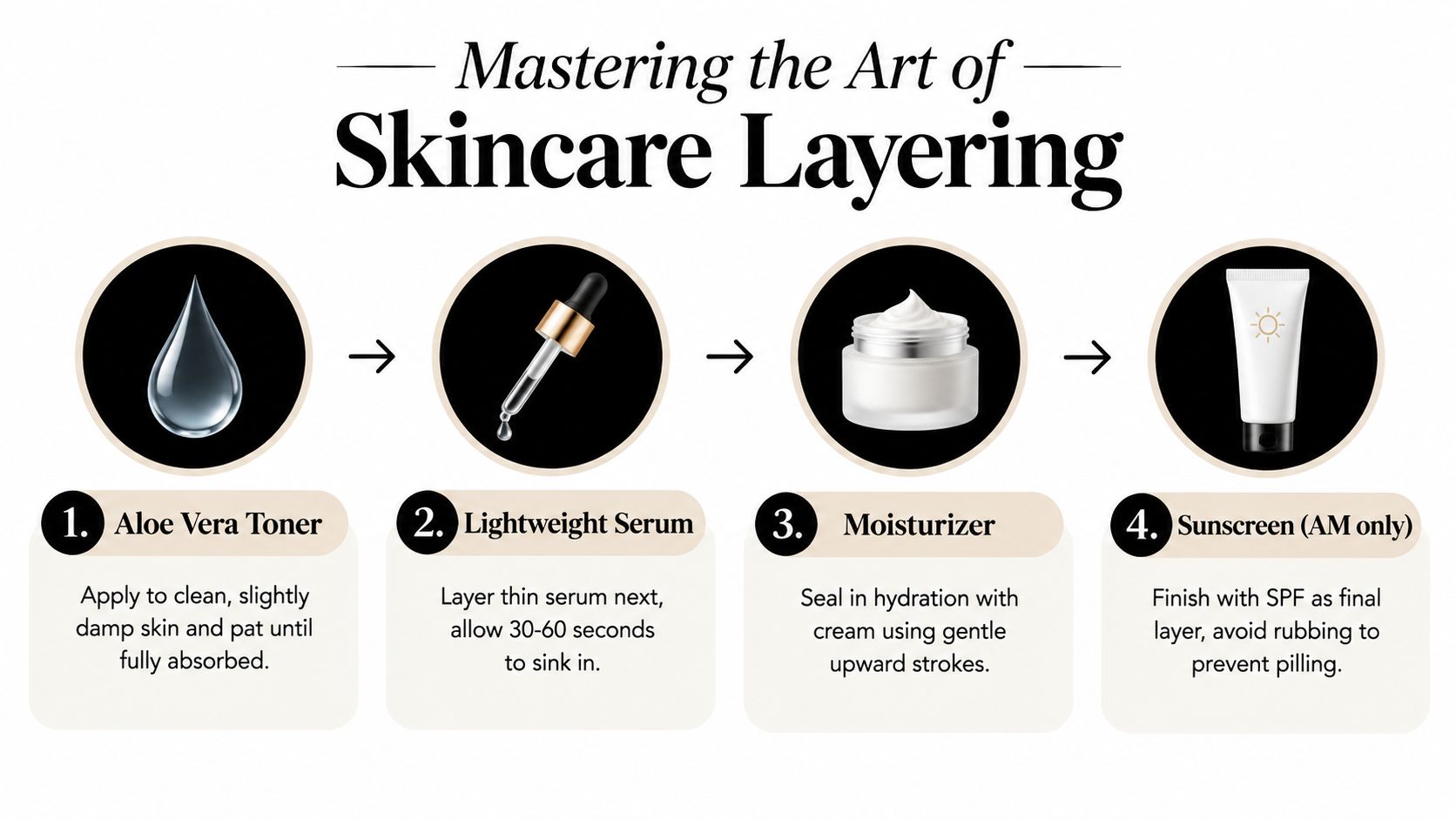
A practical sequence looks like this:
- Aloe vera toner: Apply to clean, slightly damp skin and pat until the surface feels settled.
- Lightweight serum: Use a thin layer, then pause before continuing.
- Moisturizer: Smooth a modest amount over the face with controlled strokes.
- Sunscreen in the morning: Finish with sunscreen and avoid aggressive rubbing.
Give the toner about one minute to settle before sunscreen or makeup when pilling is a concern. Aloe vera layering guidance supports keeping the layer light, especially under SPF, foundation, or concealer.
Read the texture before adding the next product
A watery toner should leave the skin comfortable, not coated. A serum containing silicones, gums, or a thicker gel may need more settling time than a watery essence. Rich cream can shift the layer underneath if massaged vigorously, so spread it in controlled strokes and stop once it is distributed.
If several serums are involved, the BotoxBarb serum layering guide can help you compare viscosity and application order. For a routine that includes more than toner, moisturizer, and sunscreen, use this skincare product order guide.
Aloe toner should not leave a sticky surface under makeup. If it does, reduce the amount, use clean hands, wait longer, or choose a lighter moisturizer instead of rubbing harder or covering the texture with powder.
Adjusting Frequency for Your Skin Profile
Aloe toner can fit into a daily routine, but frequency should follow how your skin responds. A hydrating formula may be comfortable morning and evening for one person, while someone with a compromised surface may need fewer applications and less pressing.
Oily skin
Oily skin often prefers a watery layer that doesn't leave an occlusive, greasy finish. Apply a modest amount with clean hands or a lightly moistened cotton pad. If the toner feels comfortable but your moisturizer makes you shiny, adjust the moisturizer first rather than repeatedly applying toner.
Some people prefer two very thin layers instead of one saturated layer. Let the first settle, then decide whether the cheeks or forehead need another pass. This approach gives you control over hydration without creating a wet film that can interact poorly with sunscreen.
Blemish-prone skin
Choose a fragrance-light, alcohol-free aloe toner and avoid scrubbing with the cotton pad. A gentle sweep can remove residue, but it shouldn't become repeated polishing. If you're also using exfoliating products, apply aloe toner with your hands on those evenings to reduce unnecessary friction.
The 2006 controlled study on aloe-containing cosmetic formulations included 20 female subjects and tested 0.10%, 0.25%, and 0.50% freeze-dried Aloe vera extract on the forearm. The 0.25% and 0.50% formulas increased stratum corneum water content after one application, while all three formulations improved hydration compared with the vehicle after 2 weeks. The controlled Aloe vera hydration study supports consistency, not excessive application.
Sensitive or barrier-impaired skin
Patch testing matters when your skin is already reactive. Apply the toner to a small area, observe how it feels, and avoid introducing several new products at the same time. Mild stinging can occur when the surface barrier is compromised, and aloe tolerance isn't universal.
Listen for the early signal: A brief uncomfortable sting is a reason to pause and reassess the formula, not a reason to press harder or apply another layer.
Reduce frequency, use your hands instead of a cotton pad, and avoid formulas with added fragrance or a long list of stimulating botanicals. A dermatologic cosmetics review reports topical Aloe barbadensis formulations can improve stratum corneum water content, firmness, elasticity, and transepidermal water loss, but a helpful ingredient still needs to match your current tolerance. The aloe dermatologic cosmetics review offers additional safety context, including the possibility of mild irritation.
The Importance of Fresh Aloe Processing
Aloe toner's final feel starts before the liquid reaches the bottle. Aloe leaves are living plant material, so harvest handling, transport, extraction, and formulation all shape the ingredient story. An agricultural guide advises packing cut leaves in shade and moving them to the processor within 12 hours, while also describing mature outer-leaf harvesting and upright drainage of yellow aloin latex before transport. Aloe vera harvesting and processing guidance explains the physical steps behind that freshness window.
Why the supply chain matters
A formula made with fresh aloe juice is different from one built around reconstituted powder or concentrate. That doesn't mean every powdered product is automatically unsuitable, but shoppers should understand what they're buying. If aloe is the primary liquid base, the brand's processing method becomes relevant to the product's transparency and identity.
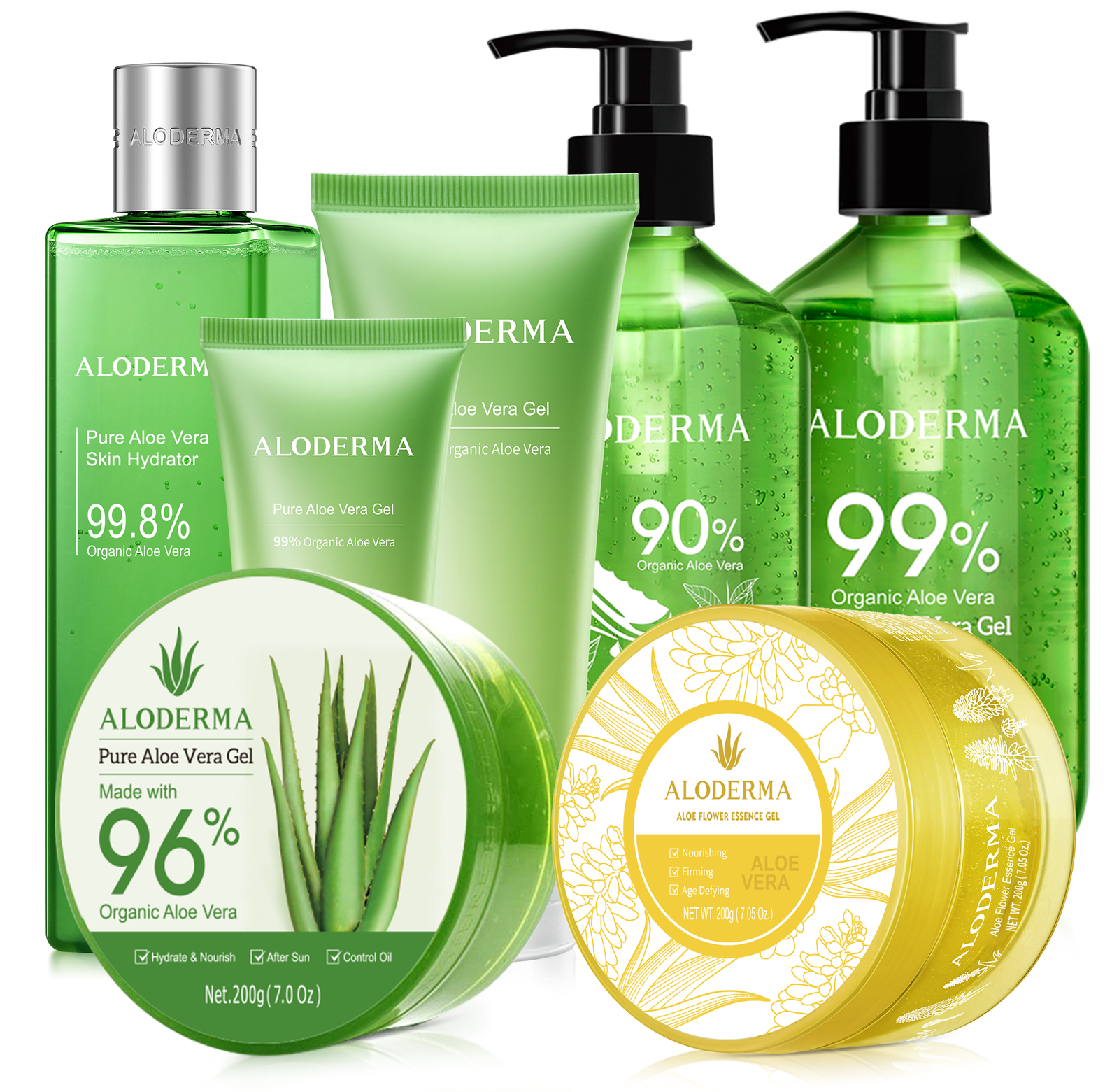
ALODERMA is a fully vertically integrated aloe vera company. It grows its own organic aloe vera, processes the aloe, and manufactures onsite within 12 hours of harvest to help ensure that the primary ingredient in every product is fresh, bioactive aloe. Aloderma's published statement specifies that its products use at least 65% fresh organic aloe vera juice, with no added water and no concentrate or powder used. ALODERMA's fresh aloe skin care approach gives the company's stated harvest-to-manufacturing details.
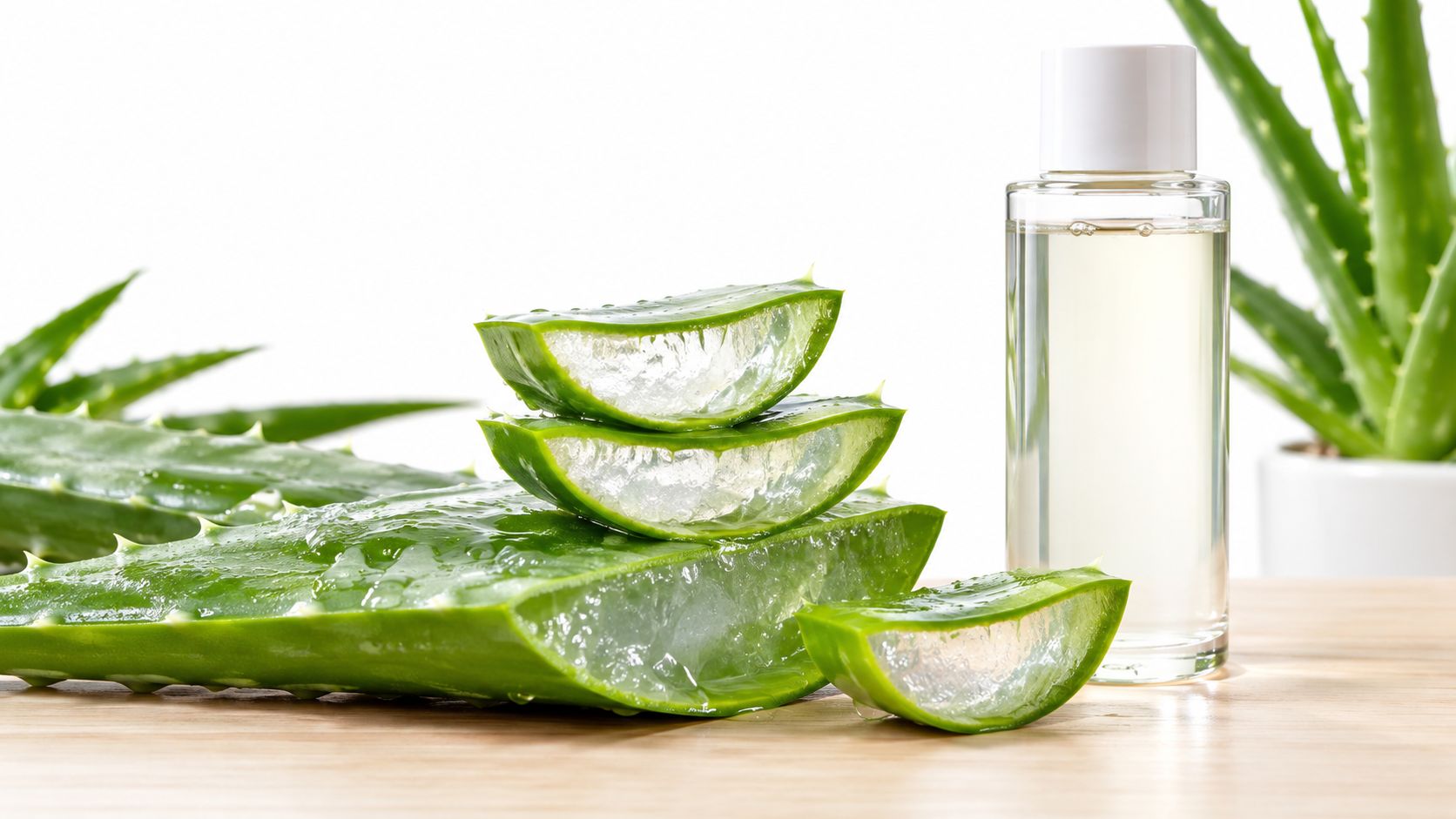
Aloe also contains a broad mix of at least 75 potentially active constituents, including vitamins, enzymes, minerals, sugars, lignin, saponins, salicylic acids, and amino acids. Aloe vera constituent research helps explain why aloe-forward formulas can feel more cushioned than plain water.
If you exfoliate, keep the tools and timing sensible. A product such as the One Fine Day face exfoliator belongs in a different step from daily toner, and the combination should be approached gently. For more on why fresh aloe is relevant to facial care, see fresh aloe vera for face.
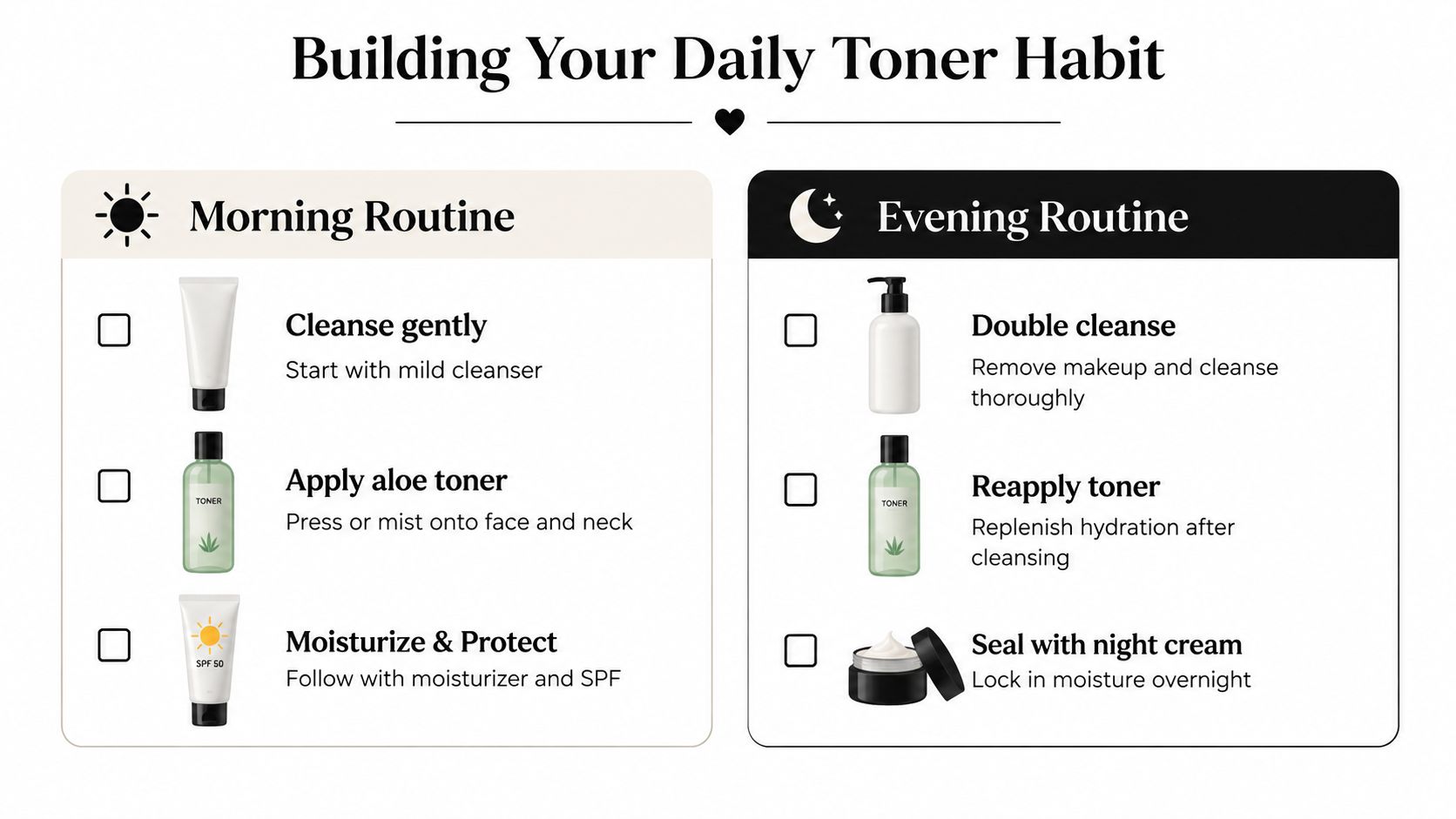
Building Your Daily Toner Habit
The best toner routine is the one you can repeat without creating tightness, stickiness, or frustration. Keep the bottle near your cleanser, apply it before your face dries completely, and treat the finish as your guide. A comfortable, thin layer is enough.
Morning routine
Cleanse gently, then apply aloe toner with pressed hands, a cotton pad, or a fine mist. Let it settle before moisturizer, and finish with sunscreen as the final skincare layer. If makeup rolls, reduce the amount and give the toner more time before applying primer or foundation.
Evening routine
Remove makeup and cleanse thoroughly. Apply toner to the freshly washed face and neck, then use serum and moisturizer once the aloe layer feels settled. If your skin feels dry after cleansing, keep the toner close and apply it promptly rather than waiting until the face feels tight.
Use this quick check when your routine feels off:
- Too wet: Apply less toner and wait longer.
- Too sticky: Reduce layers or choose a lighter follow-up product.
- Pilling: Press instead of rubbing, and allow about a minute before sunscreen or makeup.
- Stinging: Stop, patch test later, and reassess the formula and frequency.
- Still tight: Apply toner sooner after cleansing and follow with moisturizer while skin remains slightly damp.
A consistent aloe toner habit can turn the most uncomfortable moment in your routine, the few minutes after cleansing, into a calm preparation step. You're not trying to overwhelm the skin. You're giving it a light layer that makes the rest of your routine feel more deliberate and manageable.
ALODERMA offers fresh organic aloe-based toners, hydrators, cleansers, serums, creams, and masks designed for lightweight daily layering. Visit ALODERMA to explore aloe-forward products and build a simple routine around comfortable damp-skin application.