







Have you ever added a toner because every routine seems to recommend one, then wondered whether it's doing anything that your cleanser, serum, and moisturizer aren't already doing? That's the useful question. A hydrating face toner can add water-binding support and improve the feel of later products, but it can also be redundant when your routine already keeps skin comfortable.
Modern toner has moved far beyond the tight, alcohol-heavy finish associated with older formulas. Skincare histories trace toners back to corrective products created in response to harsh alkaline soaps, while the late 1960s helped normalize gentler “cleanse, tone, moisturize” routines. Over time, soothing extracts, floral waters, and aloe vera increasingly replaced stripping ingredients, forming the basis of today's hydration-focused category (facial cleanser and toner market history).
What a Hydrating Face Toner Actually Is
A shopper often meets toner at the sink. The face is freshly cleansed, a cotton pad is ready, and one quick sweep raises a practical question: does this watery step earn its place?
A hydrating face toner is a lightweight, leave-on treatment applied after cleansing and before serum or moisturizer. Its main job isn't to scrub away oil. It supplies water and humectants, ingredients that bind water near the skin's surface and help create a more comfortable base for richer products.
That makes it different from the old astringent model. Many older toners focused on alcohol, witch hazel, or a tight-feeling finish. The immediate sensation could feel “clean,” but tightness isn't proof of effective hydration. A modern toner is more likely to combine humectants, aloe, botanical extracts, and a low-fragrance or fragrance-free approach.

A working definition for shoppers
Look for a fluid texture that spreads easily without leaving a greasy layer. On the label, useful signals include glycerin, hyaluronic acid or sodium hyaluronate, betaine, hydroxyethyl urea, saccharide isomerate, and aloe vera. You don't need every ingredient in one bottle. What matters is whether the formula gives water-binding ingredients a meaningful role near the top of the ingredient list.
A hydrating toner also shouldn't sting, leave a taut film, or make your face feel drier after the initial wet sensation. If it does, the formula may be behaving more like an astringent than a hydration step.
For a related explanation of how toner differs from a more essence-like product, the Finding Favourites toner essence guide offers useful vocabulary. The simplest mental model is this:
Hydration adds water. Moisturizer helps keep that water from leaving too quickly.
After consistent use, the result to look for is practical rather than dramatic: skin should feel less tight after cleansing, serum should spread more evenly, and moisturizer should sit comfortably instead of catching on dry areas. If none of those changes appear, the toner may not be adding enough value to justify another step.
How Hydrating Toners Work on Your Skin
The outermost layer of skin contains corneocytes surrounded by a lipid matrix. You can think of that structure as a surface made of water-holding cells with a surrounding seal. A hydrating toner supports the water side of that equation, while a moisturizer can help reduce the speed at which water escapes.
Humectants work by attracting and binding water. Glycerin is a familiar workhorse. Hyaluronic acid and sodium hyaluronate support surface hydration, while aloe-derived polysaccharides contribute to the formula's water-binding and conditioning profile. The toner itself also supplies water, but surface dampness alone disappears quickly if the formula doesn't include ingredients that help hold it.

Why formulation matters
An intra-subject randomized study tested a formulation containing 5% glycerin and 1% hyaluronic acid. The formula produced a measurable hydration increase that lasted up to 24 hours and also improved barrier function, showing that a toner-like leave-on product can do more than make skin temporarily wet when its humectant system is well designed (the glycerin and hyaluronic acid study).
That result doesn't mean every toner will perform the same way. Ingredient concentration, water activity, pH, preservation, and the products applied afterward all matter. A comparative study found that toner alone had only a mild moisturizing effect compared with cream, but repeated application produced a sustained hydration change that exceeded the cream-treated area 8 hours later. Separate in vivo work also showed that small changes in formulation water activity can alter outer-layer hydration and permeability, so a low-pH, humectant-rich toner may temporarily increase the penetration of other active ingredients (research on toner hydration and water activity).
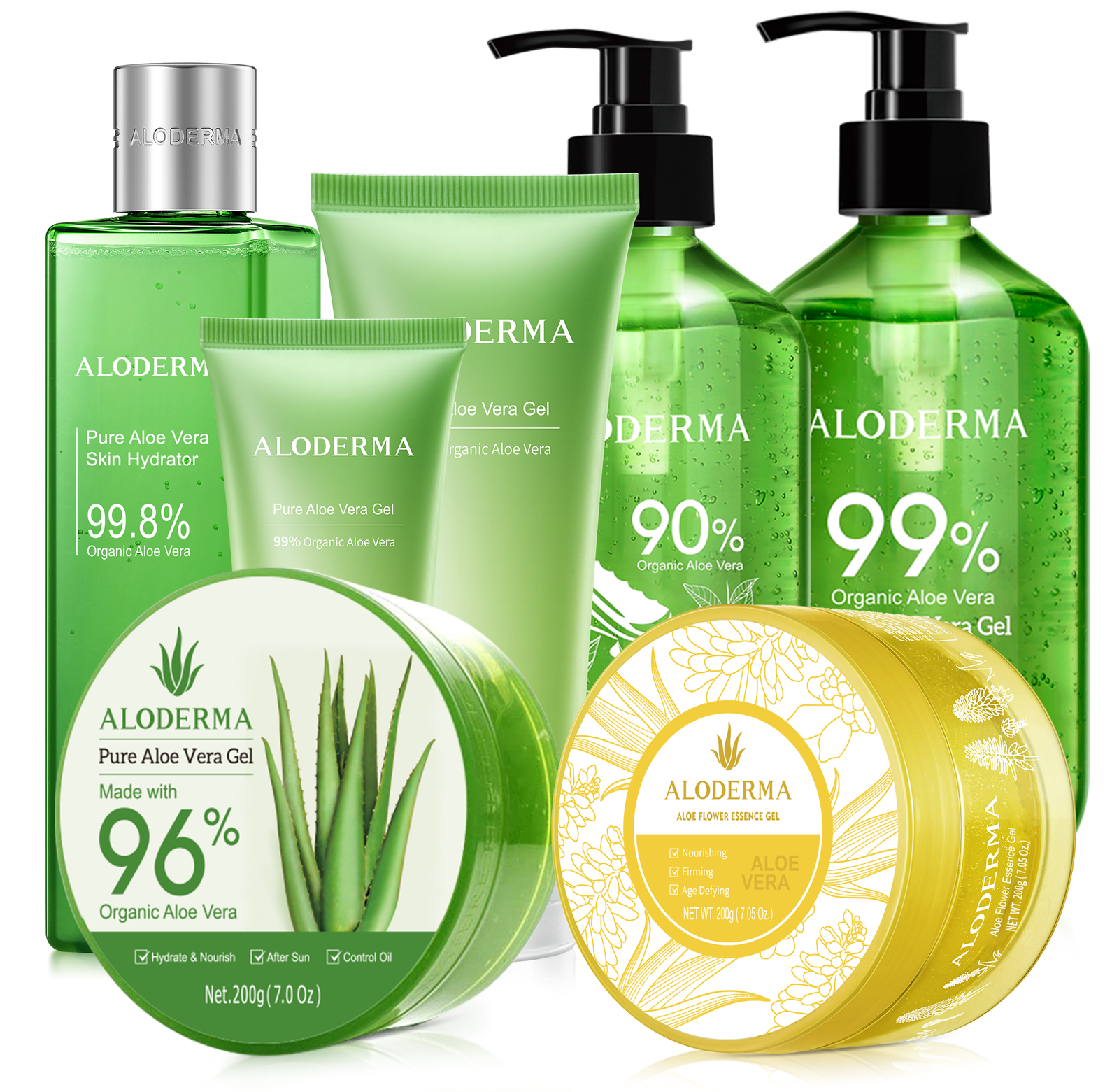
Fresh aloe is another formulation variable. ALODERMA states that it grows its own organic aloe vera, processes the aloe, and manufactures products onsite within 12 hours of harvest, presenting that timing as a safeguard for keeping the aloe as bioactive as possible in finished skincare (ALODERMA's fresh aloe process). For someone whose face feels uncomfortable after cleansing, a lightweight aloe-forward formula may be more appealing than a toner built around alcohol or a heavy coating agent.
The practical test is simple. A toner earns its place when the humectants and soothing ingredients improve how your serum and moisturizer spread, feel, and perform. If it only creates a few minutes of dampness, it may be an optional splash rather than a meaningful hydration step.
For readers curious about the relationship between cleansing, pH, and toner choice, this pH balancing toner guide from Mesoderm RX provides helpful additional context.
Hydrating vs Astringent vs Exfoliating Toners
The word “toner” describes a format, not one universal function. Two bottles can look equally watery while producing very different experiences. Use the ingredient direction and the expected finish to identify the category before choosing.
| Toner Type | Key Ingredients | Best For | Texture & Feel | Watch Out For |
|---|---|---|---|---|
| Hydrating | Glycerin, hyaluronic acid, betaine, aloe, soothing extracts | Sensitive, dehydrated, oily, and blemish-prone skin that needs lightweight water support | Watery, silky, or lightly milky, without a tight finish | Heavy fragrance, high alcohol content, or too many overlapping layers |
| Astringent | Alcohol, witch hazel, oil-control ingredients | Occasional shine control, especially on oilier areas | Quick-drying, fresh, sometimes taut | Frequent use can leave skin uncomfortable and disrupt its moisture balance |
| Exfoliating | Glycolic acid, lactic acid, or polyhydroxy acids | Uneven-feeling texture and dull surface buildup | Watery, sometimes tingly | Combining too many active steps, skipping patch testing, or using alongside other strong actives |
A sensitive reader usually has the clearest starting point with a hydrating toner. Someone with oily skin can also benefit from water support, particularly when cleansing leaves the cheeks comfortable but the central face shiny. Blemish-prone skin often needs the same balance. Removing every trace of oil can make a routine feel harsher without solving the underlying discomfort.
Exfoliating toner belongs to a different job description. If you choose one, introduce it cautiously, patch test first, and use daily sun protection. It doesn't need to replace a hydrating toner, but it does need space in the routine so several potentially irritating steps aren't stacked together.
True astringents are best treated as occasional tools rather than automatic daily products. For an oily, blemish-prone reader, a sensible structure is a gentle hydrating toner as the base, an exfoliating toner on separate evenings if tolerated, and an astringent only when a short-term oil-control finish is specifically wanted.
How to Read a Toner Label and Choose Ingredients
Read the ingredient list from the top down. Ingredients generally appear in descending concentration, so the opening portion gives you a clearer picture of the formula's identity than a marketing phrase on the front.
An aloe-first formula is easy to understand when you know what to look for. ALODERMA's Aloe Hydrating Toner lists Organic Aloe Barbadensis Leaf Juice first, followed by ingredients including butylene glycol, betaine, glycerin, hydroxyethyl urea, saccharide isomerate, and sodium hyaluronate (ALODERMA Aloe Hydrating Toner ingredients). That sequence suggests a water-based formula organized around hydration and conditioning rather than a heavy cream base.
What each ingredient contributes
Glycerin is a dependable water binder. It helps the formula hold onto water at the skin surface and gives a soft, cushioned feel.
Hyaluronic acid and sodium hyaluronate support surface hydration and can make skin appear and feel smoother when applied under a moisturizer. Different forms may appear under different names, so look for both terms.
Aloe vera brings a plant-based water-rich base and polysaccharide content, depending on how the ingredient is processed and formulated. Other ALODERMA toner listings use high-aloe positioning, including a brightening toner marketed with 88% organic aloe vera and a soothing toner marketed with 91% organic aloe vera, alongside ingredients such as allantoin, sodium hyaluronate, and botanical extracts (ALODERMA brightening toner listing).

A quick label checklist
- Welcome supporting ingredients: Panthenol, allantoin, beta-glucan, and a modest amount of niacinamide can fit comfortably into a hydration-focused formula.
- Question high alcohol denat.: A little alcohol can serve a technical purpose, but a prominent placement may not suit skin that already feels tight.
- Watch fragrance and essential oils: Citrus and lavender oils may be a poor match for reactive skin, particularly when the formula also contains strong acids.
- Check the overall direction: A long list of preservatives alongside several strong actives may indicate a multitasking treatment rather than a simple hydrating toner.
The ALODERMA alcohol-free toner guide can help if alcohol content is your main concern. Focus less on chasing a perfect ingredient list and more on whether the first part of the list supports the result you want.
How to Layer a Hydrating Face Toner Step by Step
Application technique changes the experience. Start with a clean, slightly damp face, then apply a small amount of toner with clean hands. Press it into the skin instead of wiping, especially if your cheeks feel sensitive or easily uncomfortable.
Cotton pads still have a place when you prefer their feel, but hands usually make it easier to control product and avoid unnecessary friction. Let the toner settle before moving to the next step.
A practical layering sequence
- Cleanse gently: Leave the face slightly damp rather than letting it become completely dry.
- Press in toner: Use a small amount and spread it evenly with your palms or fingertips.
- Apply serum: Put serum onto the toner-coated skin while the surface still feels lightly hydrated.
- Seal with moisturizer: Finish with a moisturizer soon after, so the water and humectants aren't left exposed to rapid evaporation.
- Add daytime protection: In the morning, finish with sunscreen appropriate for your routine.
For more guidance on sequence, see ALODERMA's skincare product order guide.
Using the 7-skin method without wasting product
The 7-skin method means applying repeated thin layers of toner, with a short pause between each. It's optional, not a requirement. Apply one layer, wait roughly 20 to 30 seconds, and repeat only while the skin feels comfortable rather than sticky.
The first layer usually provides the main priming effect and helps serum spread. The second and third can deepen the hydrated feel for someone whose skin remains tight. Further layers often offer diminishing returns, especially when a serum and moisturizer follow. Stop when skin feels supple, not when you reach a target number of layers.
Keep exfoliating acids in separate routines while you learn how your skin responds. A hydrating toner may increase surface permeability temporarily, so combining it with several active products can make an otherwise manageable routine feel too intense.
Common Toner Mistakes That Undermine Your Routine
More layers don't automatically create better hydration. Toner, essence, serum, ampoule, and moisturizer can become a crowded sequence that pills, feels heavy, or leaves sensitive skin overwhelmed. Start with cleanser, toner, serum, moisturizer, and daytime sunscreen, then add only what solves a clear problem.
Cotton-pad application can also work against the product. Rubbing pulls some formula into the pad and adds friction, while pressing with clean hands puts the liquid where you want it. If your skin feels uncomfortable after application, the problem may be technique rather than the toner itself.
A label can also hide the formula's real personality. Aloe or hyaluronic acid listed near the bottom won't necessarily balance a product that leads with alcohol denat., fragrance, or citrus extracts. Tightness followed by extra shine is a sign to reassess, not a reason to apply more toner.
Self-audit: If your toner stings, smells unusually strong, or leaves a taut film, treat those sensations as useful feedback.
For guidance on whether daily use suits your formula and skin, consult ALODERMA's guide to using toner every day. Frequency should follow comfort, not a rule printed on a social media routine.
Choosing and Using Your Hydrating Toner With Confidence
The decision can be made quickly. Ask whether your cleanser, serum, and moisturizer already leave your skin comfortable, hydrated, and easy to layer. If they do, a hydrating face toner is optional. If cleansing leaves tightness, your serum drags, or moisturizer catches on dry patches, an aloe-forward toner may add a useful water-binding step.
Choose by profile:
- Sensitive skin: Look for a short, gentle formula led by aloe and glycerin, with minimal fragrance.
- Oily skin: Choose a light, non-greasy toner that layers cleanly under serum and moisturizer.
- Blemish-prone skin: Keep the hydration step simple, then introduce active ingredients separately so you can identify what your skin tolerates.
Quick questions
Do I need to patch test? Yes. Apply a small amount to a limited area first and observe how your skin feels before using it broadly.
Can I use toner every day? A gentle hydrating formula may fit morning, evening, or both, but reduce frequency if you notice tightness or stinging.
Can it be used with retinol or exfoliating acids? It can be compatible, but introduce one active at a time and avoid stacking several potentially irritating steps until you know your tolerance.
Morning or evening? Either works. Use it after cleansing and before serum, moisturizer, and daytime sunscreen when applicable.
The right toner is not the one that adds the most steps. It's the one that makes the rest of your routine feel more comfortable and performs a distinct job.
ALODERMA offers an Aloe Hydrating Toner built around organic aloe vera and humectants including glycerin and sodium hyaluronate, along with other aloe-focused skincare options for lightweight daily hydration. Visit ALODERMA to explore the toner and choose a simple farm-to-skin routine that fits your skin's needs.