







You know that small household moment when your skin feels tight, warm, or just plain overworked, and you reach for something simple because a complicated routine sounds exhausting? For many people, aloe is that instinctive choice. Snap a leaf, press the clear gel between your fingers, and you immediately understand why generations kept this plant close by. It feels cool, slippery, comforting, and alive in a way many skincare products don't.
That first experience often creates the idea of a miracle of Aloe. Not magic. Not myth. Just a plant whose design is unusually elegant. A thick green leaf protects a reservoir of clear gel, and inside that gel are compounds that support skin in ways modern science can measure.
As a botanist, I think that's the most charming part. Aloe rewards curiosity. The more closely you look, the more impressive it becomes. Its beauty isn't only that it grows in tough conditions. Its beauty is that it stores a complex, active gel that can make everyday skincare feel calmer, simpler, and more intuitive.
Most confusion starts here. People assume all aloe is basically the same. It isn't. Freshness, purity, and processing change what ends up touching your skin. If you've ever used one aloe product that felt wonderful and another that felt flat, sticky, or unimpressive, you've already noticed the difference even if you didn't have the words for it yet.
The Enduring Allure of Fresh Aloe Vera
Aloe has a way of winning people over through touch before it wins them over through science. You brush against a plant on a windowsill, break a leaf, and see that clear gel appear almost instantly. It feels generous. The plant seems to offer help right away.
That simple experience explains why aloe has stayed in beauty rituals for so long. People don't fall in love with aloe because of technical language. They fall in love with the directness of it. Dry-feeling skin meets cool gel. A stressed-looking complexion gets a lightweight layer that doesn't feel heavy or greasy. The response is immediate and personal.
Why fresh aloe feels different
Fresh aloe gel has a vivid quality that's hard to miss. It spreads easily, sinks in lightly, and leaves behind a sense of comfort rather than a coated feeling. That matters in daily life. If you're rushing after a shower, recovering from a long day outside, or trying to simplify a crowded bathroom shelf, aloe fits because it feels low effort and high reward.
Fresh aloe often becomes a skincare habit for the same reason people keep herbs by a kitchen window. When something is useful, gentle, and easy to reach for, it becomes part of daily life.
Many readers also start by growing the plant itself. If you're curious about keeping one at home, this practical aloe vera plant care guide is a helpful companion for understanding light, watering, and what healthy leaves should look like.
The everyday appeal of the miracle of Aloe
The phrase miracle of Aloe survives because aloe bridges two worlds at once. It belongs to old household wisdom, but it also holds up under modern scientific attention. That combination is rare. Plenty of plants have folklore. Fewer continue to earn respect when researchers study what's happening inside the leaf.
In skincare, that means aloe isn't only sentimental. It's practical. It suits people who want fewer steps, lighter textures, and ingredients they can understand without a chemistry degree.
From Ancient Plant to Modern Science
Aloe's reputation is old enough to feel almost mythic, but its history is remarkably concrete. Aloe vera has been documented for over 6,000 years, appearing in ancient Egyptian texts like the Ebers Papyrus around 1550 BCE. Modern science has identified over 75 active components, including vitamins, minerals, enzymes, and sugars that drive its beneficial properties (research on aloe's history and composition).

What people understood long before laboratories
Ancient users didn't talk about polysaccharides or gene expression. They noticed results. Aloe's gel felt cooling, softening, and restorative, so it stayed in human use across cultures and centuries. That persistence matters. Plants come in and out of fashion all the time. Aloe kept its place.
By the time modern researchers examined it more closely, they weren't starting from zero. They were testing a plant with a very long record of practical use.
What science found inside the leaf
Once you move past the thick green outer layer, aloe becomes more interesting. The inner gel is chemically busy. Instead of being “just water,” it contains a broad mix of active compounds working together.
One of the most important is acemannan, a polysaccharide in the gel. Research describes it as a key driver of aloe's skin-supportive action. It helps stabilize lysosomal membranes and downregulate TNF-α and COX-2 gene expression, which helps explain why aloe supports tissue recovery and a calmer skin environment (study on acemannan and aloe mechanisms).
If that language sounds dense, here's the plain version. Acemannan helps create conditions that support repair. It doesn't work like a cosmetic trick that briefly makes skin look smoother under bathroom lighting. It interacts with processes connected to renewal.
For readers who want a deeper look at how that translates to skin support, this article on how aloe vera heals skin gives a useful brand-side explanation in more everyday terms.
Why history and chemistry matter together
Aloe makes more sense when you hold both timelines in your head at once:
- Ancient use: people kept returning to the plant because the gel was useful on contact.
- Modern analysis: researchers identified a complex profile of active compounds inside that gel.
- Current skincare relevance: the old reputation wasn't empty praise. It had a biological basis.
Botanist's view: The “miracle” isn't that aloe breaks the rules of nature. It's that nature built so much function into such a simple-looking leaf.
That's why aloe remains one of the most beloved plant ingredients in skincare. It tells a rare story. Tradition noticed it first. Science caught up later.
Proven Benefits for Your Skin's Appearance
The best skincare ingredients don't just sound impressive in a lab. They show up in the mirror in subtle, welcome ways. Aloe's value for appearance comes from that connection between biology and what you notice day to day.
Clinical studies show that topical Aloe vera significantly supports the skin's natural renewal process. This is attributed to its ability to increase rates of skin contraction and stimulate collagen synthesis, which are critical for improving skin's texture and appearance (clinical findings on topical aloe and skin renewal).

What that means in real life
Few wake up hoping for “enhanced skin contraction rates.” They want skin that looks smoother, feels more comfortable, and doesn't seem dull by midafternoon.
That's where aloe shines. It supports the kind of renewal that can improve the look and feel of the skin's surface. Think of the person whose face feels rough after too much sun and wind, or the commuter whose skin looks tired after long days in dry indoor air. Aloe fits because it's lightweight enough for regular use but substantial enough to leave skin feeling replenished.
The visible payoff
When aloe supports collagen synthesis and renewal, the visible effect is usually described in everyday words:
- Smoother texture: skin can feel less uneven to the touch.
- A fresher look: the surface appears less tired and more supple.
- Better comfort: hydrated skin usually looks more balanced and less stressed.
None of that requires a dramatic routine. In fact, aloe often works best for people who want fewer layers, not more. A well-formulated aloe gel, serum, or cream can become the quiet backbone of a routine.
Internal habits matter too. If you like pairing topical care with nutritional support, this Guide to internal skincare vitamins is a useful read for thinking about the inside-out side of skin appearance.
Aloe tends to be most appreciated by people who dislike heavy products. It gives support without demanding that your skin wear a thick mask all day.
That ease is part of the miracle of Aloe. It doesn't need to feel dramatic to be meaningful. Sometimes the most effective plant ingredients are the ones that make skin feel subtly, consistently better.
The Aloderma Difference Farm to Face Freshness
Freshness is where aloe stops being a generic ingredient and becomes a quality question. That matters because aloe isn't only defined by what species is on the label. It's also defined by how quickly the plant is handled after harvest, how the gel is processed, and how much of that fresh inner leaf character survives into the final formula.

Why the 12 hour window matters
If you think like a botanist, this makes immediate sense. Plants are dynamic tissues. Once harvested, they don't freeze in perfection. Their compounds can shift. Their freshness can fade. The more steps, distance, storage time, and industrial handling involved, the farther the final product may move from the living gel inside a freshly cut leaf.
That's why a short harvest-to-processing window is compelling. It aims to preserve what makes aloe valuable in the first place: its bioactive character.
Here's the practical difference for a shopper:
- Freshly processed aloe: closer to the plant's original gel profile.
- Heavily delayed or highly reworked aloe: more likely to feel like aloe in name rather than aloe in spirit.
The idea isn't romance. It's logic. If freshness helps preserve activity, then timing becomes part of effectiveness.
Vertical integration changes quality control
A vertically integrated aloe company controls the chain from farm to finished formula. That gives it more say over cultivation, harvest timing, processing, and manufacturing. For an ingredient as freshness-sensitive as aloe, that control can be a real differentiator.
If you want the brand background directly, the Aloderma story explains how that farm-to-face model fits into its product philosophy.
A broader industry detail helps put this into context. Aloe farming can produce substantial leaf yields, which makes reliable raw material supply possible for growers who manage cultivation carefully (aloe cultivation overview from Bhutan's Ministry of Economic Affairs). That agricultural side is easy to overlook, but it matters. Good skincare begins long before a formula reaches a bottle.
A short visual tour helps make the freshness model easier to picture:
Why this becomes the real miracle of Aloe
People often praise aloe in broad, fuzzy language. The more useful question is sharper: what lets aloe perform at its best in skincare? Freshness is a strong answer.
Practical rule: When an ingredient is naturally complex, preserving its original state matters as much as naming it on the label.
That's why the 12-hour harvest-to-bottle story resonates. It gives the miracle of Aloe a mechanism. Not hype. Not vague wellness language. A clear reason that one aloe product may feel far more alive, comfortable, and effective than another.
Building Your Fresh Aloe Skincare Routine
Your skin has those days when it feels fine after cleansing, then suddenly turns tight by noon, shiny by afternoon, and tired by evening. A fresh aloe routine can help steady that cycle, especially when the aloe is processed quickly after harvest. The reason is simple. Aloe is a living plant material, and fresher gel keeps more of the qualities people are usually hoping for when they reach for aloe in the first place.
If you want a practical primer on layering and timing, this guide on how to use aloe vera for skin gives a helpful overview.
Start with what your skin is asking for
A good routine starts with the signal your skin gives you most often.
If your face feels dry after washing, you usually need more water support and a layer that helps hold it in. If your skin looks dull or feels tired, a serum step can add extra hydration before cream. If your skin gets overwhelmed easily, fewer steps often work better than more. Aloe is useful here because it plays well with other products. It can act like the drink of water in a routine, while serums and creams help keep that moisture around longer.
Here is a simple way to match routine steps to common concerns:
| Skin Concern | Recommended Product | Why It Works |
|---|---|---|
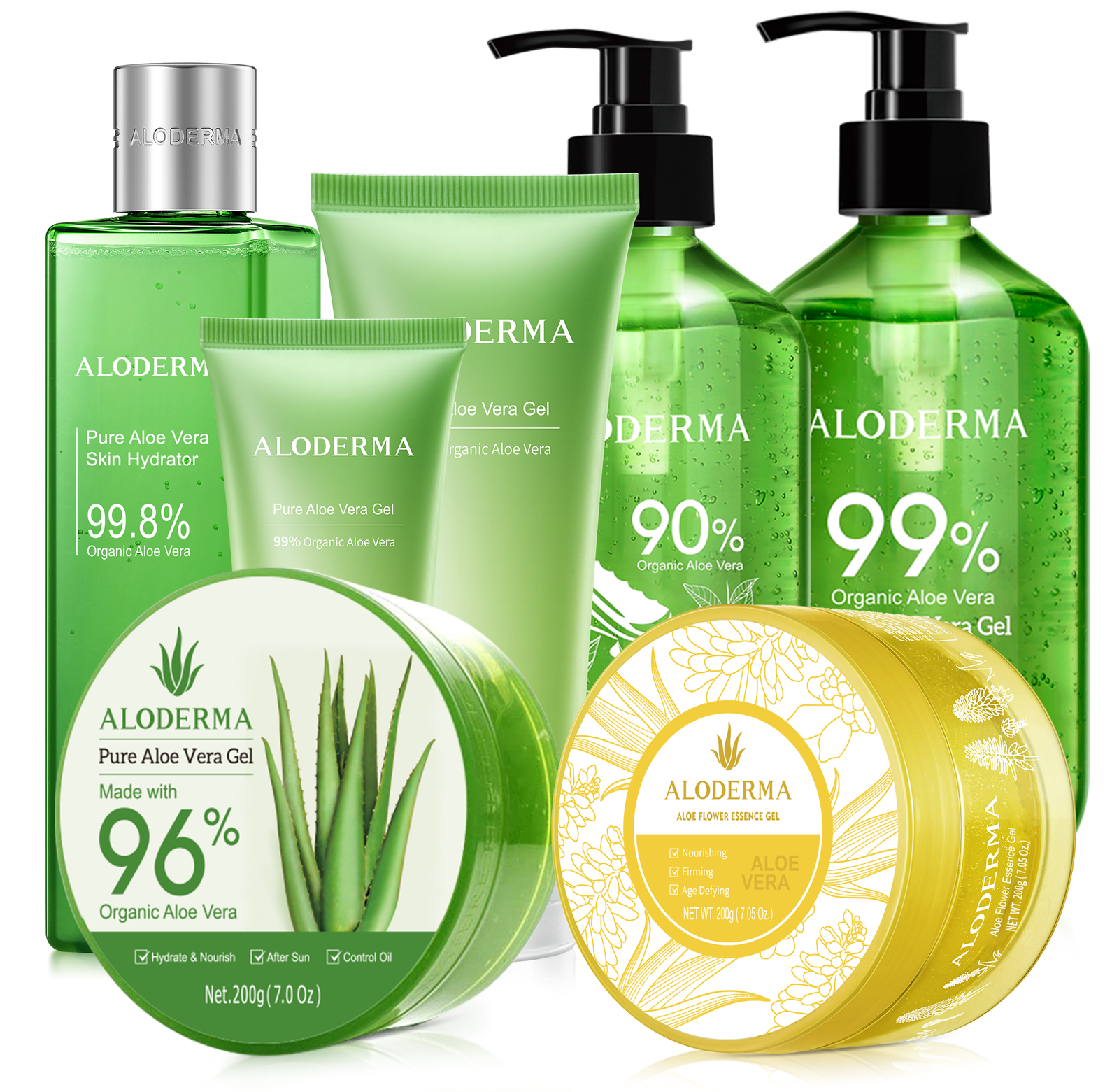
| Dry-feeling skin | Pure Aloe Vera Gel | A light first layer that adds hydration and gives that cool, fresh aloe feel after cleansing or showering. |
| Dehydrated, tired-looking skin | Aloe Vitality Hydrating Serum | Adds a more focused hydration step before cream, helping skin look smoother and feel more supple. |
| Skin that prefers a minimal routine | Organic Aloe Vera Gel | A straightforward option for people who want one aloe step without building a longer routine. |
| Sensitive-feeling skin | Aloe Herbal Toner | A gentle prep step that refreshes the skin and helps the next layer spread more evenly. |
| Daily moisture support | Aloe Nourishing Day Cream | Adds a more protective finish than gel alone, which can be helpful in dry indoor air or long workdays. |
A simple morning routine
Morning skincare should feel easy enough that you will do it.
Start with a gentle cleanse. Then add your aloe layer while skin is still slightly damp. That small detail matters because humectant-rich products work best when there is already a little water on the surface to bind to. If your skin still feels thirsty, add a serum next. Finish with a cream if you want more comfort, then sunscreen.
A short version looks like this:
- Cleanse gently
- Apply aloe toner or gel
- Add serum if skin feels dehydrated
- Use cream if you need more lasting moisture
- Finish with sunscreen
An easy evening rhythm
Evening is a good time to give aloe a slightly bigger role. After cleansing, skin is free of sunscreen, makeup, and the grit of the day, so hydrating layers tend to feel more noticeable.
Use aloe gel as your first leave-on step. Follow with a serum if your skin feels drawn or looks worn out. If you like a softer, more cushioned finish before bed, apply a night cream last. That layering order works like watering soil before covering it with mulch. The gel brings in hydration first, and the richer final layer helps slow its escape.
One caution matters here. Do not add several new products at once, even if they all sound gentle. If you start with one fresh aloe step, it is much easier to notice how your skin responds.
Small routines often work best
Aloe does not need a complicated supporting cast to be useful. In fact, fresh aloe often makes the most sense in a routine that stays restrained, because its main strength is comfort, hydration, and easy layering.
That is also where the 12-hour harvest-to-bottle idea becomes practical, not just interesting brand trivia. If freshness is part of what makes aloe feel active and soothing on the skin, then a simple routine gives that ingredient room to do its job. You are not burying it under ten competing steps. You are using it where it can be felt.
For some people, that means cleanser, aloe gel, moisturizer. For others, toner, serum, cream is the better fit. The best routine is the one your skin stays happy with, and the one you will keep using on ordinary weekdays, not just on your most disciplined ones.
How to Choose and Use Aloe Products Safely
Aloe can be wonderfully gentle, but the plant has parts that deserve distinction. This is one of the biggest points of confusion in the aloe world. People hear “aloe” and assume every part of the leaf is equally suitable for regular use. That's not a safe assumption.
It is critical to distinguish between safe, decolorized inner leaf aloe gel and non-decolorized whole-leaf extracts that contain the latex compound aloin. Responsible formulation, which ALODERMA practices, uses only the purified gel to avoid any risks associated with aloin (review discussing aloin and the difference between purified gel and whole-leaf extract).
The part you want and the part you don't
Inside the aloe leaf, the clear inner gel is the skincare-friendly portion people usually mean when they praise aloe. Closer to the outer leaf is the yellow latex layer, where aloin is found. That's the area that raises concern.
For ingredient-conscious shoppers, this leads to a simple label-reading rule:
- Look for purified or decolorized inner leaf gel
- Be cautious with unclear whole-leaf language
- Check where aloe appears in the ingredient list
If you see Aloe Barbadensis Leaf Juice high on the list, that usually tells you aloe plays a meaningful role in the formula rather than acting as a token botanical.
Smart habits for first use
Even gentle products deserve a thoughtful introduction. Skin is personal, and a formula that feels perfect for one person may not suit another.
A good approach is simple:
- Patch test first. Apply a small amount to a discreet area.
- Wait and observe. Give your skin time to respond.
- Add one new aloe product at a time. That way, if something doesn't agree with you, you'll know what caused it.
The safest aloe product isn't the one with the most dramatic marketing. It's the one with clear labeling, purified inner gel, and a formula your skin tolerates well.
Why transparency matters
The miracle of Aloe should never depend on hype. It should depend on clean processing, honest formulation, and good consumer education. When shoppers understand the difference between purified gel and problematic leaf components, they can choose products with far more confidence.
That confidence matters. Good skincare should feel reassuring before you even open the bottle.
Experience the True Miracle of Aloe
You smooth aloe onto skin that feels hot, tight, or overworked, and within moments it feels calmer. That familiar relief can seem almost magical. The more interesting story is why it happens, and why one aloe product can feel far more satisfying than another.
Aloe is a fresh plant first. Its gel is full of water-loving sugars, soothing compounds, and delicate plant material that can change after harvest. A cut apple starts to lose its just-picked character as it sits on the counter. Aloe behaves in its own way, but the lesson is similar. Time and handling matter.
That is why the 12-hour harvest-to-bottle process stands out. It helps preserve the qualities that make fresh aloe feel comforting in the first place. Instead of treating aloe as a minor botanical added for label appeal, this approach starts with aloe at its most intact, then moves it quickly from field to formula. For skin, that can mean an experience that feels cleaner, fresher, and closer to the living plant.
If aloe has let you down before, the issue may not have been aloe itself. It may have been an older, weaker, or less carefully processed formula. Freshness does not turn skincare into a fairy tale. It helps explain why aloe sometimes feels ordinary and sometimes feels remarkably good.
That is the miracle of aloe. Ancient plant wisdom, modern processing, and everyday usefulness meeting in the same bottle.
If you want to experience aloe through that fresh-from-the-field approach, explore ALODERMA. Aloderma grows its own organic aloe, processes it on site, and bottles it within 12 hours of harvest, which helps maintain the fresh character that makes aloe so appealing in skincare. As noted earlier, you can browse its gel, serum, toner, day cream, and night cream options to build a routine that feels simple, gentle, and rooted in fresh aloe.