



You're probably standing at the sink with a half-used cleanser in your hand, wondering whether it's helping your skin or making things worse. The label says things like natural, clean, botanical, soothing. Another bottle says organic. A third says gentle. Individuals often end up guessing.
That confusion makes sense. Face wash looks simple, but it does a very important job. It touches your skin every day, often twice a day, and it sets the tone for everything that follows. If your cleanser is too harsh, your skin can feel tight before you even apply serum or moisturizer. If it's too weak, makeup, oil, and daily grime stay behind.
An organic face wash can be a smart choice, especially if you want a formula built around plant-based ingredients. But its full value comes from understanding what “organic” means, how a cleanser works, and why freshness matters when aloe vera is the star ingredient.
Why Your Cleanser Is the Most Important Skincare Step
A lot of skincare disappointment starts with the wrong cleanser.
People often spend the most time choosing serums and creams because those products feel more “active.” But cleanser is the product that prepares your skin for everything else. It removes sebum, sweat, sunscreen, and the fine debris that collects over the day. If that first step is off, the rest of your routine has to work harder.
Think of your cleanser like washing a plate before serving a meal. Even a great meal loses its appeal on a dirty plate. In the same way, even a well-chosen moisturizer or treatment has a harder time doing its job if the skin isn't properly cleansed first.
The category is also growing fast because shoppers are paying closer attention to what touches their skin daily. The global face wash market is projected to grow by USD 8.39 billion between 2023 and 2028, with rising demand for natural, organic, and botanical ingredients identified as a key driver, according to Technavio's face wash market analysis.
What a good cleanser actually does
A good face wash should do three things at once:
- Lift away buildup so oil, sweat, and residue rinse off cleanly
- Respect your skin's balance so your face feels clean, not stripped
- Support the rest of your routine so toner, serum, and moisturizer go onto a fresh surface
That middle point is where many people get stuck. They assume “squeaky clean” means the cleanser worked. Usually, that tight, dry feeling is a warning sign that the formula may be taking too much with it.
Practical rule: After cleansing, your skin should feel refreshed and comfortable. It shouldn't feel stretched, hot, or papery.
Why this matters more than labels
Words like organic and natural matter, but only after the cleanser passes the basic test of daily performance. A face wash still has to remove grime. It still has to rinse well. It still has to leave your skin ready for the next step.
That's why choosing an organic face wash isn't about chasing a trend. It's about finding a formula that cleans effectively while fitting the kind of routine you can stick to every morning and night.
What Makes a Face Wash Truly Organic?
Not every plant-themed cleanser is organic.
A bottle can show leaves, herbs, or soft green colors and still contain only a small amount of organically grown material. That's why it helps to separate organic from natural-looking marketing. In skincare, organic refers to how ingredients are grown and handled, not just how the packaging sounds.
The market shift is real. In a global study, the natural/herbal segment held 55.5% of the facial cleanser market share in 2024, showing strong consumer preference for ingredients such as aloe vera, chamomile, and green tea, as noted in Data Bridge Market Research's facial cleanser report.

The difference between organic and natural
Natural usually means an ingredient comes from a plant, mineral, or other naturally derived source. Organic goes further. It points to farming standards and ingredient sourcing practices.
That distinction matters because a cleanser can include a few botanical extracts and still not be meaningfully organic. For a shopper, the question becomes: how much of this formula reflects careful sourcing, and how much is just decoration on the label?
What to look for on the bottle
An organic face wash usually gives you clues in a few places:
- Certification marks such as USDA Organic, ECOCERT, or other recognized standards
- A clear ingredient list that doesn't hide behind vague language
- A formula story that explains how the brand sources and processes its hero ingredients
- A broader values match that connects ingredient quality with sustainability and transparency
If you want a deeper primer on how brands define and build cleaner formulas, ALODERMA's guide to organic skincare products is a helpful place to compare labels with real ingredient standards.
Organic is best understood as a sourcing standard first, not a promise that every formula will automatically suit every face.
Why processing matters too
Even when ingredients are organically grown, the way they're processed still matters. A delicate botanical ingredient can lose some of its appeal if it sits too long before being turned into a finished product. That's especially important with aloe vera, where freshness is part of the value.
So when you shop for an organic face wash, don't stop at the word organic. Ask a more useful question: did the brand pair responsible sourcing with thoughtful processing and a formula that makes sense for daily cleansing?
The Farm-to-Skin Difference of Fresh Aloe Vera
Aloe vera is one of those ingredients people recognize instantly, but many don't stop to ask how it gets from the field into a bottle. That missing step matters more than most labels suggest.
Fresh aloe is a bit like fresh produce. A just-picked strawberry and one that has spent a long stretch in storage aren't the same experience. They may look similar at a glance, but freshness changes the feel. Aloe works in a similar way. When a brand handles it quickly and carefully, the ingredient keeps more of the character that made people want it in the first place.
Why freshness changes the conversation
Many organic face wash articles stop at “contains aloe vera.” That tells you almost nothing. Aloe can be the star of a formula, or it can be a tiny supporting ingredient added for label appeal.
The more useful question is where the aloe comes from and how quickly it's processed. A farm-to-skin approach gives that answer in a concrete way. Instead of buying aloe from distant suppliers, the company controls the growing, harvesting, processing, and manufacturing chain in one connected system.
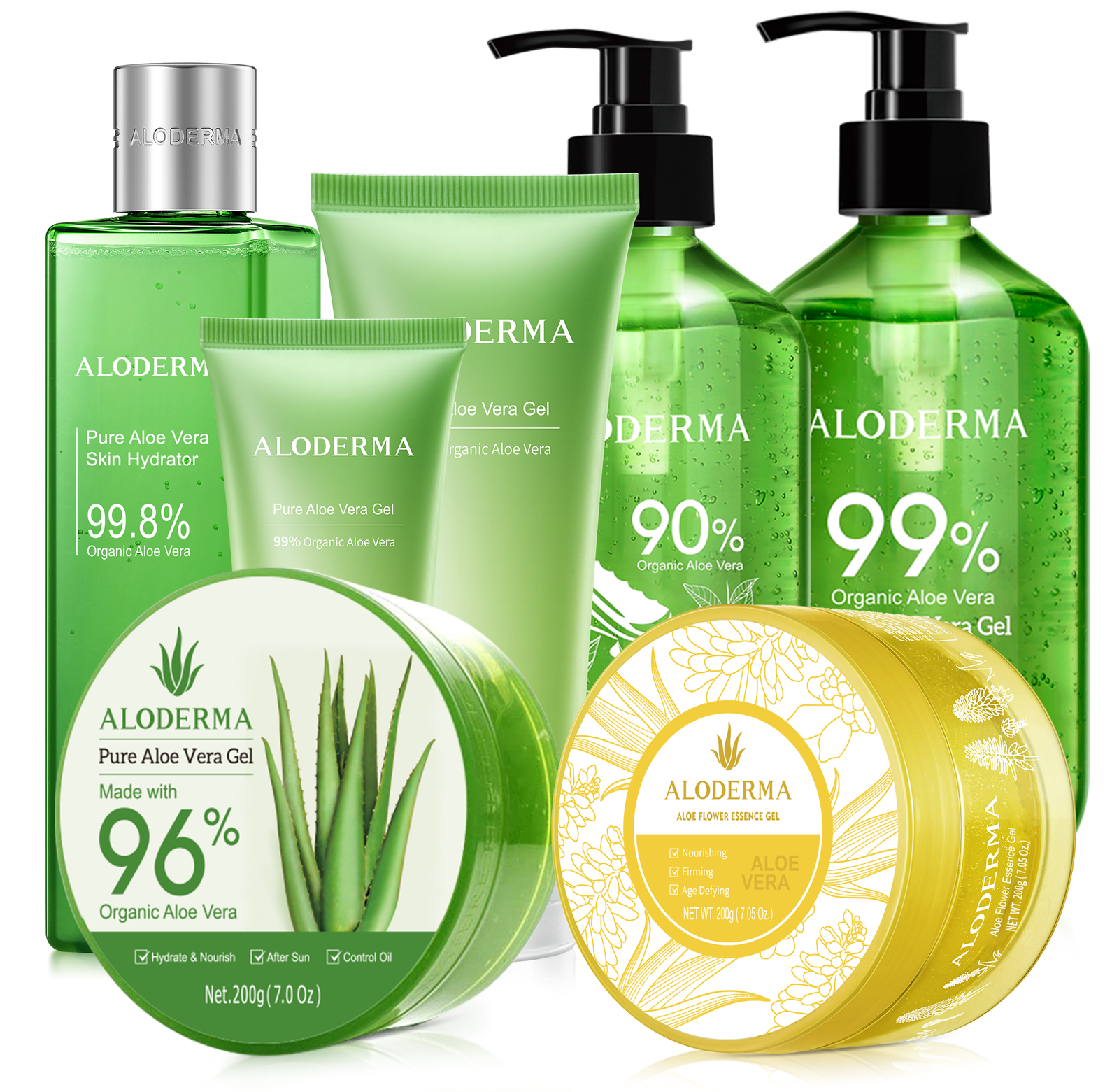
That's where ALODERMA stands apart in a practical sense. It is a fully vertically integrated aloe vera company that grows its own organic aloe vera and processes and manufactures onsite within 12 hours of harvest, so the primary ingredient used across its products is handled while it's still fresh and highly bioactive.
What vertical integration means for your cleanser
Vertical integration can sound like business jargon, but the skincare meaning is simple. Fewer handoffs. More control. Better consistency.
If a company grows its own aloe, it can manage the crop. If it processes onsite, it can reduce delay. If it manufactures where the aloe is processed, it doesn't have to treat aloe like a distant commodity ingredient.
For you, that can translate into a cleanser that feels less like a generic botanical blend and more like a formula built around one intentionally handled ingredient.
Here's a closer look at that process:
- Grown at the source so the brand knows the origin of its aloe
- Harvested with timing in mind instead of sitting in a long supply chain
- Processed onsite so the ingredient is handled quickly
- Manufactured close to harvest so freshness isn't an afterthought
The farm-to-skin story makes more sense when you see it in action:
If you want to understand how aloe fits into day-to-day skincare, ALODERMA also offers a useful guide on how to use aloe vera for skin.
Fresh aloe versus aloe as a label ingredient
Many shoppers experience their “aha” moment when considering these details. Organic status tells you something about the farm. Fresh processing tells you something about the ingredient's journey. Formula design tells you whether the cleanser will work.
A strong organic face wash can bring all three together. It can use responsibly sourced botanicals, process them with care, and still cleanse effectively enough for real life. That's the difference between a cleanser that sounds wholesome and one that feels thoughtfully made every time you use it.
Decoding Your Cleanser's Ingredient Label
Ingredient lists can look intimidating, but they're easier to read once you know the roles each ingredient plays.
The biggest misconception is that the plants do all the cleansing. They don't. In most formulas, the cleaning work comes from surfactants, which are ingredients that help water mix with oil and lift grime so it can rinse away. In a technical analysis of facial cleansers, researchers identified 87 chemicals total and 30 distinct surfactants across 10 products, showing that cleanser performance depends on formula structure, not botanical claims alone, as reported in this facial cleanser ingredient analysis.
The three groups that matter most
When you scan a cleanser label, start by sorting ingredients into simple buckets.
Cleansers: These are the washing agents. They create the actual cleansing action.
Comfort ingredients: These help reduce that stripped feeling. Think aloe vera, glycerin, and supportive plant-based ingredients.
Support ingredients: These help with texture, stability, and shelf life. They may not sound glamorous, but they're part of what makes the product usable.
For readers who like learning how ingredient education shapes shopping decisions, these resources on digital marketing essentials are useful because they show how language and ingredient framing influence what people think they're buying.
Organic Face Wash Ingredient Guide
| Look For These (Beneficial) | Avoid These (Problematic) |
|---|---|
| Aloe vera for a light, comfortable feel | Heavy fragrance if your skin reacts easily |
| Glycerin to help hold water at the skin surface | Harsh sulfate-style cleansing systems if they leave you tight and dry |
| Mild surfactants that cleanse without that squeaky feel | Drying alcohols high on the list in a daily cleanser |
| Shorter ingredient lists when your skin is easily unsettled | Abrasive particles in a product meant for everyday use |
| pH-conscious formulas that feel balanced after rinsing | Botanical overload if many extracts and essential oils make your skin unpredictable |
A simple way to read the label in store
Use this quick mental checklist:
- Find the cleansing agents first. If the formula is all botanical storytelling and no clear cleansing base, be cautious.
- Look for support ingredients next. Aloe vera and glycerin often make a cleanser feel more comfortable.
- Watch for common troublemakers. Added fragrance and overly aggressive cleansing agents can be more important than whether the bottle says organic.
- Ask how your skin feels after use. Your face is the final judge.
A good ingredient list reads like a team. One group cleans, one group cushions, and one group keeps the formula stable.
Find the Best Organic Cleanser for Your Skin Type
The right organic face wash depends less on trends and more on how your skin behaves by the end of the day.
If your forehead gets shiny before lunch, you need a different cleanser than someone whose cheeks feel tight right after washing. Skin type sounds technical, but it's possible to identify one's type by paying attention to comfort, oil, and consistency.

Oily or shine-prone skin
If your skin looks glossy quickly, especially around the nose and forehead, choose a cleanser that removes excess oil without making your whole face feel stripped. Dermatology-focused guidance emphasizes pH-balanced formulas that preserve skin moisture, since harsh cleansers can strip natural lipids and make regular cleansing less comfortable for sensitive or blemish-prone skin, according to this cleanser guidance.
A light gel or soft foaming cleanser often fits this skin type better than a rich cream wash. You want clean skin, not that over-washed feeling that can make your routine unpleasant.
Dry-feeling skin
Dry skin usually tells on itself fast. After washing, it can feel tight, dull, or slightly rough. This skin type tends to prefer creamier cleansers with humectants and softening ingredients.
Look for formulas centered on comfort. Aloe vera and glycerin are often easy starting points because they help the cleansing step feel less harsh.
Sensitive-feeling skin
Some skin reacts to too much “activity” in a formula. That can include strong fragrance, too many essential oils, or a long ingredient list packed with extras.
For this skin type, less is often more. The gentlest path is usually a cleanser with a short, straightforward ingredient story and mild cleansing agents.
If your skin is unpredictable, don't shop for the longest list of botanicals. Shop for the calmest formula.
Combination skin
Combination skin often means an oily T-zone with cheeks that want more comfort. This skin type usually benefits from a balancing cleanser that doesn't over-focus on either extreme.
A moderate gel cleanser can work well here because it clears away oil where you need it while staying comfortable on the drier parts of the face.
One aloe-based option to consider
If you want a product example, ALODERMA Soothing Facial Cleanser is positioned for sensitive-feeling skin and includes 76% organic aloe vera with allantoin. That kind of formula makes sense for readers who want a face wash built around gentle cleansing rather than a harsh scrubby feel.
If you're comparing categories more broadly, these quality wellness face wash options can also help you see how different cleanser types are positioned for different needs.
How to Build Your Perfect Cleansing Routine
A good cleanser works better when you use it gently and consistently.
Many people undermine a perfectly decent face wash by using hot water, rushing through the wash, or rubbing their face dry like they're cleaning a countertop. Cleansing should feel controlled and boring in the best way. It's a steady habit, not a dramatic treatment.

The sink-side method that works
Follow these steps:
- Use lukewarm water so your skin feels comfortable from the start.
- Apply a small amount of cleanser rather than overloading your hands.
- Massage gently for up to a minute with your fingertips, especially around the nose, chin, and hairline.
- Rinse thoroughly because leftover cleanser can make skin feel off later.
- Pat dry with a soft towel instead of rubbing.
- Apply the next products soon after while skin still feels fresh.
What comes after cleanser
A simple routine often works best:
- Toner if you use one to add a light layer of hydration
- Serum if you're targeting a particular skin goal
- Moisturizer to seal in comfort
- Sunscreen in the morning as the final daytime step
For a broader walkthrough of how cleansing fits into a complete regimen, ALODERMA's article on how to build a skincare routine is a practical reference.
Your cleanser should leave your skin ready for skincare, not in need of recovery from skincare.
Small technique changes that make a big difference
Two common mistakes are easy to fix:
- Using hot water because it feels relaxing. It often leaves skin less comfortable afterward.
- Scrubbing too hard because you want a deeper clean. Face wash is chemistry plus gentle motion, not force.
A steady morning and evening cleanse usually does more for your skin than constantly switching products.
Your Organic Face Wash Questions Answered
Is an organic face wash always gentler
Not always. That's one of the biggest misunderstandings in skincare. A key question is whether organic automatically means gentler for sensitive skin. The evidence is more nuanced. The most important factors for tolerance are often a short ingredient list, no added fragrance, and mild cleansing agents, as discussed in The Good Trade's look at natural and organic face wash.
Can an organic cleanser remove makeup
Sometimes yes, but it depends on the formula and the kind of makeup. A light organic gel cleanser may handle everyday residue well. Heavier makeup or water-resistant products may need a first cleanse before your face wash.
Should aloe be high on the ingredient list
If aloe vera is one of the reasons you're choosing the product, then yes, it helps when it appears as a meaningful part of the formula rather than as a tiny add-on. That doesn't guarantee the cleanser will suit you, but it does tell you the brand likely built the formula around aloe instead of using it as decoration.
How long does it take to know if a cleanser is working
Usually, your skin gives you fast feedback. After the first few uses, ask simple questions. Does your skin feel clean but comfortable? Does it look balanced instead of flat or greasy? Do you dread using it, or does it fit easily into your routine?
Those are better questions than chasing hype words.
Is fragrance-free more important than organic for reactive skin
For many people, yes. If your skin tends to be fussy, fragrance level and cleanser strength may matter more than whether the formula is organic. Organic sourcing can still be a plus. It just shouldn't distract from the more immediate issue of tolerance.
If you're interested in how beauty brands communicate those differences to shoppers, REACH's beauty industry marketing tips offer useful context on the language people see around skincare products.
The simplest takeaway is this: an organic face wash is worth considering when it combines thoughtful sourcing, a mild cleansing system, and an ingredient list your skin can live with every day.
If you want a cleanser and routine built around fresh aloe vera, explore ALODERMA. Its farm-to-skin approach centers on organically grown aloe that's harvested, processed, and manufactured onsite within 12 hours, which makes it a useful place to compare ingredient-focused cleansers, hydrators, and everyday skincare essentials.