



You know the moment. Your skin feels a little tight, a little dull, and not quite comfortable. You open a sheet mask because you want that fast reset. Softer skin. A fresher look. A few quiet minutes that feel like care instead of correction.
That instinct makes sense. A sheet mask can be one of the simplest ways to give skin a concentrated dose of moisture and comfort. But the real story isn't the sheet itself. The true value comes from the serum inside, the ingredient quality, and how well that formula matches what your skin is asking for that day.
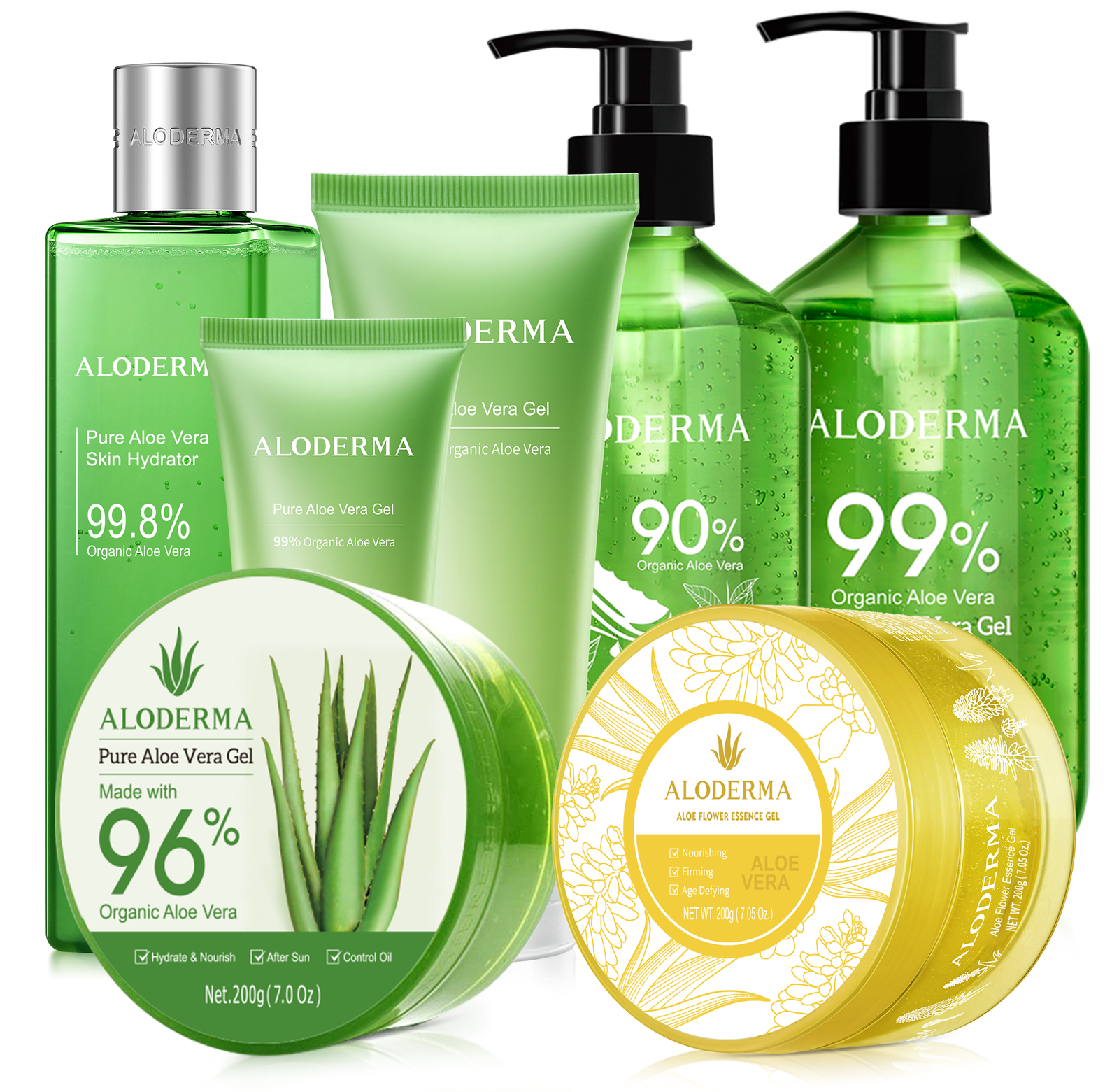
That matters even more with aloe vera. We live and breathe this ingredient because fresh aloe behaves differently from aloe powders or heavily diluted bases. At ALODERMA, we grow our own organic aloe vera, process it on-site, and manufacture within 12 hours of harvest so the aloe in every formula stays as bioactive and effective as possible. When a sheet mask sits on your face, that serum has time to stay in close contact with skin. If the serum starts with fresh aloe, that experience can feel noticeably more comforting.
What Is a Sheet Mask and How Does It Work
A sheet mask is a face-shaped material pre-soaked in serum. You place it on clean skin, smooth it into place, and let it sit for a short window while the formula stays pressed gently against the face.
The easiest way to think about it is a mini greenhouse for your skin. Instead of letting the serum evaporate quickly, the sheet creates an occlusive layer that slows water loss and keeps ingredients on the skin longer. That basic mechanism is one reason sheet masks have stayed so popular.
A major 2023 consumer survey found that 65% of respondents said they use or buy sheet masks more than they did two years earlier, and 54% expected their use to increase over the next two years. The same coverage notes that hydration and moisture were the most sought-after mask benefits, and dermatologist guidance included there explains that masks can help moisturize skin and support the skin barrier because the occlusive sheet slows evaporation and keeps active ingredients on the skin longer, as reported by GCI Magazine's coverage of consumer demand for skincare masks.

The sheet is the vehicle, not the star
Many people get confused. They assume all sheet masks work the same way because the format looks similar. They don't.
The fabric is a delivery system. The serum does the primary work. If the serum is basic, you'll mostly get a temporary wet feeling. If the serum is thoughtfully built, the mask can leave skin looking plumper, softer, and more settled.
Key idea: A sheet mask doesn't create benefits out of thin air. It gives the formula more time and closer contact with your skin.
Why aloe quality changes the experience
Aloe is often treated like a background ingredient. We see it differently. Fresh, bioactive aloe can act as a comfort-first base that makes a mask feel less harsh and more skin-friendly, especially when your face feels dry, overheated, or overworked by weather, travel, or long days indoors.
That's why our approach starts on the farm. We grow our own organic aloe vera and process and manufacture on-site within 12 hours of harvest. The point isn't a romantic story. The point is freshness. When the primary ingredient is carefully handled aloe rather than a token amount added to a water-heavy base, the mask can deliver a more meaningful hydrating and soothing moment.
The Core Benefit Deep Lasting Hydration
When people talk about sheet mask benefits, they usually mean one thing first. Hydration.
Hydrated skin tends to look smoother, bouncier, and more reflective. Dehydrated skin often looks flat and feels tight, even if your skin type is oily. That's an important distinction because many people confuse oil with water. Skin can produce oil and still lack water.
What hydration actually changes
When your skin gets a solid drink of moisture, a few visible things usually happen at once:
- Fine dry lines look softer because the surface doesn't appear as creased
- Texture looks smoother because rough patches feel less obvious
- Skin looks more awake because a hydrated surface reflects light better
- Comfort improves because tightness often eases after moisture is replenished
This is why hydration is more than a cosmetic extra. It's often the first step that helps everything else in your routine feel better.
A major 2023 consumer survey found hydration and moisture were the most sought-after mask benefits, and dermatologist guidance in that same coverage notes that masks can moisturize skin and support the skin barrier because the sheet slows evaporation and keeps active ingredients on the skin longer, according to this report on what consumers want from skincare masks.
Why aloe belongs in a hydrating mask
Aloe vera is one of those ingredients people recognize, but many don't know why it works so well in hydration-focused products. It helps because it feels light, water-rich, and comfortable on the skin. In a sheet mask, that matters. You want the serum to flood the skin with moisture without leaving it coated or smothered.
Fresh aloe also pairs naturally with ingredients people already look for in hydration formulas, like hyaluronic acid. If you want a simple explanation of how that pairing works, this guide to pure hyaluronic acid is useful because it helps separate water-binding support from the heavier feel some people try to avoid.
Hydration is often the fastest visible win in skincare because skin doesn't need weeks to show that it feels more comfortable and looks less dull.
Why “lasting” depends on the formula
This is the part that gets oversimplified online. A sheet mask can absolutely give an immediate moisture boost, but whether that feeling lingers depends on what's in the serum and what you do after.
A good hydrating mask should leave skin feeling replenished, not just wet. That usually means using ingredients that attract and hold moisture, then following with the rest of your routine so that water doesn't disappear as quickly. The best sheet mask benefits come from this full picture. Good ingredients, smart format, and the right follow-up.
Providing a Feeling of Calm for Stressed Skin
Some days your skin doesn't need a dramatic routine. It needs relief.
You come home after sun, wind, dry indoor air, makeup, or simple overload, and your face looks a little flushed and feels less comfortable than it did that morning. A cool sheet mask can help turn that around fast, not by forcing aggressive change, but by giving skin a quieter environment and a gentle layer of moisture.

What “calming” really means on skin
People often use the word calming loosely. In everyday skincare language, it usually means the skin feels less hot, less tight, and less visibly unsettled. It's a sensory benefit first, which is exactly why sheet masks can be so satisfying. The cool sheet rests against the face while the serum stays where you need it.
A 2025 clinical study on a collagen-based sheet mask found it could improve hydration and reduce erythema, or visible redness, while also showing signals consistent with skin-barrier support. That doesn't mean every mask will do the same thing. It does show that the right formula and material can do more than create a temporary damp feeling.
Why fresh aloe fits this moment
Aloe earns its place here because it feels immediately comforting. That's especially helpful when your skin is having one of those “leave me alone, but please help” days. The best soothing masks don't feel busy. They feel soft, light, and easy to wear.
That's where fresh aloe makes a difference. At ALODERMA, we grow our own organic aloe vera and process and manufacture it on-site within 12 hours of harvest. That vertical integration lets us keep the ingredient at the center of the formula instead of treating it like decoration on the label.
If you enjoy reading broader spa-style masking ideas alongside practical skincare guidance, this piece on how to unlock glowing, hydrated skin adds a useful perspective on why texture, feel, and finish matter so much in a mask experience.
A familiar example
Say your skin looks more reactive after a long travel day. You cleanse, apply a cool sheet mask, lean back for a few minutes, and when you remove it your face looks less blotchy and feels less tight. That's not magic. It's contact time, moisture, and formula quality working together.
A soothing sheet mask is often less about transformation and more about helping skin return to a comfortable baseline.
That's an underrated benefit. Comfortable skin tends to look better even before you add the rest of your routine.
Unlocking a Brighter More Radiant Complexion
“Glow” sounds vague until you break it down. In real life, radiant skin usually means two visible things. The surface looks well hydrated, and the tone looks more even.
A sheet mask can support both. First, it saturates the skin with moisture, which helps the face look fresher and more light-reflective. Then, if the serum includes targeted actives, it can support a more refined and luminous appearance over time.

Brightness starts with water, not sparkle
Many people chase radiance with strong exfoliating products first. Sometimes the skin is thirsty. When the surface is dehydrated, it can look ashy, tired, or uneven because roughness disrupts how light hits the face.
That's why a glow mask often works best when it's built on a hydrating base. Moisture gives the skin that smoother, more supple finish that people associate with brightness. Then ingredients such as niacinamide can help support a more even-looking tone and texture.
A practical example is the Aloe Brightening & Firming Sheet Mask. It's one option for people who want a mask that combines an aloe-forward base with brightening support rather than relying on hydration alone.
What to look for in a glow-focused mask
A brightening sheet mask should do more than leave a wet sheen behind. Look for formulas that make sense together.
| Skin goal | What helps support it | What you may notice |
|---|---|---|
| Dull-looking skin | Hydrating base ingredients | More surface bounce and light reflection |
| Uneven-looking tone | Targeted actives such as niacinamide | A more refined, fresh appearance with continued use |
| Tired skin before an event | Quick moisture plus gentle finish | Makeup sits more smoothly and skin looks more awake |
Here's a quick visual on how radiance-focused masking fits into a routine:
Glow that looks believable
The most flattering glow doesn't look greasy or overloaded. It looks like your skin had water, rest, and a little care. That's why I always come back to formula balance. Aloe can keep a brightening mask feeling comfortable and lightweight, which is important for people who want radiance without heaviness.
Good glow is usually a combination of hydration, smoother texture, and ingredients chosen for a clear reason.
That's also why sheet mask benefits vary so much from one product to another. The format can help. The formula decides the outcome.
How to Choose the Right Sheet Mask for Your Skin
The easiest way to waste a sheet mask is to choose by packaging mood instead of skin need. A better approach is simple. Ask what your skin feels like today, then pick ingredients that match that answer.
Expert guidance from Ohio State notes that sheet masks provide immediate moisture, but lasting change depends on repeated use and ingredient-specific formulas. In other words, a good mask isn't just any mask. It should fit the job, as explained in Ohio State Wexner Medical Center's guidance on sheet masks.

Match your mask to the moment
Some days call for moisture. Some call for comfort. Some call for a reset before makeup or an evening out.
-
If your skin feels dry and tight
Look for water-binding ingredients such as hyaluronic acid, plus a base that feels cushiony rather than sticky. If you want more ideas, this guide on the best sheet masks for dry skin gives a helpful overview of what to prioritize. -
If your skin looks dull and tired
Choose a hydrating mask with a brightening support ingredient like niacinamide or vitamin C. Hydration gives quick radiance. The targeted active supports a more even-looking finish with repeated use. -
If your skin feels stressed or visibly flushed
Reach for aloe vera and other gentle, comfort-focused ingredients. This is where simplicity helps. You want skin to feel settled, not challenged. -
If your skin gets oily by midday
Go for light, watery formulas that don't leave residue. A sheet mask can still work for oily skin if the serum feels breathable and doesn't pile richness on top of already shiny areas.
A quick comparison that helps
| What your skin is saying | Better mask profile | Less helpful choice |
|---|---|---|
| “I feel tight” | Humectant-rich, moisture-focused formula | A mask focused only on glow finish |
| “I look blotchy and overworked” | Aloe-forward, gentle, comforting serum | Strong active overload |
| “I look flat before an event” | Hydrating plus brightening support | Heavy cream mask that may feel too rich |
| “I'm oily but dehydrated” | Lightweight hydration | Thick occlusive textures |
Don't overpromise what a mask can do
A sheet mask is a support step, not your entire routine. It can absolutely make skin look and feel better. But if you want benefits beyond a same-day boost, consistency and ingredient choice matter.
That's freeing. You don't need a dramatic product. You need the right product for the right day.
Your Sheet Mask Ritual Application Tips and Best Practices
A good mask can underperform if you use it the wrong way. Most sheet mask mistakes are simple. The face isn't clean, the fit is sloppy, or the mask stays on too long.
A skin-reaction study found that sheet masks worn for less than 25 minutes improved hydration and reduced redness, while prolonged wear caused adverse changes in the stratum corneum. That's why timing matters, according to this study on short-term skin reactions from sheet mask use.
The routine that makes a mask work better
Use this order and you'll get more from the serum without overcomplicating things.
-
Cleanse first
Freshly cleansed skin gives the mask direct contact with the surface. If there's makeup, sunscreen, or excess oil in the way, the serum can't sit as evenly. -
Apply the mask carefully
Smooth it around the nose, mouth, and jaw so the sheet sits flat. Air gaps matter more than people think because they reduce even contact. -
Leave it on for a short window
Aim for the recommended time on the package. A practical range is often around 15 to 20 minutes. More time isn't better once the sheet starts drying. -
Pat in the extra serum
Don't wash your face afterward. Press the remaining serum into the skin, then continue with the rest of your routine.
The myth that causes the most trouble
People often think sleeping in a sheet mask or leaving it on for an extra half hour will multiply the benefit. It usually does the opposite. Once the material dries out, the experience becomes less comfortable and less useful.
Practical rule: Remove the mask while it still feels moist and comfortable, not after it starts feeling tight.
Small adjustments that make a big difference
- Use it before an event if your skin looks tired and makeup isn't sitting well.
- Use it at night when you want a slower, more relaxing rhythm.
- Follow with moisturizer so the hydration step has something to sit under.
- Keep learning the technique with practical tips from this guide on how to use sheet masks.
A sheet mask should feel easy. If the ritual feels fussy, you're probably doing too much.
Beyond the Mask The ALODERMA Farm to Skin Difference
Not all sheet masks are built from the same starting point. That's the reason product comparisons can feel frustrating. Two masks may both say “aloe,” but the ingredient quality, freshness, and formula design can lead to very different experiences on skin.
That difference matters even more as shoppers become more selective. A market forecast highlighted by Fortune Business Insights projects the global sheet mask market to grow to over USD 3.5 billion by 2034, with the natural segment leading market share, reflecting strong interest in plant-based, clean, and gentle formulas, according to Fortune Business Insights' sheet face mask market outlook.
Why vertical integration matters
For us, farm to skin isn't branding language. It's a manufacturing choice that affects the final formula.
We are a fully vertically integrated aloe vera company. We grow our own organic aloe vera, process it ourselves, and manufacture on-site within 12 hours of harvest. That timeline is central to how we preserve the bioactive quality of the aloe that becomes the primary ingredient in our products.
Why that changes sheet mask benefits
A sheet mask works by holding serum against the skin for a set period. So the obvious question is this: what exactly is that serum made of?
If the formula begins with fresh aloe, you get a base that's naturally aligned with hydration and comfort. If the aloe is an afterthought, the experience often feels less distinctive. The format can still be pleasant, but the payoff may be shallower.
That's why I see sheet mask benefits in two layers:
- The format benefit is the close-contact, stay-put delivery system
- The formula benefit is what the skin receives during that contact time
When both are strong, the result feels coherent. Your skin looks more refreshed, feels more comfortable, and the mask fits naturally into a routine instead of acting like a novelty step.
Freshness isn't a marketing extra when the hero ingredient is botanical. It shapes how the product feels from the first minute on skin.
If you care about clean, plant-based skincare, ingredient transparency, and lightweight comfort, that difference is worth paying attention to.
If you want to explore aloe-first skincare built around freshness, visit ALODERMA. You'll find sheet masks, gels, serums, and everyday hydrators made with organic aloe vera grown on our own farms and processed within 12 hours of harvest, so the ingredient at the center of the formula stays as active and effective as possible.