





Some nights, you want the comfort of a facial without turning your bathroom counter into a chemistry lab. You cleanse, pull out a sheet mask, and then hesitate. Should your skin be wet or dry? Do you use serum first? How long is too long? If you've ever worn a mask while mentally running through those questions, you're not alone.
Learning how to use sheet masks well isn't about adding more steps. It's about getting better results from a simple ritual. The difference usually comes down to timing, skin prep, and what you do after the mask comes off.
Fresh ingredients matter too. Aloe is a perfect example. When aloe is handled quickly after harvest, it keeps the clean, cushiony feel people reach for when skin feels thirsty, overheated, or overworked by a busy routine. That kind of freshness is one reason sheet masking can feel less like a trend and more like a reset.
The Simple Ritual for Deeply Hydrated Skin
A sheet mask works best when it feels easy enough to do on a weeknight. You wash your face, press pause for a few minutes, and let your skin drink in hydration while your mind catches up. That's the appeal. It's skincare, but it also gives you a quiet pocket of time.

What changes the experience is ingredient quality. A sheet mask is only as useful as the serum saturating the fabric. If the formula feels sticky, overly perfumed, or heavy, the ritual can quickly go from soothing to annoying. If the formula feels light, replenishing, and comfortable, you're much more likely to use it consistently and use it well.
Why freshness changes the feel
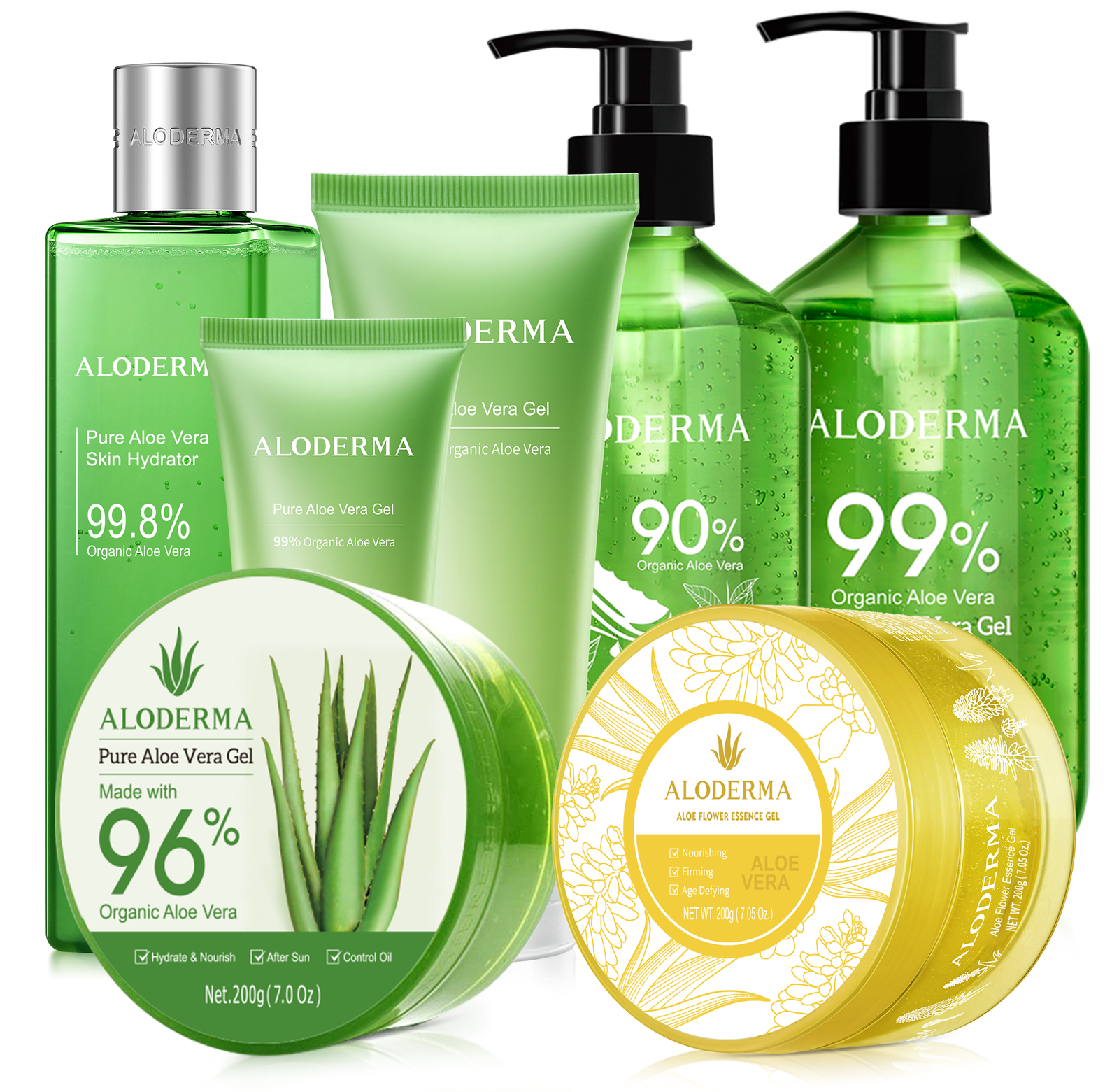
Aloe-based masks are especially good for a simplified routine because they fit naturally on nights when your skin wants less, not more. That's where ALODERMA stands out. The company is fully vertically integrated, grows its own organic aloe vera, and processes its aloe and manufactures onsite within 12 hours of harvest, so the aloe used as the primary ingredient stays as fresh and bioactive as possible. In practice, that supports the kind of clean, dewy finish people want from a mask rather than a coated or overloaded feeling.
A good sheet mask should make your routine simpler for the night, not more complicated.
If you enjoy a fuller self-care evening, pairing sheet masking with a thoughtful at-home ritual can make it feel even more restorative. Dr. Connie Hiers shares a helpful guide to your home facial routine that fits naturally alongside masking.
For readers comparing formulas and textures, this guide to hydrating face masks for dry skin is useful for understanding which masks make sense when your skin feels tight, dull, or depleted.
Preparing Your Skin for the Best Results
Most masking mistakes happen before the pouch is even open. If skin is coated with sunscreen, makeup, or leftover cleanser residue, the serum sits on top instead of making even contact. If skin is bone dry, absorption can feel patchy.

Start with a clean, comfortable base
Use a gentle cleanser that removes the day without leaving your face tight. This is not the moment for an aggressive scrub or a cleanser that makes your cheeks feel squeaky. You want skin that feels clean, soft, and calm.
Imagine a sponge. A completely dry sponge doesn't take in water as easily as one that's already slightly damp. Skin behaves in a similar way.
According to Prime Skincare's guide to applying sheet masks correctly, towel-patting skin to about 80% dry and applying the mask within 2 minutes of cleansing can improve essence absorption, with 15 to 20% residual dampness acting as a sweet spot. The same guidance says cold skin absorbs 25% less essence, which is a practical reminder not to apply a mask right after stepping in from cold weather without letting skin warm up first.
What to do right before the mask
Use this quick prep sequence:
- Cleanse gently: Remove makeup, sunscreen, and surface oil without stripping your skin.
- Pat, don't fully dry: Leave a slight veil of moisture on the surface.
- Move quickly: Don't cleanse and then wander off to fold laundry. Apply the mask while skin still feels fresh.
- Warm the skin environment: If your face feels cold, wait a moment indoors or press warm hands lightly over the cheeks before applying.
Practical rule: Slightly damp skin usually gives a sheet mask a better start than fully dry skin.
If you like using toner, a light layer can help create that dewy canvas. The goal isn't to drench your face. It's to avoid starting from a dry, flat surface that makes the essence work harder than it needs to.
Applying Your Sheet Mask for a Perfect Fit
Opening the pouch is where a lot of product gets wasted. Don't tear it open carelessly and fling the mask out. There's often extra serum pooled in the packet, and that's useful later for the neck, chest, or backs of the hands.
How to place it without bunching or tearing
Unfold the mask slowly and find the eye, nose, and mouth openings first. Start by anchoring the forehead or nose area, then adjust outward over the cheeks and chin. Don't pull hard on the material to force a fit. Stretching can distort the shape, reduce even serum distribution, and sometimes tear the sheet.
Once it's on, smooth out trapped air with your fingertips. Focus on the sides of the nose, around the mouth, and along the jawline. Those are the areas that tend to lift first.
A quick checklist helps:
- Align first: Place the center of the mask before pressing the edges down.
- Press, don't drag: Small presses work better than tugging.
- Flatten bubbles: Full contact helps the serum distribute more evenly.
- Use the extra serum: Any leftover essence in the pouch can be pressed onto the neck and décolleté.
How long to leave it on
Restraint matters. More time doesn't automatically mean better results. A sheet mask is meant to stay hydrated while it sits on the skin, not dry down completely.
A 2022 NIH/PMC sheet-mask exposure study concluded that a wear time of less than 20 minutes is appropriate. In practical use, the most reliable window is 15 to 20 minutes. That's long enough to enjoy the hydration phase without pushing into the stage where the sheet begins to feel dry and less comfortable.
After you've settled it into place, this is a good time to stop touching it and just let it sit.
Here's a visual walkthrough if you like seeing the placement in action:
Locking in Hydration After Your Mask
When the timer goes off, peel the mask away gently from the edges. Don't scrub your face with it on the way off. What's left behind is the part many people waste.
The golden minutes after removal
Press the remaining serum into your skin with your palms or fingertips. Use a patting motion, not rubbing. Rubbing can shift product around unevenly and make the finish feel tackier than it needs to.
According to Ipsy's sheet mask aftercare guidance, best practice is to pat, not rub, then wait about 5 to 10 minutes before applying moisturizer to help avoid pilling and preserve the hydrating benefits.
Patting gives the serum time to settle where you want it. Rubbing often just moves it around.
Seal it in so the mask actually counts
A sheet mask is a hydration step. It is not usually the final step. Once the serum has had a few minutes to sink in, follow with a moisturizer to hold that hydration in place and keep the finish comfortable longer.
If you're deciding what texture to layer next, this explainer on pure hyaluronic acid in skincare can help you think through how humectant-focused products and creams work together.
Don't forget the leftover serum in the packet. Neck, chest, and hands are easy wins.
Pro Tips for Every Skin Type
Once you know the basics of how to use sheet masks, the question then becomes how to fit them into your actual routine. That's where people either get consistently good results or accidentally overdo things.

What works better than doing more
The biggest mistake I see is stacking too many leave-on steps on the same night. A sheet mask already gives skin a concentrated, occlusive hydration session. Adding strong exfoliating acids, a retinoid, and multiple serums on top can turn a calming ritual into a too-much night.
This guide on sheet masks in a routine highlights a key point many users miss. For sensitive or blemish-prone skin, a sheet mask often works best on a rest day, when you skip exfoliating acids or retinoids and let the skin focus on hydration and comfort.
That approach is especially useful when your skin feels off but you can't pinpoint why. On those nights, less usually works better.
Quick decisions by skin feel
Use this simple lens instead of following a rigid rulebook:
| Skin feels like | Better masking choice |
|---|---|
| Tight after cleansing | Keep the routine minimal and hydrating |
| Shiny but dehydrated | Use a lightweight mask, then a light cream |
| Reactive from too many steps | Skip strong actives that night |
| Dull before an event | Mask, pat in serum, then moisturize |
Common missteps to avoid
- Leaving it on too long: If the sheet starts feeling dry, you waited too long.
- Skipping moisturizer: A mask without a sealing step often gives a short-lived result.
- Applying over very dry skin: Prep affects performance more than is often acknowledged.
- Ignoring fit: Air pockets mean uneven contact.
- Masking on top of a harsh routine: Hydration works better when it isn't competing with too many strong products.
One product option in this category is the ALODERMA Aloe Hydrating Facial Mask. It fits the kind of simplified masking night many people need, especially when the goal is comfort, lightweight hydration, and fewer layers rather than a crowded routine.
Your Aloe Sheet Mask Questions Answered
How often should you use a sheet mask
Daily masking gets a lot of attention, but it's often not essential. FaceTory's sheet mask FAQ notes that while daily masking is a trend, 1 to 2 times per week is usually enough for a hydration boost, and overuse can be wasteful if you already have an effective routine.
That cadence makes sense for most skin types. It keeps sheet masks feeling like a useful treatment, not another obligation.
Can oily skin use an aloe sheet mask
Yes. Oily skin still needs hydration. The trick is choosing hydration that feels light and comfortable instead of greasy. Aloe-based masks are often a good fit because they can give skin that refreshed, cushioned feel without making the routine feel heavy.
If your skin is oily and blemish-prone, keep the rest of the routine simple on masking night. Cleanse, mask, moisturize. That's usually enough.
Should you store sheet masks in the fridge
You can if you enjoy the cooling sensation, especially after a long day or warm shower. But cold temperature isn't what makes a mask effective. Formula quality, correct prep, and proper timing matter more.
If you're interested in aloe more broadly beyond sheet masks, this guide on how to use aloe vera for skin is a helpful next read.
If you want a simpler masking ritual built around fresh aloe, explore ALODERMA. Their farm-to-skin approach starts with organic aloe they grow themselves and process onsite within 12 hours of harvest, which makes sense for anyone trying to build a gentle, hydration-focused routine with fewer unnecessary steps.