







You step out of the shower feeling clean and comfortable, then reach for your phone, find clothes, or start drying your hair. A few minutes later, your cheeks feel tight, your forehead looks shiny, and your arms have lost that soft, freshly washed feel. The problem usually isn't that you need more products. Your after shower routine may be starting too late or using textures that don't suit damp skin.
A well-built routine is quick, light, and repeatable. Cleanse with lukewarm water, pat rather than rub, apply hydration while skin remains slightly damp, then choose a sealant that matches your skin type. Aloe-forward formulas fit this approach particularly well because they can add water-based comfort without the heavy finish many people with sensitive, oily, or blemish-prone skin dislike.
Why the First Three Minutes After Your Shower Matter
You step out of a warm shower, wrap yourself in a robe, and reach for your phone. By the time you return to skincare, your cheeks may feel tight while your forehead looks slick. The first three minutes are the practical window for managing that shift. Water, cleanser, steam, and heat have just changed the skin's surface, and complete towel-drying followed by delay lets moisture evaporate before your routine begins.
Dermatology and allergy guidance commonly recommends moisturizing within 3 minutes of bathing or showering. Clinical research supports that timing. In a study of 60 healthy Vietnamese volunteers, hydration increased and transepidermal water loss decreased when moisturizer was applied immediately after washing. Moisturized skin performed better than non-moisturized skin at every measured time point in that study. The clinical findings are available through PubMed.

Damp skin changes the texture decision
Dampness alone does not provide lasting hydration. Without moisturizer, skin hydration rose briefly after bathing, then returned to its pre-bath level within about 10 minutes after leaving the bath. Moisturizer increased hydration from 1 to 60 minutes after bathing. This delayed return to baseline explains why applying a product during the damp-window matters more than waiting for dryness.
That timing also determines texture. Dense butters and thick creams create more drag during application and may leave sensitive, oily, or blemish-prone skin feeling coated. Fresh aloe vera leaf gel is about 99.5% water, with the remainder containing compounds including polysaccharides, vitamins, minerals, enzymes, phenolic compounds, and organic acids. This scientific review explains aloe's composition. An aloe-forward gel or fluid lotion spreads with less tugging and provides water-based comfort without the heavy finish many people avoid.
Pat, don't polish
Use a soft towel to remove excess water, then stop while the skin remains slightly damp. Press and lift instead of dragging fabric across your face or body. Rubbing often makes freshly cleansed skin feel more reactive, while gentle patting leaves enough surface moisture for a lightweight product to distribute evenly.
Practical rule: Keep your first hydrating product beside the towel, not across the room. The routine must be ready before your skin dries.
For a straightforward guide to hydrate skin after cleansing, focus on application rather than quantity. A small amount of a suitable aloe-forward product on slightly damp skin supports comfort before evaporation leaves you reaching for heavier layers.
The Complete Layering Sequence for Lightweight Hydration
Start as soon as you've patted away dripping water. Your face should feel moist, not wet enough for products to slide toward the jawline. If water is running down your neck, pat once more. If the surface already feels tight, don't wait for it to dry further.
A toner or mist comes first when it has a watery consistency. Press it into the skin with clean hands rather than rubbing with a cotton pad, especially if your face feels easily sensitized after cleansing. A spray-on aloe toner can be useful beside the shower because it buys you a little application time without adding a sticky layer.
Next, apply a thin water-based serum. Look for a fluid texture that disappears into the skin rather than leaving a slick film. Humectant-focused ingredients can support the damp-skin effect, while a serum with a lightweight finish is easier to layer beneath moisturizer. You don't need to wait for a rigid countdown between these steps. Apply the next layer when the previous one feels settled enough that it won't pill under gentle pressing.

Build from fluid to protective
Aloe gel or a light gel moisturizer follows the serum. It adds a little more slip and helps reduce the tight feeling that can appear as water leaves the surface. For oily or blemish-prone skin, this stage often works better than jumping directly to a rich cream. Heavy textures can feel occlusive and uncomfortable, particularly when applied over several watery layers.
Use a small amount first, then add more only to areas that still feel dry. Your skin should feel soft and flexible, not coated. If a product remains visibly glossy after a short settling period, you may be using too much or layering textures that don't belong together.
For daytime, sunscreen comes after moisturizer and serves as the final facial skincare step. Keep the rest of the routine simple so the sunscreen forms an even film instead of competing with multiple oils, thick creams, or active products.
For a broader look at order and product consistency, SEYANTE's post-shower home spa guidance offers useful routine context. Comfort matters, but a relaxing routine still needs a sequence that won't leave you sticky or pilling.
Watch the embedded routine example below for a visual demonstration of the layering logic.
The recommended order for skincare products follows the same principle: begin with the thinnest, most water-like textures and finish with the lightest product that can comfortably hold the routine in place.
Choosing the Right Aloe Products for Your Skin Type
The right aloe product isn't chosen by the word “aloe” alone. Read the full ingredient list, assess the finish on your skin, and decide whether you need a watery layer, a gel, or a cream. Sensitive skin often prefers fewer potential irritants, oily skin usually dislikes lingering richness, and blemish-prone skin needs restraint when several active formulas are already in use.
| Skin Type | Preferred Ingredients | Ingredients to Avoid | Best Texture |
|---|---|---|---|
| Sensitive | Aloe vera, glycerin, panthenol, ceramides | Fragrance, drying alcohols, essential oils if they cause discomfort | Lightweight gel or simple lotion |
| Oily | Aloe vera, niacinamide, hyaluronic acid, glycerin | Heavy butters, rich oils, silicone-heavy stacks if they feel congesting | Fast-absorbing gel |
| Blemish-prone | Aloe vera, glycerin, hyaluronic acid, carefully selected targeted ingredients | Coconut oil, cocoa butter, multiple strong acids in one routine | Non-comedogenic gel or light lotion |
Sensitive skin needs fewer variables
For sensitive skin, start with a short ingredient list and a clean application method. Pure or aloe-forward formulas can be easier to assess than a product containing fragrance, essential oils, and several exfoliating ingredients at once. If even a gentle gel stings, pause the active products and examine the cleanser, water temperature, and towel technique before blaming the aloe.
Oily skin needs water without a waxy finish
Oily skin can still feel dehydrated after washing. A thin aloe gel, followed by a modest amount of light moisturizer, often feels more comfortable than skipping hydration and compensating later with a heavy cream. Niacinamide and hyaluronic acid may suit this texture strategy, but the finish matters as much as the ingredient name. If your face feels coated, reduce the number of layers.
Blemish-prone skin benefits from editing
Don't stack salicylic acid, tea tree, retinoid products, and exfoliating toners immediately after every shower. Choose one targeted formula at a time and keep the hydration layers uncomplicated. The guide to using aloe vera for skin provides a useful foundation for applying aloe after cleansing and following with moisturizer.
Your towel also affects how pleasant the routine feels. A soft, absorbent robe can help you pat dry without rushing, and this guide to the best towel bathrobes for women may help if your current robe leaves you rubbing your skin aggressively.
Adjusting Your Routine for Seasons and Travel
Humidity, heating, air conditioning, hard water, and travel change how quickly skin feels dry or coated after washing. Keep the core sequence familiar, then adjust the final texture and shorten the wait between patting dry and applying skincare.
Warm, humid weather usually calls for a light aloe gel with one hydrating serum. If sweat and shine develop quickly, reduce the sealing layer while keeping some water-based hydration. Cold, dry conditions often suit a richer aloe cream or ceramide-containing moisturizer. Apply it soon after patting dry, while the skin still holds surface moisture, before heated air makes tightness more noticeable.
Hotel air conditioning can create the same dryness with little warning. Pack a small toner, serum, and moisturizer together, and apply them before getting dressed or unpacking. Hard water may leave skin feeling less comfortable after cleansing, so use a gentle wash and keep the hot-water portion of the shower brief.
| Condition | Texture Swap | Timing Tip | Product Example |
|---|---|---|---|
| Hot, humid weather | Cream to aloe gel | Apply one serum, then stop if skin feels comfortable | Aloe gel with a light hydrating serum |
| Cold, dry weather | Gel to richer aloe cream | Apply soon after patting, while skin remains damp | Aloe cream with a protective finish |
| Hotel air conditioning | Full routine to compact layers | Keep products beside your towel or toiletry bag | Aloe toner, serum, moisturizer |
| Gym or travel shower | Multiple products to one multitasker | Apply immediately after changing | Aloe mist plus lightweight moisturizer |
For a gym bag or camping kit, a quick-dry towel reduces the time your skincare waits after the shower. If you are choosing one for travel, HYDAWAY's guide to quick-dry towels covers practical selection considerations. Choose a towel that presses away excess water gently without leaving you to carry a damp, bulky layer between showering and applying aloe-forward products.
Common Mistakes and How to Fix Them
A face that feels tight after showering may reflect technique, timing, or texture mismatch. Good products cannot compensate for rough towel drying, delayed application, or layers that compete on the skin.

Rubbing skin dry: Press with a soft towel and leave a trace of surface moisture. Flushing or rawness after drying suggests friction is adding irritation that moisturizer cannot fully correct.
Waiting until skin is completely dry: Keep an aloe toner, mist, or lightweight gel nearby and apply it while the face remains slightly damp. This timing helps a thin, water-based layer spread without relying on a heavy cream to restore comfort later.
Stacking too many rich products: If gel pills over serum or moisturizer forms a film, reduce both quantity and density. Use a water-based serum first, then a light aloe gel moisturizer. For sensitive, oily, or blemish-prone skin, that sequence often gives hydration with less residue than several heavy layers.
Troubleshooting shortcut: Tight, squeaky skin usually points to cleansing or water temperature. Pilling usually signals excess product or a poor texture order. New congestion is a reason to remove layers and pause extra active ingredients.
A damaged or irritated surface can make even a mild aloe formula sting. Change one variable at a time, keep shower water lukewarm, and repeat the same pared-back routine long enough to assess comfort and finish. If the skin stays uncomfortable, stop adding treatments immediately after cleansing and reassess the cleanser, towel pressure, and product amount first.
Building Your Daily Habit Starting Tonight
Start with only two products: a pure aloe toner pressed onto slightly damp skin, followed by a lightweight gel moisturizer. Keep both beside your towel so the routine begins before your attention moves to your phone or clothes.
Once that feels automatic, add a targeted serum or morning sunscreen. A simple routine used consistently will usually serve sensitive, oily, and blemish-prone skin better than a complicated routine used sporadically and changed every few days. The three-minute window is a small daily reset, and it takes less effort to protect it than to repair the discomfort caused by repeatedly waiting too long.
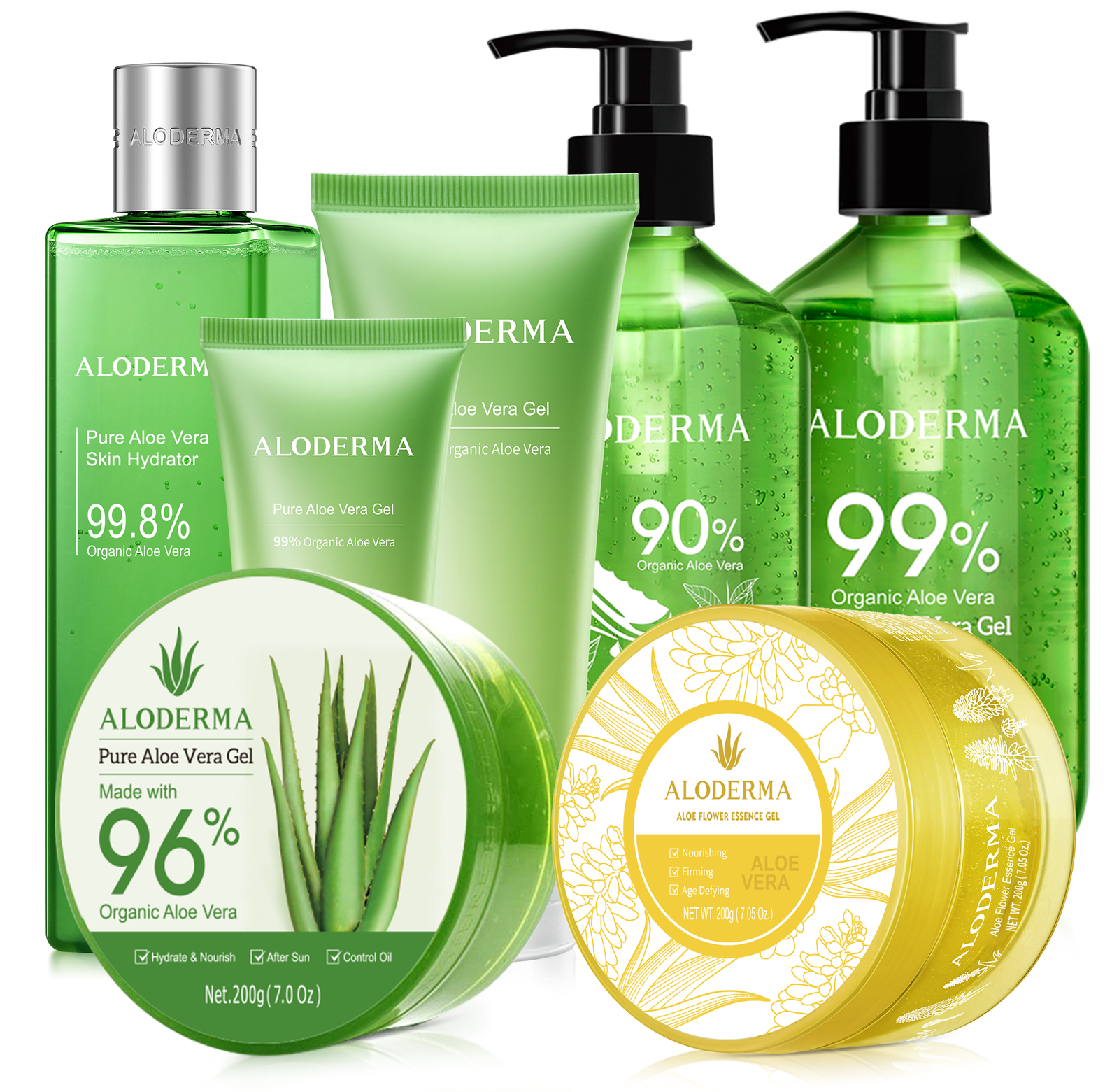
ALODERMA offers fresh aloe-based toners, gels, serums, moisturizers, and body-care products designed for lightweight hydration after cleansing. Visit ALODERMA to build a simple damp-skin routine around aloe grown and processed through its vertically integrated farm-to-finished-goods model.