





You run your fingers through your hair in the morning and already know how the day will go. The ends feel rough, the surface looks dull, and humidity has other plans. You want softness and shine, but you don't want a heavy oil that makes everything limp by noon.
That's where Awapuhi oil stands out. It comes from a botanical with a long beauty history, and it fits the way real people use hair care now. A few drops can smooth dry lengths, help hair look glossier, and make styling feel easier without turning your routine into a project.
What Is Awapuhi Oil and Why Your Hair Needs It
Awapuhi oil is inspired by awapuhi, also called shampoo ginger or wild ginger. In modern hair care, the ingredient often appears in lightweight treatment oils designed to soften the look of frizz, boost shine, and improve how hair feels between washes.
What makes people love it is the balance. Some oils feel rich but leave hair flat. Some serums add gloss but don't feel nourishing. Awapuhi treatment oil sits in the middle. It's often used when your hair needs polish and flexibility at the same time.
Why it works so well in daily routines
Think about three common situations:
- Post blow-dry fuzziness. You styled your hair, but the outer layer still looks puffy. A light pass through the mid-lengths and ends can help it look smoother.
- Dry ends after coloring or heat styling. Your roots may feel fine, but the bottom half of your hair looks tired. For such issues, treatment oils usually earn their place.
- Hair that looks older by day two. Not dirty, just less fresh. A small amount can revive movement and softness.
Practical rule: If your hair feels rough but heavy products make it collapse, Awapuhi oil is the kind of middle-ground product worth trying.
Some readers also connect hair appearance with broader hair concerns. If you're dealing with visible thinning rather than just dryness or frizz, it can help to look at professional options for thinning hair alongside your styling routine.
The Ancient Polynesian Secret to Beautiful Hair
You can picture the scene without much effort. Warm air, salt on the skin, and a hair ritual built from what grew nearby. Long before modern treatment oils came in glass bottles, awapuhi was already part of that routine.
Awapuhi, formally known as Zingiber zerumbet, is also called shampoo ginger or wild ginger. The plant is tied to Polynesian traditions and later became closely associated with Hawaii, where people used its naturally slippery liquid to cleanse and condition the hair. That history gives awapuhi a different kind of credibility. It has been used because it was useful, pleasant to apply, and easy to gather from the plant itself.

How the plant was traditionally used
The part people often remember most is the flower cone. When it is squeezed, it releases a clear, fragrant, soapy nectar. That liquid behaves a bit like a gentle plant cleanser, which helps explain why awapuhi earned a place in traditional hair washing.
This also clears up an easy misunderstanding. Despite the name "ginger," awapuhi is not mainly valued in hair care for heat or spice. Its beauty use came from that fresh, cleansing liquid and the soft feel it left behind on the hair.
The tradition feels especially relevant now because many readers want more than a styling product. They want a routine that respects the scalp, supports the hair fiber, and fits into a wider plant-based approach to self-care. Awapuhi does that beautifully, especially when it is paired with soothing ingredients such as fresh aloe vera for the scalp and skin.
Why that history still matters now
Modern awapuhi treatment oils are more refined than the original hands-on practice, but the idea is familiar. Start with a botanical known for cleansing and conditioning. Then turn it into a lightweight formula that helps hair feel smoother and look shinier without coating it too heavily.
Awapuhi's appeal comes from continuity. The plant moved from traditional cleansing rituals to modern hair oils while keeping the same identity: fresh, sensory, and rooted in care.
That older tradition also pairs naturally with a farm-to-skin mindset. Awapuhi brings the ritual and finish. Fresh aloe supports comfort, hydration, and scalp care. Brands that process aloe within hours of harvest, including ALODERMA's 12-hour fresh processing approach, fit neatly into that philosophy because they keep the botanical story close to the source.
For anyone drawn to ingredients with heritage, awapuhi offers more than a pretty name. It connects daily hair care to a longer line of botanical knowledge, and it works especially well in routines that treat healthy hair, scalp balance, and skin care as part of the same conversation.
Transform Your Hair with Awapuhi Oil Benefits
The reason Awapuhi treatment oil keeps showing up in modern hair routines is simple. It does more than make hair look glossy for a few hours. It supports softness, manageability, and a smoother finish in a way that feels wearable.
Awapuhi wild ginger contains high levels of antioxidant compounds and is uniquely rich in 19 amino acids that are essential for hair to look and feel healthy, according to this write-up on Hawaiian awapuhi. Those properties are part of why awapuhi is associated with hydration support and a healthier-looking surface.

What those benefits look like in real life
Here's how the ingredient tends to show up in the mirror:
- Smoother texture. Hair feels less rough when you run your hand down the strand.
- Better moisture balance. Dry lengths don't look as thirsty or brittle.
- Less visible frizz. Flyaways are still hair, but they're less likely to dominate your style.
- A soft, dry-touch finish. Good formulations don't have to feel greasy to feel nourishing.
That “dry-touch” point is important. Many people avoid oils because they expect stickiness. Awapuhi-based treatment products are often designed to absorb in a way that leaves hair silkier, not coated.
Why the shine looks natural
Shine isn't only about adding gloss on top. Hair usually looks shinier when the outer surface lies flatter and reflects light more evenly. When a treatment oil helps soften dry areas and smooth the cuticle area, the hair tends to look brighter and more polished.
A quick comparison helps:
| Hair concern | What Awapuhi treatment oil can help with |
|---|---|
| Dull lengths | Adds a softer, glossier finish |
| Puffy ends | Helps improve smoothness and control |
| Dry-feeling hair | Supports a more conditioned feel |
| Hard-to-manage texture | Makes styling easier and more flexible |
The best result from Awapuhi treatment oil usually isn't “oily hair that looks shiny.” It's hair that looks calmer, cleaner, and more expensive with very little effort.
Some formulas pair awapuhi extract with lightweight silicones and carrier oils such as fractionated coconut or grapeseed oil. That combination can help seal the hair surface and enhance shine while keeping the feel light. For readers who want one product that can soften, smooth, and finish a style, that's the sweet spot.
A Practical Guide to Using Awapuhi Treatment Oil
You smooth on a treatment oil, hoping for silkier hair, and an hour later your roots look flat while your ends still feel dry. That usually is not a problem with awapuhi itself. It is a placement problem.
The easiest way to use awapuhi treatment oil is to treat it like fabric care. The delicate areas need the most attention. On hair, that usually means the mid-lengths and ends, not the scalp. Once you know where to place it and why, the product becomes much easier to use well.

Use it as a finishing oil
This is the simplest method, and for many hair types, the most effective.
- Start with dry or nearly dry hair.
- Place a small amount in your palm.
- Warm it between your hands.
- Press it into the mid-lengths and ends first.
- Use the leftover product lightly over the surface where you want polish.
A finishing application works best when the style is already in place and you want to soften rough ends, tame flyaways, or add a more refined look. If your hair tends to frizz around the outer layer, use your palms instead of your fingertips so the oil goes on as a thin veil instead of concentrated streaks.
Quick check: If the root area starts to separate, look slick, or lose volume, reduce the amount and keep the oil lower on the hair.
If your ends are the part that always seems to give out first, regular prevention helps as much as treatment. This guide on how to prevent split ends fits naturally alongside an awapuhi finishing routine.
Use it before washing
Pre-shampoo use can make a real difference for hair that feels stripped after cleansing. Instead of asking your conditioner to do all the repair work afterward, you give the driest areas a little cushion before water and shampoo swell the hair.
Try this method:
- Detangle dry hair gently first.
- Apply a light layer where the hair feels rough, porous, or brittle.
- Leave it on for a short period.
- Shampoo and condition as usual.
- Keep the application mostly on lengths and ends if your scalp gets oily quickly.
This approach often suits color-treated hair, long hair with older ends, and curls that lose softness after wash day. It also pairs nicely with a scalp-first routine. You can keep richer oil on the strands while using a fresh aloe vera step separately on the scalp or skin around the hairline, which is especially helpful for readers building a more holistic awapuhi and aloe ritual at home.
A visual walkthrough can make the process easier to follow:
Use it before swimming
Pool water and salt water can leave hair feeling rough, tangled, and thirsty. A light layer of treatment oil before swimming can help reduce how much stress the lengths take on, especially at the ends and around highlighted or processed sections.
A simple routine works well:
- Smooth a small amount through the lengths before you swim.
- Keep it below the crown if your scalp gets oily easily.
- Focus on the oldest, driest parts of the hair.
- Cleanse afterward so chlorine, salt, sunscreen, and product do not linger on the strands.
Fine hair usually needs a very light hand. Thick, coarse, or curly hair can often handle a bit more. The goal is not to coat the hair heavily. The goal is to give vulnerable lengths a little support so they come out of the water feeling less stressed.
Used this way, awapuhi treatment oil becomes less of a random extra and more of a practical tool in a routine that cares for both hair fiber and scalp comfort. That balance matters even more if you plan to pair strand-focused awapuhi care with fresh aloe vera formulas processed quickly after harvest, such as Aloderma's farm-to-skin approach, where scalp and skin hydration can support the rest of your ritual.
Pairing Awapuhi Oil with Fresh Aloe Vera
You smooth awapuhi oil through dry ends, and your hair looks softer within minutes. Then a few days later, the scalp still feels tight, flaky, or easily irritated. That mismatch is common. Hair fiber and scalp skin have different needs, so a routine often works better when each one gets its own kind of care.
Awapuhi treatment oil helps the lengths feel smoother, look shinier, and resist that rough, overworked feel. Fresh aloe vera supports the scalp side of the equation by giving lightweight hydration where heavier oils can feel like too much. The pairing makes sense for a simple reason. Healthy-looking lengths usually start with a comfortable scalp environment.
Why fresh aloe changes the routine
Aloe is often treated like a small supporting ingredient. In a farm-to-skin routine, it plays a bigger role. Aloderma grows its own organic aloe and processes it onsite within 12 hours of harvest, so the aloe in the formula stays close to its fresh state rather than feeling like an afterthought.
That approach fits awapuhi especially well. Awapuhi is mainly about the hair shaft. It helps the outside of the strand feel more polished, a bit like smoothing the fabric of a garment so it catches less and looks less worn. Aloe works closer to the skin, helping hydrate the scalp and hairline without the richer finish that many oils leave behind.
How the two support each other
Hair grows from the scalp, but we usually judge it by what happens on the lengths. That can create confusion. If the scalp feels dry or stressed, the whole routine can feel off even when the mid-lengths are glossy. Aloe helps fill that gap by adding a fresh, water-based hydration step, while awapuhi oil handles softness and slip on the older, more weathered parts of the hair.
A practical way to split the jobs is simple:
- After cleansing, apply an aloe-based formula to the scalp or along the hairline if that area tends to feel dry, warm, or uncomfortable.
- Once the scalp step has settled, use awapuhi treatment oil on the mid-lengths and ends where hair is more likely to fray, tangle, or look dull.
- On low-effort days, keep the routine focused on these two zones. Hydrate the scalp. Smooth the lengths.
Readers who want more ideas for building the scalp side of this ritual can explore this guide to aloe vera for healthy hair.
Fresh aloe and awapuhi oil do different jobs, and that is exactly why they work well together. One supports the skin that surrounds the follicle. The other improves the feel and appearance of the strand that has already grown out. Put together, they create a routine that feels less like layering random products and more like caring for the whole system, from farm-fresh aloe at the scalp to polished, touchable lengths.
Choosing an Awapuhi Oil and Safety Notes
Not every oil with awapuhi on the label will feel the same. Some are featherlight. Some are richer. Some are better as finishers, while others make more sense before shampooing.
What to look for in a formula
Choose based on your hair behavior, not just your hair goals.
- If your hair is fine, look for a lightweight texture that absorbs quickly and doesn't sit on top.
- If your hair is thick or dry, you may prefer a slightly richer feel that gives more slip.
- If you heat-style often, a formula that leaves hair soft and touchable usually works better than one that feels waxy or sticky.
Ingredient awareness helps too. Some products combine botanical extracts with smoothing agents to improve spreadability and shine. That can be useful if your main goal is manageability rather than a heavy oil treatment.
How to use it safely
Awapuhi-based treatments are generally considered suitable for regular use, and product observations note a minimal risk of allergic reactions, though it's still wise to do a patch test before full use, as discussed in the earlier Hawaiian awapuhi source.
A simple patch test looks like this:
- Apply a small amount to a discreet area of skin.
- Wait and observe how your skin feels.
- If everything seems comfortable, move on to using it in your routine.
You should also keep your scalp type in mind. If you're prone to oiliness, keep application away from the roots and concentrate lower on the hair. If broader oil routines interest you, this article on Jamaican hair growth oil offers a useful comparison point for how different oils fit different needs.
Awapuhi treatment oil works best when you treat it like a targeted tool, not a blanket coating. Put it where your hair needs help most, and it's far more likely to reward you with softness, movement, and shine.
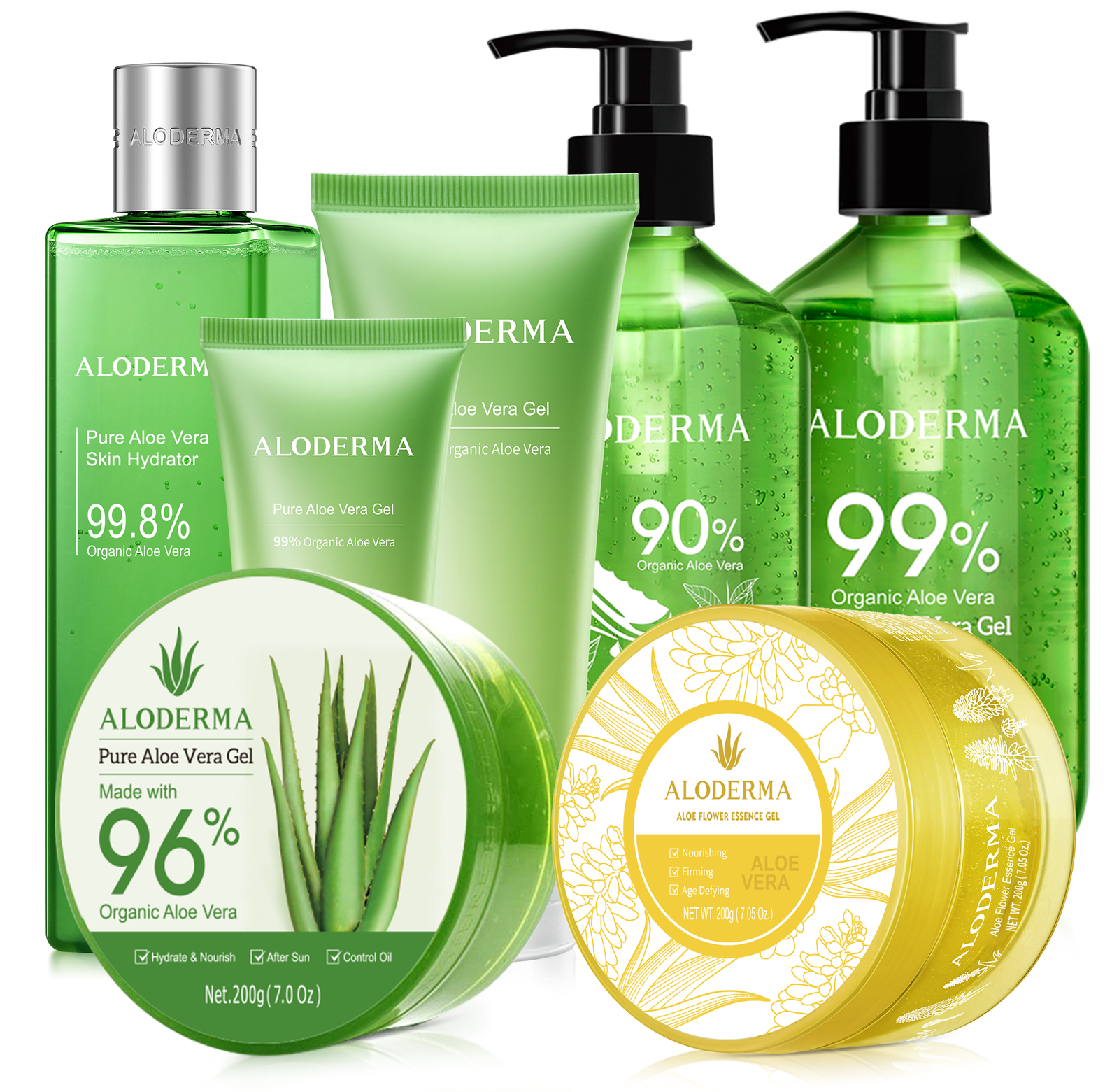
If you want a routine that supports both hair and skin, explore ALODERMA. As a fully vertically integrated aloe vera company, we grow all of our own organic aloe vera and process and manufacture onsite within 12 hours of harvest so the aloe in every product stays as bioactive and effective as possible. You can browse ingredient-focused options like the Aloe Vera Gel 99% and Aloe Hydrating Toner to build a fresh, lightweight routine around your Awapuhi hair care.