







You bought a moisturizer because the label said “gentle.” A few days later, your cheeks feel hot, your skin looks blotchy, and somehow you’re also shinier by noon. If that sounds familiar, you’re not doing skincare wrong. You’re dealing with skin that needs a narrower, calmer kind of support.
Finding the best face moisturizer for sensitive skin gets even harder when your skin is also oily or prone to blemishes. Many formulas that feel comforting at first are too heavy later. Others are light but leave your face tight and uncomfortable. The sweet spot is real, but it helps to understand what your skin is asking for before you shop.
Decoding Your Sensitive Skin
Sensitive skin often feels unpredictable. One cleanser seems fine for a week, then suddenly your face starts stinging. A cream your friend loves leaves you flushed. Makeup sits unevenly because your skin feels both dry and oily at the same time.
That reaction pattern usually points back to your skin barrier. The skin barrier functions much like a brick wall. The skin cells are the bricks, and the lipids between them are the mortar. When the mortar is weak, more outside irritants get in, and water escapes more easily.

Why skin reacts so easily
Sensitive skin is common, not unusual. Approximately 60 to 70% of women and 50 to 60% of men globally report sensitive skin, and the barrier may have fewer cell layers and larger pores, making it up to 40% more susceptible to irritants than typical skin, according to research on sensitive skin and barrier function.
That helps explain why skin can react to things that seem harmless to everyone else. Fragrance, weather shifts, over-cleansing, exfoliants, and even “normal” active ingredients can feel like too much when your barrier is already under strain.
Sensitive skin isn’t weak skin. It’s skin that signals quickly when a formula, environment, or routine doesn’t fit.
Another point that confuses a lot of people is this. Sensitive doesn’t always mean dry. You can have oilier skin and still have a compromised barrier. In fact, that combination often leads people to skip moisturizer, which can leave skin feeling even more unsettled.
What support looks like
The goal isn’t to force your skin into behaving. It’s to reduce daily friction. That usually means simpler formulas, fewer variables, and textures that hydrate without sitting heavily on the face.
A moisturizer should help your skin feel less reactive over time. It should soften that tight feeling after cleansing, reduce that “my face notices everything” sensation, and make the rest of your routine easier to tolerate.
If you want a deeper beginner-friendly explanation of what gentle care can look like day to day, this guide to best skincare for sensitive skin is a helpful companion read. People with eczema-prone or highly reactive skin may also find value in broader eczema and skin microbiome research, especially when trying to understand why barrier support matters so much.
The Gentle Ingredient Checklist
Once you stop chasing “stronger” products, ingredient labels get easier to read. For sensitive skin, a good moisturizer isn’t exciting because it does everything. It’s helpful because it does a few important things gently and consistently.

Aloe vera for comfort without heaviness
Fresh aloe vera is especially useful when skin feels warm, touchy, or easily overwhelmed. In farm-to-skin formulas, freshly processed aloe vera can retain high levels of bioactive components, and it has been clinically shown to improve skin barrier function by 25% after four weeks of use, according to this guide to aloe-based moisture support.
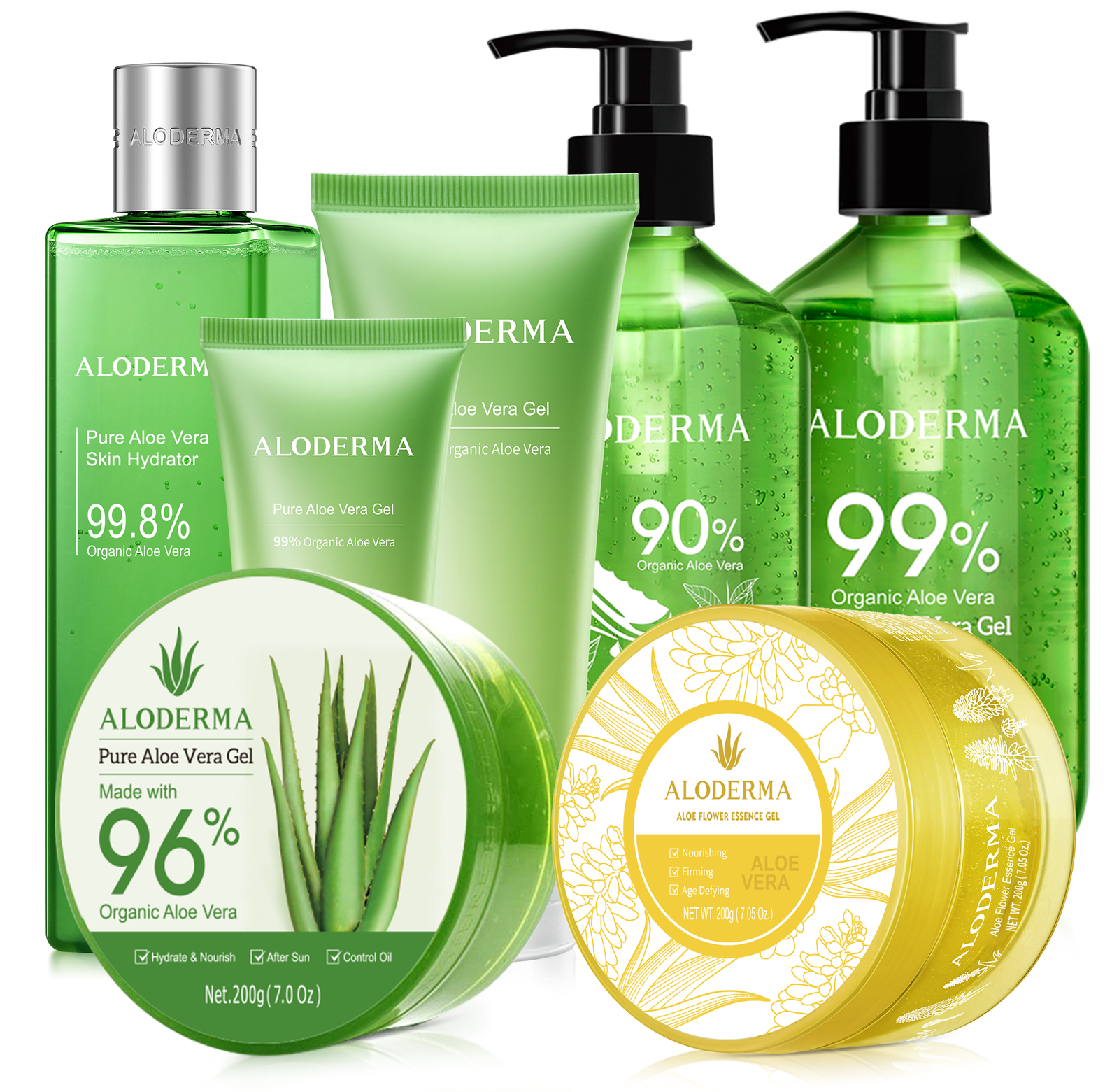
That freshness matters. ALODERMA is fully vertically integrated, grows its own organic aloe vera, and processes and manufactures onsite within 12 hours of harvest, which is why its formulas center on highly bioactive aloe vera rather than aloe as a small supporting ingredient. For readers wondering whether aloe can really do the work of a daily hydrator, this explainer on whether aloe vera is a moisturizer clears up the difference between a light gel feel and real moisture support.
Ceramides and hyaluronic acid
Some ingredients do best in pairs. Ceramides help reinforce the barrier, while hyaluronic acid helps bind water near the skin’s surface. Together, they help skin feel less tight after washing and less rough by the end of the day.
Here’s a simple way to think about them:
| Ingredient | What it does for sensitive skin | Who usually likes it |
|---|---|---|
| Aloe vera | Adds light hydration and comfort | Skin that feels reactive, oily, or warm |
| Ceramides | Helps support the barrier layer | Skin that feels fragile or easily upset |
| Hyaluronic acid | Pulls water into the upper skin layers | Skin that feels tight after cleansing |
Practical rule: If your face feels calm right after moisturizing and still comfortable a few hours later, the formula is probably supporting your barrier instead of just coating it.
What a better label looks like
When you’re comparing products, look for formulas that feel focused rather than crowded.
- A short, sensible ingredient list often makes troubleshooting easier if your skin reacts.
- Barrier-friendly ingredients like ceramides, hyaluronic acid, and aloe vera usually make more sense than a long list of trendy actives.
- Light textures such as lotions or gel-creams are often a better match for sensitive skin that also gets shiny.
The best face moisturizer for sensitive skin often looks simple on paper. That’s usually a good sign.
Ingredients to Approach with Caution
Some ingredients aren’t “bad.” They’re just not always a good match for skin that’s already on edge. If your face often feels tight, prickly, or shiny and irritated at once, reducing common triggers can make a bigger difference than adding another serum.
pH disruption and over-exfoliation
Sensitive skin tends to do better when its surface stays balanced. A skin pH around 4.5 to 5.5 is considered most comfortable, and additives like AHAs and BHAs can raise stinging or discomfort in 60% of sensitive users, based on dermatologist guidance on moisturizer selection and pH balance.
That doesn’t mean exfoliating acids never belong in a routine. It means they’re often the wrong place to start when your skin is sending distress signals. If your moisturizer also contains exfoliating acids, the product may be doing more than your barrier wants right now.
Fragrance, drying alcohols, and crowded formulas
Fragrance is a common stumbling block because it can turn one product into a blend of many scent compounds. Skin that’s already reactive may read that as one more thing to process. Drying alcohols can create a similar problem by making a formula feel weightless while leaving skin stripped later.
A practical filter when shopping:
- Fragrance-heavy formulas may smell nice but can be too busy for reactive skin.
- Fast-drying textures with harsh alcohols can feel elegant for five minutes and uncomfortable after that.
- Products packed with acids, scrubs, and strong actives often ask too much of a weakened barrier.
If you want a broader list of labels and ingredient families worth watching, this article on ingredients to avoid in skincare is a useful reference.
If your moisturizer makes your face feel “clean” in a squeaky, tight way, that isn’t comfort. That’s a warning sign.
A Routine for Oily and Blemish-Prone Sensitive Skin
A lot of people with sensitive skin don’t see themselves in typical moisturizer advice. Thick creams can feel suffocating. Rich balms can leave a film. So they try skipping moisturizer altogether, then their skin gets tight, shiny, and harder to manage.
That combination is common. Around 40 to 50% of people with sensitive skin also deal with oiliness or breakouts, and 68% of these users report that occlusive gentle moisturizers can worsen blemishes, according to this roundup discussing lightweight options for sensitive skin.
A morning routine that feels light
You wash your face and it already feels less greasy than when you went to bed, but also a little tight around the cheeks. That’s where a simple morning routine helps.
-
Use a gentle cleanser
You want your skin to feel clean, not squeaky. If your face feels stretched after washing, the cleanser is probably too harsh. -
Apply a lightweight hydrating layer
A watery or gel texture can help take down that just-washed tightness without making your T-zone look heavier. -
Choose a light moisturizer, not a heavy cream
For this skin type, lotions and gel-creams usually make more sense than dense, sealing textures. One example is ALODERMA Aloe Soothing & Moisturizing Cream, which fits the “hydrate without a greasy after-feel” category many oily, sensitive readers are looking for. -
Finish with sunscreen if you’re heading out
The less irritated your skin feels overall, the easier sunscreen tends to be to wear consistently.
An evening routine that doesn’t clog or smother
Night is where many people overcorrect. They use a strong cleanser, a spot treatment, then pile on a thick cream because their skin feels dry. By morning, they’re shiny and congested.
A calmer version looks like this:
- First cleanse gently if you wore sunscreen or makeup.
- Skip extra exfoliation on reactive nights when your face already feels warm or prickly.
- Use a light moisturizer over damp skin so hydration goes in without needing a heavy finish.
- Keep blemish care targeted instead of turning your whole face into a treatment zone.
What to aim for
The right routine for oily, blemish-prone sensitive skin usually leaves your face feeling balanced, not matte and not slick.
A good moisturizer for this skin type should do these things:
| What you want | What it feels like |
|---|---|
| Hydration | Skin feels comfortable after cleansing |
| Low residue | No waxy or greasy coating |
| Blemish awareness | Doesn’t make congested areas feel heavier |
| Barrier support | Less reactivity over time |
That’s why the best face moisturizer for sensitive skin isn’t always the richest one on the shelf. For many people, the better choice is the one they barely feel after application.
How to Introduce a New Moisturizer Safely
Even a gentle formula deserves a cautious start. Patch testing doesn’t need to feel clinical or stressful. It’s just a small pause before you put a new product all over a face that’s been through enough.

A simple way to patch test
Try this process:
-
Pick a small area
The inner arm, jawline, or behind the ear works well. -
Apply a small amount
Use the product the way you’d normally use it. Don’t mix it with other new products. -
Wait and observe
Check for unusual warmth, visible flushing, itching, or discomfort. -
Repeat once daily for a few days
Some reactions don’t show up immediately. -
Move to a small facial area first
Before full-face use, try one section like the side of the cheek.
What people often get wrong
Many readers patch test once, see no issue after a short time, then apply a full routine at once. If your skin reacts, you won’t know what caused it.
A better approach is slower:
- One new product at a time keeps things clear.
- Don’t test during a flare-up if your skin already feels highly reactive.
- Avoid pairing a new moisturizer with strong actives on the same day.
Small tests save big frustration. If a product works, you’ve lost a few days. If it doesn’t, you’ve spared your whole face.
When to stop
If the product causes noticeable discomfort, wash it off gently and stop using it. You don’t need to “push through” with sensitive skin. Comfort is useful information.
Your Path to Calm and Comfortable Skin
The search for the best face moisturizer for sensitive skin usually gets easier when you stop asking, “What’s the strongest product?” and start asking, “What will my skin tolerate well, day after day?”
That shift matters even more if your skin is oily or prone to blemishes. You don’t need a thick cream just because your skin is sensitive. You need a formula that hydrates, respects your barrier, and doesn’t leave your face feeling trapped under a heavy layer.
Fresh aloe vera fits that philosophy well. ALODERMA’s identity is built around that farm-to-skin approach, with organic aloe vera grown on its own farms and processed onsite within hours of harvest so the core ingredient stays as active and useful as possible. That’s a practical advantage for people who want gentle support without unnecessary complexity.
Keep your routine simple. Choose soothing ingredients. Be careful with exfoliants and fragrance-heavy formulas. Patch test first. If your skin tends to struggle in colder months, some of the same gentle principles show up in KeaBabies' winter skin care advice, which is a helpful reminder that fragile skin usually responds best to consistency and restraint.
Your skin doesn’t need to be pushed into submission. It needs care that feels quiet, steady, and comfortable.
If you’re ready to build a gentler routine, explore ALODERMA for fresh aloe vera skincare made with a farm-to-skin approach, simple textures, and everyday options for sensitive, oily, and blemish-prone skin.