



You're probably here because your bathroom shelf is starting to look like a chemistry lab. One bottle says clarifying. Another says balancing. A third promises a smoother, cleaner look by next week. Meanwhile, your skin feels confused, and maybe a little tired of being “treated.”
That's why finding the best face serum for acne usually has less to do with chasing the strongest formula and more to do with choosing a balanced one. The skin often responds better when targeted actives are paired with lightweight hydration and a gentle base that doesn't feel heavy or pore-blocking.
A good serum should do one clear job well. It should also fit into a routine you'll want to follow on a busy Monday morning, after a workout, or before bed when you have about two minutes of energy left.
Finding Your Perfect Serum in a Crowded Aisle
You stand in front of the skincare shelf and start reading labels. One bottle highlights salicylic acid. Another leans on niacinamide. A third uses botanical language that sounds beautiful but doesn't tell you what the formula is supposed to do. After a few minutes, everything starts to blur together.

A lot of people make the same mistake in that moment. They assume the best face serum for acne must be the harshest option on the shelf. But stronger isn't always smarter. If a serum leaves your face feeling tight, dry, or uncomfortable, you may not want to use it consistently.
Why the aisle feels so confusing
Part of the confusion comes from product categories. A serum is usually built to deliver concentrated ingredients for a specific goal, while a moisturizer is there to help hold hydration in and support comfort. If that line still feels fuzzy, this guide on the difference between serum and moisturizer gives a helpful plain-English explanation.
Another reason shopping feels hard is that many labels mix science terms with vague promises. “Purifying.” “Refining.” “Perfecting.” Those words sound nice, but they don't tell you whether a formula uses ingredients known for clearing pore buildup, balancing excess oil, or supporting the skin's surface.
Practical rule: When a serum label feels confusing, look for the actual active ingredients first and the marketing language second.
What to look for instead
A simpler way to shop is to think in pairs:
- A targeted active: Something with a specific job, such as helping clear buildup or improve texture.
- A supportive base: Something lightweight and comfortable that helps the formula feel balanced on your skin.
- A texture you'll use daily: If it feels sticky, greasy, or harsh, the bottle may sit untouched.
That last point matters more than people think. The right serum isn't just one that looks impressive on paper. It's the one that fits real life, whether you're getting ready in a rush, heading into a humid day, or winding down after cleansing at night.
Key Ingredients That Help Clarify Your Skin
Reading a serum label gets easier once you know what the main ingredients are supposed to do. Think of them like specialists on a small team. One clears congestion. One helps calm visible redness and support the skin barrier. Another improves texture over time.
Medical News Today notes that the most effective serums for blemish-prone skin include salicylic acid, niacinamide, and retinol as key compounds for improving clarity and texture in its guide to face serums for acne.

Salicylic acid goes where surface cleansers can't
Salicylic acid is a beta-hydroxy acid, often shortened to BHA. It's especially useful because it can move through oil and into pores, where buildup tends to collect. That makes it a strong option for people who notice blackheads, whiteheads, or rough little bumps that don't seem to go away.
A simple way to picture it is this. A regular cleanser washes the outside of the doorway. Salicylic acid helps clean just inside the doorway where debris tends to get stuck.
If you want a more treatment-focused look at incorporating salicylic acid in professional treatments, that resource gives extra context on how this ingredient is used beyond basic at-home routines.
Niacinamide is the steady multitasker
Niacinamide is a form of vitamin B3. It helps regulate oil production, reduces visible redness, and supports the skin barrier. That combination is why so many people do well with it. It tends to feel less dramatic than exfoliating acids, but it often makes a routine feel more stable.
For example, if your skin looks shiny by midday but also feels touchy after trying harsh products, niacinamide often makes more sense than doubling down on stronger exfoliation. It's the kind of ingredient that helps bring things back into balance.
A serum doesn't need a long ingredient list to be useful. It needs the right ingredients doing the right jobs.
Retinol helps improve texture over time
Retinol encourages surface cell turnover. In plain language, it helps older surface cells move along so fresher-looking skin can appear. People often choose retinol when their main goal is smoother texture and a more refined overall look.
It's worth going slowly with retinol because concentrated serums can cause dryness and irritation at first. That's especially true if you pile on too many actives at once.
Other ingredients you may see
Some serums also include:
- Vitamin C: Often used when skin looks dull or uneven.
- Azelaic acid: Known for helping unclog pores and improving the look of post-breakout marks.
- Benzoyl peroxide: A familiar ingredient in targeted blemish care.
- Hydrators like hyaluronic acid: Useful for keeping a clarifying routine from feeling stripped.
If you want to compare ingredients through the lens of oilier skin behavior, ALODERMA's guide to best ingredients for oily skin is a practical next read.
The Soothing Power of Farm-Fresh Aloe Vera
The ingredient list usually gets all the attention, but the base of a serum matters just as much. A clarifying active can do useful work, yet the overall formula still needs to feel comfortable on your skin. That's where aloe vera earns its place.
Fresh aloe acts like a cushion inside a more active formula. Instead of making skin feel coated, it delivers lightweight hydration that sits comfortably. According to Dot & Key's ingredient overview, salicylic acid works by exfoliating dead skin cells and penetrating follicles, and lower concentrations of 0.5-2% provide benefits while minimizing dryness. That effect can be better balanced with hydrating ingredients such as the polysaccharides found in fresh aloe vera, as explained in this article on how to choose the right face serum for your skin type.
Why freshness changes the conversation
Not all aloe in skincare is handled the same way. Some brands use aloe in forms that are far removed from the plant itself. A fresher approach gives aloe a more central role in the formula rather than treating it like a decorative extra.
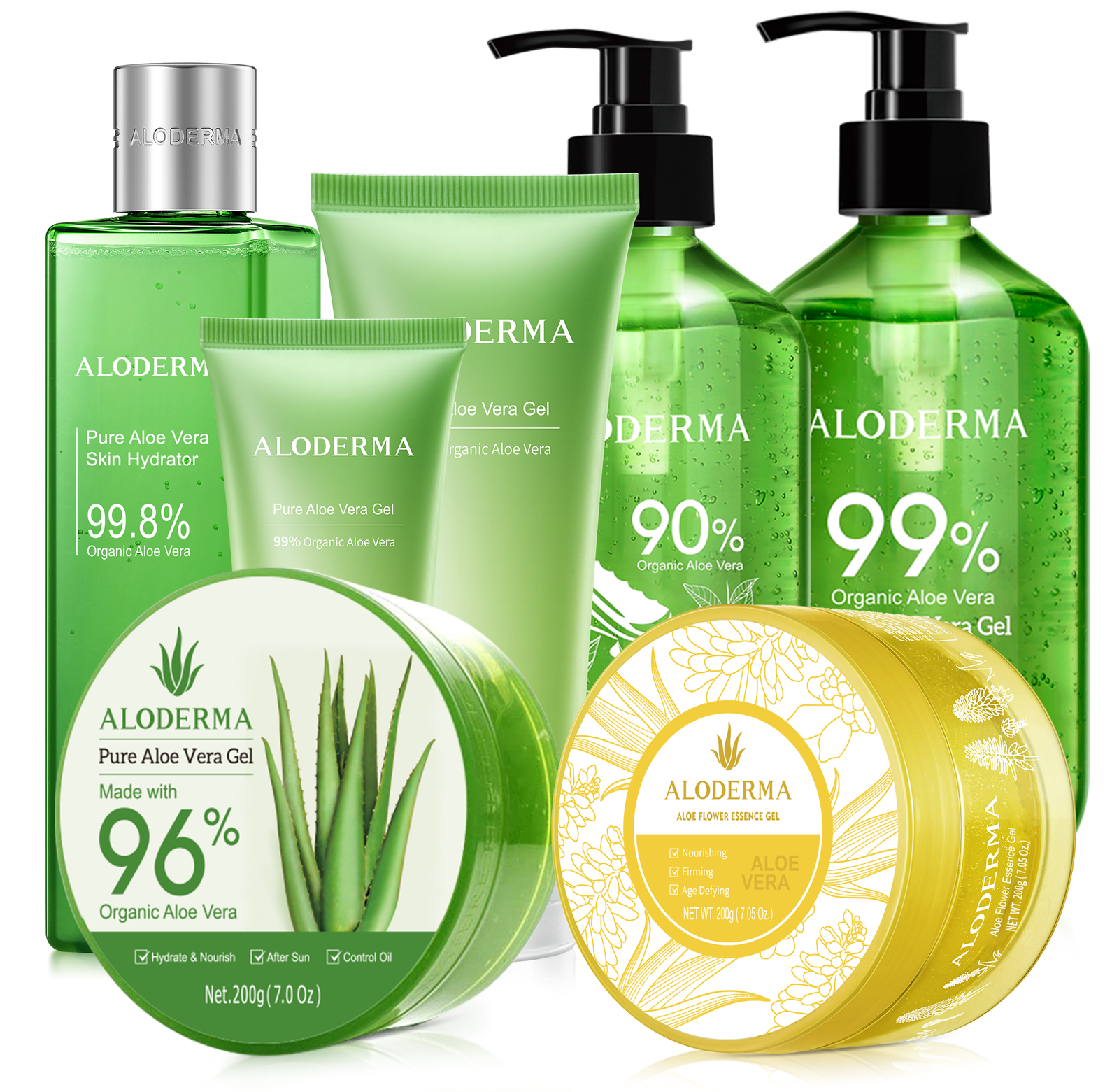
ALODERMA is a fully vertically integrated aloe vera company. It grows its own organic aloe vera, then processes the aloe and manufactures onsite within 12 hours of harvest so the primary ingredient in every product remains as bioactive as possible. That farm-to-skin model matters because freshness is part of the formula, not just part of the story.
Aloe works well with active ingredients
A good clarifying serum is a bit like a strong cup of coffee served with breakfast instead of on an empty stomach. The active ingredient brings the energy. The supportive base makes the experience easier to handle.
That's one reason aloe pairs so well with ingredients people often reach for in a clearer-looking skin routine. Fresh aloe's polysaccharides provide lightweight hydration without creating a heavy, sealed-off feel. If you'd like a broader look at practical uses, this guide on how to use aloe vera for skin is useful.
Here's a quick look at the farm-to-skin idea in motion:
Fresh aloe makes a serum feel less like a punishment and more like care.
Why this matters for everyday routines
Many shoppers encounter a common pitfall. They pick a serum based only on the active ingredient, then wonder why it doesn't feel good enough to use morning after morning. But skin routines are lived experiences. If your face feels dry by noon or uncomfortable under moisturizer, you'll likely stop using the product.
A balanced serum has to do two jobs at once. It should help clarify the look of the skin, and it should feel pleasant enough that you don't dread applying it. That's the quiet advantage of pairing targeted actives with farm-fresh aloe vera.
How to Choose the Right ALODERMA Serum for You
A crowded serum shelf can make every bottle sound useful. The easier way to choose is to start with your skin's main complaint today. Is it extra shine by midday, uneven tone after past breakouts, or rough texture that makes skin feel less smooth than it looks?
That question matters because a serum does not need to do everything at once. It needs to do the first job well, in a formula your skin will tolerate. For acne-prone skin, that usually means looking for targeted actives paired with a light, calming base. That pairing is where ALODERMA stands out. Instead of focusing only on the headline ingredient, the formulas also use fresh aloe as the support system around it.
One label term can help you sort options faster. Non-comedogenic means a product is designed to avoid clogging pores. In its guide to serums for acne-prone skin, Proskire explains what works and what does not, including why lighter, well-absorbing formulas are often a better fit for breakout-prone skin.
Read the label in this order
A serum label gives you clues, if you know where to look first.
- Start with the first few ingredients: These make up most of the formula. If aloe leaf juice appears high on the list, that tells you the base is built more around hydration and comfort than heavy slip.
- Check the active focus: Look for the ingredient doing the main corrective work, such as niacinamide for visible oil balance and tone, or vitamin C for brightness.
- Notice the texture clues: Words like gel, fluid, or lightweight usually point to a finish that sits more comfortably on acne-prone skin than rich, cushiony textures.
Here is a simple way to match the bottle to the goal.
| Primary Goal | Recommended Serum | Key Benefit |
|---|---|---|
| Balance excess shine and support clearer-looking skin | Organic Aloe Acne Serum | Aloe-based formula with a clarifying focus and a light finish |
| Improve brightness and overall tone | Brightening Serum | Aloe vera paired with niacinamide and vitamin C for a more even, radiant look |
| Support smoother, more refined texture | Firming Serum | Helps skin feel smoother and look fresher over time |
Match the serum to your real routine
A good choice should make sense at 7 a.m. and still feel right at 2 p.m. If your skin gets oily fast and you dislike anything that feels filmy under sunscreen, the Organic Aloe Acne Serum makes the most sense. If your skin is calm but looks dull or uneven, the Brightening Serum may fit better. If texture is the bigger issue, reach for the Firming Serum.
Keep the decision practical. Choose the serum that matches the concern you notice most often in the mirror, not the one with the longest promise on the box.
Label check: A formula built around fresh aloe can feel more like a light broth carrying the active ingredients, instead of a thick coating sitting on top of the skin. That is often the difference between a serum you admire and one you keep using.
Your Step-by-Step Serum Application Guide
A well-chosen serum can still disappoint if the routine around it is messy. Order matters. So does consistency.
Small Batch Serums describes a standard sequence for maximum benefit: cleanse, tone if you use one, apply serum, then hydrate with a non-comedogenic moisturizer. That order helps concentrated serum actives penetrate before being sealed in, as outlined in its article on which serums are best for blemish-prone skin.

The simplest order to follow
-
Cleanse first
Start with a gentle cleanser so your serum isn't trying to work through leftover sunscreen, sweat, or makeup. Clean skin gives the formula a better chance to sit where you want it. -
Use toner if you already like one
Toner is optional. If it's part of your routine and your skin enjoys it, apply it after cleansing. -
Apply a small amount of serum
Use a few drops, then gently pat or press it into the skin. Don't scrub it in like you're washing your face. Serums are leave-on products. -
Follow with moisturizer
A lightweight, non-comedogenic moisturizer helps hold in the benefits of the serum and keeps the routine feeling comfortable. -
Finish with sunscreen in the morning
This matters even more if your routine includes retinol or vitamin C, since those ingredients can increase photosensitivity.
Common mistakes that make a good serum feel bad
A lot of frustration comes from using too much product or adding too many new actives at once.
- Using half a dropper: More product doesn't always mean better results. It often just means a sticky face.
- Layering too aggressively: If you're trying salicylic acid, retinol, vitamin C, and exfoliating pads all in the same week, it's hard to tell what your skin likes.
- Skipping moisturizer: Some people worry moisturizer will undo the serum. It won't. It supports the routine.
Start slowly with stronger actives. A calm, repeatable routine usually beats an intense one you abandon after four days.
Building a Skincare Routine That Feels Good
The best face serum for acne isn't just the one with the most talked-about active. It's the one that helps your skin look clearer while still feeling comfortable enough to use consistently. That's why the pairing matters so much. Targeted ingredients do the focused work, and a fresh aloe base helps keep the experience balanced.
A routine should fit your actual life. It should work after a long commute, before an early meeting, or on a tired evening when you want something simple that still feels thoughtful. If you like comparing approaches from clinics and treatment-focused providers, you can also browse skincare solutions in DC for another perspective on building a practical routine.
For readers who want a simple framework for morning and evening steps, ALODERMA's article on how to build a skincare routine is a useful next step.
Good skincare doesn't have to feel like a fight. It can feel light, steady, and realistic. That's often when people stick with it long enough to see the difference.
If you want a routine built around fresh, organic aloe vera, explore ALODERMA. Their farm-to-skin approach starts with aloe grown on their own organic farms and processed onsite within 12 hours of harvest, giving you a gentle foundation for everyday skincare that feels easy to keep using.