



By morning, your forehead looks glossy. By lunch, your makeup has shifted. By evening, your skin feels both oily and oddly tight. A lot of people with oily skin live in that loop. They reach for the strongest clay mask they can find, enjoy a few hours of matte skin, then wonder why the shine comes back even faster.
I see this pattern all the time in treatment rooms. Oily skin usually isn't asking for harsher care. It's asking for smarter balance. A good mask can absolutely help absorb extra oil, clear the look of congested pores, and make skin feel fresher. But the best masks for oily skin don't just dry everything out. They also help your skin stay comfortable so it doesn't swing from greasy to stressed.
That balance matters even more if your skin is also reactive, blemish-prone, or dehydrated. In those cases, pairing purifying ingredients with lightweight hydration can make the difference between a mask that helps and a mask that starts a frustrating cycle. Fresh aloe vera is especially useful here because it gives oily skin water-based comfort without the heavy feel many people want to avoid.
Your Guide to Calm and Balanced Skin
A client once told me, “I want less shine, but every oil-control mask makes my skin feel like paper.” That sentence sums up oily skin perfectly. Many people aren't dealing with just oil. They're dealing with oil plus tightness, oil plus visible pores, or oil plus frequent congestion.
That’s why “stronger” isn’t always better. If you’ve been using masks that leave your face stiff, flaky around the nose, or shiny again by the next day, your skin may be reacting to being over-corrected. The goal isn’t to erase every trace of oil. A small amount of oil is normal and useful. What you want is skin that feels clean, even, and settled.
What a good oily skin mask should do
A mask for oily skin should help with a few jobs at once:
- Lift excess surface oil so your skin feels less slick.
- Support clearer-looking pores in areas like the nose, chin, and forehead.
- Leave skin comfortable after rinsing instead of tight or hot.
- Work with the rest of your routine instead of forcing you to repair the damage afterward.
Oily skin often behaves better when you stop trying to punish it.
That’s where ingredient pairing matters. Clays and charcoal can do the deep-cleaning work. Fresh aloe vera helps soften the experience so the finish feels balanced rather than stripped. If you've been stuck in the cycle of shine, scrub, mask, repeat, a different approach usually brings better results.
Why Your Oily Skin Needs Balance Not Battles
You rinse off a mask expecting a clean, fresh feel, but your skin feels tight, warm, and oddly shiny again by the next day. That pattern is common with oily skin, and it usually means your skin was pushed too hard instead of brought back into balance.
Oily skin still needs water. That point trips people up because oil and hydration are not the same thing. Sebum is your skin’s natural oil. Hydration is the water content that helps skin stay comfortable, flexible, and calm. A mask can remove surface oil well and still leave skin dehydrated.
Why stripping backfires
Your skin has a protective outer layer that works like a light shield. It helps keep moisture in and irritation out. If a mask pulls away too much oil and water at once, that shield becomes less comfortable and less steady. Skin often answers with more visible shine later, especially across the forehead, nose, and chin.
That reaction is often called rebound oiliness. In simple terms, your skin goes into compensation mode. You look matte for a few hours, then slick again soon after, which makes it seem like oily skin needs even stronger products. For many people, that starts a frustrating cycle.
Masks can trigger that cycle when they are used too often, left on too long, or made with strong absorbent ingredients and no hydrating support. Clay itself is not the problem. The problem is using purifying ingredients without something that helps skin hold onto comfort afterward.
Signs your mask is too aggressive
If you are unsure whether your mask is helping, your skin usually gives clear clues:
- Tightness right after rinsing suggests the formula removed more than excess oil.
- Shine coming back fast can signal that your skin is overcompensating.
- Stinging or lingering redness points to irritation, not a healthy deep clean.
- Flaky areas with an oily T-zone often mean dehydration is sitting right beside excess sebum.
Practical rule: “Squeaky clean” usually means your skin barrier is not happy.
What balance looks like
Balanced oily skin feels fresh, not parched. You still have some natural oil, but it is not pooling on the surface by midday. Pores can look less crowded, skin texture often appears smoother, and makeup tends to sit more evenly because the surface is not swinging between stripped and greasy.
Fresh aloe vera helps create that middle ground. Clay and charcoal do the cleanup. Aloe brings back water-based hydration, which oily skin often accepts more comfortably than heavy creams. It works like giving a sponge a small amount of water before it turns brittle. The goal is not to leave skin coated. The goal is to keep it flexible and calm while purifying ingredients do their job.
If you want a clearer sense of which ingredients help oily skin stay clean without feeling over-dried, this guide to the best ingredients for oily skin breaks down what to look for.
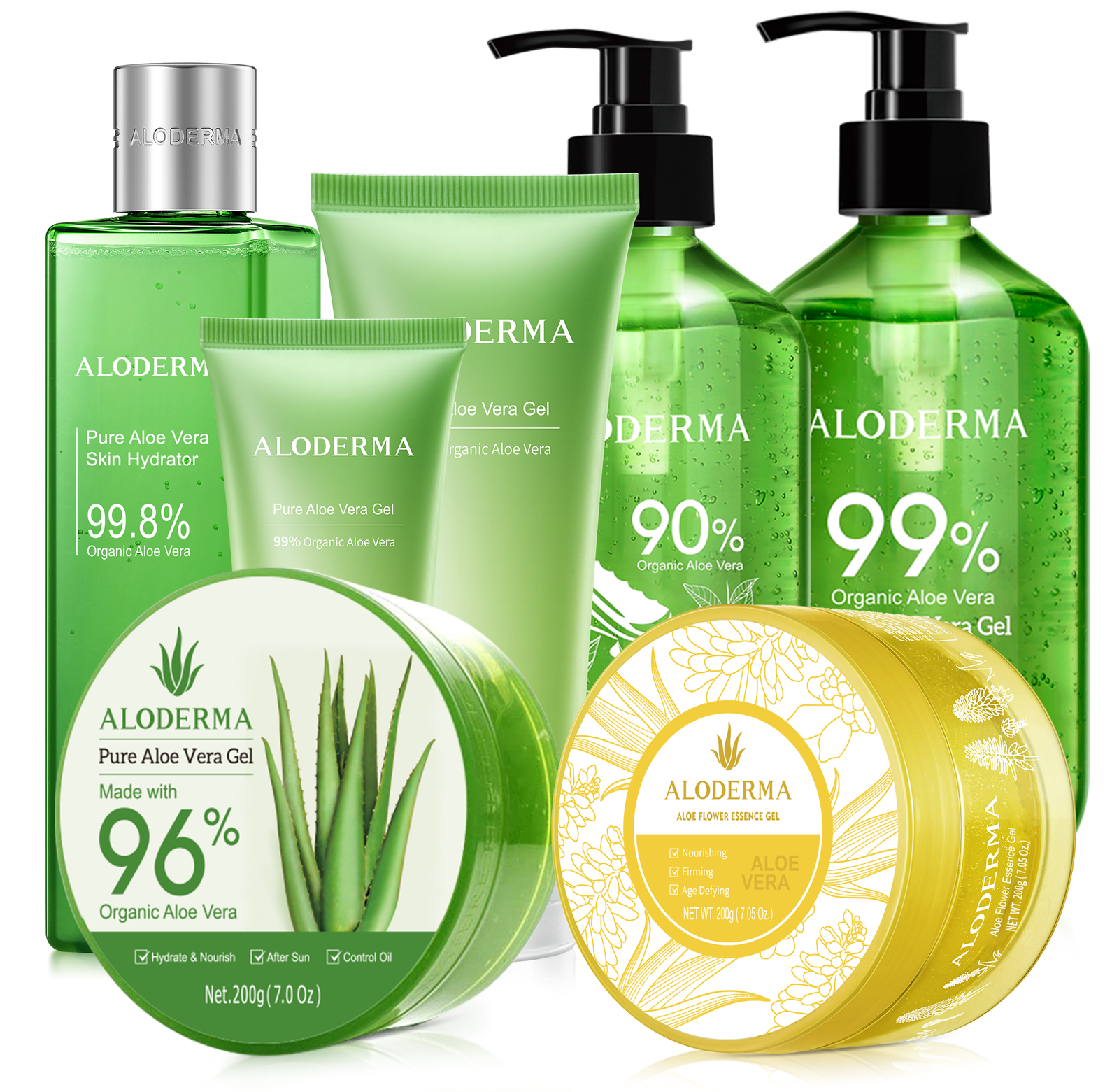
There is also a quality difference in aloe itself. Aloderma is a fully vertically integrated aloe vera company. It grows its own organic aloe vera, then processes and manufactures onsite within 12 hours of harvest so the ingredient stays as bioactive as possible. For oily skin, that matters because fresher aloe can help a purifying mask leave behind a softer, more hydrated finish instead of that hard, over-dried feeling.
The Best Ingredients in Masks for Oily Skin
A good mask for oily skin does two jobs at once. It clears away the excess sitting on the surface, and it helps the skin stay comfortable afterward. If a formula only does the first job, you often get that tight, dry feeling that can push skin right back into overproducing oil.

The purifiers
The purifiers are a key group of ingredients. They help lift away the oil, sweat, sunscreen residue, and debris that can make pores look larger or more crowded.
Clay is usually the first ingredient to know. It works like a sponge for surface oil, which is why clay masks can leave skin looking more matte right after rinsing. Kaolin is a gentle place to start because it absorbs well without feeling overly aggressive. Into The Gloss notes that kaolin is widely favored in masks for oily skin because it helps reduce visible shine while feeling milder than heavier clays.
Bentonite is often stronger. It can be useful for very oily or congested skin, but it also has a higher chance of leaving skin feeling over-cleansed if the formula does not include enough hydrating support.
Activated charcoal is another purifier worth knowing. It is popular in masks for breakout-prone or city-stressed skin because it helps bind the buildup that can leave skin looking dull and clogged. If you want a broader look at ingredients that support shine control beyond masks, this guide to best ingredients for oily skin gives a helpful ingredient-by-ingredient breakdown.
The balancers
Balancing ingredients matter just as much as purifying ones. They decide whether a mask leaves your skin feeling refreshed or leaves it feeling stripped.
Fresh aloe vera is one of the most useful examples. Oily skin still needs water, even if it does not need a heavy coating. Aloe supplies that light hydration in a form oily skin usually tolerates well, so the skin feels calm and flexible after clay or charcoal has done the cleanup. A mask with aloe is often easier to use consistently because it is less likely to leave that stiff, over-dried finish.
That balance is the whole point. Purifiers handle the excess. Aloe helps replace water-based comfort so your skin does not react like it has been scrubbed bare.
Here’s a simple way to compare the main players:
| Ingredient type | What it does for oily skin | Who usually likes it |
|---|---|---|
| Kaolin clay | Absorbs excess surface oil and helps reduce shine | Oily, sensitive-oily, combination |
| Bentonite clay | Gives a stronger deep-clean feel for heavier buildup | Very oily, congested skin |
| Activated charcoal | Helps with the look and feel of clogged pores | Oily, blemish-prone |
| Fresh aloe vera | Adds light hydration and helps skin feel calm after purifying | Oily, dehydrated, reactive |
Why ingredient pairing matters
Many oily skin problems come from using the right ingredient in the wrong balance. A strong clay without enough hydration can leave skin feeling clean for an hour and greasy again by afternoon. That rebound shine confuses a lot of people, but the pattern is common. Skin that feels over-dried often tries to compensate.
Pairing clay or charcoal with fresh, high-quality aloe helps prevent that cycle. It is similar to washing a dish thoroughly, then keeping the surface from drying out and cracking. You get the clean result you wanted, but without stressing the material.
That is also why Aloderma’s farm-to-skin aloe is relevant here. The company grows its own organic aloe vera and processes it onsite within 12 hours of harvest. That short window supports the use of highly bioactive aloe in formulas designed to purify without pushing oily skin out of balance.
If you are also comparing mask formats beyond clay formulas, this guide on how to choose the best light therapy mask for your skin type can help you see how treatment goals change based on your skin’s behavior.
The strongest mask is not always the smartest one. For oily skin, the better formula is the one that clears buildup and still leaves your skin calm enough not to fight back.
Matching Your Mask to Your Oily Skin Type
You cleanse your face, apply a mask, rinse it off, and expect a fresh, balanced finish. By lunch, your T-zone is shiny again, but your cheeks feel tight. That usually means your skin is not merely oily. It is oily in a specific way, and your mask has to match that pattern.
Oil can show up with breakouts, sensitivity, congestion, or dehydration. Those are different situations, so they need different mask textures and ingredient pairings. Clay helps absorb excess oil and loosen buildup. Fresh, high-quality aloe helps keep water in the skin so purification does not turn into that tight, overworked feeling that often leads to rebound shine.
Oily and blemish-prone
If breakouts are part of your oiliness, look for a mask with clay or charcoal in a formula that still feels cushioning on the skin. The goal is to reduce surface oil and congestion without creating the dry, squeaky finish that can leave skin irritated and shiny again a few hours later.
This skin type often responds well to spot masking or T-zone masking. If your forehead, nose, and chin get congested but your cheeks stay fairly calm, you do not need to treat your whole face the same way.
Oily and sensitive
Sensitive oily skin can be confusing. You see shine, so it is tempting to reach for the strongest oil-control mask you can find. Then the skin stings, flushes, or feels hot after rinsing.
A gentler clay formula with plenty of aloe is usually a better fit. Aloe works like the cool layer you place over warm skin after too much sun. It helps calm the feeling of stress while the clay handles excess oil. For this skin profile, shorter masking time and fewer applications per week often give better results than aggressive detox routines.
If you also use devices in your routine, it helps to match those to your skin’s tolerance too. Solawave’s guide on how to choose the best light therapy mask for your skin type is useful for thinking through that decision.
Oily and clogged pores
This type usually feels uneven before it looks very oily. You may notice tiny bumps near the nose, a rougher chin, or pores that seem more visible under bathroom lighting. In that case, clay and charcoal can be helpful because they cling to oil and debris at the skin’s surface.
What matters is restraint. A pore-focused mask should leave the skin feeling clearer, not stiff. If your pores are concentrated in one area, use the mask there first instead of coating the entire face.
Oily and dehydrated
This is one of the most common oily skin patterns I see, and also one of the easiest to misread. Your skin produces oil, but it is short on water. That is why it can look shiny and still feel tight after cleansing, or why makeup slides on the forehead but catches around the nose and mouth.
For this skin type, aloe becomes especially useful. Fresh aloe brings light hydration without the heavy feel that some richer masks leave behind. Pairing that kind of hydration with a modest amount of clay helps clean the skin while keeping its balance more steady.
A few simple rules help:
- Use clay less often if your skin feels tight after washing.
- Choose aloe-rich formulas when you want a mask that refreshes instead of pulling at the skin.
- Try hydrating masks on recovery days if you have been over-cleansing or over-exfoliating.
- Mask by zone if your forehead is oily but the outer face feels dry or reactive.
Aloderma’s Aloe Clarifying & Rejuvenating Mask fits this kind of mixed need well because it pairs purifying ingredients with aloe instead of treating oil like something that has to be stripped away all at once.
If your face feels oily and thirsty at the same time, trust what you are noticing. That combination is common, and the right mask should help both sides of the problem.
The Art of Applying and Removing Your Face Mask
Even a good mask can disappoint if you use it the wrong way. Most mask mistakes happen in the steps before and after application, not in the mask itself.

Start with clean, slightly damp skin
Wash away sunscreen, makeup, and the day’s surface buildup first. If skin still has residue on it, the mask can’t sit evenly. I like skin to be clean and slightly damp, especially for clay formulas, because they spread more smoothly and are less likely to grab onto dry patches.
A thin, even layer is enough. You do not need to frost your face like a cake. Keep the product away from the immediate eye area and any spots that feel extra delicate.
Don’t let clay dry to a hard shell
This is one of the biggest mistakes I see. People think a clay mask has to dry until it cracks to “work.” It doesn’t. Once the mask gets too dry, it can start pulling more strongly on the skin surface and feel uncomfortable.
A better rule is to remove it when it has mostly set but still has a little softness in some areas. That leaves skin cleaner without that rigid, over-dried finish.
- Use lukewarm water so removal feels gentle.
- Loosen first with wet hands before using a soft cloth.
- Avoid scrubbing just to get every last bit off.
- Pat dry instead of rubbing hard with a towel.
Finish with hydration
This is the step that changes the whole experience. After rinsing, give your skin hydration right away. A simple layer of pure aloe gel can help your face feel settled instead of stripped, especially if you’re using a clay or charcoal mask.
A visual demo can help if you’re unsure about timing and texture:
If you’ve been skipping post-mask hydration because you’re afraid of making oily skin greasier, think lightweight. Gel textures, aloe-based products, and fluid moisturizers usually work better here than rich balms.
A simple masking rhythm
Try this routine on your next mask night:
- Cleanse gently and leave skin slightly damp.
- Apply a thin layer where you need oil control most.
- Remove before the mask fully hardens.
- Follow immediately with lightweight hydration.
- Watch your skin the next day, not just the next hour.
That last step matters. The best masks for oily skin should leave you looking balanced later too, not just matte for a photo right after rinsing.
Building Your Ideal Oily Skin Skincare Routine
A good mask can help oily skin. A good routine decides whether that help lasts until tomorrow morning.
Many people with oily skin get stuck in a cycle that feels productive at first. They wash until the skin feels squeaky, use a strong mask to chase away shine, then skip hydration because they are afraid of looking greasy again. By the next day, the skin often looks shiny anyway. That is the balance problem in real life. Skin that feels stripped often responds by producing more oil, while skin that feels lightly hydrated usually behaves more calmly.
A basic morning and evening flow
A steady routine gives your mask a clear job. Instead of asking it to fix congestion, dehydration, and irritation all at once, you let each step do one thing well.
| Time | Step | What to look for |
|---|---|---|
| Morning | Cleanser | Gentle, non-heavy, non-stripping |
| Morning | Toner or mist | Light hydration |
| Morning | Serum | Weightless texture |
| Morning | Moisturizer and SPF | Comfortable finish, not greasy |
| Evening | Cleanser | Thorough but mild |
| Evening | Mask on selected days | Clay, charcoal, or aloe-based depending on need |
| Evening | Hydrator | Gel or lightweight cream |
That middle ground matters.
Purifying ingredients such as clay or charcoal help absorb excess oil and loosen buildup. Fresh aloe changes how those masks feel on the skin and how the skin behaves afterward. Aloe brings water, soothing compounds, and a lighter kind of hydration, so your routine can control shine without pushing your skin into defense mode. If clay is the cleanup crew, aloe is the part that keeps the room comfortable after the cleaning is done.
Where the mask fits
Use your mask as a treatment step inside a calm routine, usually in the evening after cleansing and before your hydrating layer. On mask nights, the goal is not maximum dryness. The goal is a cleaner, more settled surface that still feels like skin.
A simple rhythm often works best. Cleanse gently, apply your mask to oily or congested areas, rinse while the skin still feels comfortable, then follow with a lightweight hydrator or pure aloe gel. That last step helps reduce the tight, thirsty feeling that can show up after purifying masks.
If your skin stays congested even with a consistent home routine, it can help to get a trained set of eyes on it. professional facials can show the difference between excess surface oil, clogged pores, and dehydration that is hiding underneath the shine.
Why consistency beats intensity
Oily skin usually responds better to regular, moderate care than to aggressive product hopping. One harsh cleanser, one over-drying mask, and one skipped moisturizer can pull your skin out of balance for days.
That is why ingredient continuity helps. If your cleanser, hydrator, and mask all support the same goal, oil control with comfort, the routine becomes easier to stick with and easier for your skin to tolerate. A routine centered on fresh aloe is often a smart fit because aloe adds hydration without the heavy finish that many oily skin types dislike. If you want a fuller example, this guide to a skincare routine for oily skin lays out a simple structure.
Aloderma’s brand model also connects to this balance-first approach in a practical way. The company grows its own organic aloe vera and processes it onsite within 12 hours of harvest. For anyone building a routine around fresh, bioactive aloe, that shorter path from plant to product supports consistency from cleanser to hydrator to mask.
A mask helps manage oil for a day. A balanced routine helps your skin stay calmer over time.
Your Oily Skin Masking Questions Answered
How often should I really use a mask for oily skin
Less often than many people think. If your skin is very oily but comfortable, a regular clay or charcoal mask can be helpful as part of a weekly rhythm. If your skin is oily and reactive, spacing it out more usually works better.
The right frequency is the one that leaves your skin feeling stable the next day. Not just matte for an hour.
Can I use a mask if I have oily areas and dry patches
Yes. In fact, that’s where multi-masking or partial application makes the most sense. Put a purifying mask on the forehead, nose, and chin if those are your oily zones. Use a more hydrating formula on the outer cheeks if they feel tight.
You do not need to treat your entire face like your T-zone.
Why does my skin feel tight after a clay mask
Usually because the formula was too drying, you left it on too long, or you didn’t follow with hydration. Tightness is your skin asking for a gentler finish. It’s not a sign the mask “worked better.”
If your current mask leaves you feeling stretched, look for one with more balancing ingredients and remove it before it turns stiff and crackly.
Are charcoal masks good for oily skin
They can be, especially if your skin tends to feel clogged. Sephora’s face mask category notes that activated charcoal masks saw 150% market growth since 2015, with 80% of users in clinical trials reporting a reduction in breakouts, thanks to charcoal’s ability to adsorb 100 to 200 times its weight in impurities. That makes charcoal a strong option for oily, breakout-prone skin that needs a deeper clean feel.
Should oily skin use hydrating masks too
Often, yes. This surprises people, but hydration and oil control are not opposites. If your skin gets shiny and tight, or oily and rough, a hydrating mask can help bring things back into balance. Aloe-rich formulas are especially appealing because they feel lighter than heavy cream masks.
What type of mask is usually the safest starting point
If you’re unsure, start with one of these:
- Kaolin-based masks if you want gentle oil absorption.
- Charcoal masks if pores feel especially congested.
- Aloe-rich gel or sheet masks if your skin is oily but easily bothered.
- Targeted T-zone masking if your whole face doesn’t need the same treatment.
What’s the biggest mistake people make with oily skin masks
They chase a completely matte finish and ignore how their skin feels later. Oily skin does better when you aim for comfort and control together. That’s the idea to keep coming back to.
You don’t need to battle your skin into submission. You need to help it settle.
If you want a routine built around lightweight balance, ALODERMA is a useful place to explore. The brand centers its formulas on fresh, organic aloe vera grown on its own farms and processed onsite within 12 hours of harvest, which fits well for oily skin that needs purification without that stripped, overworked feel.