



You buy a moisturizer because your skin feels tight, rough, or shiny in all the wrong ways. Then a few days later, you notice more clogged pores, a bumpy forehead, or that greasy film you were trying to avoid in the first place. It's frustrating, and it can make you feel like moisturizer just isn't for you.
But usually, the problem isn't moisturizing itself. It's choosing a formula that gives your skin water and comfort without adding the kind of richness your pores don't handle well. That's where the search for the best non comedogenic face moisturizer starts to make sense.
The Search for a Moisturizer That Actually Helps
You wash your face, your skin feels calmer for an hour, and then the guesswork starts. If you skip moisturizer, your skin can feel tight and irritated. If you use a rich cream, you may notice more shine, small bumps, or that coated feeling by midday.
That pattern confuses a lot of people because dryness and breakouts can show up at the same time. Skin that lacks water is a bit like a sponge left on the counter. It feels stiff, but soaking it in something heavy is not always the answer. Blemish-prone skin usually does better with hydration that feels light, steady, and easy to live with every day.
The search gets harder because front labels often focus on marketing language, not pore behavior. “Deep hydration,” “barrier support,” and “dewy glow” can all sound helpful, but they do not explain whether a formula is likely to sit lightly on skin that clogs easily.
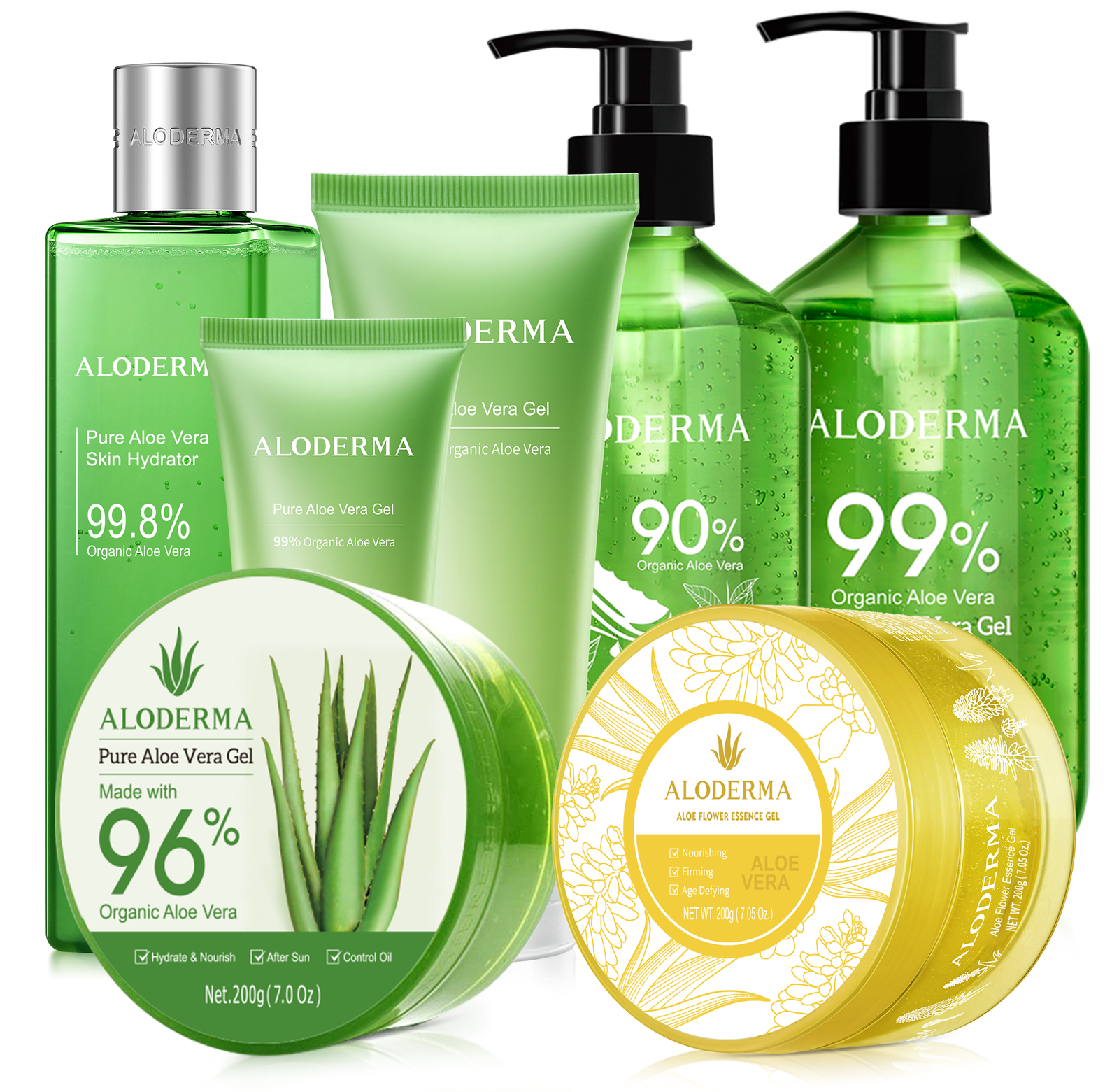
Ingredient source matters here too. A moisturizer is not only defined by what is added, but by the quality of the base that carries those ingredients. With ALODERMA, the aloe is grown and processed through a farm-to-skin, vertically integrated system, which helps preserve a fresher, more bioactive aloe base. For sensitive or blemish-prone skin, that can make a formula feel gentler and less complicated than one built around heavier fillers or less carefully handled botanicals.
If you've ever needed practical skin-calming tips after hair removal too, this expert guide to aftercare is also useful because it focuses on keeping skin comfortable instead of overloaded.
A helpful place to compare textures and everyday options is this guide to natural face creams for everyday hydration.
The goal isn't to find the richest moisturizer. It's to find one your skin will tolerate day after day.
What Does Non-Comedogenic Actually Mean
A moisturizer can feel light the moment you apply it and still be a poor match for skin that clogs easily. That is why the term non-comedogenic matters. It gives you one useful clue about how a formula was designed.
A comedo is a clogged pore. It can show up as a blackhead, a whitehead, or a small flesh-colored bump. So when a product is labeled non-comedogenic, it means the formula was made to reduce the chance of creating those blockages.

What the label does tell you
The label suggests that the formulator paid attention to pore behavior. In many cases, that means avoiding very heavy textures, thick waxy finishes, or ingredient combinations that can feel occlusive on acne-prone skin.
Texture matters here because pores do not respond to marketing words. They respond to what sits on the skin day after day. A gel cream often behaves more like a light raincoat than a weighted blanket. It covers the skin, helps hold water in, and usually feels easier to wear if your face gets shiny or congested.
The base of the formula matters too. A moisturizer is more than its headline ingredients. It is also the liquid system carrying them. With ALODERMA, fresh organic aloe vera is grown and processed through a farm-to-skin, vertically integrated process, which helps preserve a cleaner, more bioactive aloe base. For sensitive, blemish-prone skin, that kind of simple, gentle foundation can make more sense than a formula built around heavier fillers.
What the label does not tell you
The label is a starting point, not a guarantee. Skin is personal. Two people can use the same non-comedogenic moisturizer and get different results because their triggers, sensitivity level, and oil production are different.
A front label also cannot tell you whether your skin dislikes fragrance, certain oils, rich butters, or a film-forming finish. That is why ingredient reading still matters. If you want help spotting common problem ingredients, this guide to skincare ingredients to avoid for easily clogged or reactive skin is useful.
One more point often gets missed. "Non-comedogenic" says something about the finished formula, but ingredient quality still shapes how that formula feels. A fresh aloe-based moisturizer can offer hydration in a lighter, calmer way than a product that relies on heavier base materials from the start.
A practical way to read the claim
Use the term the way you would use a road sign. It points you in a promising direction, but you still need to check the route.
| What to check | Why it helps |
|---|---|
| Texture | Gels, fluids, and light lotions often sit more comfortably on clog-prone skin than dense creams. |
| Ingredient list | A shorter, simpler list can make it easier to spot your known triggers. |
| Fragrance and heavy waxes | These can be problematic for skin that is both sensitive and prone to congestion. |
| The formula base | A fresh aloe-forward base, like ALODERMA uses, can support hydration without making the formula feel unnecessarily heavy. |
Practical rule: Treat “non-comedogenic” as a helpful filter. Then confirm the texture, ingredients, and base make sense for your skin.
Decoding the Ingredient List for Clearer Skin
A moisturizer label can look crowded, but you do not need to decode every scientific name to make a smart choice. The goal is simpler than that. You are trying to answer two practical questions: what is this formula built on, and what is it asking your skin to tolerate?
For skin that clogs easily, the base matters more than many people realize. A heavy formula can feel like a thick blanket on skin that already struggles to release oil and shed dead cells cleanly. A lighter base feels more like a breathable cotton layer. It still does the job, but with less chance of leaving your skin feeling coated.

Ingredients that usually play well with clog-prone skin
A good ingredient list often includes a few familiar categories. Ceramides support the skin barrier, which matters if your face feels oily on the surface but still gets tight or irritated. Colloidal oatmeal and soy are often included to calm skin that reacts easily. Aloe vera is especially useful in lightweight formulas because it brings water-based hydration and a fresher skin feel.
That last point is worth slowing down for. Aloe is not just an ingredient name on a label. Its source and handling affect how it performs in a formula. If aloe is used as a meaningful base rather than a tiny add-on, the moisturizer can feel lighter and more comfortable on blemish-prone skin.
This is one reason ALODERMA stands out in this conversation. It grows its own organic aloe vera and processes and manufactures onsite soon after harvest, which helps preserve a fresher, more bioactive aloe base. For someone with sensitive, congestion-prone skin, that farm-to-skin approach can mean a formula starts with a gentler foundation instead of relying on heavier base materials and then trying to offset them with marketing language. If you want to compare one aloe-forward option, the Aloe Hydrating Face Moisturizer is a useful example of a lightweight daily formula.
Ingredients worth a closer look
No single ingredient guarantees breakouts, and no ingredient becomes harmless just because the label says non-comedogenic. Context matters. Amount matters. Your own skin history matters.
Still, some clues can help. If the first several ingredients suggest a rich, buttery, waxy, or heavily occlusive texture, that formula may feel too dense for skin that gets clogged easily. Fragrance is another common reason a product feels fine at first but becomes irritating after repeated use, especially if your skin is both reactive and acne-prone.
The ingredient list can also reveal how complicated a moisturizer is. A shorter, more focused formula is often easier to troubleshoot. If your skin flares, you have fewer possible culprits to sort through. If you want help spotting common triggers, this guide to skincare ingredients to avoid for easily clogged or reactive skin is a helpful reference.
People with reactive skin often already know this pattern from other routines. The same caution that helps with skincare often helps with grooming choices too, which is why many readers also look for safe methods for sensitive skin hair removal.
How to read the list without overcomplicating it
Use this quick label check:
- Look at the first few ingredients. Water and aloe usually suggest a lighter starting point than a formula built around richer materials.
- Scan for barrier support. Ceramides can help a light moisturizer feel more balanced and less stripping.
- Notice calming ingredients. Colloidal oatmeal, soy, and aloe can be useful if your skin gets red, stingy, or easily upset.
- Watch for unnecessary extras. Fragrance and a long list of rich add-ons can make the formula harder to predict.
The ingredient list gives you the texture story before you buy. For clog-prone skin, that story often starts best with a simple formula and a clean, fresh base.
How to Choose the Right Moisturizer for Your Skin Type
You buy a moisturizer labeled non-comedogenic, use it for three nights, and still wake up wondering why your skin feels greasy in one area and tight in another. That does not always mean the product is wrong. It often means the texture, weight, or base does not match how your skin behaves.

Skin type is less like a fixed label and more like choosing the right fabric for the weather. Oily skin usually does better with a lighter layer. Dehydrated skin needs water and some staying power. Sensitive, blemish-prone skin often responds best when the formula feels simple and calm from the first ingredient onward.
That starting base matters more than many labels suggest. A moisturizer built on fresh, properly handled aloe can feel very different from one loaded with richer fillers or lots of extras. ALODERMA's farm-to-skin process matters here because its organic aloe vera is grown, harvested, and processed within its own vertically integrated system, which helps preserve a purer, more bioactive base. For skin that clogs easily and gets irritated fast, that can make a lightweight formula feel gentler and easier to live with.
If your skin gets shiny quickly
Choose a gel, gel-cream, or very light lotion.
Your skin usually wants hydration without a heavy film. A fast-absorbing formula can work like a light cotton shirt in warm weather. It covers what you need without trapping too much heat. If you want side-by-side examples of textures that suit oily skin, this guide to the best lightweight moisturizer for oily skin can help.
Look for phrases such as water-gel, lightweight lotion, oil-free, and fragrance-free. Then check whether the formula still includes calming support, especially if breakouts and redness tend to show up together.
If your skin feels oily and dehydrated
This skin type confuses a lot of people because shine can hide dryness. After cleansing, your face may look slick but feel stretched, almost like the surface has oil while the deeper layers want water.
A very thin gel may disappear too fast. A thick cream may sit on top and feel stuffy. The middle ground is often a light lotion or gel-cream with ingredients that help hold hydration a little longer, such as ceramides and aloe. A fresh aloe base is useful here because it adds water-based comfort without pushing the formula into a heavy, greasy feel.
If your skin is combination
Combination skin needs balance across different zones of the face. Your forehead, nose, and chin may produce more oil, while your cheeks ask for a little more cushion.
Use your face like a map:
| Skin situation | Texture that often works |
|---|---|
| Oily all over | Gel or gel-cream |
| Oily T-zone, normal cheeks | Light lotion |
| Sensitive and clog-prone | Fragrance-free lotion or gel-cream |
| Seasonally dry but congestion-prone | Lightweight cream used sparingly |
You can also adjust by season. Summer often calls for lighter layers. Winter indoor heat can make the same skin want a bit more support.
If your skin is easily bothered
Keep the formula simple and the base gentle. Fragrance-free options are often easier to judge because you remove one common source of irritation from the equation.
Ingredient source matters here too. Sensitive skin can react not only to what is in a formula, but also to how crowded and complicated that formula is. A moisturizer centered on fresh aloe, with fewer distracting add-ons, can give reactive skin a calmer starting point. Similar caution often helps with other personal care choices too, which is why some readers also look for safe methods for sensitive skin hair removal.
A quick reality check before you buy
Ask yourself:
- Does my skin hate the feeling of product sitting on top?
- Do I get shiny fast, especially through the T-zone?
- Do I need hydration, but not the weight of a rich cream?
- Does my skin get red or stingy when formulas feel too busy?
If several of those sound familiar, your best non comedogenic face moisturizer will usually be a lighter formula with a clean ingredient story and a gentle base.
Pay attention to feel. If a moisturizer absorbs cleanly, leaves your skin comfortable, and does not make congestion worse, that is useful evidence that you chose the right texture for your skin type.
Your Guide to Selecting and Patch Testing a New Moisturizer
Buying a new moisturizer shouldn't feel like a gamble. A little structure helps you avoid the classic mistake of applying a new product all over your face and then trying to figure out what went wrong.

Start with the label, but don't stop there. “Non-comedogenic” and “oil-free” are helpful clues. Then look at the texture description. Words like gel, water cream, lotion, or lightweight usually tell you more than words like rich or ultra-nourishing.
A simple patch-test routine
Use this checklist when a product comes home with you:
- Read the claims carefully. You're looking for lightweight language, not just pretty packaging.
- Scan the ingredient list. Look for fragrance and other ingredients you already know your skin dislikes.
- Test a small area first. Behind the ear, along the jawline, or on the side of the neck are common spots.
- Wait and watch. Give your skin several days to show you how it responds before using it everywhere.
- Start slow on the face. Try once daily before moving to full, regular use.
Here's a helpful visual walk-through before you test anything new:
What you're actually looking for
Patch testing isn't only about dramatic reactions. It's also about subtler signs that a product may not be the right fit.
Watch for:
- New tiny bumps in the test area
- A greasy or coated feel that lingers
- Skin that looks fine at first but feels congested after repeated use
Try to change only one product at a time. If you introduce three new things at once, your skin can't tell you which one it dislikes.
Small-size products or samples are worth it when available. They reduce waste and lower the pressure to “make it work” just because you bought a full-size jar.
Skincare Myths and Integrating Your New Moisturizer
One of the biggest myths is that oily skin doesn't need moisturizer. Usually, oily skin needs the right kind of moisturizer. When skin feels stripped, people often overcorrect with harsh cleansing or skip hydration altogether, and that can leave the face feeling even more off-balance.
Another myth is that the label solves everything. It doesn't. As noted earlier, non-comedogenic isn't foolproof for every person. Your ingredient triggers, your preferred texture, and your day-to-day skin state still matter.
How to fit it into your routine
Keep the order simple:
- Cleanser first
- Serums next, if you use them
- Moisturizer after that
- Sunscreen last in the morning
If your moisturizer pills, use less. If it feels too shiny by lunch, switch to a lighter texture. If your cheeks feel good but your T-zone doesn't, use a smaller amount in oilier areas.
The best non comedogenic face moisturizer is rarely the one with the loudest label. It's the one that feels comfortable, hydrates enough, and lets your skin settle instead of fight back. That's also why ingredient sourcing matters. A brand built around a clean, fresh aloe base can make lightweight hydration easier to find, especially when that aloe goes from farm to formula quickly and with fewer compromises.
If you want a gentle, aloe-based option to compare as you shop, ALODERMA is worth exploring. Its farm-to-skin approach starts with organic aloe vera grown on its own plantations, then processed and manufactured onsite within 12 hours of harvest, which supports a fresh, bioactive base across the line. That kind of ingredient control can be especially appealing if you prefer lightweight hydration and simpler-feeling formulas for skin that gets shiny, sensitive, or easily clogged.