



By the time you start searching for the best sheet masks for dry skin, your face usually already feels fed up. Your cheeks may feel tight after cleansing. Makeup may cling to flaky patches around your nose or chin. By afternoon, your skin can look dull even if you layered on a rich cream in the morning.
A lot of people know this cycle well. You try a heavier moisturizer, then a richer one, then maybe a face oil. Sometimes your skin feels coated, but not comfortable. That’s the frustrating part. Dry skin doesn’t just need more product. It needs the right kind of hydration, delivered in a way your skin can use.
That’s where sheet masks can help. Not as a trendy extra, but as a focused treatment step. A good sheet mask can press hydrating ingredients against the skin long enough to soften roughness, ease that papery feeling, and leave your face looking smoother and more rested.
The key is knowing what you’re looking at. Some masks are mostly a nice moment. Others are built around ingredients and materials that support moisture retention. If you’ve been browsing various face masks and wondering which ones are worth your time for dryness, the answer starts with understanding how skin loses water in the first place.
Your Search for Relief from Dry, Thirsty Skin Ends Here
Dry skin often shows up in small, annoying moments before it becomes a full problem. Your face feels fine right after skincare, then suddenly tight an hour later. Your foundation looks uneven by lunch. You smooth on more cream at night, but you still wake up with skin that feels flat and thirsty.
That’s why sheet masks are so appealing. They feel immediate.
You open one packet, place it on clean skin, and for the next stretch of time your face gets a concentrated layer of moisture instead of a thin swipe that disappears fast. For someone dealing with rough patches, seasonal dryness, indoor heat, or skin that always seems one step behind, that can feel like relief instead of guesswork.
But not every mask does the same job. Some rely on strong humectants that pull water into the skin. Some focus on comforting ingredients that help skin feel less reactive. Some use better mask materials that slow evaporation so the serum has more time to work.
Dry skin usually looks dull before it looks dramatic. When hydration improves, the first change many people notice is comfort. The glow comes after.
The good news is that you don’t need a complicated routine to choose well. Once you understand what dry skin is asking for, product labels become much easier to read. You stop buying based on packaging and start choosing based on what helps your skin feel soft, calm, and flexible again.
Understanding Why Your Skin Feels So Dry
Dry skin usually starts with a barrier problem. Your skin may be getting moisture, but it is not holding onto it well.
The outermost layer of skin is built to do two jobs at once. It keeps water in, and it helps block irritants out. Dermatologists often compare that structure to a brick wall because the image is useful. Skin cells act like the bricks, and lipids fill the gaps like mortar. When that wall is intact, skin feels comfortable, looks smoother, and stays flexible longer after you wash or moisturize. When it is worn down, water escapes faster and the surface starts to feel tight, rough, or flaky.

The healthy wall and the damaged wall
A healthy barrier feels calm and resilient. Skincare sits better on top of it. Makeup usually looks smoother too.
A weakened barrier behaves differently. Water leaves the skin more easily, so dryness shows up in ways that can seem inconsistent from day to day. You might notice:
- Tightness after washing that lingers instead of fading
- Flaky patches around the cheeks, mouth, or forehead
- A dull look even after applying moisturizer
- Rough texture where skin should feel soft and springy
That is why dry skin can feel frustrating. Adding water helps, but relief lasts longer when the skin barrier can keep that water in place.
The three ingredient jobs that matter most
Once you understand the barrier, ingredient lists start to make more sense. Products for dry skin usually do one or more of three jobs.
| Ingredient type | What it does | How it feels on skin |
|---|---|---|
| Humectants | Draw water into the outer layer of skin | Plumper, fresher, less tight |
| Emollients | Smooth and soften rough surface cells | More supple, less flaky |
| Occlusives | Slow water loss by forming a protective layer | More comfortable, less dry later |
Good sheet masks can help because they often combine these roles in one treatment. The serum adds hydration, and the mask fabric holds that serum against the skin long enough for it for it to do more than a quick splash of moisture.
Humectants bring water to the surface
Humectants are often the ingredients that create the fast “my skin feels better already” effect. They attract water to the outer layer of skin, which can make a dry face feel less papery and look a little fuller.
Hyaluronic acid is the ingredient many people recognize first. If you want a closer look at how one common form works, this guide to sodium hyaluronate in skincare explains why it shows up so often in hydrating formulas. Healthline also notes in its guide to face masks for dry skin that hyaluronic acid masks can noticeably improve hydration after one use.
The practical result is simple. Skin feels less stiff, fine dry lines can look softer, and the face starts to regain that rested, light-catching look people describe as glow.
Emollients make dry skin feel smoother
Humectants add water. Emollients improve how the surface feels.
They fill in the gaps between rough, lifted skin cells so the surface feels softer and looks more even. That matters if your skin is dry in a textural way. Sometimes the first sign of dryness is not obvious flaking. It is the feeling that your cheeks are a little scratchy, your forehead looks uneven, or foundation catches on tiny dry spots.
Sheet masks may include some emollients, but you will usually get more of this benefit from the moisturizer you apply after masking.
Occlusives help the hydration stay put
Occlusives are useful because hydrated skin can dry out again quickly if nothing slows evaporation. They form a light seal over the surface, which helps the skin keep more of the moisture it already has.
A sheet mask supports this in two ways. The serum hydrates the skin, and the sheet itself reduces how quickly that serum evaporates while the mask is on. After you remove it, your moisturizer takes over that sealing role.
If your face feels soft right after masking but tight again later the same evening, that is a clue. You probably added hydration, but you did not give it enough support to last.
Why dry skin keeps returning
Dry skin rarely has one single cause. Cold weather, indoor heating, hot showers, harsh cleansers, age, and naturally lower oil production can all weaken the barrier over time.
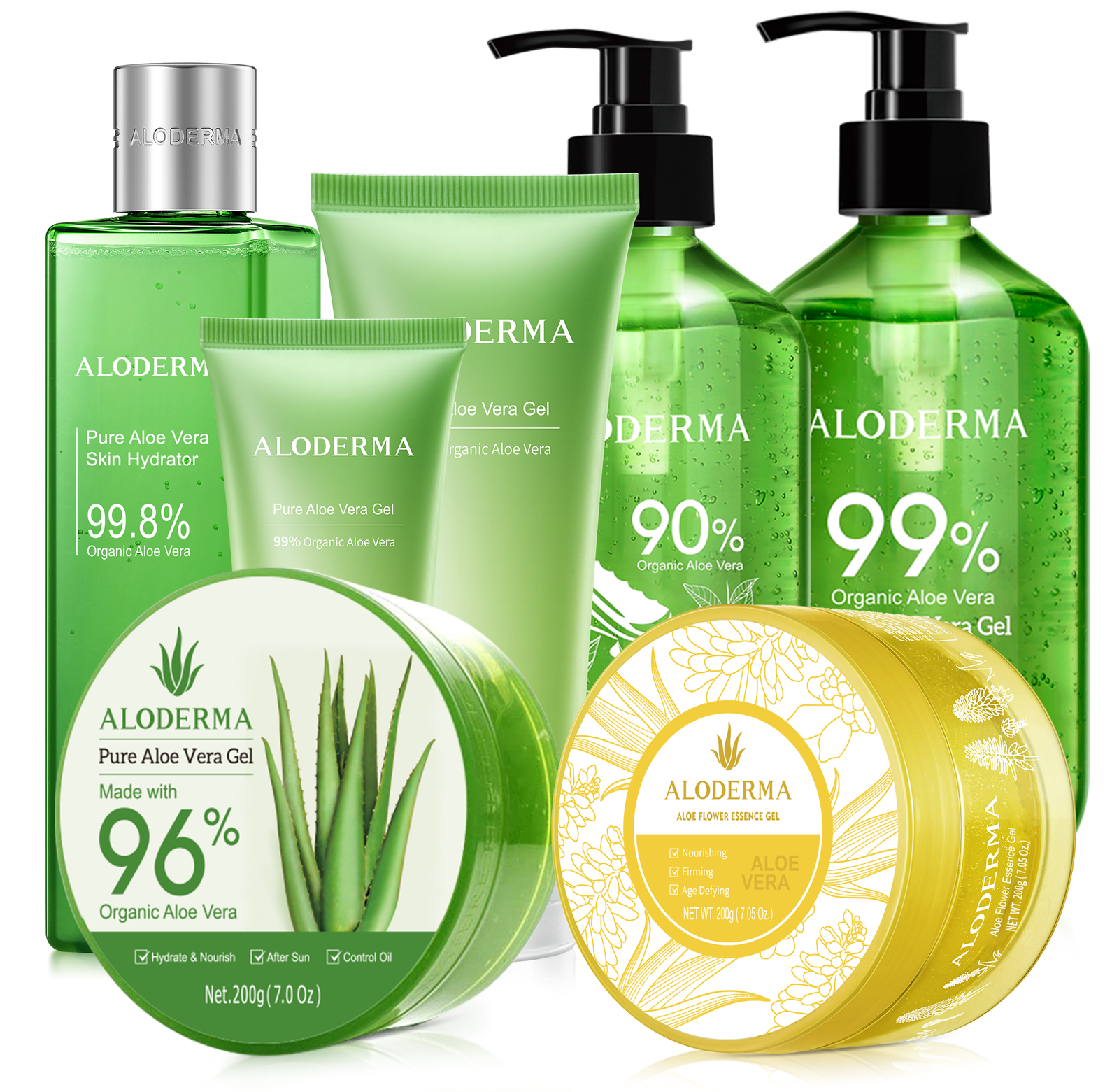
That is also why ingredient quality matters. Fresh, bioactive ingredients tend to do more for stressed skin than formulas that only feel wet at first touch. This becomes especially relevant with aloe. ALODERMA’s farm-to-skin within 12 hours process is designed to preserve more of aloe’s natural activity, which helps explain why fresh aloe can feel especially soothing and replenishing on dry, uncomfortable skin.
Relief comes from matching the product to what dry skin asks for. Water, softness, and staying power.
How to Decode a Sheet Mask Ingredient List
A sheet mask label can look like a wall of unfamiliar words. Once you know what each type of ingredient is doing, it becomes much easier to spot which masks may leave your skin feeling comfortably hydrated and which ones may only feel good for 15 minutes.
Start by reading the formula in layers.
The first layer is hydration. These are the ingredients that help the skin hold onto water so your face feels less tight and looks less dull. Humectants do that job. Hyaluronic acid is the name many shoppers recognize, and sodium hyaluronate is a form often used in skincare because it works well in water-based formulas. If you want a clearer explanation of how it functions, this guide to sodium hyaluronate for skin hydration breaks it down in a straightforward manner.
Glycerin belongs in the same category. It may not get as much attention, but dermatologists and formulators keep using it for a reason. It helps the skin feel softer, more flexible, and less papery after cleansing or cold-weather exposure.
A straightforward way to read this is to look near the top of the list. If humectants appear early, the mask is more likely to deliver that quick sigh-of-relief feeling dry skin wants.
The second layer is barrier support. Water alone does not solve dryness for long if the skin surface is stressed or easily irritated. Ingredients like ceramides, panthenol, and beta-glucan can help the skin feel steadier and less reactive, which often shows up as skin that looks smoother and stays comfortable longer.
This is also where aloe deserves a closer look.
Many masks include aloe, but dry skin benefits most when aloe is more than a tiny label decoration. Fresh aloe is valued because it gives lightweight hydration and a cooling, soothing feel without the heavy coating some richer formulas leave behind. That matters if your skin wants relief but dislikes thick residue. It also helps explain why ALODERMA’s farm-to-skin within 12 hours process stands out. The goal is to preserve more of aloe’s natural bioactive compounds, so the formula does more than feel wet on contact. It helps skin feel calm, supple, and refreshed in a way that lasts past the first few minutes.
The third layer is delivery. The sheet itself affects how well the essence stays in contact with your skin. A tighter-fitting material usually keeps the serum from drying too fast, which gives hydrating ingredients more time to sink in. As explained by Healthline’s overview of sheet masks, the sheet creates a physical layer that helps slow evaporation while the mask is on.
That is why material matters. Biocellulose and hydrogel often cling more closely than basic cotton, so they can feel more cushioning and effective on very dry skin.
A few common ingredients are easier to judge when you connect them to what your skin feels like:
- Hyaluronic acid: helpful when skin feels tight, dehydrated, or less bouncy
- Glycerin: a reliable pick for steady, straightforward hydration
- Ceramides: useful when skin feels rough, fragile, or over-cleansed
- Aloe vera: a good match for dry skin that also feels warm, uncomfortable, or easily upset
- Snail mucin: often chosen for skin that feels dry and uneven because it is known for hydration and skin-conditioning support
If your skin is dry and also prone to clogged pores, texture matters almost as much as ingredients. A watery or gel-serum mask often feels more comfortable than one saturated with a heavy cream essence. You want your skin to feel replenished, not coated.
Here is the fastest way to compare two masks on the shelf:
-
Are humectants listed near the top?
That suggests the formula is built to add water where dry skin needs it. -
Are there calming or barrier-supportive ingredients too?
That usually means better staying power and less post-mask tightness. -
Does the mask material hold serum against the skin well?
A close fit helps hydration stay in contact with your skin instead of evaporating too quickly.
Once you read ingredient lists this way, the front of the package matters much less. You can spot the masks that are designed for relief, and you can see why a fresh-aloe formula may offer something different from a standard hydrating mask.
The ALODERMA Difference Fresh Aloe for Unmatched Hydration
You smooth on a sheet mask because your skin feels tight, warm, and a little worn out. Ten minutes later, you want more than a temporary wet feeling. You want that pulled, uncomfortable sensation to ease up, and you want your skin to look calm, soft, and light-reflective again.
That is why aloe quality matters.
Aloe vera appears in many hydrating masks, but the label alone does not tell you much. For dry skin, the key question is how much aloe is in the formula, how it was processed, and whether the plant was handled in a way that helps preserve the parts that make it feel soothing and water-rich on the skin.
Why freshness matters with aloe
Fresh aloe is prized in skincare for a simple reason. Its naturally water-heavy gel helps skin feel quenched and comfortable, especially when dryness comes with that slightly flushed, sensitive feeling.
Researchers have also examined aloe vera for its soothing and skin-supportive properties. A review in the Journal of Clinical and Aesthetic Dermatology describes aloe as a multifunctional ingredient with moisturizing and calming benefits, which helps explain why it shows up so often in products for dry or reactive skin. A consumer-focused overview from BABOR’s hydrating sheet mask guide also highlights the strong preference sensitive-skin users have for formulas that hydrate while helping skin feel calmer.
That pairing matters. Dry skin rarely feels dry in only one way. It can feel rough after cleansing, sting in cold weather, or turn red after using strong actives. A fresh aloe mask addresses that experience more directly than a formula that only tries to leave behind surface glow.
Texture plays a role too. Aloe-based masks often feel closer to a drink of water than a blanket of cream. For skin that wants relief without a heavy coating, that lighter finish can be the difference between “my skin feels better” and “my skin feels smothered.”
What vertically integrated means in practice
Ingredient sourcing can sound abstract until you connect it to what lands on your face.
Some skincare brands buy aloe extract from outside suppliers, store it, then build a formula later. A vertically integrated company controls the plant growing, the harvesting, the processing, and the manufacturing in one connected system. That shortens the distance between the fresh plant and the finished mask.
ALODERMA grows its own organic aloe vera, processes it on-site, and manufactures on-site within 12 hours of harvest so the aloe used across the line stays as fresh and bioactive as possible. That farm-to-skin approach is the brand’s distinction. It is not just a sourcing detail. It is part of the hydration story.
For dry skin, that idea is easy to translate. Fresher aloe can mean a formula that feels more alive, more soothing, and more comfortable on contact. If you want more background on aloe’s role in a skincare routine, this guide on how to use aloe vera for skin gives useful context.
Why fresh aloe fits a dry-skin mask so well
A good sheet mask for dry skin needs to do more than make your face look dewy for an hour. It should add water, help skin stay comfortable, and leave the surface feeling smoother and more flexible after the mask comes off.
Fresh aloe supports that middle step particularly well. It helps create the calm, relieved feeling that makes hydration feel complete.
That is the part people notice in the mirror and with their fingertips. Skin looks less crinkled. Red patches look less obvious. Cheeks feel softer instead of papery. The glow looks healthy because the skin underneath feels comfortable, not because it is coated in residue.
A hydrating mask should leave your skin feeling supple and settled, not sticky, greasy, or weighed down.
Two aloe mask options worth examining
On Aloderma.com, readers can look at the ingredient approach of the Aloe Soothing & Moisturizing Sheet Mask and the Aloe Brightening & Moisturizing Sheet Mask.
The first centers on comfort and moisture, which makes sense for skin that feels dry and easily bothered. The second is geared toward skin that still needs hydration but also looks dull or uneven. In both formulas, aloe is positioned as a lead ingredient rather than a small supporting addition.
Who usually likes this type of mask
A fresh-aloe sheet mask often works well for people in these situations:
- Cream masks feel too rich: You want hydration that sinks in without leaving a thick film.
- Dryness comes with redness or warmth: You are looking for moisture and a calmer-looking complexion at the same time.
- Your skin feels stressed by actives or weather: You want a reset step that feels gentle and replenishing.
- Ingredient sourcing matters to you: You like knowing where a hero ingredient comes from and how quickly it is processed.
That last point matters because dry skin often responds best to consistency. When a brand controls the aloe from field to finished mask, it gives ingredient-conscious shoppers a clearer picture of what they are putting on their skin.
Why this angle stands out
Many sheet masks promise instant radiance. Dry skin usually needs something more grounded than that. It needs water, comfort, and a formula that respects a weakened barrier.
Fresh, bioactive aloe offers a different kind of appeal. It connects the science of hydration to the everyday feeling people are chasing: skin that no longer feels stretched, irritated, or tired. The softer glow comes after that, and it tends to look more believable because the skin feels better first.
How to Use Sheet Masks for the Best Results
A sheet mask works better when you treat it like part of a routine instead of a one-step fix. The difference is often noticeable. Skin feels softer for longer, and the glow doesn’t disappear the moment you rinse or go to bed.

Start with clean skin
If your face still has makeup, sunscreen, or the day’s buildup on it, the essence in the mask has to fight through that first.
Wash with a gentle cleanser, then pat your skin dry so it’s clean but not stripped. If you use a toner or essence and your skin likes it, this is the time to apply it. Think of it as prepping dry soil before watering a plant. Damp, prepared skin often takes in hydration more comfortably than skin that’s bare and parched.
Fit the mask closely
Once the mask is on, smooth it around the nose, cheeks, and jaw so as much of the material as possible touches your skin.
Air gaps matter more than people think. A close fit helps the serum stay where it belongs and gives the treatment a better chance to do something useful.
Don’t leave it on forever
More time isn’t always better.
Many assume a mask should stay on until it feels almost dry, but that can backfire. Once the sheet starts drying out, it can stop feeling comforting and start feeling less pleasant. Follow the product directions instead of trying to stretch the experience.
Common mistake: Leaving a sheet mask on “just a little longer” because your skin is extra dry. If the sheet is drying down, it’s time to remove it.
Press in the leftover essence
After you remove the mask, don’t wash your face. Use clean hands to press the remaining essence into your skin.
Bring it down to your neck too. If there’s extra serum in the packet, you can smooth it over your neck, chest, or the backs of your hands. Dry skin rarely stops at the jawline.
A visual demo can help if you’re new to the process:
Seal it in with moisturizer
This is the step people skip most often.
A sheet mask gives your skin hydration. A moisturizer helps hold onto it. If you stop after the mask, your skin may feel good briefly but lose that comfort too fast. Even a light cream or lotion can make a big difference here.
A simple ritual to remember
If you want the short version, use this order:
- Cleanse gently
- Apply the sheet mask
- Wait the directed time
- Press in the extra essence
- Finish with moisturizer
That sequence turns a pleasant mask into a useful dry-skin treatment.
Building Your Ultimate Hydration Routine
Dry skin responds best to consistency, not panic buying.
Once you understand the basics, the routine gets much simpler. Choose masks with humectants. Pay attention to barrier-supportive ingredients. Use sheet masks correctly, then follow with moisturizer so the hydration lasts longer than the treatment itself.
That approach gives you a better filter for shopping too. You won’t need every trending mask. You’ll just need the ones that match what your skin is missing.
A solid routine for dryness usually looks like this:
- Gentle cleansing so you’re not washing away comfort before your routine begins
- Targeted hydration from a well-formulated sheet mask when your skin needs extra support
- Daily barrier care from a moisturizer that helps reduce that tight, flaky feeling
- Ingredient awareness so you can tell the difference between a relaxing product and a useful one
If your skin has been hard to read lately, don’t assume it’s complicated. Dry skin often gets better when you return to the basics and choose better formulas. If you want a next step, this dry skin care routine offers a practical framework you can build around.
Your Sheet Mask Questions Answered
What’s the difference between hydrogel, biocellulose, and cotton masks
The sheet itself affects how long the essence stays in contact with your skin, which changes how hydrated your face feels when you peel the mask off.
Cotton masks are the most familiar. They do the job, but they can lose moisture faster and may not sit as closely against the skin. Hydrogel masks usually feel cool, slippery, and close-fitting, which can make a dry, overheated face feel calmer right away. Biocellulose masks tend to cling even more closely, almost like a flexible second layer of skin, so the serum stays where you want it.
For dry skin, closer contact usually means less evaporation during those 10 to 20 minutes. That can translate to skin that feels softer, less tight, and more comfortable after use.
Can I use a sheet mask every day
You can, but dry skin usually does not need that much unless your skin is under extra stress from cold weather, indoor heat, travel, or overuse of strong actives.
A better question is this: does your skin feel relieved after masking, or overloaded? If a sheet mask leaves your skin calm and supple, using one a few times a week may be enough. If your skin is reactive, even a hydrating mask can become too much if the formula includes fragrance, exfoliating acids, or too many extras your barrier did not ask for.
Skin hydration works like watering a thirsty plant. A good soak helps, but the soil also needs to hold that water. That is why frequency matters less than choosing the right ingredients and following with a moisturizer.
What should I do with the leftover essence in the packet
Use it on areas that dry out without immediate notice.
Your neck, chest, and hands often need the same water-binding ingredients your face does. If there is extra essence left, press it onto those areas or pat a little more over your face before moisturizer. Do not save an opened packet for later if cleanliness is a concern.
Should I wash my face after a sheet mask
Usually, no.
A hydrating sheet mask is designed to leave humectants, soothing ingredients, and light emollients on the skin. Rinsing right away removes much of that benefit. Press in what is left, then seal it with moisturizer so the hydration stays put instead of fading as water evaporates.
Why does my skin still feel dry after using one
This confuses a lot of people because a mask can feel drenched, yet your skin still ends up tight an hour later.
That usually points to a formula problem, a barrier problem, or both. The mask may have delivered water but not enough ingredients to help your skin hold onto it. The material may have dried out too fast. You may also have removed the mask and stopped there, leaving all that fresh hydration exposed to the air.
Dry skin needs two things working together. First, water-attracting ingredients such as glycerin or aloe. Then a cream or lotion that slows water loss. Without that second step, the relief can be brief.
This is also where ingredient freshness matters. Aloe is most useful when its soothing, water-rich components are preserved well, which is part of why ALODERMA’s farm-to-skin process within 12 hours stands out. The aloe is grown, processed, and manufactured on-site, which supports a fresher, more bioactive formula for skin that feels depleted and uncomfortable.
Are sheet masks enough on their own
Usually not.
A sheet mask is a hydration boost, not your entire dry-skin strategy. It can flood the surface of the skin with comforting ingredients, but ongoing dryness usually needs daily support from a gentle cleanser, a moisturizer, and formulas that help the barrier stay intact.
Used that way, a good sheet mask becomes more than a quick treat. It becomes a reliable relief step that helps your skin look calmer, feel softer, and hold onto that healthy glow a little longer.
If your skin feels tight, rough, or never quite comfortable, ALODERMA is a smart place to explore gentle, aloe-based skincare made with organic aloe vera grown, processed, and manufactured on-site within 12 hours of harvest. That farm-to-skin approach makes sense for dry skin because fresh, bioactive aloe can deliver the kind of soothing hydration that stressed skin is asking for.