







You lean toward the bathroom mirror before you've fully woken up and find a new cluster of raised spots along your cheek or jaw. Within seconds, you're deciding whether to squeeze, cover, scrub, or add another product. By lunchtime, the area may feel tighter, more noticeable, and even harder to leave alone.
That reaction is understandable, but blemish-prone skin isn't broken skin. It's skin that needs a better balance between managing oil and congestion and preserving everyday comfort. The most useful routine usually isn't the one with the most steps. It's the one you can repeat calmly, using textures that feel light and ingredients with a clear purpose.
When Your Mirror Becomes a Stress Test
The first mistake often happens before skincare begins. You inspect the mirror from a few inches away, count every uneven patch, and treat the latest blemish as an emergency. A rough scrub seems practical. A strong toner feels decisive. Picking promises an instant solution.
Instead, those choices can leave the surrounding skin sore, dry, or visibly irritated. Then you add concealer to hide the result, cleanse more forcefully at night, and wake up feeling as though your routine has become another problem to solve.
A calmer way to read your skin
Try separating what you see from what your skin needs. A small cluster of clogged pores may call for a measured pore-clearing ingredient. Tightness after cleansing points toward a gentler wash and more comfortable hydration. A single raised spot doesn't mean every product in your cabinet should be used on it.
A simple example helps. Suppose your forehead feels shiny by midday, but your cheeks sting after washing. Your skin may need oil management in one area and barrier-respecting hydration in another. Treating your entire face as if it has one identical need can create more discomfort without addressing the original congestion.
Practical rule: Change one meaningful variable at a time, then give your skin enough consistency to show you what it prefers.
Blemish-prone routines work better when they're built around texture, frequency, and tolerance, not fear. A low-foam cleanser can remove daily residue without leaving a tight finish. A lightweight gel can add water without feeling heavy. A targeted active can address clogged pores or a single spot without turning the whole face into a treatment zone.
The wider context matters, too. A dermatology study estimated 231.2 million prevalent acne cases worldwide in 2021, with 117.4 million incident cases and about 5.0 million disability-adjusted life years, representing roughly a 48% increase in burden versus 1990 (British Journal of Dermatology study). Among people aged 10 to 24, global prevalent cases rose from 132.4 million in 1990 to 184.3 million in 2021, while the age-standardized prevalence rate increased from 8563.4 to 9790.5 per 100,000 population in the same study.
Those figures don't tell you what to buy. They do explain why blemish prone skin care is a foundational concern for younger consumers and adults alike. Your face deserves a routine that reduces the daily stress of management, not one that makes every mirror check feel like a test.
What Blemishes Actually Are and Why They Show Up
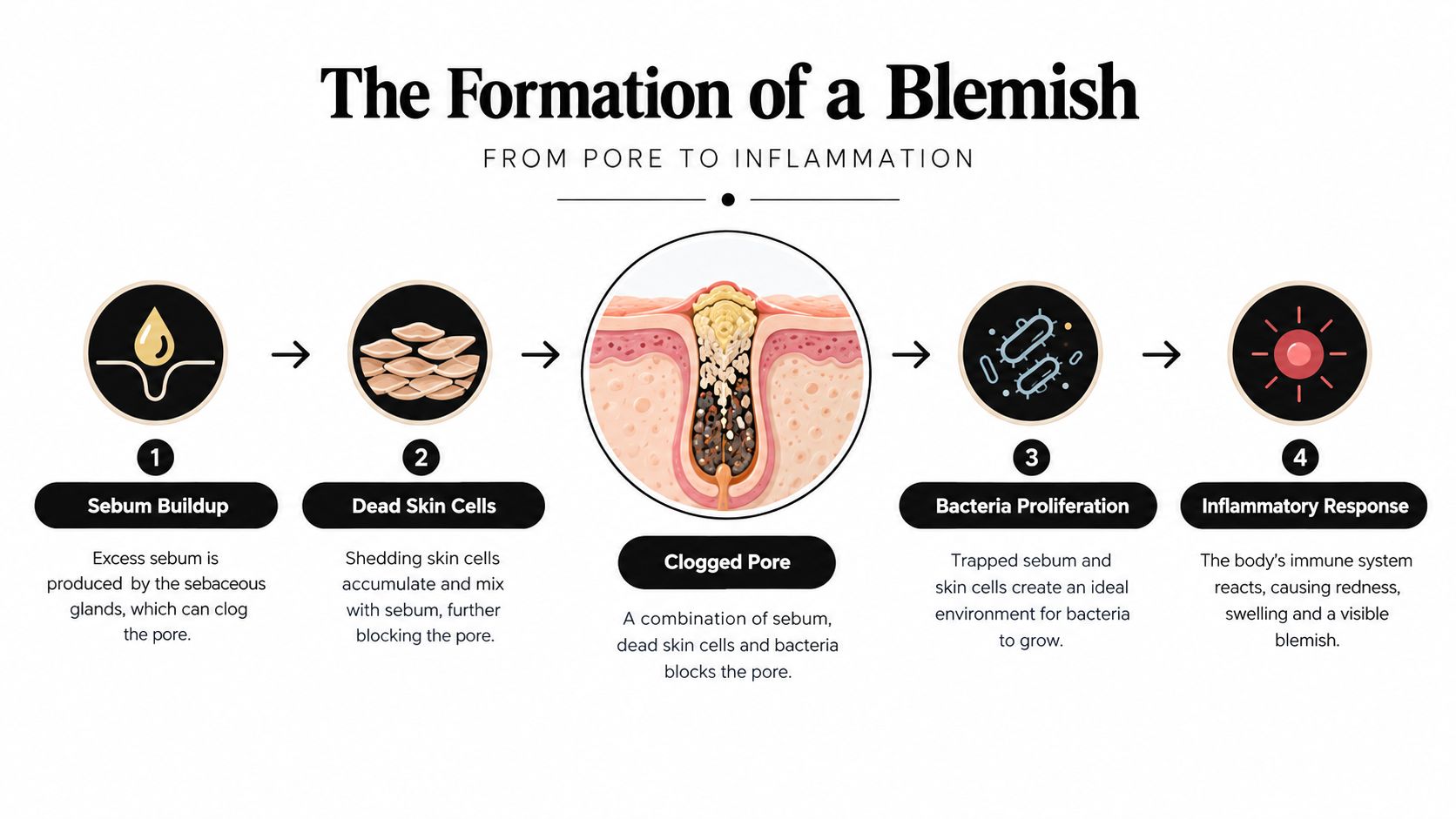
A blemish begins inside a pore. Sebum, the skin's natural oil, mixes with shed dead skin cells and can form a plug. The pore may appear open and dark as a blackhead, or closed and pale as a whitehead. If the blockage and surrounding activity continue, the area can become raised, tender, or filled with fluid.
The visible spot is therefore the end of a process, not a single event. Oil production, cell shedding, product residue, sweat, friction, and the skin's protective barrier can all influence how easily a pore becomes congested. That's why a one-time scrub rarely solves the underlying pattern.
Reading the different types
Blackheads and whiteheads are non-inflammatory lesions. They're mainly associated with blocked pores and often respond to consistent cleansing and a suitable exfoliating active. A blackhead isn't dirt trapped on the face, so trying to scrape it away can damage the surrounding surface.
Papules and pustules are raised spots that may feel sore or look red. Papules don't contain visible fluid, while pustules may have a white or yellow center. Nodules and cysts sit deeper and can be painful, which is a reason to seek professional guidance rather than repeatedly pressing or puncturing them.
Daily habits can add pressure to the process. Hormonal shifts may alter oil output, while stress, sweat, friction from masks or phones, and heavy products can make congestion more noticeable. Diet patterns may also coincide with changes for some people, although a single food rarely explains every blemish.
Over-cleansing creates another common loop. You remove surface oil aggressively, feel tight and dry, then reach for richer products or wash again when shine returns. A gentler approach gives you more useful information about what is driving the pattern. If you're comparing professional options, a resource such as best facial treatment at Yoyime Clinic may also help you understand what an in-person skin treatment involves.
Ingredients That Help and Ingredients That Hurt
Ingredient selection should follow the type of congestion you're trying to manage. Salicylic acid is lipophilic, meaning it can move into sebum-rich follicles and help clear non-inflammatory lesions. In a randomized, double-blind study of adults with acne, a routine using a 1% salicylic acid cleanser with a 2% salicylic acid treatment lotion was well tolerated, nondrying, and improved acne severity, post-inflammatory marks, and tactile oiliness (clinical study review). The same literature notes that 2% salicylic acid cleansers can reduce comedones within 2 weeks.
Benzoyl peroxide has a long treatment history. Reviews trace its topical use to wounds in 1905, descriptions for acneiform eruptions in 1934, recognition as a viable acne treatment in 1958, and a major acne-product milestone in 1965 (historical review). It remains an important option for raised, active blemishes, although it can be drying and should be introduced carefully.
Niacinamide suits readers who want oil modulation without a harsh finish. In a double-blind, placebo-controlled study of 100 Japanese subjects, a 2% niacinamide moisturizer significantly reduced facial sebum excretion at weeks 2 and 4 versus placebo. A separate split-face study involving 30 subjects found significantly reduced casual sebum by week 6 (niacinamide study). Aloe and centella can serve as comfort-focused partners around stronger actives.
| Ingredient or format | What it does for blemish-prone skin |
|---|---|
| Salicylic acid | Helps loosen oil and debris inside congested pores. |
| Benzoyl peroxide | Targets activity associated with raised, active blemishes. |
| Niacinamide | Helps moderate surface oil while supporting a comfortable routine. |
| Aloe and centella | Add soothing, lightweight support around treatment steps. |
| Harsh sulfate-heavy cleanser | May leave skin tight and uncomfortable after washing. |
| Frequent high-strength peel | Can overwhelm a sensitive routine when layered too often. |
| Denatured alcohol toner | May feel instantly dry while making the surface less comfortable. |
| Heavy occlusive balm | Can feel excessive on areas that clog easily. |
| Jagged physical scrub | Can aggravate existing spots through friction. |
Format matters as much as the ingredient label. A milky cleanser, light gel-cream, and fluid sunscreen often feel easier to use consistently than richer alternatives. For a closer look at potentially pore-clogging ingredients, read Aloderma's guide to what ingredients clog pores.
A Gentle Morning and Evening Routine
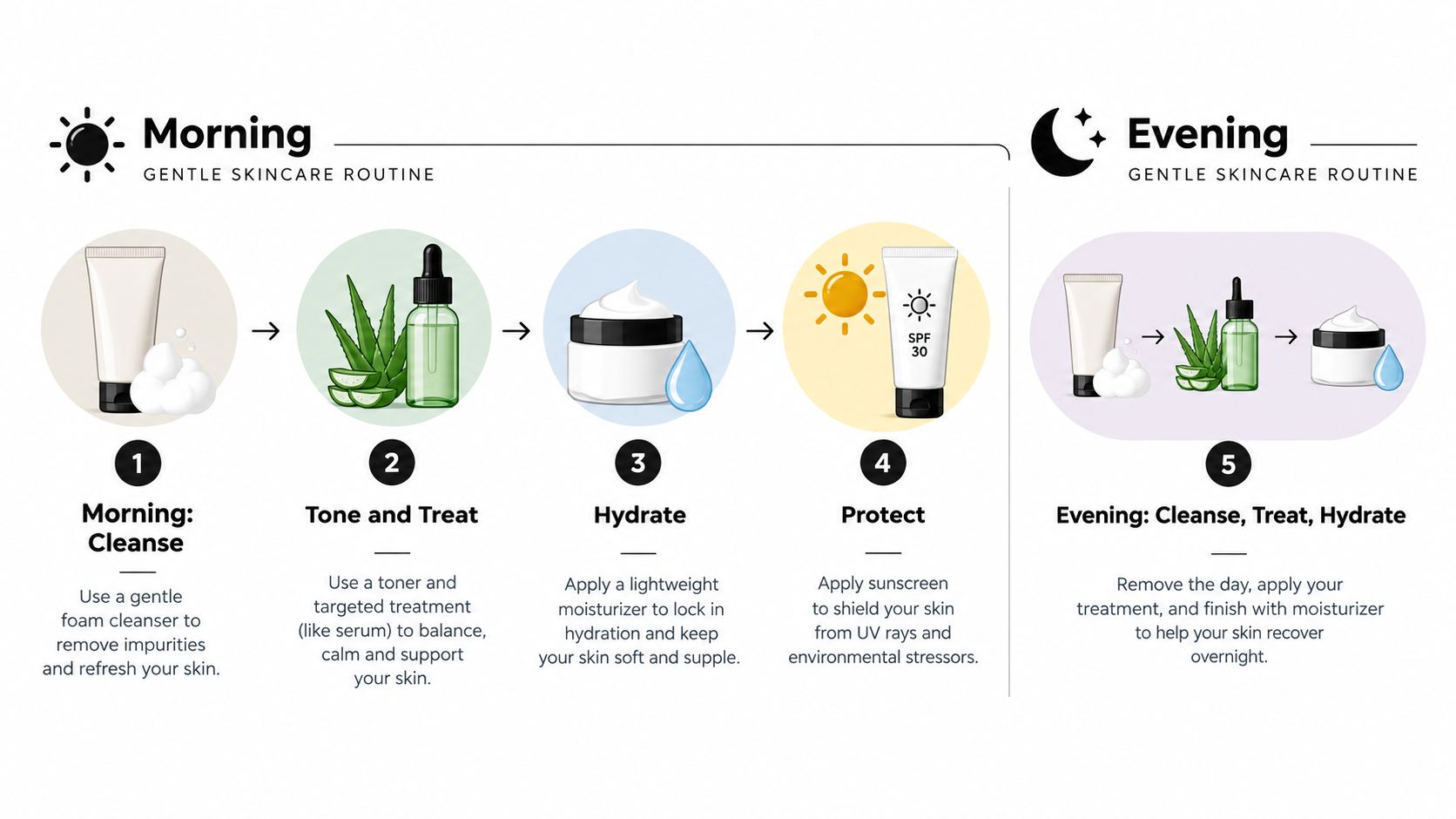
A useful routine has a job for every layer. Cleansing removes residue, treatment targets a specific concern, hydration improves comfort, and sunscreen helps protect the look of post-blemish marks from becoming more noticeable.
Morning order
- Cleanse lightly. Use a low-foam or creamy aloe-based cleanser, especially if your face doesn't feel oily when you wake up.
- Add a thin hydrating layer. A lightweight toner, essence, or aloe gel can reduce the urge to compensate with a heavy cream. Pat it in rather than rubbing repeatedly.
- Use one serum. Niacinamide is a logical choice when shine and comfort are both concerns. If your skin is reactive, keep the formula simple and skip stacking multiple active serums.
- Moisturize. Choose a light, non-comedogenic gel-cream. Oily skin still needs water, and skipping moisturizer can leave the surface feeling tight and unbalanced.
- Finish with sunscreen. A fluid or mineral-leaning SPF is often easier to wear consistently than a thick cream. If you're building a broader morning ritual, these Houston holistic morning care tips offer useful context beyond product layering.
Evening order
Remove sunscreen and makeup with a first cleanse, then follow with a gentle water-based cleanser. Apply salicylic acid or azelaic acid to clean, dry skin, since treatment products work best before heavier layers. Don't use every active on the same night.
Use a richer barrier-supporting moisturizer after treatment. Ceramides or squalane can provide a more comfortable finish, while a small amount of aloe gel can sit beneath or over the moisturizer if your skin likes that texture. Occlusive layers belong last because they seal in what you've already applied.
Sensitive days need a different plan. Skip exfoliants when the skin stings, peels, or feels unusually warm, and keep the routine to cleansing, hydration, moisturizer, and sunscreen. The ALODERMA morning skincare guide can help you think through simple layer order without turning your routine into a long checklist.
How to Spot Treat a Single Blemish
Spot treatment works best as a small, controlled application, not a miniature facial peel. Start with clean, dry hands and gently cleanse the area. Wait until the skin is dry, then use a clean cotton swab or fingertip to dab one suitable active directly onto the raised spot.
Common options include 2% salicylic acid, 5% benzoyl peroxide, or 0.025% adapalene gel. Apply only to the lesion, not the entire surrounding cheek or forehead, and use the smallest amount that covers the area.
Timing makes a difference
Place spot treatment after watery serums and before a heavier moisturizer. This allows the active to sit directly on clean skin while the moisturizer can reduce the chance of excessive dryness around it.
Don't layer acids and retinoids on the same spot during the same evening. A simple rotation is easier to monitor: salicylic acid on one night, moisturizer-focused care on another, and adapalene only according to a routine your skin tolerates.
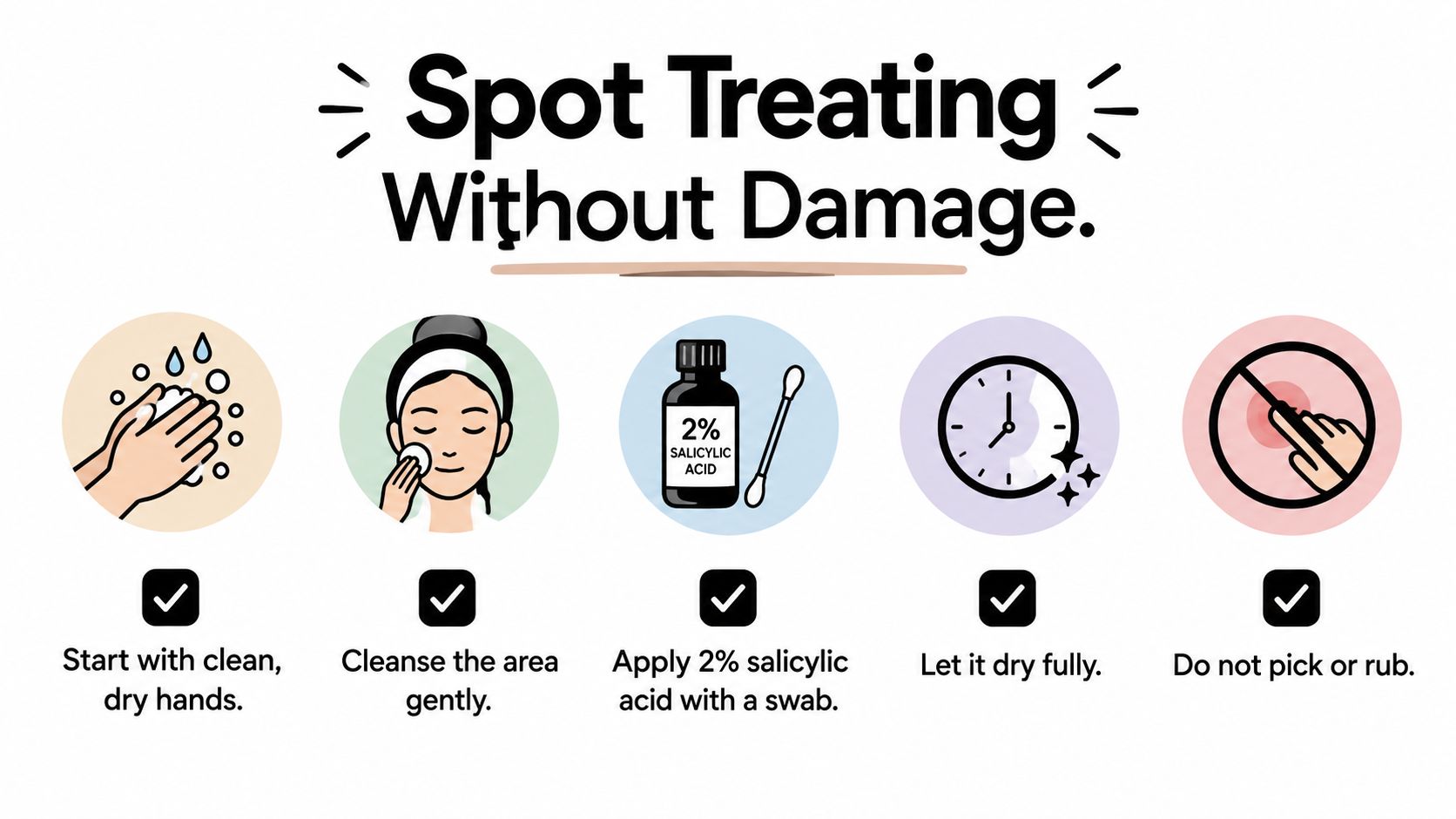
A dab beats a rub. Precision protects the skin around the blemish.
Never squeeze, rub, or scrape the area. Don't apply toothpaste, undiluted essential oils, or a rough exfoliator. Those shortcuts can make the spot more uncomfortable without addressing the pore.
Rinse the area the next morning and reapply only if the spot is still active and your skin feels comfortable. Stop if it stings, peels, or becomes unusually dry. For a cleanser-based approach, see Aloderma's face wash with salicylic acid guide.
Blemish Myths That Quietly Make Skin Worse
Many unhelpful habits begin with a reasonable frustration. You want the spot to look smaller by morning, so toothpaste seems like a convenient drying paste. You want cleaner pores, so you scrub until the surface feels smooth. The problem isn't that you're careless. It's that these tricks confuse temporary sensation with useful skin care.
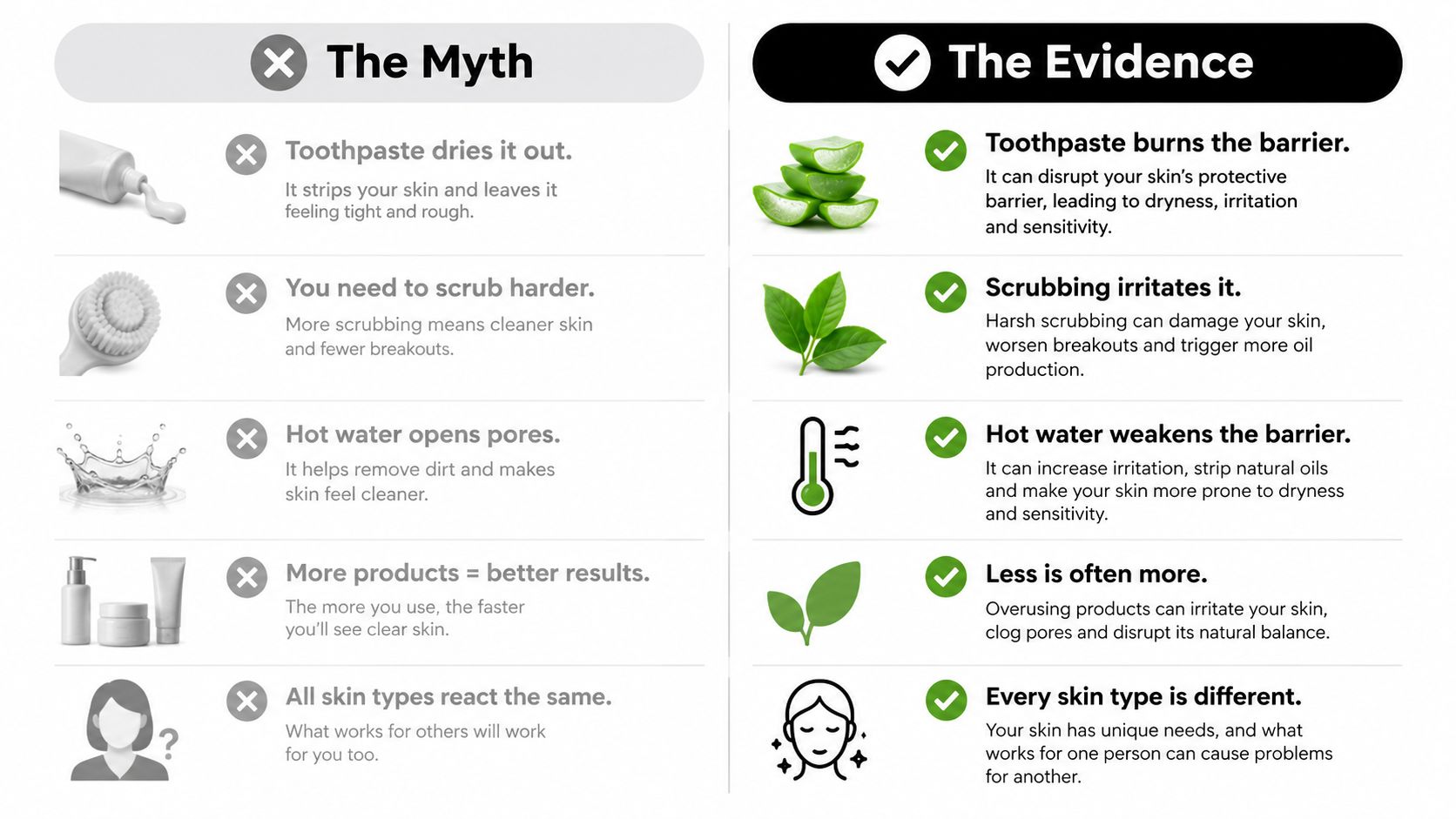
Myth and better habit
Myth: Toothpaste clears a spot. Toothpaste is designed for teeth, not facial skin. Its ingredients can sting or irritate the surrounding surface, leaving you with more discomfort and dryness. Use a targeted salicylic acid or benzoyl peroxide product instead.
Myth: Harder scrubbing clears pores. Friction can make an existing raised spot look and feel worse, while repeated scrubbing can disrupt the barrier. Choose a gentle cleanser and a measured chemical exfoliant when congestion is the concern.
Myth: Oily skin doesn't need moisturizer. Oil and hydration aren't the same thing. A lightweight gel moisturizer can add water without the heavy finish you're trying to avoid.
Myth: Sunscreen causes every breakout. Some sunscreens feel too rich, but that doesn't make daily protection the problem. Test a fluid, mineral, or lightweight chemical formula and choose the one you'll apply comfortably.
Myth: Popping speeds healing. Squeezing pushes you toward more irritation and can prolong the visible mark. Cover the area if touching is tempting, then let a precise spot treatment do its job.
The calmer choice is usually the more repeatable choice.
A 30 Day Reset and When to See a Dermatologist
A reset works best when it removes noise. Keep your cleanser gentle, use one treatment category at a time, moisturize even when your face feels oily, and apply sunscreen each morning. Take a quick note of shine, texture, new spots, and comfort rather than inspecting your face repeatedly.
What to watch over the month
- Day 2: Look for comfort after cleansing. Tightness, stinging, or peeling suggests that the routine needs fewer actives or a milder cleanser.
- Day 7: Notice whether midday shine feels easier to manage and whether your products still feel pleasant.
- Day 14: Pay attention to texture and the number of new raised spots, without expecting every existing mark to disappear.
- Day 30: Review the pattern. A calmer surface, fewer new lesions, and gradually fading post-blemish marks are more useful signals than one mirror check.
A routine may need more time than a few days to show its full pattern. If you're not seeing progress after six to eight weeks of consistent care, consider professional advice rather than adding more products.
Arrange a dermatology visit for persistent deep or cystic lesions, painful nodules, sudden severe breakouts, visible scarring, or any skin change that looks or feels unusual. A qualified clinician, such as a ProMD Health Ashburn dermatologist, can help you decide whether your current approach needs adjustment.
Bring your current products, the order and timing of your routine, photographs that show changes over time, and notes about recent triggers such as a new cosmetic, increased sweating, friction, or a major schedule change. That information gives the appointment a clearer starting point.
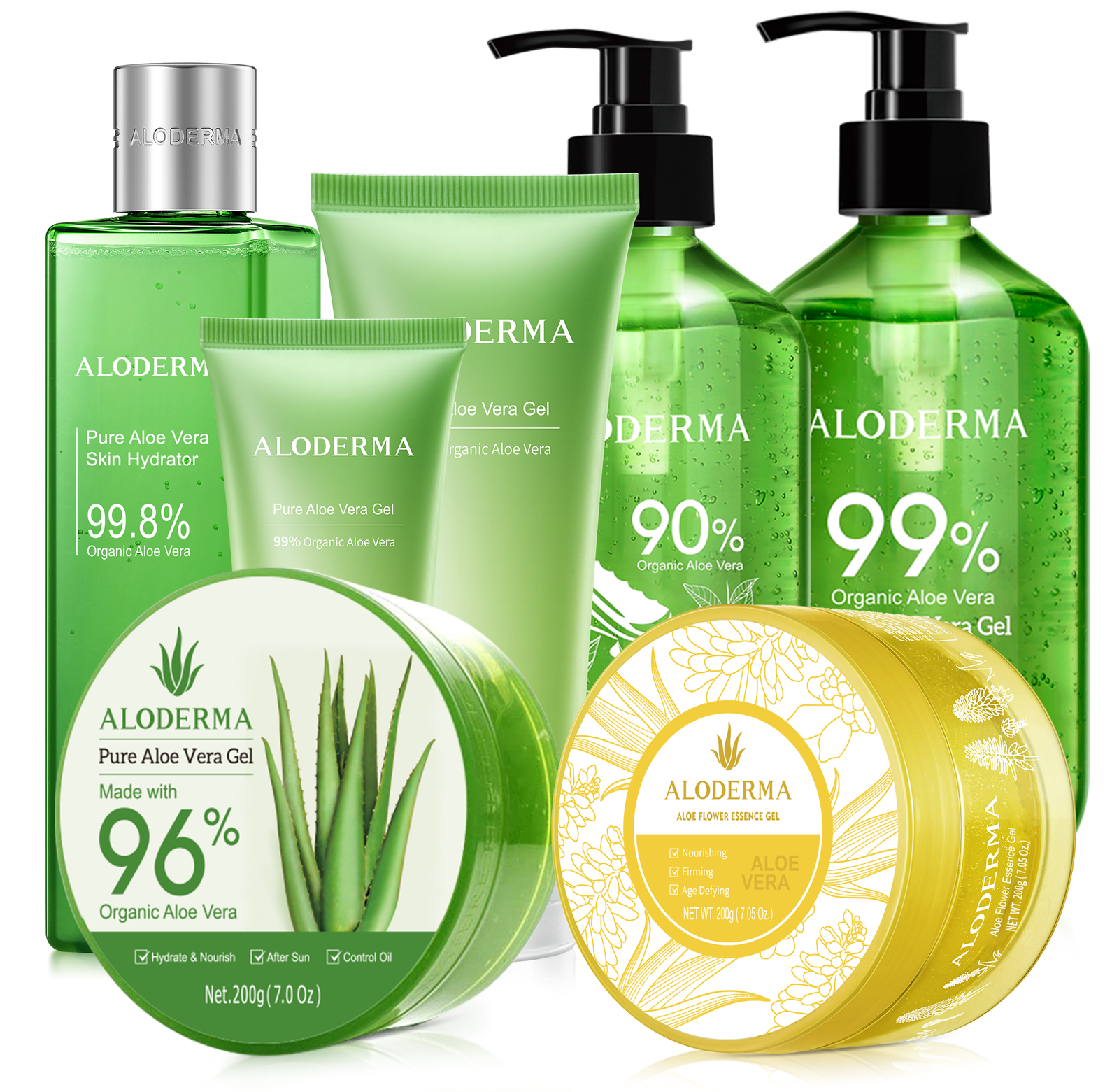
ALODERMA offers fresh organic aloe-forward cleansers, gels, toners, serums, and creams designed for lightweight daily hydration, including formulas made with at fresh organic aloe vera juice and processed within 12 hours of harvest according to its site (fresh aloe skin care). Visit ALODERMA to compare textures and build a calmer blemish prone skin care routine around the formats your skin can comfortably use.