







You spray a perfume in a store, love the first impression, then hesitate. The bottle is beautiful, the branding says “clean,” and the scent feels expensive. But one question keeps nudging at you. What's in it, and how will your skin feel after a few hours?
That tension is why clean beauty fragrance has become such a big conversation. People don't just want a scent that smells good anymore. They want a formula they can understand, trust, and fit into the same ingredient-conscious routine they already use for cleanser, serum, and moisturizer.
The Allure and Anxiety of Choosing a Scent
Standing in the fragrance aisle can feel oddly emotional. You want something personal. Something that feels like you. But the moment you turn the bottle around and see vague ingredient wording, the experience shifts from fun to uncertain.
For many shoppers, the confusion isn't about disliking fragrance. It's about not knowing how to separate a thoughtful formula from clever marketing. That's especially true if your skin tends to be reactive, dry-feeling, or easily overwhelmed by heavily scented products.

Clean fragrance entered that gap by promising more honesty. And this isn't a tiny niche anymore. One market estimate values the clean fragrance market at USD 12.47 billion in 2024 and projects it to reach USD 33.40 billion by 2035 according to Metatech Insights' clean fragrance market analysis. That kind of growth tells you something simple. Shoppers are asking harder questions about scent ingredients, and brands are being pushed to answer them.
Why this topic feels so confusing
Fragrance has always carried a bit of mystery. That's part of its appeal. But mystery is charming only until it touches your skin.
A moisturizer label usually feels easier to decode. You might recognize aloe, glycerin, or hyaluronic acid. Fragrance labels often feel more abstract, with terms like “parfum,” “aroma,” or “natural fragrance” that don't tell you much on their own.
Clean beauty fragrance matters because it shifts the conversation from “Does this smell nice?” to “Do I understand what I'm putting on my skin?”
That shift is enabling. You don't need to become a perfumer to make a smart choice. You just need a few practical label-reading skills and a calmer way to think about ingredients.
Decoding the Clean Fragrance Philosophy
“Clean” in fragrance isn't one single legal standard. That's where many people get tripped up. They assume it works like a strict official label, when in reality it often reflects a brand philosophy centered on transparency, conscious formulation, and clearer ingredient communication.

A useful analogy is food. A conventional fragrance label can feel like a snack package that says “proprietary spice blend.” You know flavor was added, but you don't know from what. A cleaner fragrance philosophy tries to act more like a label that lists each herb and spice separately, so you can decide whether it works for you.
Clean is more about disclosure than perfection
That matters because “natural” and “clean” are not the same thing. A formula can use botanical materials and still include components that some people find irritating. A formula can also include carefully selected synthetic materials and still be far more transparent than one that hides everything under one catchall term.
The wider beauty industry helps explain why this shift happened. The global clean beauty market was estimated at USD 10.49 billion in 2025, with skin care accounting for 41.4% of revenue, according to Grand View Research's clean beauty market report. That pattern makes sense in everyday life. Consumers often begin by prioritizing ingredients in products they use daily, then extend those same expectations to categories like fragrance.
Four ideas behind the philosophy
- Ingredient transparency means the brand gives you enough detail to make an informed choice.
- Conscious formulation means the formula is built with attention to common problem ingredients, not just scent impact.
- Ethical sourcing means shoppers are encouraged to ask where aromatic materials come from and how they're produced.
- Skin compatibility means a fragrance should be judged by how thoughtfully it's built, not just how glamorous it smells.
A clean fragrance isn't automatically the one with the shortest ingredient list. It's often the one that gives you the clearest map.
That's the heart of the clean beauty fragrance mindset. It replaces blind trust with informed trust.
Common Fragrance Ingredients and Their Clean Alternatives
You pick up a perfume or body mist, turn the bottle around, and find a list that feels more confusing than helpful. One label says "fragrance." Another lists six floral oils you recognize and three allergen names you do not. The goal is not to memorize chemistry terms. It is to learn which details give you enough information to make a calm, informed choice.
A useful way to approach fragrance ingredients is to sort them into categories. That works like reading a map by landmarks instead of trying to remember every street name. Once you know what each category does in a formula, you can tell the difference between a label that explains itself and one that stays vague.
Ingredient groups shoppers often question
People drawn to clean beauty fragrance often pay close attention to a few recurring categories: undisclosed fragrance blends, phthalates, synthetic musks, certain preservative systems, and naturally derived materials that can still irritate reactive skin. The concern is rarely the name alone. A key question is whether the formula gives you enough clarity to judge how it may behave on your skin.
Here's a simple comparison table to make those categories easier to read in real life.
| Ingredient Category | Conventional Example | Potential Concern | Clean Alternative |
|---|---|---|---|
| Fragrance blend | Parfum / Fragrance | Can hide the full scent composition | Specific essential oils or clearly disclosed aroma components |
| Plasticizing solvent | Phthalates | Avoided by many shoppers seeking simpler fragrance formulas | Phthalate-free fragrance systems |
| Scent extender | Synthetic musks | Often excluded from clean no-to lists | Plant-based aromatic ingredients or resin-based fixatives |
| Preservative system | Parabens | Commonly avoided in clean positioning | Paraben-free preservation approaches |
| Fixative base | Unspecified synthetic carriers | Hard to assess when disclosure is limited | Grain alcohol or plant-derived carriers when disclosed |
| Botanical allergen source | Ylang ylang, jasmine, coumarin | Can matter for sensitive users even when naturally derived | Lower-allergen formulas with clearer disclosure |
What these swaps actually mean
"Clean alternative" does not always mean "all-natural replacement." Sometimes it means better disclosure. Sometimes it means a shorter list of likely triggers. Sometimes it means using a material that has been chosen because it is less likely to linger on skin or cause problems for a certain user.
That distinction matters.
For example, a label that says only "fragrance" gives you very little to work with. A label that lists lavender essential oil, bitter orange peel oil, or individual aroma compounds gives you more context. More context lets you compare products with your own skin history, just like seeing the full ingredient list on a moisturizer helps you decide whether it fits your routine.
If you are learning how botanical scent ingredients are described, this guide to pure lavender essential oil is a useful example of how one familiar aromatic ingredient appears in a cleaner beauty setting.
Natural and synthetic are not automatic good-or-bad labels
Many readers find this aspect challenging. A natural ingredient can still trigger redness or itching. A synthetic ingredient can be there for stability, consistency, or lower irritation potential. Fragrance works a bit like food sensitivities. "Natural" peanut butter is still a problem for someone with a peanut allergy. In the same way, jasmine absolute or ylang ylang oil may sound gentle but still bother reactive skin.
So instead of building your shopping strategy around a simple bad list, use a better filter:
- Can I tell what is creating the scent?
- Does the brand disclose known allergens or key aroma materials?
- Is the formula built in a way that matches my skin's tolerance?
Cleaner fragrance can still smell sophisticated
A transparent formula does not have to smell plain, herbal, or one-note. Perfumers can create polished scents with disclosed botanicals, natural isolates, and thoughtfully chosen supporting materials. The difference is that you are no longer choosing in the dark.
That shift is what makes clean beauty fragrance more useful. You are not chasing a trend label. You are learning how to read a scent formula well enough to choose one that fits your preferences and your skin.
How to Read Labels and Recognize Trust Signals
You're standing in the aisle with two fragrances in your hand. One says “clean” on the front. The other says “natural.” Then you flip both over and find a wall of tiny ingredient names that feel harder to read than the marketing claims. This is the moment that matters most, because the label usually tells you more than the front of the bottle.

A good label-reading habit works like checking a food package for allergens. You do not need to recognize every scientific term. You need a simple system that helps you answer three questions. What is creating the scent? Is the brand being clear about possible triggers? Does the company explain its standards in a way that feels specific, not vague?
Start with the fragrance wording
Begin with the fragrance line itself. If a product lists only fragrance or parfum, that is your signal to pause and look for more context elsewhere on the package or brand site. Broad wording does not automatically mean a product is bad for your skin. It means you have less detail to work with, which makes decision-making harder if you are reactive, allergy-prone, or trying to shop carefully.
By contrast, some brands give you more to work with. They may name essential oils, list key fragrance allergens, or explain whether the scent comes from botanicals, aroma isolates, or a mixed fragrance system. That kind of disclosure helps you choose with more confidence because you are not relying only on the word “clean.”
Learn the difference between a warning sign and a disclosure sign
This part confuses many readers. Seeing linalool, limonene, or geraniol on a label can look alarming at first, but those names are often fragrance components that occur naturally in essential oils too. Their presence does not automatically mean the formula is harsher. In many cases, it means the brand is naming known scent compounds instead of hiding everything under one broad term.
In fact, a longer label can be more helpful.
Use this quick filter when you shop:
- Check the INCI list first. See whether scent materials are named clearly or grouped into vague fragrance wording.
- Look for allergen declarations. These can give you useful clues about what may bother your skin.
- Read the brand's ingredient notes. Specific explanations about sourcing, fragrance design, or testing are more useful than feel-good claims.
- Notice certifications, but keep them in context. Seals can help, though they are only one trust signal.
- Patch test before regular use. Even a carefully labeled fragrance can still be the wrong match for your skin.
Practical rule: The more clearly a brand explains its scent ingredients, the more control you have as a shopper.
Certifications are helpful shortcuts, not proof on their own
Certifications can save time, especially if you are comparing several products at once. They work like a screening tool. A seal may tell you a brand follows a defined standard, but it does not replace reading the ingredient list and checking whether the formula suits your own skin.
Brand transparency matters just as much. Clear FAQ pages, full ingredient lists, allergen disclosure, and plain-language explanations often tell you more than polished marketing copy. If you want examples of brands that shoppers often consider more ingredient-conscious, this guide to best clean beauty brands can give you a useful starting point.
The goal is not to find a perfect label. The goal is to get better at spotting which products give you enough honest information to make a smart choice.
Choosing a Clean Fragrance for Your Skin Type
The “best” clean fragrance depends less on trends and more on your skin's comfort level. Two people can try the same botanical scent and have totally different experiences. One finds it fresh and easy to wear. The other finds it too active, too sharp, or too much after an hour.
That's why skin type matters.
A key nuance often missed is that fragrance allergens can still appear in many clean formulas, and regulators in the EU now require labeling of 80 individual fragrance allergens, which shifts the question from “clean or synthetic?” to which specific allergen profile and concentration your skin can tolerate, as discussed in this video coverage of fragrance allergen labeling.
If your skin is sensitive
Go slowly. This is the group most likely to benefit from shorter ingredient lists, careful patch testing, and lower-fragrance routines overall.
A helpful strategy is to start with products that are unscented or fragrance-free in your daily routine, then introduce scent only where it matters most to you. If that's your style, a guide to choosing a fragrance-free moisturizer can help you create more breathing room in the rest of your regimen.
If your skin gets oily easily
Heavy or strongly perfumed body products can sometimes feel like too much, especially in warm weather. Lighter textures tend to pair better with a more comfortable experience.
Try this approach:
- Keep scented products targeted. Use them on pulse points or body areas instead of layering fragrance across multiple steps.
- Choose fresh scent families. Citrus, herbal, and airy floral notes often feel less overwhelming than dense sweet blends.
- Watch alcohol-heavy formulas. They may smell elegant at first but can feel drying on repeated use.
If you're prone to visible congestion
This doesn't mean fragrance is automatically off-limits. It means placement matters. Applying heavily scented products to the chest, neck, or face-adjacent areas may not be ideal for everyone.
Some shoppers prefer to scent clothing, hair ends, or wrists rather than layering scented facial products. Others do better with fragrance in wash-off or body-only formats.
Your skin type changes the answer. A clean fragrance is only “clean enough” for you if you can wear it comfortably and predictably.
A simple decision filter
Ask yourself these four questions before buying:
- Do I know what's creating the scent?
- Does the brand explain its fragrance approach clearly?
- Have I patch tested it on my own skin?
- Will this fit with the rest of my routine, or stack too much fragrance into my day?
Those questions will usually guide you better than a trendy front-label claim.
Putting It All to the Test Finding Your Signature Scent
The ultimate test of a fragrance doesn't happen on a paper strip. It happens at noon, then later in the afternoon, when the top notes have faded and you're left with what lingers on your skin.
That's where a lot of clean fragrance advice falls short. Many articles focus on ingredient fear but don't answer practical questions like how long a scent lasts or whether lower-impact sourcing changes the wearing experience, a gap highlighted in Organic Beauty Lover's discussion of clean perfume performance and sustainability questions. Those questions matter because daily wear is practical, not theoretical.
Test fragrance like you'd test skincare
A better method is simple:
- Try one scent at a time so your nose doesn't get overloaded.
- Wear it on skin, not just paper because body chemistry changes the result.
- Wait through the dry-down. The opening is only the introduction.
- Notice how you feel wearing it. Comfort matters as much as projection.
- Track reapplication accurately. If you need to refresh often, that's useful information, not failure.
Some people love that softer, closer-to-skin style. Others want stronger longevity. Neither preference is wrong.
Learn the language of notes
If you're still figuring out what you like, it helps to understand the structure of scent families and note progression. A practical place to discover women's perfume notes can make it easier to connect what you smell with the words brands use on product pages.
The best signature scent isn't the one with the loudest marketing. It's the one you enjoy wearing after the first impression is gone.
And give yourself permission to choose differently than the trend cycle. Some days you'll want a bright citrus lift. Other days, a soft floral skin scent feels more right. Clean beauty fragrance works best when it supports your real routine instead of adding pressure to it.
Your Journey to Conscious and Joyful Scenting
Clean beauty fragrance becomes much less intimidating once you know what to look for. You don't need a perfect ingredient memory. You need a few reliable habits: read beyond the front label, pay attention to disclosure, treat allergen listings as information, and test fragrance on your own skin before committing.
That shift turns scent shopping into something calmer and more personal. You move from guessing to choosing. From reacting to marketing words to asking better questions. From chasing “clean” as a trend to using it as a tool for better decisions.
A beautiful fragrance can still feel fun, expressive, and emotional. It just doesn't have to feel mysterious in the stressful way. When you understand the label, you're far more likely to find a scent that fits your preferences, your values, and your everyday comfort.
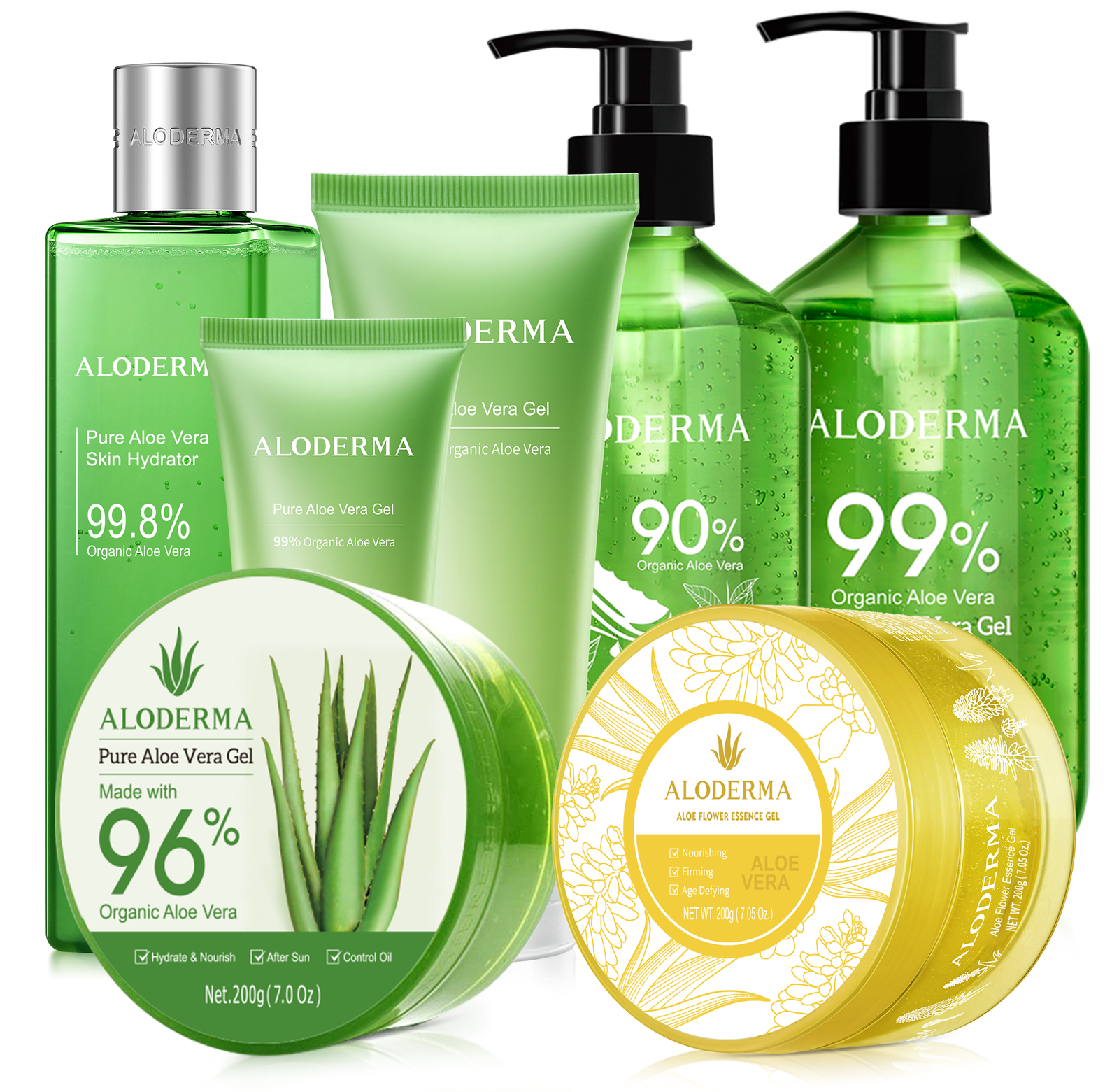
If you want skincare that reflects the same ingredient-conscious mindset, explore ALODERMA. ALODERMA is a fully vertically integrated aloe vera company that grows its own organic aloe vera and processes and manufactures onsite within 12 hours of harvest, so the primary ingredient in every product is as bioactive and effective as possible. That farm-to-skin approach, along with natural, plant-based essential oils and certified organic standards, makes it a strong choice for shoppers building a gentler, more transparent routine.