







You're probably here because facial oils sound appealing in theory and risky in practice. You want that soft, healthy glow, but you also don't want a shiny forehead, a heavy finish, or a formula that feels like too much for already fussy skin.
That hesitation makes sense. A lot of people hear clean beauty hydrating facial oil and assume the oil itself is the hydration. Then they try one, use too much, apply it on dry skin, and wonder why their face feels coated instead of comforted.
The missing piece is simple. Hydration starts with water. Oil helps keep that water from escaping.
If you understand that one idea, facial oils become much less confusing. They stop being a trend product and start becoming a practical tool. And if your routine is built around fresh, water-rich ingredients first, especially aloe vera, oil makes much more sense as the finishing layer rather than the star of the show.
Your Journey to Glowing Skin Starts Here
A common routine looks like this. You wash your face, your skin feels a little tight, and you reach for whatever promises glow fastest. Maybe that's a bottle of facial oil with beautiful botanical ingredients on the label. You pat it on, wait a few minutes, and your skin still doesn't feel as comfortable as you hoped.
That doesn't mean facial oil was the wrong idea. It usually means the order was off.
A facial oil can be helpful, especially when it's lightweight and thoughtfully blended. But it works best when it has something to hold in. If your skin is dry from cleansing or the air around you is pulling moisture away, oil alone may feel nice for a moment without giving you that settled, cushioned feeling you desired. That's why a water-first routine matters so much, and it's also why guides on how to hydrate skin are often more useful than another list of trendy oils.
Practical rule: If your goal is hydration, think “water first, oil second.”
People with oily skin often avoid facial oils because they assume all oils are greasy. People with sensitive skin often avoid them because plant ingredients can feel unpredictable. Both concerns are valid. The good news is that oils aren't all alike, and the way you use them matters just as much as the bottle you buy.
A good routine should feel understandable, not intimidating. You should know why an oil helps, when it doesn't, and how to tell whether your skin wants a lighter seal or a richer one.
Decoding the Clean Beauty Facial Oil
“Clean beauty” sounds simple, but on a facial oil label it can blur together several different ideas. The clearest way to read it is to separate the marketing language from the formula itself. Then you can ask a better question. What is this oil doing for skin, and what can it not do on its own?
A clean beauty hydrating facial oil usually combines plant oils with a smaller number of supporting ingredients chosen for skin feel, stability, and comfort. The word “hydrating” often causes the most confusion. Oil can make skin feel softer and less dry on the surface, but the water part of hydration still has to come from somewhere else, such as a gel, essence, or fresh aloe-based product.
That distinction matters.
Many guides treat oil as the star of the routine, even though hydration starts with water. A better way to read a facial oil is to see it as the finishing layer in a hydration system. If aloe is the drink, oil is the cover that helps keep that drink from disappearing too quickly. That is why fresh, water-rich ingredients deserve more attention than they usually get, especially if your goal is skin that feels comfortable rather than just shiny.
What the ingredient list is really telling you
Ingredient lists are more useful than front-label promises because they show the structure of the formula. In a typical clean facial oil, the first ingredients are the main oils. They shape how heavy, light, silky, or cushiony the product feels. Then you may see plant extracts, antioxidant ingredients, or soothing additions that round out the formula.
For example, a lightweight blend might pair oils such as safflower, rosehip, or hemp with ingredients like chamomile, vitamin E, and a small amount of aloe. That combination often points to a formula designed to soften skin and reduce that dry, tight feeling after cleansing. It does not mean the bottle is supplying abundant water to the skin. If aloe vera leaf juice appears in an oil blend, it is supportive, but the formula is still oil-led unless a water-rich step comes underneath it.

That is a useful mindset because it keeps expectations realistic. A well-made oil can support the skin barrier, improve slip, and reduce roughness. The actual hydration story still depends on whether your routine includes enough water-rich care first. Readers who want a clearer look at why fresh aloe is so often used in that first step can explore more about aloe vera gel for facial care.
What “clean” should make you ask
“Clean” should prompt careful questions, not automatic trust.
Some brands use the term to signal a shorter ingredient list, a lighter fragrance approach, or the absence of ingredients that certain shoppers prefer to avoid. That can be helpful, especially for reactive skin, but “clean” does not guarantee gentle. A formula can sound natural and still feel irritating if it relies heavily on fragrant essential oils or if your skin does not agree with one of the botanicals.
A smarter label-reading habit is to ask:
- What are the first few oils, and how rich do they tend to feel?
- Is the formula focused on skin comfort, or is it packed with perfuming extras?
- Does the brand explain its ingredient choices clearly?
If you like comparing ingredient philosophies across brands, lists of best clean beauty brands for ingredient-conscious skincare shoppers can make those patterns easier to spot.
A simple way to judge a facial oil
You do not need to memorize every botanical name. You just need a reliable filter.
Look at the oil base first. Then look for comfort-supporting ingredients. Then ask whether the formula makes sense in a water-first routine. The last step is the one many shoppers miss. An oil may be elegant, gentle, and beautifully blended, but if it sits on skin without a water-rich layer underneath, it cannot deliver the kind of hydration users are seeking.
That shift in perspective helps you choose wisely. The best facial oil for hydration is rarely the one that tries to do everything alone. It is the one that works well with fresh, water-rich ingredients, especially aloe, which gives skin the hydration oil is meant to hold onto.
How Facial Oils Actually Support Hydration
You smooth on a beautiful face oil at night, and your skin still feels tight by morning. That result confuses a lot of people because oil can make skin feel softer right away, but softness and hydration are not the same thing.
Hydration starts with water. Oil helps keep that water from leaving too quickly.
A facial oil works like a lid on a pot. The water is still the part doing the hydrating. The lid helps hold it in. On skin, that means oil supports hydration by slowing transepidermal water loss and softening the surface, which is why formulators describe many oils as emollient and mildly occlusive rather than water-giving on their own.

“Occlusive” can sound technical, but the idea is simple. A window closes off a draft. A coat helps hold in body heat. In skincare, an occlusive layer helps reduce how quickly water escapes from the skin's surface. Oils usually do this more lightly than heavier balms or petrolatum, which is one reason many people like them in a daily routine.
This also explains why oil can disappoint on dry, thirsty skin. If there is very little water at the surface to begin with, sealing with oil does not create hydration out of nowhere. It mainly conditions the skin and helps preserve what is already there.
That is where fresh, water-rich layers matter most. A hydrating gel, mist, toner, or serum gives the skin the water piece first. Fresh aloe deserves special attention here because it is naturally water-rich, comfortable on skin, and easy to pair with oil. If you want a plain-language overview, this guide to aloe vera gel for facial care is a useful companion read.
The easiest way to picture the pairing is by job description:
| Step | Main job | Texture clue |
|---|---|---|
| Water-based hydrator | Brings water to the skin and relieves that tight, dry feel | Gel, toner, serum |
| Facial oil | Helps slow water loss and adds slip, softness, and comfort | Silky, cushiony, sealing |
Some routines use a dedicated oil blend at the end. Others prefer a lighter option, especially if heavy finishes feel stuffy or shiny. If you are comparing lighter choices, products centered on organic jojoba oil for balanced skin support are often popular because they tend to feel more skin-like and less greasy.
A simple clue can help you troubleshoot. If your skin feels greasy on top but still tight underneath, you probably sealed the surface before giving it enough water.
The routine logic becomes much clearer once you see oil in its proper role:
- Start with clean skin
- Apply a water-rich layer, especially one built around fresh aloe
- Press on a small amount of oil if your skin benefits from a finishing seal
That shift changes the whole conversation. Instead of asking which oil will hydrate your skin by itself, you start asking which oil helps protect the hydration delivered by fresh, water-first ingredients. That is the cleaner, smarter way to use facial oil.
Choosing the Right Oil for Your Skin Type
You wash your face, smooth on an oil, and expect relief. An hour later, your skin may look shiny but still feel thirsty. That usually is not a sign that facial oils “do not work.” It is a sign that the oil was the wrong fit, or that your skin needed more water underneath it in the first place.

Light oils and rich oils feel different for a reason
Facial oils vary by fatty acid profile, and that changes how they sit on the skin. Lighter oils, often richer in linoleic acid, tend to feel quicker to absorb and less coating. Richer oils, often higher in oleic acid, usually feel softer, heavier, and more protective.
A simple comparison helps. Some oils wear like a light cotton layer. Others feel closer to a fleece blanket. The right choice depends on how much cushioning your skin enjoys, not on what is trending.
Skin that looks oily or feels congestion-prone often prefers lighter oils such as rosehip or grapeseed. Skin that feels rough, flaky, or easily tight often enjoys richer oils. The goal is not to find an oil that “hydrates” by itself. The objective is to choose an oil that can help hold in the water your skin gets from a fresh, water-rich step such as aloe vera.
Choosing Your Perfect Plant Oil
| Skin Concern | Best Oil Type | Key Examples |
|---|---|---|
| Oily or blemish-prone feel | Lighter, linoleic-acid-rich oils | Rosehip, grapeseed |
| Dry, rough-feeling skin | Richer, oleic-acid-rich oils | Oleic-rich plant oils |
| Easily unsettled skin | Simpler oils or blends with calming support | Chamomile-focused blends |
That last category can confuse people. “Sensitive skin” does not always react to the oil itself. Often, the trouble comes from added fragrance, strong essential oils, or long botanical ingredient lists that make troubleshooting harder.
Where people get tripped up
A facial oil is a finishing layer, not the drink of water.
That is why skin can still feel parched under an otherwise lovely oil. If the layer underneath is missing, there is not much for the oil to hold in. Fresh aloe is useful here because it brings water to the skin first, then oil can act more like a lid on a pot, slowing the escape of that moisture.
A few patterns show up often:
- Oily skin usually does better with fewer drops and a lighter texture.
- Dry skin often wants a richer oil, especially in the evening or in dry weather.
- Combination skin may prefer oil only on the cheeks or other drier areas.
- Sensitive skin usually benefits from short ingredient lists and low-fragrance formulas.
A good oil match leaves skin feeling calmer and more comfortable, with no heavy film and no lingering tightness underneath.
Your surroundings matter too. If your skin is already reactive, daily contact with harsh household products can add to the problem. Some people also review best gentle cleaning products so their skincare routine and home routine are working in the same direction.
A quick self-check before you buy
Ask yourself:
- Does my skin feel dry, oily, or both at different times of year?
- Do I enjoy a light finish or a more cushioned one?
- Am I reacting to the oil, or to fragrance and extra plant extracts?
- Am I giving my skin enough water first, especially from a fresh hydrator like aloe?
Those answers usually lead to a better choice than a trend list. The best clean facial oil for your skin type is the one that feels comfortable, suits your texture preferences, and helps protect the hydration already delivered by water-rich skincare.
How to Layer Facial Oil in Your Daily Routine
You wash your face, apply an oil, and an hour later your skin still feels tight. That usually means the oil was asked to do a job it cannot do on its own. Oil can slow water loss, but it does not replace the water step.
Layering works best when you treat hydration like getting dressed for weather. First comes the water-rich layer that gives skin what it is thirsty for. Fresh aloe, a hydrating serum, or a light gel does that job. Then the oil goes on top like a light coat, helping that water stay put longer.
A simple order that feels easy to follow
Use this sequence as a starting point:
-
Cleanse gently
Skin should feel clean and comfortable, not squeaky. -
Apply a water-based hydrator
Use aloe gel, a hydrating toner, or a serum. Aim for skin that feels lightly damp. -
Press on a small amount of oil
Warm a few drops between your palms and press them over the skin. Pressing usually spreads oil in a thinner, more even layer than rubbing. -
Apply sunscreen in the morning
Sunscreen goes after your skincare layers.
The order matters because water-based products need direct contact with skin. Oil is more protective, so it belongs closer to the end.
Keep the dose small
A good facial oil layer should feel like a soft finish, not a greasy film. If your skin looks shiny quickly or makeup starts to slide, reduce the amount. You can also apply oil only where you lose moisture fastest, such as the cheeks or around the mouth.
That adjustment helps more than changing products too quickly.
Here's a visual walkthrough if you like seeing technique in action:
An easy example routine
If your skin feels dry soon after cleansing, try this rhythm:
- After cleansing, apply a fresh water-rich layer such as aloe gel, toner, or serum
- While skin is still slightly damp, press on a small amount of facial oil
- In the morning, let it settle, then apply sunscreen
Small changes in order can change the whole feel of a routine. Give skin water first. Then use oil to help keep that hydration from slipping away.
The Aloderma Difference Freshness and Farm-to-Skin Purity
You open a facial oil a few months after buying it and notice the scent has shifted. The texture feels a little heavier too. That change can be subtle, but it points to an important part of clean skincare that often gets skipped. Plant oils are active materials, not fixed ones.
Why freshness matters in plant-based skincare
Many facial oils are rich in unsaturated fatty acids. Those fatty acids can change with time, light, air, and heat. As they oxidize, the oil may smell different, feel less pleasant, or become harder for reactive skin to tolerate. SkinSAFE's product overview also reminds shoppers that botanical formulas can include fragrance components and plant compounds that do not suit everyone in its product summary.
That context matters because oil is only one part of hydration. Skin needs water first.
An aloe-first routine solves a common misunderstanding. Instead of asking oil to act like moisture on its own, you start with a fresh, water-rich ingredient and use oil the way a lid works on a container. The lid does not create the water inside. It helps keep it from escaping too quickly.
Why Aloderma approaches hydration differently
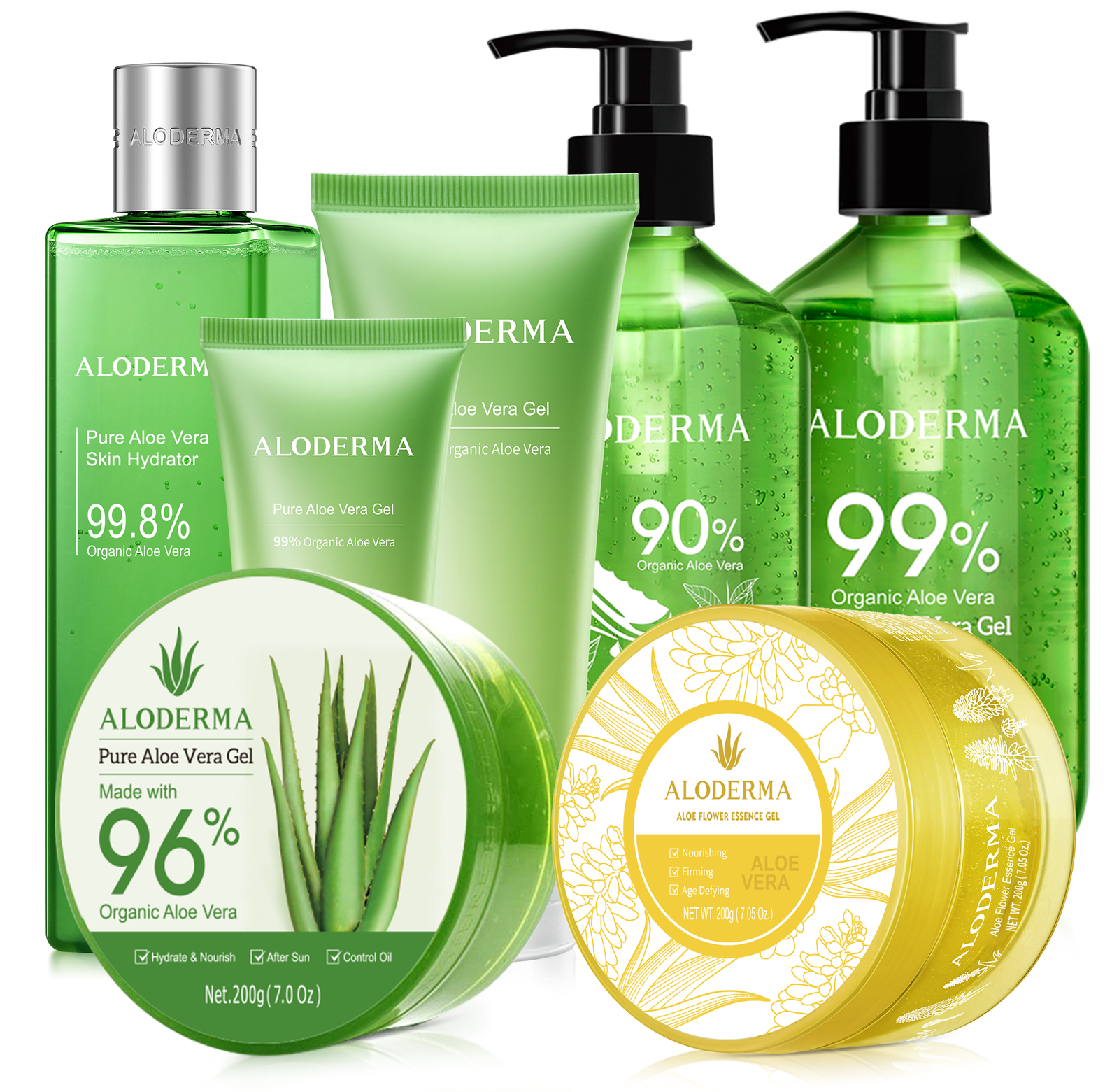
ALODERMA centers its formulas around organic aloe vera grown and processed by the company itself. The brand describes this as a farm-to-skin approach with aloe handled on-site soon after harvest, which helps explain why freshness is such a visible part of its identity.
Instead of depending on oil to do everything, you can build hydration in layers that make more sense biologically. Water-rich ingredients support hydration. Oils help hold that hydration closer to the skin for longer.
Fresh aloe works like the drink. Oil works like the cover.
What this means for your bathroom shelf
This aloe-centric approach also gives you more control from day to day.
- If your skin gets shiny easily, keep the fresh aloe step consistent and use only a drop of oil, or skip oil in oil-prone areas.
- If your skin feels tight by afternoon, add a small oil layer over aloe where moisture escapes fastest, such as the cheeks.
- If weather changes your skin, keep the hydrating base the same and adjust only the amount of oil.
That kind of flexibility is often what people want from clean beauty. The routine feels simpler because each step has one clear job. Fresh aloe supplies the water your skin needs. Oil helps keep that comfort in place.
Begin Your Journey to Truly Hydrated Skin
Healthy-looking glow doesn't come from oil alone. It comes from giving your skin water first, then helping it hold onto that comfort.
That's the big shift worth remembering. A clean beauty hydrating facial oil is not a substitute for hydration. It's the finishing layer that can help support it. Once you choose an oil that matches your skin type, use a small amount, and apply it over a water-rich base, the category becomes much easier to understand.
The other piece is freshness. Plant-based skincare can be beautiful, but it also deserves thoughtful formulation, careful handling, and clear education. That's why aloe-led hydration makes so much sense. It keeps the focus where it belongs, on fresh moisture first and sealing second.
If you've felt unsure about facial oils before, you weren't missing discipline. You were probably missing the framework. Now you have it, and your routine can be built around comfort instead of guesswork.
If you want to build a routine around fresh aloe-first hydration, explore ALODERMA. Its farm-to-skin approach centers on organic aloe vera grown on the company's own plantations and processed on-site within 12 hours of harvest, which makes it a helpful place to start if you prefer gentle, water-rich skincare with a clean, simple feel.