





Clinical evidence shows cocoa butter doesn't prevent or reduce stretch marks. In one trial, 45.1% of the cocoa-butter group and 48.8% of the placebo group developed them, with P = 0.730. That's why the key question isn't whether cocoa butter can erase stretch marks, it's what it can still do for skin comfort when your body feels tight, dry, and stretched.
The Truth About Cocoa Butter and Stretch Marks
Cocoa butter has a strong reputation because it feels rich, smells familiar, and sounds like the kind of ingredient that should help. If you've heard it recommended for pregnancy skin, you're not alone. Plenty of people reach for it hoping it will keep stretch marks from showing up, or at least make them fade.
The honest answer is simpler than the marketing. Cocoa butter is a good moisturizer, but it isn't an evidence-based way to prevent stretch marks. That doesn't make it useless. It just means its strength is in comfort, not in changing the deeper skin changes that create stretch marks.
What people often expect versus what it can actually do
The confusion makes sense because skin care ads blur two very different goals. One goal is hydration and softness. The other is preventing visible stretch marks. Those aren't the same thing, and a product can be good at one without being good at the other.
That distinction matters if you're trying to choose the right body care during pregnancy or any period of fast body change. A cream that makes your skin feel less tight can still be valuable even if it doesn't change the long-term appearance of stretch marks. For a broader ingredient discussion that looks at peptides and other topical options, Skin Perfection's guide to peptides is a useful starting point.
Practical rule: Use cocoa butter for comfort and moisture, not as a promise that stretch marks won't happen.
The best way to think about it is this. Cocoa butter can support the skin you live in every day, but it can't rewrite how stretch marks form. Once you understand that, the whole conversation gets more useful and a lot less frustrating.
What Clinical Studies Reveal About Cocoa Butter
The strongest way to judge a popular ingredient is to look at controlled research, not label claims. A placebo-controlled trial compares an active product with an inactive one, so researchers can see whether the ingredient itself changes the outcome or whether people are just noticing the effect of regular moisturization and expectation.
That approach was used in a study of 210 pregnant women on stretch marks. The results were clear. Stretch marks developed in 45.1% of the cocoa-butter group versus 48.8% of the placebo group, and the difference was not statistically significant, P = 0.730. The study concluded that topical cocoa butter does not appear to reduce the likelihood of striae gravidarum, which is the medical term for stretch marks during pregnancy. The trial itself is summarized in PubMed's record of the study, topical cocoa butter and pregnancy stretch marks.

Why that trial matters
This kind of study matters because it separates hopeful guessing from real testing. If cocoa butter were reliably preventing stretch marks, the numbers would have moved more clearly away from the placebo group. They didn't.
That finding lines up with the broader evidence summarized in a clinical inquiry, which reported that no topical agent had been proven to prevent or reduce stretch marks, and it specifically noted that cocoa butter did not prevent them. The Mayo Clinic also explains that creams and oils marketed for stretch marks, including products made with cocoa butter, are not supported by strong evidence and probably won't help much. Their treatment guidance is laid out in Mayo Clinic's stretch mark overview.
This is why cocoa butter remains popular in body care, but not as a proven stretch-mark solution. It feels good on skin, yet the research doesn't support the bigger promise.
Realistic Expectations for Topical Creams
A lot of disappointment around stretch-mark products comes from expecting a lotion to do a job it can't physically do. Stretch marks form deeper in the skin than the surface layer most creams interact with, so a topical product can't reliably change the structural change that's already underway. That's the core reason prevention claims fall apart so often.
What a moisturizer can still do well
A good cream can absolutely make your skin feel better. Dry, stretched skin often feels tight, rough, and itchy, and a rich moisturizer can ease that discomfort by improving surface hydration and reducing that dry, dragging feeling. Cocoa butter fits in that category well.
That's why the most honest use of cocoa butter is comfort, not correction. It can support the feel of skin during a period of change, especially when your body is growing quickly and your skin is asking for more moisture. If you want a deeper explanation of moisture-focused care, this guide to dry skin and aloe is a helpful companion read.
Skin care works best when the goal matches the ingredient. A rich body butter can soften and soothe, but it won't usually change a deeper skin pattern already in motion.
The takeaway is simple. If you choose cocoa butter, choose it for the right job. Think hydration, softness, and daily comfort, not guaranteed prevention.
A Better Approach to Skin Hydration with Aloe Vera
If your real goal is skin that feels calm, supple, and well-hydrated, aloe vera is a better fit than a heavy butter for many people. Fresh aloe gel has a lighter feel, spreads easily, and gives skin a clean, cushiony layer of moisture without the dense finish some people don't like in body butters. That makes it especially appealing when skin feels sensitive or overloaded by richer products.
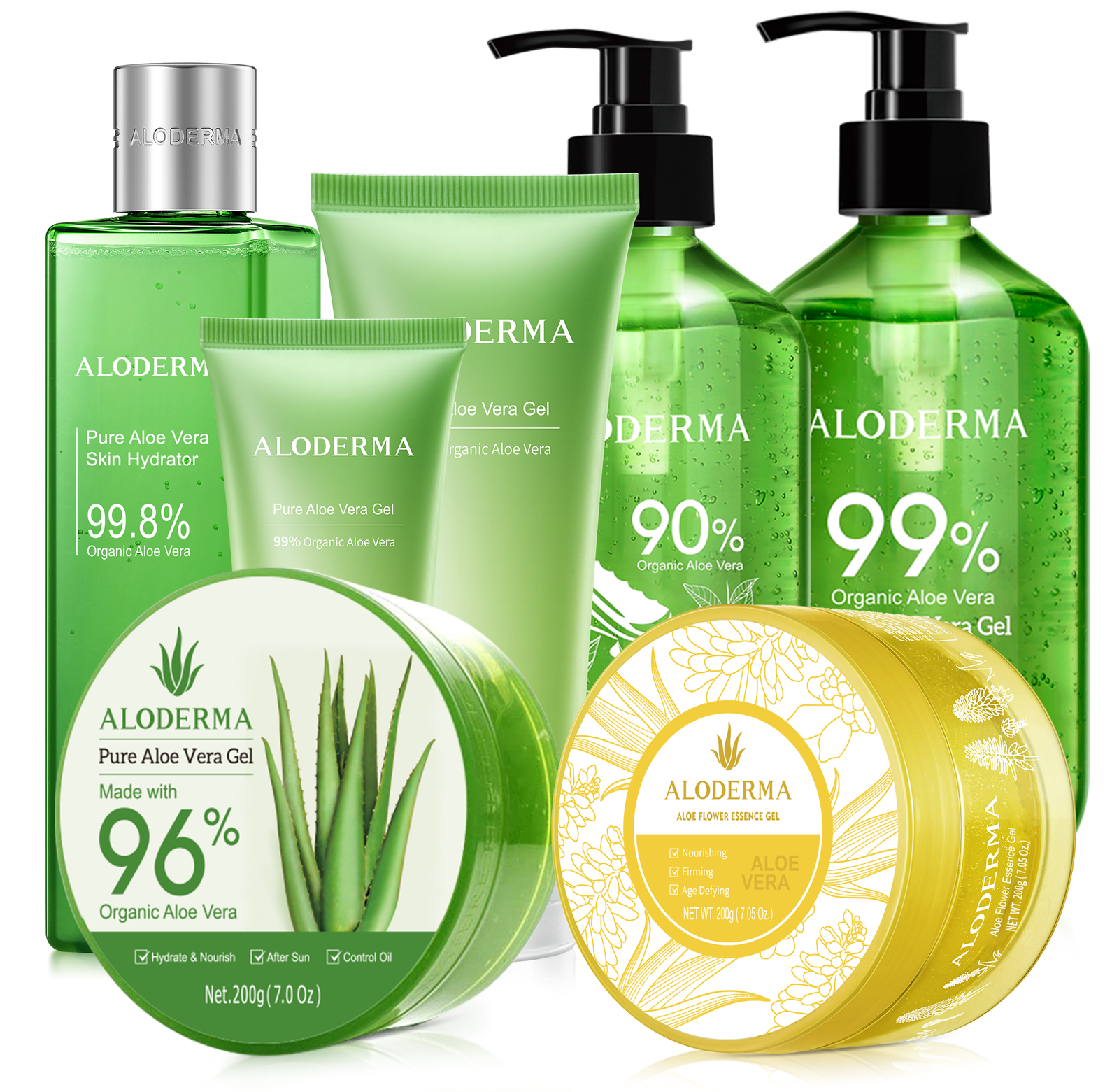
That's where ALODERMA stands out. The brand is fully vertically integrated, grows its own organic aloe vera, and processes and manufactures onsite within 12 hours of harvest so the aloe in every product stays as bioactive and effective as possible. That farm-to-skin timing is the essence, because freshness matters when aloe is the primary ingredient.
Why fresh aloe feels different
Freshly processed aloe is lightweight, fast to apply, and easy to layer under other moisturizers. That's useful if you want hydration without a greasy finish. It also makes routine care feel simple, which helps people stick with it.
For a closer look at how aloe can fit into a daily routine, this Aloderma guide to using aloe vera for skin is worth reading. The difference between a generic gel and a farm-fresh aloe formula is not just marketing language, it's about how much of the plant's natural character is preserved before it ever reaches your skin.
Here's a simple comparison.
| Feature | Cocoa Butter | ALODERMA Fresh Aloe Vera |
|---|---|---|
| Texture | Rich and occlusive | Lightweight and fast-absorbing |
| Best use | Surface comfort and dryness relief | Daily hydration and skin comfort |
| Feel on skin | Heavier, more buttery | Fresh, clean, and cooling |
| Routine fit | Good for thicker body care | Easy for everyday layering |
Aloe won't make stretch marks disappear either, but it can be a smarter choice when what you want most is comfortable, hydrated skin.
How to Use Moisturizers for Maximum Skin Comfort
A good moisturizing routine works best when you treat it like care, not correction. The goal is to help skin feel softer and less tight, especially after bathing or showering when moisture can leave the skin more easily. That's a simple habit, but it changes how the product performs.
A few small moves make a real difference
Apply moisturizer to slightly damp skin right after a shower. That helps trap some of the surface moisture already there and can make the skin feel less dry through the day. Use gentle, circular motions instead of rushing the application, because the routine itself can feel grounding and more comfortable.
If you want a lighter daily option, an aloe-based lotion can work well. For richer body care, a cream can be a better fit when your skin feels especially dry or stretched. The right choice is the one you'll use consistently.
A few readers also like to build a two-step routine, using a lightweight hydrator first and a more emollient product on top when needed. For more practical ideas on building that kind of routine, this aloe hydration guide is helpful.
Simple habit: Apply after bathing, massage gently, and keep the routine consistent. Skin comfort usually responds better to regular care than to occasional over-application.
For product exploration, the Aloe Firming Cream suits people who want a fuller body-care texture, while the Aloe Hydrating Moisturizer is better for a lighter feel. You can also browse the broader ALODERMA lineup at aloderma.com. The best routine is the one that leaves your skin calm enough that you don't have to think about it all day.
When to Consider Professional Guidance
Topical care can do a lot for comfort, but it usually won't dramatically change the look of existing stretch marks. If that's the outcome you're hoping for, a dermatologist can talk through options such as laser treatments or microneedling and explain what may be realistic for your skin. A clear overview of those approaches is available in Skinsation Aesthetic Solutions' stretch-mark laser guide.
That doesn't mean daily moisturizing is pointless. It means you're using it for the right purpose, which is skin wellness, not a miracle fix. Good body care can make skin feel supported and more comfortable while professional treatments address appearance more directly.
The most helpful mindset is also the simplest. Nourish your skin, respect what it's doing, and don't let marketing turn a moisturizer into a promise it can't keep. When you choose products that focus on freshness, transparency, and comfort, you're taking care of your skin in a way that makes sense.
A CTA for ALODERMA.