







43.58% reduction in acne, 44.85% reduction in acne spots, and 46.06% reduction in post-inflammatory hyperpigmentation are what a well-chosen face cleanser for oily skin can deliver in a clinical setting, alongside an 84.27% increase in skin radiance, without serious adverse events. The right cleanser takes off excess sebum and daily buildup without leaving skin tight or triggering rebound shine.
That balance is often overlooked. They buy the harshest wash on the shelf, get that squeaky-clean finish, then wonder why their face feels oilier by lunch and more reactive by night. A better cleanser does a harder job with a calmer finish, and that's the standard worth holding.
The Real Goal of Cleansing Oily Skin
You know the scene. You're standing in the cleanser aisle, your forehead is already glossy by mid-afternoon, and every bottle promises to “deep clean” like that's automatically a good thing. It isn't. For oily skin, the main job is to remove sebum, sweat, sunscreen, pollution, and makeup without leaving the skin stripped or tense.
A cleanser that works gives you a clean surface and a comfortable feel. It shouldn't leave that dry, squeaky sensation people often mistake for success. In practice, that sensation usually means the cleanser has gone too far and taken the skin's comfort with it, which makes long-term oil control harder, not easier.
Practical rule: if your face feels tight within minutes of rinsing, the cleanser is not doing you a favor, even if it looks “strong.”
A good face cleanser for oily skin changes the rest of the routine. Sunscreen sits better, moisturizer absorbs more cleanly, and makeup doesn't slide around as fast. That's why cleansing is the foundation step, not a throwaway rinse before the “real” products.
Clinical data backs that up. In one daily cleanser study, patients with oily or mixed skin saw measurable improvements in acne, spots, and radiance, with 337 patients with oily skin and 264 with mixed skin rating results as good to excellent in several visible categories, all while the cleanser remained well tolerated (clinical study). That's the standard. Not just cleaner skin, but skin that stays calm enough to use the cleanser every day.
If your current wash leaves you feeling polished for ten minutes and miserable by noon, it's the wrong bottle. A better one leaves the face looking cleaner, feeling softer, and behaving more predictably through the day. For a broader oily-skin framework, see the oily skin care routine guide.
What Oily Skin Actually Needs From a Cleanser

Oily skin is asking for three things at once. It wants sebum regulation, pore decongestion, and barrier support. Ignore any one of those, and you usually get the same bad outcome, skin that feels either greasy, stripped, or both.
Read the skin, not the marketing
The signs are plain if you pay attention. Shine that comes back quickly after washing, makeup that breaks apart around the nose, and pores that look more obvious by midday usually point to excess surface oil. But oily skin can still feel dehydrated, which is why the face can look slick and still sting after cleansing.
Balanced oily skin feels clean after rinsing and stays comfortable for hours. Stressed oily skin feels tight right away, then gets shinier fast as the skin tries to recover. That's the trap. People see the shine and reach for a harsher cleanser, which often makes the cycle worse.
A useful test is simple. After washing, wait a bit before adding anything else and notice whether your skin feels calm or tense. If it feels calm, you're close. If it feels squeaky, itchy, or strangely hollow, the cleanser is overdoing it.
Oily skin doesn't need punishment. It needs control without a comfort penalty.
That's why a cleanser has to do more than lift oil off the surface. It has to remove what belongs off the skin while preserving what the skin still needs to function normally. That's the difference between a routine you can keep and one you abandon after two weeks.
Gel, Foaming, Micellar, and Clay Cleansers Compared

The format matters as much as the formula. Some cleansers are built for daily balance, others for a stronger clean, and a few are better as backup tools than as your main wash. If you've been choosing by texture alone, that's usually why the routine feels off.
Cleanser formats for oily skin
| Format | Oil Removal | Comfort After Rinse | Best Use Case |
|---|---|---|---|
| Gel | Strong but usually balanced | Usually comfortable if the formula is mild | Daily morning and evening cleansing |
| Foaming | Thorough and fast | Can feel drier if surfactants are aggressive | Oily skin that likes a very clean finish |
| Micellar | Light to moderate | Very comfortable | First cleanse, travel, gym bag, quick refresh |
| Clay | Moderate with absorbent feel | Can feel more drying if overused | Occasional reset for congested, slick-feeling skin |
Gel cleansers are the workhorses. They're lightweight, easy to rinse, and usually the safest starting point if you want control without a stripped feel. Foaming cleansers can be excellent too, but they need a careful formula because the satisfying lather can hide a harsh surfactant system.
Micellar water is different. It's best when you need a no-rinse first step or a fast cleanse after a workout, not when you need a full wash to clear heavy sunscreen or makeup. Clay cleansers sit at the other end. They can be useful when skin feels congested, but they're not the everyday answer for everyone with oily skin.
The cleanest advice is this. Use gel when you want the best mix of daily comfort and oil control, use foaming when your skin tolerates it well, use micellar as a helper, and keep clay for occasional use. A cleanser should match the moment, not become a ritual you force on every morning and evening.
Ingredients That Help and Ingredients to Avoid
The ingredient list tells you more than the front label ever will. A good face cleanser for oily skin usually combines a mild surfactant system with humectants and barrier-support ingredients, not harsh detergent power alone. That's how it removes sebum without making the skin feel punished.
What earns a place in the bottle
Salicylic acid is the most useful active to look for if your skin is oily and breakout-prone. It's oil-soluble, so it can work where sebum collects, and concentrations like 0.5% are common in oil-control cleansers (Dermalogica product context). Pairing that with zinc, glycerin, panthenol, or niacinamide usually makes the cleanser easier to live with.
Humectants matter more than people think. Glycerin and hyaluronic acid help the post-wash feel stay comfortable, which matters if your skin gets oily but still feels tight after cleansing. That's not a contradiction. It's a sign that your skin needs balance, not more stripping.
A gentle aloe-forward cleanser fits naturally here too. For readers who want a lighter, comfort-first option, the ingredient logic is simple, cleanse well, keep the barrier calmer, and don't add unnecessary roughness. You can review ingredient details on the brand's own best ingredients for oily skin guide, then compare the label to how your skin behaves.
What usually backfires
Skip harsh sulfate surfactants if your skin already feels reactive after washing. Strong physical scrubs are another bad idea for daily use, because oily skin does not need abrasion to be clean. Heavy fragrance is a frequent problem too, especially when the goal is a cleanser you can use consistently.
The same goes for formulas that leave your face feeling polished in a bad way. If your skin gets tight, red-looking, or rough after cleansing, that's a sign to step down, not push through. An oily face can still be sensitive, and a cleanser that ignores that reality will eventually get rejected by your skin.
How Often to Cleanse and When to Double Cleanse
Twice a day is the clean baseline for most oily skin. Morning washing clears overnight buildup and gets the face ready for sunscreen and moisturizer. Evening washing removes the day, which is the part that matters if you wear SPF, makeup, or spend time in polluted air.
Shorter is better than harder. A 30 to 60 second cleanse is usually enough, and recent expert guidance also warns that long wash sessions can strip the barrier. Hot water doesn't help either. Lukewarm water cleans without pushing the skin into defensive mode.
Clean enough to remove buildup, short enough to keep comfort intact.
Double cleansing is not a moral upgrade, it's a tool. If you wear makeup or heavy sunscreen, use an oil-based first cleanse or micellar step, then follow with a water-based cleanser. If you only had sebum and light daytime exposure to remove, one good cleanse is usually enough.
For practical routine-building outside of skincare hype, the skincare routine tips collection from EradiTatt Tattoo Removal is a useful reference point because it reinforces the same rule, consistency beats aggression. That idea matters here too. Oily skin does better with a routine it can tolerate every day than with a dramatic cleanse you can't keep up.
Why Gentle Aloe-Based Cleansers Belong in an Oily Skin Routine
The instinct to reach for a stronger cleanser shows up fast, especially when skin looks shiny by midday. Oily skin does not need punishment. It needs a cleanser that lifts away excess oil and leaves the face comfortable enough that you can use it consistently.
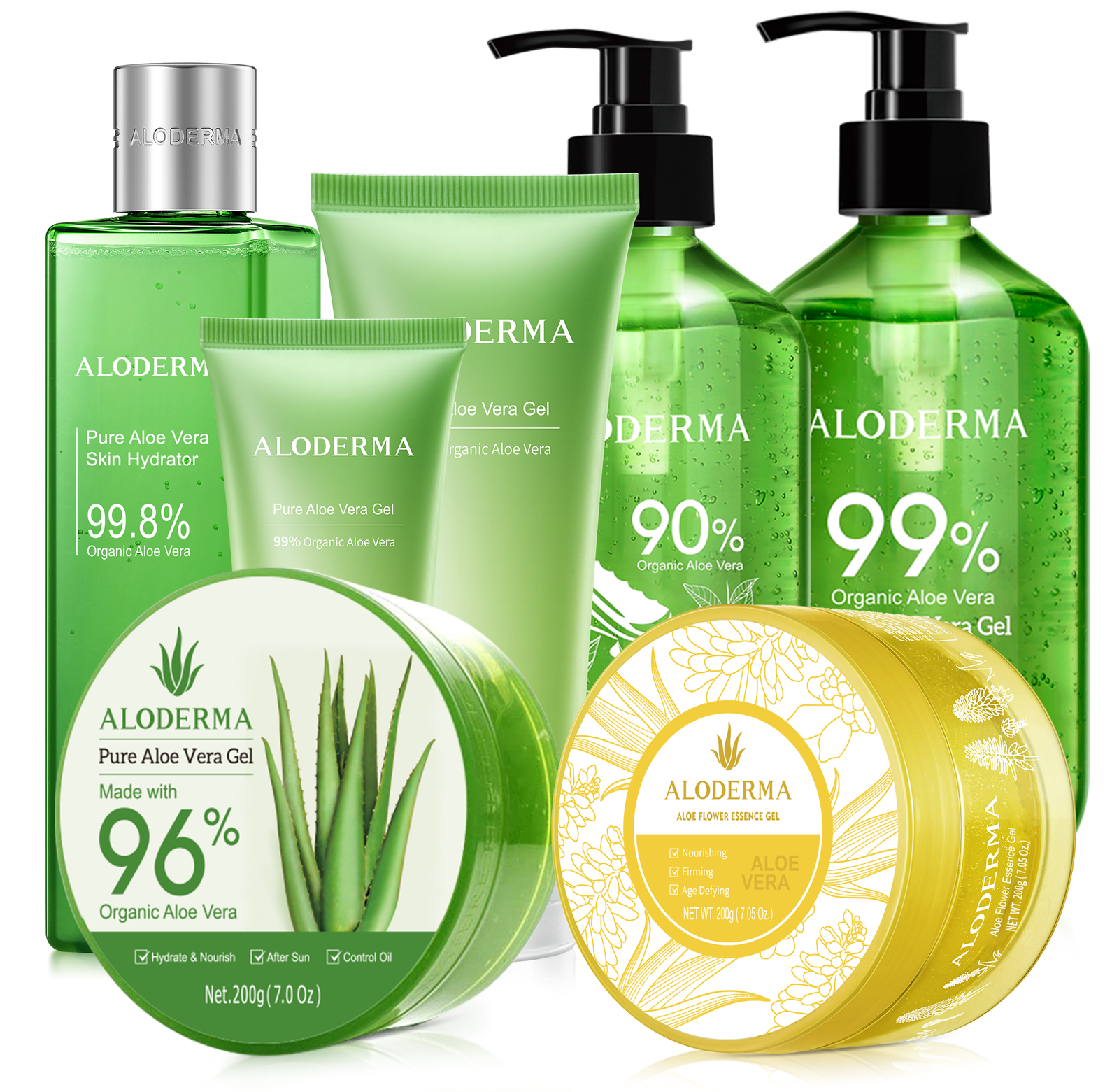
Aloe-forward formulas fit that job well. Aloderma is a fully vertically integrated aloe vera company, and it grows its own organic aloe vera, processes it, and manufactures onsite within 12 hours of harvest, so the primary ingredient in every product stays as bioactive as possible. That matters more than marketing language because freshness changes how the aloe reads on skin. Learn more about why aloe is effective for oily skin in our aloe vera for oily skin guide.
That kind of cleanser works well for oily skin that also stings, flakes, or feels tight after washing. It gives you a clean finish without the harsh after-feel that pushes people toward over-washing or abandoning the routine entirely. Aloderma's formulas are built around lightweight, naturally derived ingredients, so they suit readers who want oil control without a heavy residue.
What to look for on the label
Keep the texture light and the ingredient list straightforward. An aloe gel cleanser or a daily cleanser with aloe as the base can work well if your skin reacts badly to that squeaky-clean feeling. The test is simple. Your face should feel clean, calm, and ready for the rest of your routine, not tight or stripped.
ALODERMA also offers an Oil Controlling Facial Cleanser and an Aloe Hydrating Cleanser that remove dirt, oil, and impurities while staying suitable for oily skin. Check the product pages and ingredient lists on aloderma.com before you buy, because that tells you more than a slogan ever will. If your skin needs less friction and more comfort, that is the cleaner choice than chasing the strongest active every time.
The point is not to avoid actives forever. It is to stop treating oily skin like it deserves a rough finish. A gentle aloe cleanser can be the daily base that keeps oil in check without making the skin resent the routine.
Seasonal Adjustments and Troubleshooting Oily Skin Routines
Oily skin changes with the weather, and your cleanser should too. A bottle that feels perfect in humid weather can feel too much in a dry apartment with winter heat blasting all day. That's not inconsistency, it's skin responding to its environment.

What to change when the weather shifts
In warmer months, a gel or foaming cleanser usually feels better because the skin already produces more surface shine. In drier months, a cleanser with a more cushioning feel often works better, especially if your skin starts to feel tight after washing. If you notice flaking around the nose or chin, that's a sign to ease off, not scrub harder.
Clay-based cleansers belong in the “sometimes” category. Use them for an occasional reset when your face feels heavy or congested, not as your default every day. If your cleanser seems to work for a week and then starts causing discomfort, the issue may be overuse, not the brand itself.
Troubleshooting the common complaints
If sunscreen pills, the cleanser may be leaving residue or you may be layering too fast afterward. If skin feels stripped after a workout, rinse sooner and switch to a gentler wash. If breakouts suddenly worsen after a product change, the cleanser deserves a hard look before you blame the rest of the routine.
Keep this rule in mind. Tightness, flaking, and fast rebound shine are not signs of “deep cleaning.” They're the skin telling you the cleanser is too strong or too frequent. A workable routine is the one that survives both summer humidity and winter dryness without making your face feel like it's under attack.
If you want a cleaner starting point, visit ALODERMA and look at the aloe-first cleansers, ingredient details, and routine-friendly formats. That's the fastest way to match a face cleanser for oily skin to how your skin behaves, not just how marketing says it should behave.