







You're probably here because coconut oil has given you whiplash.
One person swears it made their skin feel soft and calm. Another says it sat on top of the skin, felt heavy, and led to clogged pores. Then you spot fractionated coconut oil on an ingredient list and wonder whether it's just a prettier name for the same thing.
That confusion makes sense. In skin care, “coconut oil” gets used like one single category, when it's really more nuanced than that. For many people, the version that works best isn't the thick, traditional jar in the kitchen. It's the lighter, refined version that behaves very differently on skin.
If you've wanted the slip and softness of coconut oil without the waxy feel, fractionated coconut oil skin care is usually where the conversation gets clearer.
The Coconut Oil Paradox
Maya had two jars on her bathroom shelf. One was virgin coconut oil she'd bought after hearing it was a natural beauty staple. The other was a lightweight body oil blend that listed fractionated coconut oil near the top. She assumed they'd act the same.
They didn't.
The virgin coconut oil felt rich at first, but on her face it was too much. By morning, her skin felt coated. The lighter oil blend, though, sank in quickly and left a smooth finish that didn't feel slick. That's the paradox people keep running into. Coconut oil can feel nourishing or overwhelming, depending on which form you're using.
The mistake isn't believing coconut oil can help skin. The mistake is assuming every coconut-derived oil behaves the same way.
Most of the mixed advice online comes from lumping virgin coconut oil and fractionated coconut oil into one bucket.
That's why fractionated coconut oil has become such a useful option in modern formulas. It gives you the glide, softness, and flexibility people want from an oil, but without the dense, buttery character that makes regular coconut oil feel too heavy for many routines.
Why this matters in real life
If your skin gets dry after cleansing, you may want something that seals in moisture without making sunscreen pill. If you shave your legs and want a silky finish that won't stain your sheets, texture matters. If you like aloe gel but find it dries down too fast on its own, pairing it with the right oil can make the whole routine feel better.
Those are the moments where fractionated coconut oil skin care makes sense. Not as a miracle ingredient. Not as a cure-all. Just as a smart, elegant support ingredient that helps a routine feel comfortable and usable.
What Is Fractionated Coconut Oil
Think of fractionation like separating out the heavier parts of an ingredient so you're left with the lightest, smoothest portion. A simple analogy is skimming: you start with whole coconut oil, then refine it so the parts that make it heavier and more likely to solidify are removed.
According to MedicineNet's explanation of fractionated coconut oil, fractionated coconut oil is produced by heating crude coconut oil above its boiling point of approximately 78°F (25.6°C), a process that eliminates lauric acid and long-chain fatty acids, leaving only medium-chain triglycerides such as caprylic acid (C8) and capric acid (C10). That's why it stays liquid and doesn't leave the same greasy film associated with crude oils.
What changes after fractionation
Once those heavier fatty acids are removed, the oil feels very different on skin.
- It stays liquid because the components that normally make coconut oil solid at cooler temperatures are no longer there.
- It becomes odorless and clear rather than smelling distinctly coconut-like.
- It feels lighter because it doesn't have the same dense, coating quality as virgin coconut oil.
- It works well in blends because it doesn't compete much with other ingredients in texture or scent.
Many readers find this confusing. They hear “coconut oil” and expect the tropical smell and thick balm texture. Fractionated coconut oil usually gives you neither. It's more like a silky neutral base.
Fractionated vs. Virgin Coconut Oil at a Glance
| Feature | Fractionated Coconut Oil | Virgin Coconut Oil |
|---|---|---|
| Texture | Lightweight, silky, non-greasy feel | Richer, heavier feel |
| State at cooler temperatures | Permanently liquid | Typically turns solid below 76°F (24°C) |
| Composition | Medium-chain triglycerides, especially caprylic acid (C8) and capric acid (C10) | Full spectrum of fatty acids including lauric acid and other longer-chain fatty acids |
| Scent | Odorless | Distinct coconut scent |
| Finish on skin | Quick-absorbing, velvety | More occlusive, more residue-prone |
| Pore-clogging potential | Lower than virgin coconut oil | Higher than fractionated coconut oil |
| Shelf stability | Very stable | Less stable by comparison |
Why skin care brands use it
A good skin care base has to do more than sound natural. It has to spread well, sit nicely under other products, and stay consistent over time. Fractionated coconut oil checks those boxes because it's easy to formulate with and pleasant to apply.
A brand may choose it for a body oil, cleansing oil, serum, or massage blend because it helps create a soft finish without the waxy drag of heavier oils. In other words, it often plays a texture role as much as a skin-feel role.
Practical rule: If you want the idea of coconut oil, but not the solidity, strong scent, or heavy afterfeel, fractionated coconut oil is the version to look for.
For anyone building a routine around comfort, layering, and simplicity, that distinction matters a lot.
The Gentle Benefits for Your Skin
The strongest case for fractionated coconut oil skin care isn't that it's the hero of the formula. It's that it makes other good ingredients easier to use.

It softens without the weight
Some oils announce themselves the moment you put them on. They shine, sit, and keep reminding you they're there. Fractionated coconut oil usually does the opposite. It spreads easily, reduces that tight post-cleansing feeling, and leaves a more velvety finish than a glossy one.
That makes it useful on places where heavy oils can feel like too much, such as the chest, shoulders, arms, or even over damp skin after a shower.
A practical example: if you apply a water-based hydrator and your skin feels comfortable for only a few minutes, a thin layer of fractionated coconut oil on top can help hold that softness in place. The result isn't dramatic or flashy. It's just more comfortable skin.
It works best as a carrier
This is the part many articles skip. Fractionated coconut oil often performs best as a carrier oil, not as the star active in your routine.
The nuance matters. A carrier oil's job is to dilute, cushion, and support. It gives slip to stronger ingredients, improves the feel of blends, and helps a formula spread evenly across skin. That's why it shows up so often in massage oils, body oils, and lightweight serums.
Quinessence's discussion of fractionated coconut oil notes that removing the heavier fatty acids leaves an ultralight oil that absorbs quickly and leaves a velvety texture. That's exactly why it pairs so well with humectant-rich, water-based products.
The best way to think about fractionated coconut oil is as the quiet ingredient that helps a formula feel better and perform more elegantly.
Where it fits best
- After showering when your skin is still slightly damp
- Over aloe or gel textures that need a sealing layer
- In body care blends where you want slip without a greasy film
- As a base for facial massage when you want glide that doesn't feel thick
That “team player” role is what makes it so useful. It doesn't need to do everything. It just needs to help the rest of your routine work more smoothly.
Is Fractionated Coconut Oil Right for Your Skin
The biggest question is usually simple: will this clog my pores?
The short answer is that fractionated coconut oil tends to be a better option than virgin coconut oil if you're worried about that. According to Osmia's clinical overview of coconut oil on skin, fractionated coconut oil is rated 2–3 on the comedogenicity scale, making it significantly less likely to cause breakouts compared to virgin coconut oil. The same source notes that its value lies in helping repair the skin barrier and prevent water loss without the high risk of milia or breakouts.

What a 2–3 rating actually means
A comedogenic rating isn't a promise. It's a clue.
A 2–3 rating suggests many people can use it comfortably, but it's not a universal fit for every face in every routine. Skin is personal. The same product that feels silky and easy on one person can feel like too much on someone else, especially if they already use rich creams, multiple oils, or heavy sunscreen.
That's why application style matters just as much as the ingredient itself.
- Use a small amount if you're trying it on the face.
- Apply to damp skin rather than dry skin for a lighter feel.
- Patch test first if your skin reacts easily to oils.
- Try it on the body before the face if you're unsure.
Best fits by skin type
Sensitive-feeling skin
Fractionated coconut oil is often appealing here because it's simple, light, and free of the heavy fragrance profile people associate with regular coconut oil. If your skin likes fewer moving parts, a minimal formula built around hydration plus a light sealing oil can feel more predictable.
Oily or blemish-prone skin
This is where expectations matter most. Fractionated coconut oil isn't a treatment ingredient. It won't act like an exfoliant or a targeted clarifier. But it can still be useful if your skin needs hydration support without the denser feel of richer oils.
That's part of why people exploring professional skincare solutions often end up thinking more carefully about support ingredients, not just actives. A formula can contain strong ingredients, but if the base feels suffocating, you probably won't use it consistently.
Dry skin
Dry skin can enjoy fractionated coconut oil too, especially layered over a water-based product. On its own, though, some people with very dry skin may still prefer a richer cream or balm at night.
If your skin wants comfort but hates heaviness, fractionated coconut oil often lands in the sweet spot.
If you're comparing lightweight oils, this guide to castor oil and jojoba oil is also useful because texture differences matter just as much as ingredient reputation.
Create Your Own Fresh Aloe Hydration Boost
The smartest way to use fractionated coconut oil is to stop asking it to be the whole routine. Its best role is support.
Why aloe and fractionated coconut oil work well together
Aloe brings the fresh, water-based side of hydration. Fractionated coconut oil brings the slip and sealing support that helps that hydration feel lasting and comfortable. One gives the drink of water. The other helps keep that comfort from disappearing too quickly.
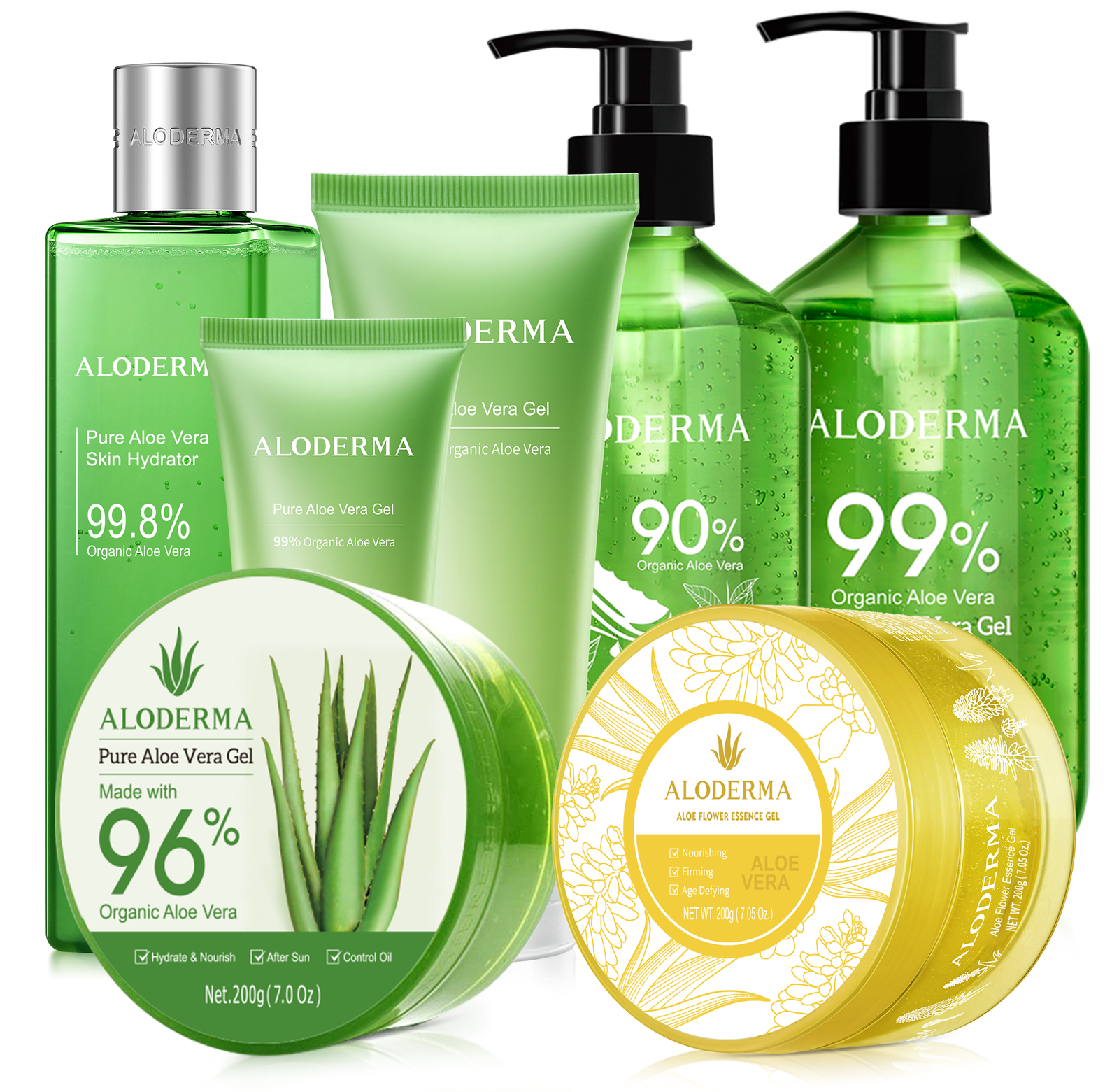
This pairing is especially compelling when the aloe itself is fresh and carefully handled. Aloderma is a fully vertically integrated aloe vera company. We grow all of our own organic aloe vera, and we process our aloe vera and manufacture onsite within 12 hours of harvest to ensure the primary ingredient found in every one of our products is the most bioactive and effective aloe vera possible.
That freshness matters because aloe is most appealing when it feels active, juicy, and alive on skin, not like an afterthought hidden in a long ingredient list.
Blend 1 for dewy skin
Start with a simple palmful of Pure Aloe Vera Gel. Add a few drops of fractionated coconut oil in your hand, then smooth the mix over damp skin.
Why this works: the gel delivers the light hydration. The oil adds softness and helps reduce that quick-drying, almost too-tight finish that some gels can leave behind on their own.
Simple test: If your aloe gel feels nice for five minutes and then disappears, try layering it with fractionated coconut oil before giving up on aloe altogether.
For readers who enjoy kitchen-beauty style ingredient education, this article on how to prepare aloe vera adds helpful context on what fresh aloe is like before it ever becomes a finished formula.
Blend 2 for silky body care
Mist skin lightly with Aloe Hydrating Toner, then press a small amount of fractionated coconut oil on top.
This works well on arms, legs, and shoulders after a shower. The toner gives the refreshing, just-cleansed skin a quick layer of hydration. The oil turns that into a softer, smoother finish that still feels light enough for daytime.
Here's a quick visual guide if you like seeing skin care texture in action before trying it yourself.
Blend 3 for a cushiony night layer
Mix a little Aloe Vera Gel with fractionated coconut oil and apply it to drier areas like elbows, knees, hands, or around the body where skin tends to feel rough by bedtime.
This isn't about making a complicated formula at home. It's about improving feel. The aloe adds freshness and hydration. The oil adds glide and a smoother finish. Together, they create something that feels more complete than either product does alone.
That's a key lesson with fractionated coconut oil skin care. It shines when it's paired with ingredients that bring something active and water-rich to the routine.
How to Choose and Store Your Oil
Buying fractionated coconut oil shouldn't feel mysterious. The label usually tells you what you need to know if you know where to look.
Draxe's overview of fractionated coconut oil notes that the fractionation process extends shelf life by removing fatty acids prone to oxidation and leaving stable medium-chain triglycerides. That stability is one reason so many people keep it around as a multi-use staple.
What to look for on the bottle
- Check the ingredient name. Labels such as “Caprylic/Capric Triglyceride” or wording that clearly identifies fractionated coconut oil usually point you in the right direction.
- Choose a simple formula if your goal is blending or layering. Fewer extras often means fewer surprises.
- Look for protective packaging. A dark bottle is a good sign because it helps protect the oil from light exposure.
- Notice texture claims. If the product promises a clear, odorless, always-liquid oil, that aligns with what fractionation is supposed to create.
How to store it well
Keep the bottle tightly closed and store it somewhere cool and dry, like a bathroom cabinet or drawer rather than a sunny windowsill. Because it's stable, it's much less fussy than many botanical oils, which is part of its charm.
If you enjoy comparing lightweight oils for body care, this guide to grapeseed massage oil can help you decide which skin feel you prefer.
A practical bonus is that fractionated coconut oil usually stays pleasant to use over time. You don't have to worry about it turning solid in cool rooms or behaving differently from season to season.
Frequently Asked Questions
Can I use fractionated coconut oil on my hair
Yes. It's often used as a lightweight smoothing oil for shine and frizz control. It can also work as a short pre-wash treatment if you want softness without the heavy feel of regular coconut oil.
Is fractionated coconut oil the same as MCT oil
They're closely related, and many people use the terms interchangeably in skin care conversations. In practice, what matters most is the label and intended use. For topical use, look for a product clearly sold for cosmetic or personal care application.
Is it good for oil cleansing
It can be. Its slip makes it a nice first cleanse step, especially if you prefer a lighter oil texture. If you try it, follow with a gentle cleanser so your skin doesn't feel coated afterward.
Should I use it alone or layer it
Layering usually gives better results. Fractionated coconut oil works best when it supports something water-based, such as aloe gel, toner, or a hydrating serum.
What's the biggest mistake people make with it
Treating it like a miracle active. It's better viewed as a support ingredient that improves texture, comfort, and delivery.
If you want to pair a lightweight carrier oil with fresh aloe-based hydration, explore ALODERMA. Aloderma is a fully vertically integrated aloe vera company that grows its own organic aloe vera and processes and manufactures onsite within 12 hours of harvest, helping ensure the primary ingredient in every product is as bioactive and effective as possible. That farm-to-skin approach makes it easier to build simple routines around fresh aloe gels, toners, and moisturizers that feel light, comfortable, and easy to use every day.