







You've had a long day, your skin feels coated with sunscreen, sweat, and city dust, and you want a routine that takes less than a minute. In the morning, you may need the same quick reset before moisturizer and sunscreen. The right aloe vera cleanser can make cleansing feel simple, comfortable, and effective without turning your routine into a project.
Aloe vera cleansers are rinse-off products designed to lift everyday oil and impurities while leaving skin feeling fresh. Their appeal comes from a combination of light cleansing, skin-compatible formulation, and aloe-based hydration. For background on how aloe is grown and cared for before it becomes a skincare ingredient, The Cactus Outlet plant care guide offers useful context.
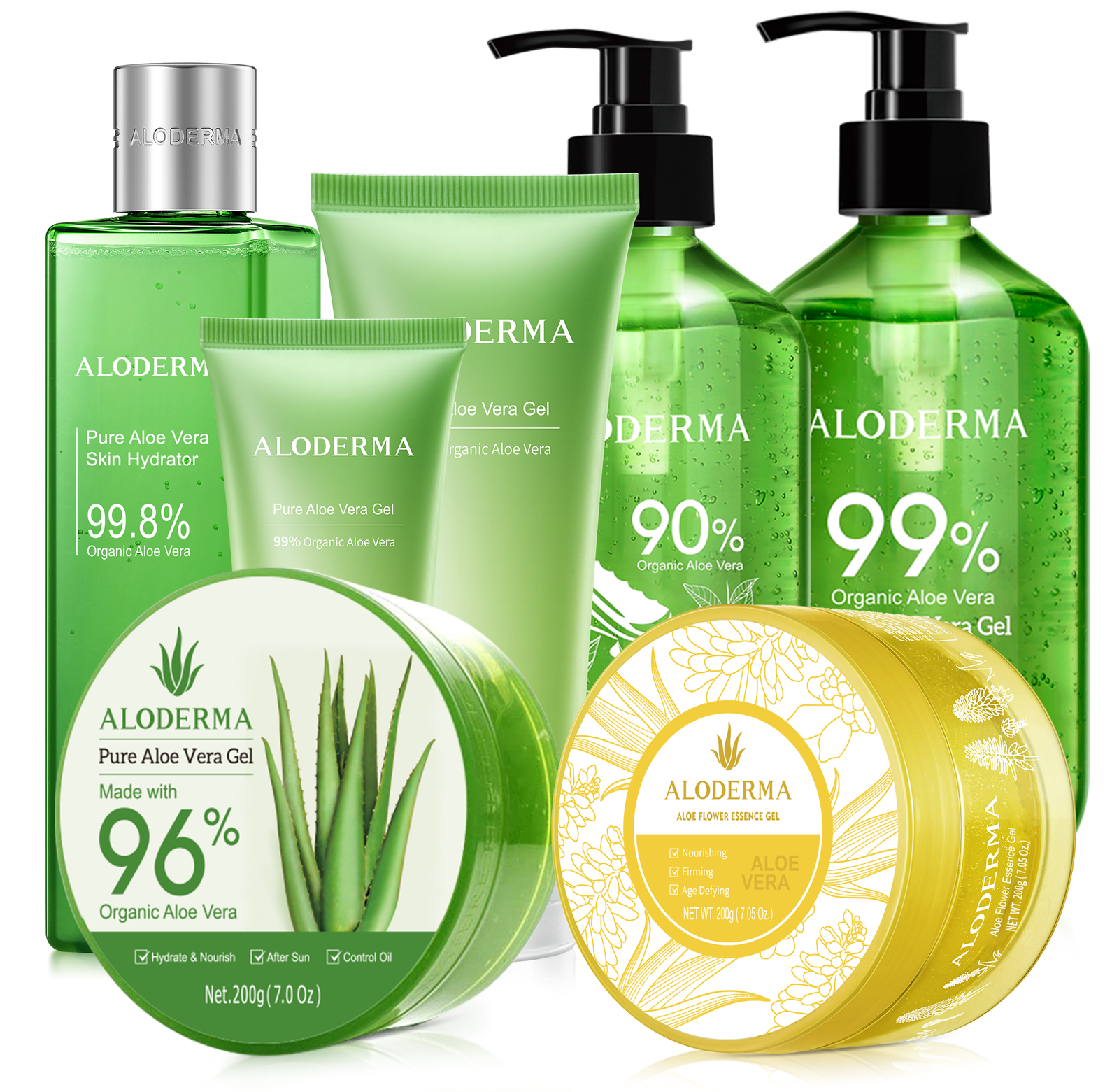
ALODERMA takes a farm-to-skin approach as a fully vertically integrated aloe vera company. The company grows its own organic aloe vera, processes it, and manufactures onsite within 12 hours of harvest. That short interval is intended to help ensure that the primary ingredient in every product remains as fresh, bioactive, and effective as possible, a freshness principle also discussed by the International Aloe Science Council.
A well-planned routine doesn't rely on cleanser alone. The practical details matter, including water temperature, contact time, hand pressure, rinse quality, and what you apply afterward. You'll find more background on aloe vera skincare benefits, but the central habit is straightforward: cleanse gently, rinse completely, and moisturize while the skin still feels comfortable.
Introduction to Aloe Vera Cleanser Benefits
After a workout, a long day outdoors, or a rushed evening, your cleanser should remove buildup without leaving your face tight, hot, or squeaky. Aloe vera cleansers are often suited to daily use because they target surface dirt and oil while keeping the cleansing step comfortable. That balance matters for anyone who wants a routine they can repeat without making skin feel stripped.
The aloe source and processing method still deserve attention. ALODERMA follows a vertically integrated model, growing organic aloe vera and processing it onsite within 12 hours of harvest. The stated aim is to retain fresh, highly bioactive aloe as the primary ingredient. For shoppers, that creates practical questions beyond the word “aloe” on a label: where was the plant grown, how quickly was it processed, and which cleansing or fragrance ingredients accompany it? The The Cactus Outlet plant care guide provides useful background on how aloe is grown and cared for before it becomes a skincare ingredient.
The Aloe Hydrating Cleanser lists organic aloe barbadensis leaf juice with mild cleansing ingredients such as potassium cocoyl glycinate, lauryl hydroxysultaine, and sodium lauryl glucose carboxylate. It also contains botanically derived mandarin orange, bergamot, castor, cedarwood, and patchouli oils. Review the full ingredient list if your skin reacts to fragrance components, and use the guidance on aloe vera skincare benefits when deciding how this cleanser fits into your routine.
Step-by-Step Guide to Using Aloe Vera Cleanser
The best method is short and consistent. You don't need a brush, a rough cloth, or a long massage to get a clean finish.
Start with lukewarm water
Wet your face with lukewarm water, not very hot water. Hot water can make cleansing feel more thorough, but it can also leave dry or reactive skin feeling uncomfortable. Lukewarm water softens surface residue and gives the cleanser an even base.
Use a small amount
Place a small amount of cleanser into very wet hands and work it between your palms. A dime-size amount is a practical starting point, matching the type of application described by Key West Aloe's facial cleanser directions. More product doesn't automatically mean a better cleanse. Excess cleanser can take longer to rinse and may encourage you to rub harder.
Massage with your fingertips
Apply the lather to your damp face and neck. Use clean fingertips and gentle circular movements for about 20 to 30 seconds, paying attention to the sides of the nose, hairline, jaw, and under the chin. These areas often collect sunscreen, sebum, and makeup residue, but they don't need force.
Practical rule: Your fingertips should glide. If your skin feels pulled by the massage, add water rather than pressure.
Rinse and pat dry
Rinse thoroughly with lukewarm water until no slippery film remains around the nose, jaw, or hairline. Pat your face dry with a clean, soft towel instead of dragging the fabric across the skin. Apply moisturizer while the skin still feels comfortable, then use sunscreen in the morning.
The exact routine can be adjusted by tolerance. Many people use a cleanser morning and night, while someone with particularly reactive skin may begin once daily and increase only if the skin remains comfortable. A gentle cleanser guide can help you assess the difference between effective cleansing and the stripped feeling that follows too much washing.
If your evening face has waterproof sunscreen or long-wear makeup on it, one pass may not be enough. A gentle aloe cleanser may work well for a light morning cleanse, but heavy products can require an oil or balm step first, followed by a thorough cleanser rinse. For broader routine ideas, Finding Favourites' skincare routine roundup is a helpful reference.
Customizing Your Cleansing Routine for Different Skin Types
The right frequency depends less on a label such as “normal” or “dry” and more on how your skin feels after washing. Two people can use the same cleanser and need different schedules, contact times, or follow-up products.
Sensitive or reactive skin
Start with once-daily cleansing, preferably in the evening when you need to remove the day's sunscreen, oil, and environmental residue. If your skin stays comfortable, you can consider a morning cleanse later. A major retailer also recommends starting once daily for particularly sensitive skin and watching for irritation rather than automatically following a morning-and-night schedule, as explained in Burt's Bees sensitive-skin cleanser guidance.
Patch test a new formula before applying it broadly. Keep the massage brief, avoid washcloths and sponges, and apply a plain moisturizer after rinsing. If a cleanser stings repeatedly or leaves lasting tightness, reduce use or stop and reassess the formula.
Oily skin
Oily skin often benefits from consistent cleansing, but more friction isn't the answer. Use a small amount morning and night, rinse carefully, and resist the temptation to repeat the wash just because the finish doesn't feel completely matte.
A cleanser should remove excess surface oil while allowing your moisturizer to do its job. If your face feels polished but uncomfortable after washing, the formula, frequency, or water temperature may be working against you.
Blemish-prone skin
Blemish-prone skin usually responds better to gentle consistency than to aggressive scrubbing. Keep the cleanser as a short-contact rinse-off step and avoid rubbing individual areas repeatedly. If you also use strong leave-on products, a mild cleanser can help keep the rest of the routine manageable.
Dry skin may need only an evening cleanse, especially if the morning face feels clean and comfortable. Whatever your skin type, use the next morning's sunscreen as a separate step rather than expecting a cleanser to provide lasting protection.
Layering Aloe Vera Cleanser with Other ALODERMA Products
A clean, comfortable face is ready for the next layer. After rinsing the cleanser and patting your skin dry, apply products from the lightest texture to the richest. A practical sequence is cleanser, toner or mist, serum, moisturizer, and sunscreen in the morning. Allow each layer to settle briefly before applying the next.
For a lighter routine, follow the Aloe Hydrating Cleanser with an aloe-based toner or hydrator, then apply moisturizer. If washing leaves your skin dry, adding another cleanse or massaging longer will usually increase discomfort. Use the next layer to add hydration instead.
Your evening routine may include serum and cream, while a warm-weather morning may need only cleanser, hydrator, moisturizer, and sunscreen. Change one product at a time. Introducing cleanser, toner, and serum together makes it difficult to identify the cause of tightness or the product that improves comfort.
Review the correct order of application for skin care or ALODERMA's guide to what order skincare products should be applied when adjusting your sequence.
ALODERMA processes its aloe within 12 hours of harvest, supporting freshness and preserving its bioactive benefits. Its cleanser lists organic aloe barbadensis leaf juice, mild surfactants, and selected plant oils. Matching products from one brand can simplify routine testing, but your skin's tolerance remains the deciding factor. Patch-test new products and introduce them gradually, even when the ingredients look familiar.
Common Mistakes to Avoid When Using Aloe Vera Cleanser
The most common mistake is assuming that a tighter finish means a cleaner face. It doesn't. High-pH cleansers can contribute to stratum-corneum swelling and discomfort, while traditional soaps often sit around pH 8 to 10, compared with the skin-compatible cleanser benchmark of about pH 5.5 to 6.5 described in the aloe vera cleanser evaluation.
Avoid these habits:
- Scrubbing harder: Washcloths, sponges, and vigorous rubbing add friction without guaranteeing better cleansing.
- Washing repeatedly: A second pass is useful after heavy makeup or waterproof sunscreen, but unnecessary repetition can leave skin dry.
- Using very hot water: Warm water is sufficient. Hot water can make the face feel more stripped after washing.
- Skipping moisturizer: Aloe cleanser is rinse-off. Follow with moisturizer if your skin feels dry or tight.
- Ignoring tolerance: Twice-daily use suits some routines, but once-daily cleansing is a safer starting point for particularly sensitive skin.
A cleanser also shouldn't be left on like a treatment mask. Massage briefly, rinse fully, and stop using the product if persistent burning, spreading redness, swelling, or a worsening rash appears. A gentle formula still needs to suit your skin.
Conclusion - Embrace the Power of Fresh Aloe Vera
Learning how to use aloe vera cleanser comes down to a few dependable habits: lukewarm water, a small amount, gentle fingertips, short contact time, thorough rinsing, and moisturizer afterward. Adjust the schedule to your skin's comfort instead of treating “morning and night” as a rule that applies to everyone.
Freshness gives the aloe story a practical foundation. ALODERMA grows its own organic aloe vera as a fully vertically integrated company and processes the harvest onsite within 12 hours, with the goal of keeping bioactive aloe at the center of its formulas. That farm-to-skin approach, combined with ingredient transparency and a simple application method, gives you a clearer way to choose and use an aloe cleanser.
Start with one careful wash tonight. Notice how your skin feels after rinsing, then build the rest of your routine around comfort rather than friction or excess product.
Explore ALODERMA to find the Aloe Hydrating Cleanser and complementary aloe-based skincare for a simple daily routine. Choose the products that fit your skin's tolerance, layer them lightly after cleansing, and make fresh aloe vera part of a consistent care ritual.