







You buy a cream labelled “hydrating,” apply it after cleansing, and expect comfortable skin by morning. Instead, your cheeks feel tight, your nose stings, and small bumps appear where the formula seemed richest. That experience is frustrating, especially when the product was marketed for sensitive skin.
Choosing a hydrating cream for sensitive skin requires more than finding the words “gentle” or “fragrance-free” on the front label. You need to understand how the formula adds water, smooths the surface, slows water loss, and supports a reactive skin barrier without creating a long list of possible triggers. The guide below turns those jobs into practical label-reading and texture decisions.
What Hydrating Really Means for Sensitive Skin
Sensitive skin is common across markets, not a rare edge case. A 2020 systematic review found a pooled prevalence of 71% for self-reported sensitive skin in the general adult population, while 40% reported skin that was very or moderately sensitive, according to the systematic review of self-declared sensitive skin. That helps explain why so many people react to products that seem perfectly comfortable on someone else.
The word hydrating refers mainly to water content. A hydrating product uses humectants, such as glycerin or hyaluronic acid, to attract and bind water near the skin's surface. A moisturizing product also helps soften the surface and reduce water escaping through the barrier, usually with emollients and occlusives. Think of hydration as filling a dry sponge with water, and moisturization as helping the sponge stay flexible while slowing evaporation.
Why a reactive barrier changes the experience
Your outer barrier works like a protective wall. Skin cells form the bricks, while lipids between those cells help fill the spaces. When that structure is fragile or stressed, ingredients that feel harmless on resilient skin can cause stinging, redness, itch, or blemishes.
That doesn't mean every reaction comes from one “bad” ingredient. A formula may contain plenty of water-binding ingredients but lack enough emollient or occlusive support to keep that water in place. Another product may feel rich because it coats the surface, yet include fragrance or a botanical blend that your skin doesn't tolerate.
Practical rule: Comfortable hydration should leave skin flexible and calm, not wet for a moment and tight later.
Parents and caregivers often face the same uncertainty when choosing products for easily irritated skin. For a gentle, plain-language perspective on reducing unnecessary triggers, advice from Little Venture Co. offers useful context that applies beyond baby skincare.
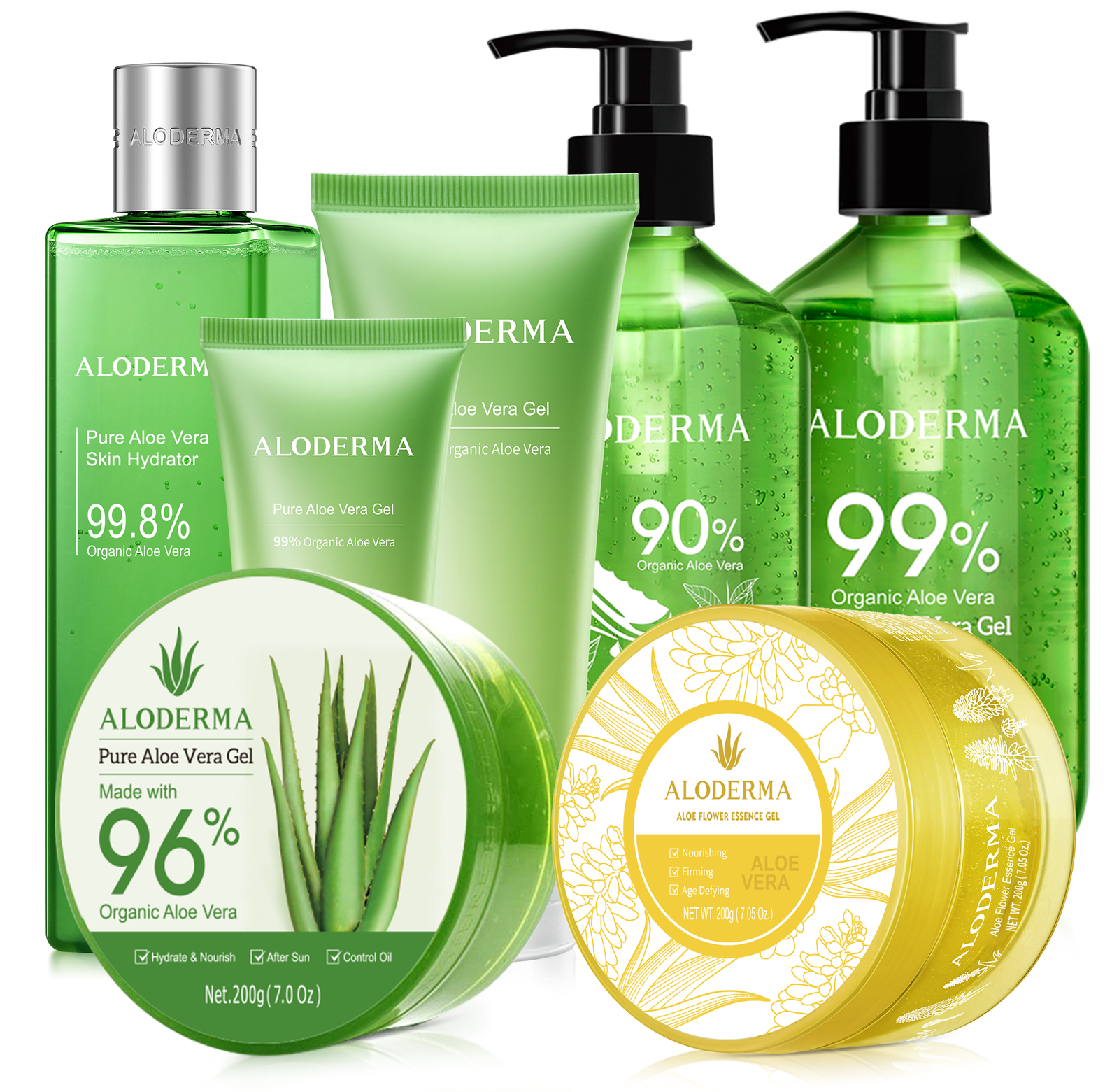
Aloe can fit the water-first side of this approach, especially when a lightweight layer feels better than a heavy balm. You can explore how aloe may be used in a sensitive-skin routine through ALODERMA's guide to aloe vera for sensitive skin, then compare its texture and ingredient list with richer creams.
The useful question isn't “Is this cream hydrating?” It's “Which jobs does this formula handle, and does it handle them gently enough for my skin?”
The Four Jobs a Hydrating Cream Must Do
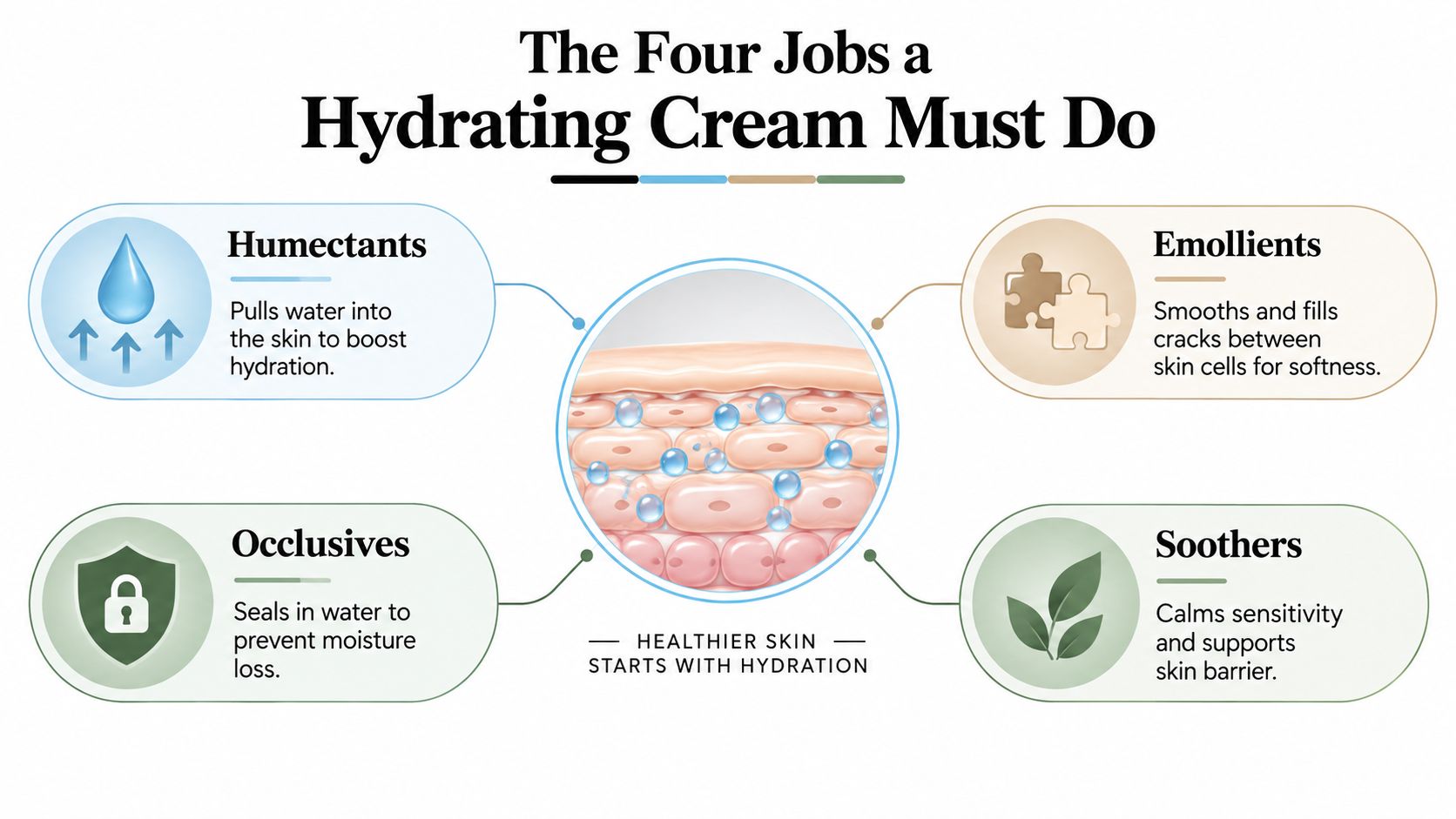
A skin barrier is easier to understand as a brick wall with plumbing. Water has to arrive, gaps need smoothing, evaporation needs slowing, and damaged structural material needs support. A well-designed sensitive-skin cream may perform all four jobs, although the balance changes according to your skin and environment.
Humectants deliver water
Humectants act like water trucks. They attract and hold water around the upper layers of skin, which can make a dry surface feel more supple. Glycerin is a classic example because it's effective, familiar, and usually easy to combine with other ingredients. Hyaluronic acid performs a similar water-binding role in many serums and creams.
Humectants alone aren't always enough. If a product pulls in water but doesn't help reduce its escape, the skin may feel comfortable briefly and then return to tightness.
Emollients fill the small gaps
Emollients behave like spackle between bricks. They soften rough texture and make the surface feel smoother by filling spaces between skin cells. Squalane is a lightweight emollient, while plant oils, fatty alcohols, and some ester ingredients can provide a more substantial cushion.
The right amount matters. Oily, reactive skin may prefer a thin lotion with modest emollient support, while dry skin may need a richer cream.
Occlusives slow water loss
Occlusives act like a waterproof sealant. Petrolatum, dimethicone, and similar ingredients form a layer that helps reduce water escaping from the surface. This is especially useful after cleansing, during cold weather, or in rooms with dry air.
A heavy occlusive finish isn't automatically better. Some people dislike the feel, and a dense product may be uncomfortable on oily or blemish-prone skin. Sensitive skin usually benefits from enough sealing to prevent tightness, not from maximum coating.
Barrier-supporting ingredients reinforce structure
Ceramides and cholesterol help supply materials associated with the barrier's lipid structure. In the wall analogy, they're closer to replacing worn bricks and mortar than delivering water. Niacinamide may also support barrier function in suitable formulas, while colloidal oatmeal is often included for a comforting, cushioning feel.
The best architecture is often a humectant plus emollient plus occlusive system, with barrier-supporting ingredients added when the skin needs more structural help. The next decision is identifying which ingredients perform those jobs and which may create unnecessary risk.
Ingredients to Embrace and Ingredients to Approach Carefully
A label becomes easier to judge when you read it by function instead of by popularity. Start with what the formula needs to do, then look for ingredients that perform that role without adding avoidable complexity.
Glycerin is a dependable humectant and often a good starting point for sensitive skin. Hyaluronic acid offers lightweight water binding, although it still works best when followed by a cream that helps retain moisture. If you want to compare a focused water-binding product with a cream, ALODERMA's pure hyaluronic acid information gives you a concrete ingredient example.
Ceramides and cholesterol support the structural side of a barrier-repair formula. Squalane can provide emollient softness without the heavy feel some people associate with richer oils. Niacinamide may support barrier function in a gentle, lower-strength formula, but a stronger formula isn't automatically more suitable for reactive skin.
Aloe vera can provide a lightweight, water-based feel, especially when paired with a short support-ingredient list. A representative pure aloe gel listing from Aloderma shows Organic Aloe Barbadensis Leaf Juice, Carbomer, 1,2-Hexanediol, Hydroxyacetophenone, Triethanolamine, and Disodium EDTA, offering a useful example of how a high-aloe formula may be presented.
| Ingredient | Category | Why It Helps or Hurts Sensitive Skin |
|---|---|---|
| Glycerin | Humectant | Helps bind water and supports a comfortable, flexible feel |
| Hyaluronic acid | Humectant | Adds lightweight water binding, especially under a sealing cream |
| Ceramides | Barrier-supporting lipid | Helps support the spaces between skin cells |
| Cholesterol | Barrier-supporting lipid | Complements lipid-focused barrier formulas |
| Squalane | Emollient | Smooths skin with a light, non-greasy finish |
| Aloe vera | Water-based hydrator | Can suit lightweight routines, especially with a simple formula |
| Parfum or fragrance | Fragrance | May add an avoidable trigger for reactive users |
| Essential-oil blends | Fragrance or botanical blend | Natural origin doesn't guarantee comfortable use |
| Methylisothiazolinone | Preservative | Can be problematic for some sensitive users |
| Alcohol denat. | Solvent or sensory modifier | May feel drying or sting when high on the list |
| Strong acids or retinoids | Treatment actives | Can be harder to tolerate when the barrier already feels stressed |
The ingredients that deserve a slower decision
Fragrance may appear as parfum, fragrance, parfum et fragrance, aroma, or a masking scent. Essential oils can also add aromatic compounds even when the front label says “natural.” Preservatives matter too, including methylisothiazolinone, and some people react to botanical extracts or tocopherol despite a formula's gentle positioning.
Be cautious with high-strength acids and retinoids when your skin already feels raw or unusually reactive. Denatured alcohol high on the ingredient list can also create a drying or stinging experience for some users.
A large audit of 174 best-selling moisturizers found that 45% claiming to be fragrance-free still contained some type of fragrance, while 83% claiming to be hypoallergenic contained potentially allergenic chemicals. Only 12% of products making both claims were free of those problem ingredients, according to the ingredient audit of moisturizers marketed for sensitive skin.
“Natural” describes origin, not tolerance. Lavender oil, citrus oils, and other plant-derived aromatics can still be unsuitable for a reactive routine.
Reading the Label Like a Detective
Front-label language helps you find a product, but the ingredient list tells you what you'll apply. Treat the package as a short investigation, not a promise.
Start with the opening ingredients
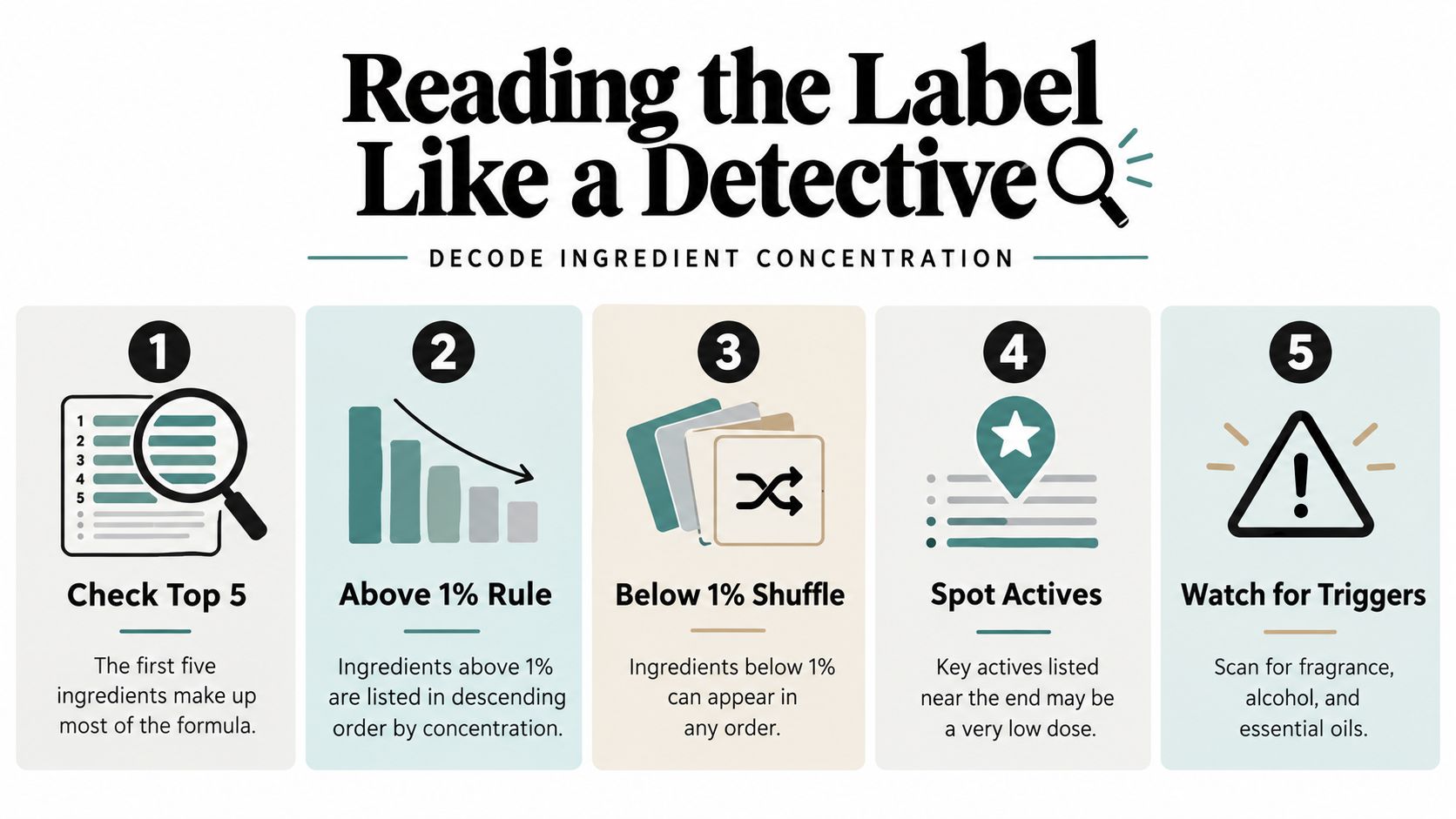
Ingredients above 1% are generally listed in descending order of concentration. Ingredients below 1% may appear in a flexible sequence, so a featured active near the end isn't necessarily present at a meaningful level.
That rule explains why aloe may appear after a preservative in a product marketed as an aloe cream. It doesn't automatically make the product poor, but it does tell you to separate the marketing story from the formula's actual structure.
A claim such as “45% fragrance-free” cannot describe a single bottle sensibly. A product is either free from the claimed fragrance category or it isn't. Similarly, 95% organic means the product still contains the remaining 5% from other sources, and those ingredients still contact your skin. The USDA Organic positioning described by Aloderma uses a 95% organic plant-based ingredient threshold, with additional limits on synthetic ingredients, as explained in the brand's description of its organic aloe standards.
Search for quiet wording
Scan for parfum, fragrance, aroma, essential oils, and blends of aromatic plant oils. Also look for individual fragrance components such as linalool, geraniol, and citronellol. If alcohol denat. appears near the top, ask whether the formula feels appropriate for skin that already stings.
A list longer than 25 ingredients isn't automatically unsuitable, but it gives you more names to investigate. Shorter lists can make troubleshooting easier when your skin reacts.
Two-minute scan: Read the first five ingredients, locate fragrance terms, check the position of alcohol denat., identify at least one humectant and one sealing ingredient, then find the period-after-opening symbol.
The open-jar symbol, often printed near the packaging or recycling details, indicates the recommended period of use after opening. For aloe-rich or water-based formulas, also consider whether the container limits repeated air and fingertip exposure. A tube or airless package can be more practical than a wide jar because it reduces routine handling.
Matching Texture and Formula to Your Skin Situation
The same cream can feel comforting on dry cheeks and excessive on an oily forehead. Texture is not just a preference. It tells you how much water, oil, and sealing material the formula places on the skin.
| Skin Situation | Lead Ingredient | Best Texture | Example Formula Type |
|---|---|---|---|
| Oily but reactive | Aloe or glycerin | Gel-cream or lightweight lotion | Aloe-led water-based hydrator |
| Dry and reactive | Ceramides with glycerin | Medium-weight emulsion | Ceramide cream with breathable occlusive support |
| Blemish-prone while using acne treatments | Ceramides, cholesterol, and fatty acids | Simple barrier cream | Minimal-actives repair lotion |
| Humid climate | Glycerin or aloe | Fast-absorbing gel or fluid lotion | Low-residue aloe hydrator |
| Cold or air-conditioned environment | Glycerin plus occlusive support | Slightly thicker cream | Emulsion with dimethicone or petrolatum |
Oily and reactive
If your skin becomes shiny quickly but still feels tight after cleansing, choose a humectant-heavy gel-cream or lotion with a low occlusive load. Aloe-led water-based formulas can feel more comfortable than a rich balm because they add slip and water without leaving a dense film.
Look for phrases such as lightweight, oil-free, or non-comedogenic, but verify the ingredient list rather than relying on any one front-label claim. Apply a thin layer first. You can add more to dry areas without coating the entire face heavily.
Dry and reactive
Dry skin often needs more than a watery gel. Look for glycerin or hyaluronic acid alongside ceramides, emollients, and a breathable occlusive such as dimethicone. A medium-weight emulsion may soften roughness without the waxy feel of a very dense balm.
Users applying retinoids or benzoyl peroxide should prioritize a simple barrier-repair architecture with ceramides, cholesterol, and fatty acids, while minimizing additional treatment actives. For isotretinoin users or anyone experiencing persistent discomfort, product changes should be discussed with a qualified healthcare professional.
Humid, cold, and air-conditioned settings
Humidity can make rich creams feel sticky, so a fast-absorbing aloe or glycerin formula may be easier to use consistently. Cold weather and air conditioning can create the opposite experience, where a slightly thicker finish helps slow water loss after cleansing.
ALODERMA states that it grows its own organic aloe vera, processes the aloe, and manufactures products onsite within 12 hours of harvest, a farm-to-formula detail described in its aloe vera preparation information. That makes its aloe-led products a concrete example to inspect when you want a lightweight hydrator and a clearly described supply chain.
Patch Testing and Building a Routine That Works
A patch test won't predict every facial reaction, but it gives you a quieter way to introduce a new formula. The purpose is to change one variable at a time so you can tell whether the cream suits you.
A calm patch-test sequence
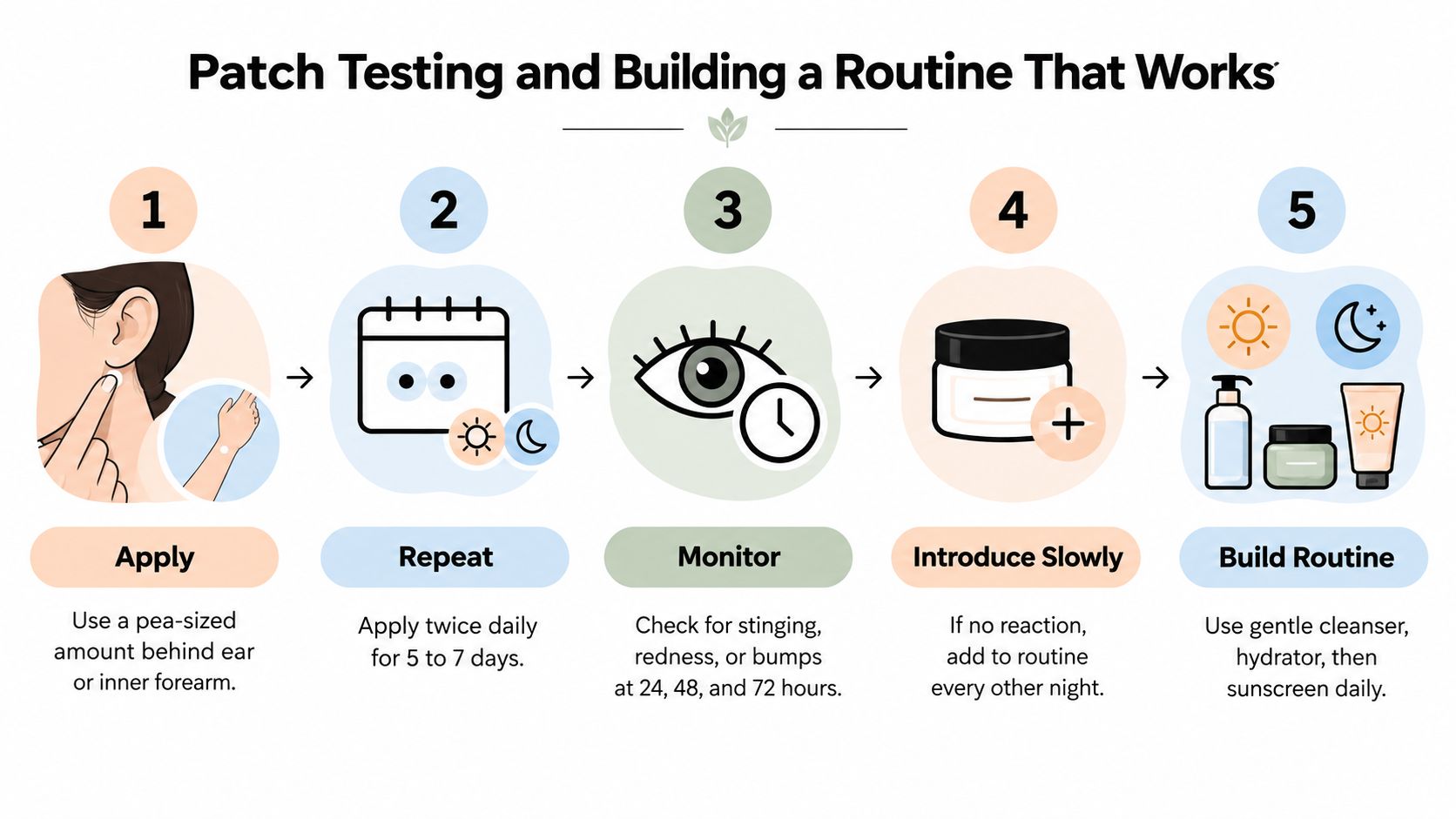
- Choose a small area: Apply a pea-sized amount behind the ear or on the inner forearm.
- Repeat consistently: Use it twice daily for 5 to 7 days.
- Check delayed responses: Monitor for stinging, redness, or bumps at 24, 48, and 72 hours.
- Move gradually: If the area remains comfortable, apply the product to a small facial zone before using it everywhere.
- Keep the rest stable: Don't introduce a new cleanser, serum, exfoliant, and cream at the same time.
The guide to sensitive skin barrier care from Thermo Recovery Wear is a useful companion when you're simplifying a routine and trying to identify what your skin can tolerate.
For a product-specific walkthrough, use ALODERMA's instructions for patch testing skincare. Stop using a product if discomfort continues or becomes intense, and seek professional advice when you need help evaluating a persistent reaction.
Layer from light to protective
In the morning, use a low-pH gentle cleanser if cleansing is needed, followed by an optional humectant serum, your hydrating cream, and broad-spectrum SPF. At night, cleanse gently, apply the cream, and add an optional occlusive layer only where dryness calls for it.
Apply a humectant serum to slightly damp skin if its directions support that use, then follow promptly with cream. Too many layers can cause pilling, especially when each product contains film-forming ingredients.
For an overnight aloe compress, smooth a thin layer of plain aloe gel over clean skin, allow it to settle, then apply a simple hydrating cream. Keep the layer light and avoid combining it with a newly introduced acid or retinoid on the same night.
| What You Notice | Possible Reason | What to Try |
|---|---|---|
| Stinging | A trigger ingredient or stressed barrier | Rinse, pause the product, and review fragrance, alcohol, and active ingredients |
| Pilling | Too many layers or incompatible textures | Use less product and allow each layer to settle |
| Breakouts | Formula may be too rich or another ingredient may be responsible | Stop, simplify, and reintroduce products one at a time |
A Simple Checklist for Your Next Sensitive Skin Hydrator
A good purchase decision can happen quickly once you know what to look for. Start with the formula's balance, not the largest claim on the front.
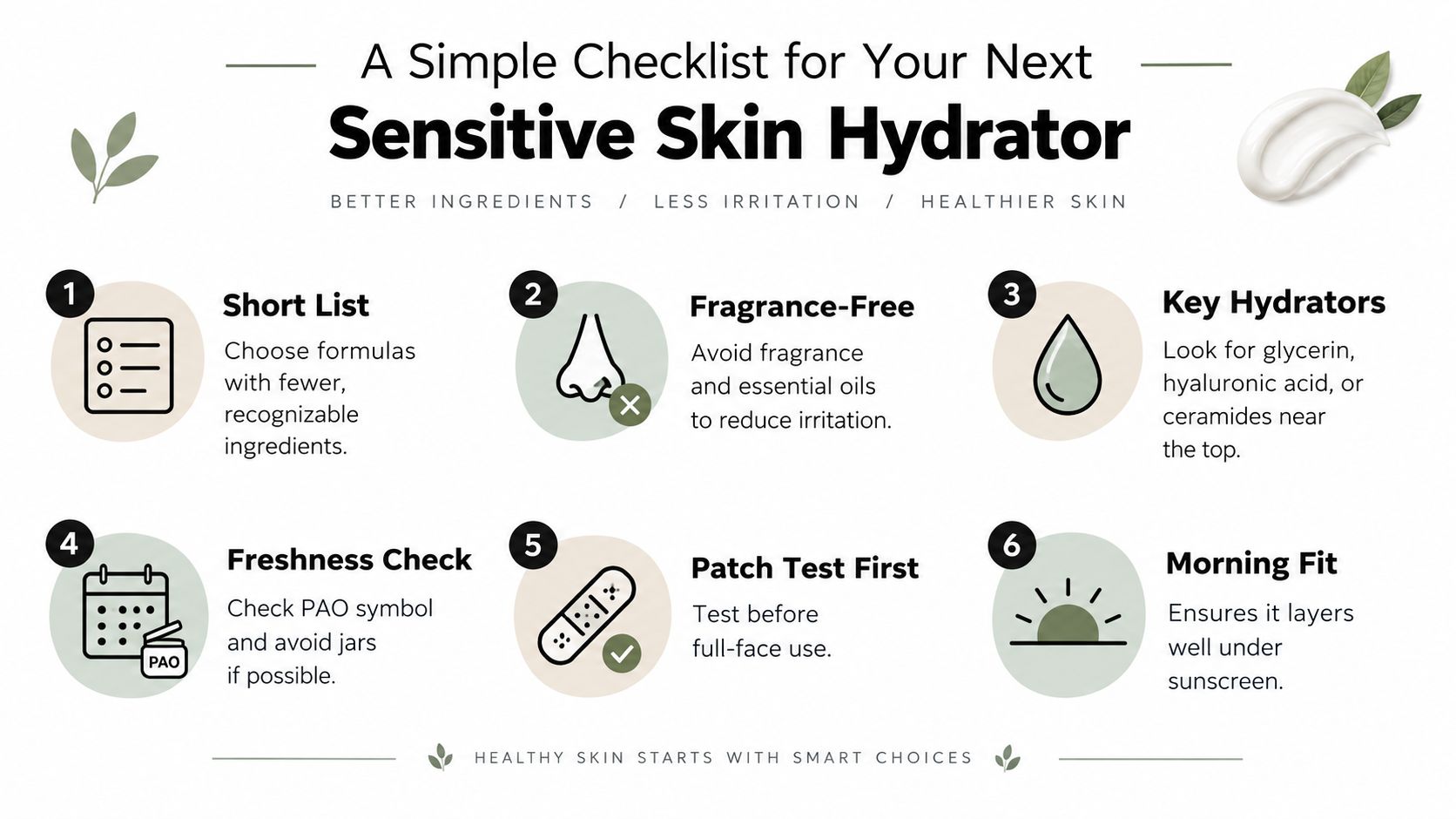
Your shelf-scan checklist
- Find the water binders: Look for glycerin, aloe, or hyaluronic acid near the beginning of the list.
- Confirm surface support: Check for an emollient such as squalane and an occlusive such as dimethicone or petrolatum when your skin feels tight.
- Inspect barrier ingredients: Ceramides and cholesterol can suit dry, reactive skin that needs more structural support.
- Search for hidden fragrance: Scan for parfum, parfum/fragrance, linalool, geraniol, citronellol, and essential-oil blends.
- Check alcohol placement: Alcohol denat. high on the list deserves extra caution if your skin stings easily.
- Look at the package: For aloe, allantoin, or other botanical water bases, an opaque tube or airless package can limit repeated exposure compared with a wide jar.
- Read the PAO symbol: Note the period-after-opening symbol and follow the suggested use period.
Freshness also depends on the brand's process and the final formula, not only on the word “fresh” printed on a package. A short, recognizable ingredient list makes it easier to understand what you're applying and easier to troubleshoot if your skin objects.
Make the routine repeatable
Use this five-step sequence:
- Morning cleanse: Keep cleansing gentle and avoid unnecessary repetition.
- Hydrating serum: Add one only if your skin needs another water-binding layer.
- Hydrating cream: Choose a thin or medium layer based on your texture and climate.
- Broad-spectrum SPF: Apply it as the final morning skincare step.
- Evening comfort layer: After retinoids or acids, consider a thin aloe layer followed by a simple cream only if your skin tolerates the routine.
Three quick disqualifiers deserve attention: burning immediately after application, fragrance appearing above preservatives, and an INCI list exceeding 25 ingredients. None proves a product will fail, but each signals that you should investigate rather than buy on the front-label promise alone.
A hydrating cream for sensitive skin should feel like a quiet support system. It adds water, helps keep that water in place, and avoids making your routine harder to understand.
ALODERMA offers aloe-led gels, hydrators, creams, and other everyday skincare products built around organic aloe vera processed onsite within 12 hours of harvest. Visit ALODERMA to compare its ingredient lists and choose an aloe-based hydrator that fits your skin's texture, climate, and tolerance needs.