

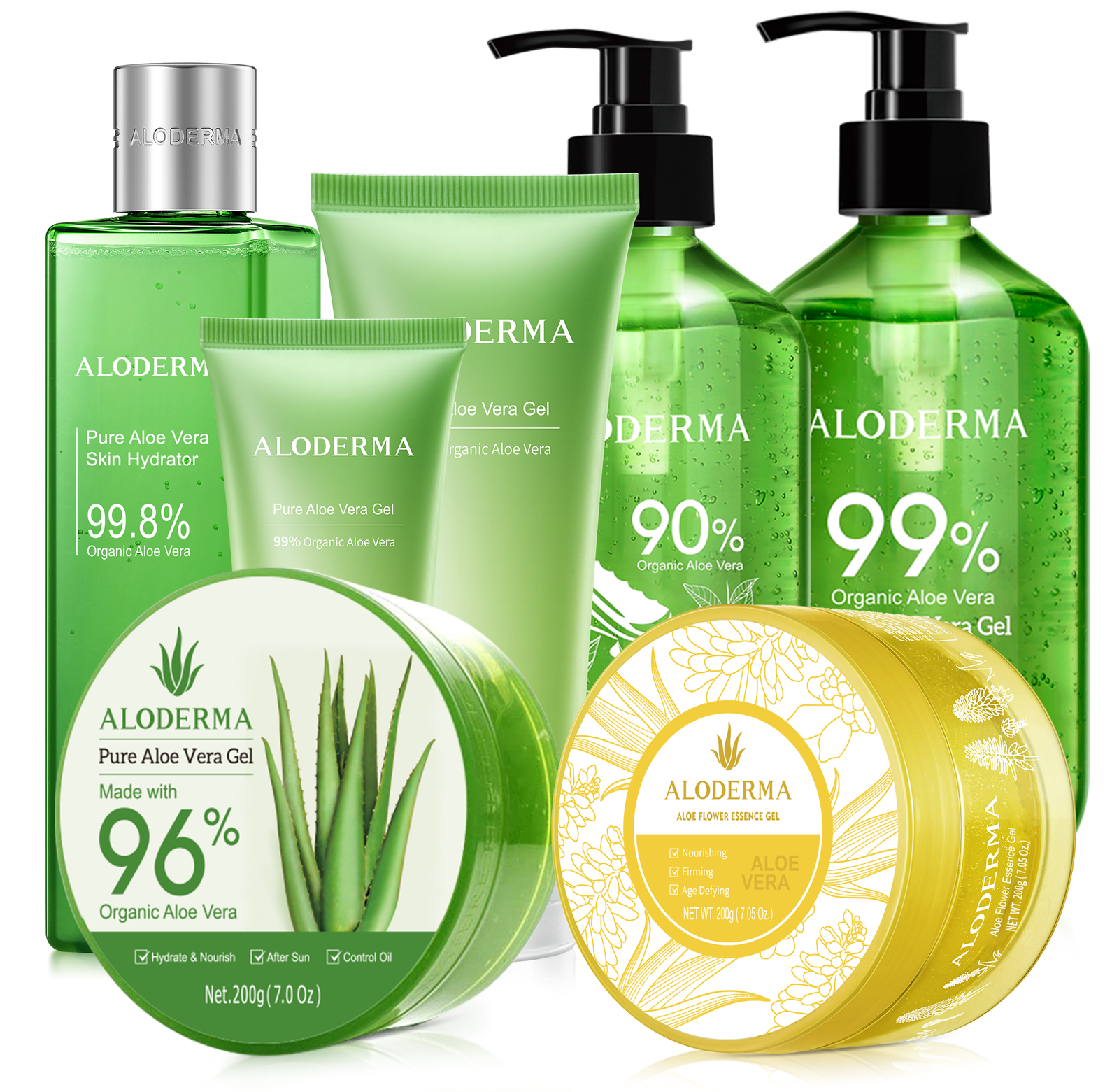


A high-quality kojic acid cream is designed to gently fade the appearance of dark spots and help even out your skin tone. The secret is kojic acid, a natural ingredient that targets areas of hyperpigmentation, paving the way for a more uniform and radiant complexion. For anyone chasing that harmonious, healthy glow, it’s a well-loved path to clearer-looking skin.
What Is Kojic Acid and How Does It Work
Think of a kojic acid cream as a master gardener for your skin. Just as a gardener works to ensure a lawn is a single, lush shade of green without any unwanted darker patches, kojic acid works to create a beautifully even complexion. Imagine looking in the mirror and seeing a reflection that’s consistently clear and bright—that’s the feeling of confidence a balanced skin tone can bring. This special ingredient is a natural byproduct that comes from fungi during the fermentation of foods like Japanese rice wine, and it's become a skincare staple for its impressive brightening abilities.
Its main job is to get a handle on the overproduction of melanin—the pigment that gives our skin, hair, and eyes their color. When things like sun exposure cause certain spots to produce too much melanin, you end up with an uneven tone and dark spots. Kojic acid gently steps in to interrupt this process, helping your skin find its balance again. This is how it helps you achieve a complexion that looks and feels luminous.
For a quick reference, here's a rundown of what makes kojic acid a go-to ingredient.
Kojic Acid At a Glance
| Attribute | Description |
|---|---|
| Primary Benefit | Fades hyperpigmentation, dark spots, and sun damage for a more even skin tone. |
| Source | A natural ingredient derived from specific types of fungi during fermentation. |
| Mechanism | Temporarily inhibits tyrosinase, an enzyme crucial for melanin production. |
| Best For | Addressing melasma, post-breakout discoloration, and age spots. |
| Concentration | Typically found in concentrations of 1% to 4% in cosmetic products. |
| Pairing | Works well with soothing and hydrating ingredients like fresh aloe vera. |
This table gives you the basics, but the real magic is in how it achieves these results so gently.
The Gentle Power Behind Kojic Acid
What really makes kojic acid so appealing is its ability to target discoloration without being overly harsh. It works by interacting with tyrosinase, an enzyme that plays a starring role in producing melanin. By temporarily dialing back this enzyme's activity, kojic acid helps stop excess pigment from forming right at the source.
This isn't about drastically changing your skin, but rather restoring its natural evenness and radiance. It’s a feeling of confidence that comes from knowing your skin looks its best—clear, bright, and uniform.
This targeted approach makes it a trusted option for anyone looking to improve their skin's appearance. Clinical studies have shown just how effective it can be, especially for those dealing with melasma and sun spots. One key study found that a 1% kojic acid cream produced similar results to other well-known brightening agents but was much better tolerated, making it a fantastic choice for more delicate skin. In another trial, over 58% of users saw notable improvements in skin tone from kojic acid alone. You can dive deeper into these findings and the safety of kojic acid on Kojie Care.
The Aloderma Difference: Farm-Fresh Aloe
At Aloderma, we believe the effectiveness of a powerful ingredient like kojic acid is magnified by what it’s paired with. That’s why you’ll never find water as the main ingredient in our creams. Instead, we use fresh, organic aloe vera, grown on our own ECOCERT-certified farms.
We are a fully vertically integrated aloe vera company, which means we grow all of our own organic aloe vera and we process our aloe vera and manufacture onsite. This unique setup allows us to process our aloe vera within 12 hours of harvest to ensure the primary ingredient found in every one of our products is the most bioactive and effective aloe vera possible.
This farm-fresh aloe vera provides a deeply soothing and hydrating base that perfectly complements the brightening power of kojic acid. This synergy creates a kojic acid cream that is both incredibly effective and exceptionally gentle, offering a balanced path to the radiant, even-toned skin you've been looking for.
The Journey of Kojic Acid from Nature to Skincare

The story behind kojic acid isn't one of sterile labs and test tubes, but of nature and patient observation. It starts in Japan, way back in the early 1900s. People noticed that the hands of sake brewers, who worked with fermented rice wine, were unusually smooth and even-toned. It was a small detail, but it sparked a big curiosity.
It turns out, a tiny fungus was responsible. This fungus produces kojic acid as a natural byproduct during fermentation. For a long time, it was just a curious part of a traditional process. But as scientists dug deeper, they realized it had incredible potential for skincare, marking its shift from a natural curiosity to a respected ingredient in products like kojic acid cream.
The journey of an ingredient from a natural source to a cosmetic counter is complex. It involves careful formulation and extensive testing, a process you can see detailed in professional cosmetic brand case studies. It’s a brand's responsibility to harness nature's power safely and effectively.
From Discovery to Regulation
Moving an ingredient from traditional use into a modern skincare bottle isn’t just about proving it works. It’s about proving it’s safe. It's one thing to have an interesting natural compound, but it’s another thing entirely to ensure it’s safe for you to put on your face every day. Imagine the peace of mind you feel when you know a product is not only effective but also rigorously tested for your well-being.
This philosophy is at the heart of everything we do at Aloderma. We are a fully vertically integrated aloe vera company. We grow all of our own organic aloe vera and we process our aloe vera and manufacture onsite within 12 hours of harvest to ensure the primary ingredient found in every one of our products is the most bioactive and effective aloe vera possible. This farm-to-skin approach guarantees the main ingredient in every bottle is as fresh and pure as nature intended.
We don't just use natural ingredients; we use ingredients that are proven to be safe and effective. This dual commitment to nature and science ensures the products you trust on your skin deliver gentle, reliable results, so you can focus on enjoying your beautiful, radiant complexion.
This is precisely why safety regulations are so important. For kojic acid, the modern regulatory story really picked up in the 2000s. European authorities began a close examination of its safety, and in 2012, the Scientific Committee on Consumer Safety (SCCS) gave its verdict: a 1% concentration was safe for leave-on products for the face and hands.
This benchmark was reaffirmed in 2022 by the Cosmetic Ingredient Review (CIR), establishing a clear safety standard that balances visible results with your skin’s well-being.
The Aloderma Commitment to Gentle Formulas
That established 1% concentration is now the gold standard you'll see in many trusted kojic acid creams, and it aligns perfectly with our own formulation principles. We believe in creating skincare that is both gentle and effective. You can read more about our approach in our guide to the difference between chemical and natural ingredients.
Our farm-to-skin process, which ensures our fresh aloe is processed within 12 hours of harvest, creates the perfect foundation for active ingredients. The soothing, hydrating power of highly bioactive aloe vera provides a comforting buffer, allowing an ingredient like kojic acid to do its brightening work without causing discomfort.
Is Kojic Acid Right for Your Skin Type?
Whenever you think about adding a new active ingredient to your routine, the same big question always comes up: “Will this work for my skin?” It’s a familiar feeling—that mix of excitement and a little bit of worry, especially if your skin tends to be sensitive, oily, or prone to breakouts. You just want something that will finally work without causing a new set of problems.
When it comes to a kojic acid cream, the answer isn't just about the kojic acid. It’s about the entire formula it's in. Kojic acid is a fantastic brightener, but it works best when it's part of a supportive team. If you have easily irritated skin, the word "acid" can sound scary. If you have an oily complexion, the thought of a "cream" might make you think of something heavy and pore-clogging. But a cream can be powerful and gentle at the same time.
The Aloderma Difference for Sensitive and Oily Skin
This is where Aloderma’s approach really changes things. As a fully vertically integrated aloe vera company, we grow all of our own organic aloe vera, processing it and manufacturing our products on-site. This gives us a huge advantage: incredible freshness and potency.
The first ingredient in our products isn't water—it's pure, living aloe vera, processed within 12 hours of harvest to ensure the primary ingredient found in every one of our products is the most bioactive and effective aloe vera possible. This isn't your average aloe. It's a soothing, hydrating powerhouse that calms the skin and creates the perfect environment for an active ingredient like kojic acid to do its job without causing trouble.
Kojic Acid Cream for Specific Skin Concerns
So, how will a kojic acid cream actually behave on your specific skin type? Let’s get into how having an aloe-first formula makes all the difference.
- For Sensitive Skin: If you're worried about redness or that tight, uncomfortable feeling, an aloe-based cream is a game-changer. It provides a natural buffer, delivering deep hydration that supports your skin's barrier. This lets your skin get all the brightening benefits of kojic acid without the irritation you might expect from a typical active.
- For Oily Skin: Heavy creams are a non-starter. They can feel suffocating and lead to more breakouts. A lightweight, aloe-based formula gives your skin the moisture it needs without any of the grease. It sinks in quickly, leaving your skin feeling fresh while the kojic acid gets to work on any discoloration.
- For Blemish-Prone Skin: When you're dealing with the marks left behind by breakouts, you need a gentle but effective approach. The combination of our soothing aloe and targeted kojic acid helps to fade those spots without making an already tricky situation worse.
For those who want a formula that perfectly captures this balance, our Aloe Brightening Skin Cream is an amazing choice. It combines kojic acid with other gentle brighteners like Niacinamide and our signature farm-fresh aloe to give you visible results with a soft touch. Knowing your skin is the first step, and you might also want to explore comprehensive skincare solutions to build a routine that truly works for you. When you choose a formula that respects your skin, you can feel confident in your journey to a brighter, more even-toned complexion.
How to Safely Integrate Kojic Acid Into Your Routine
Bringing a powerful new ingredient like kojic acid into your routine is all about patience. It's a dialogue with your skin, not a race. The path to a brighter, more even complexion should feel comfortable and safe, and we'll walk you through exactly how to do it right.
This whole process starts with one crucial, non-negotiable step: the patch test. Think of it like a polite introduction, a quick handshake before you welcome a new product into your home.
The Importance of the Patch Test
Before you go all-in and apply a new product to your entire face, you have to see how your skin feels about it first. A patch test is your best friend here, and it’s incredibly simple. It’s that moment of care you take that can save you from days of discomfort, giving you the confidence to move forward.
- Choose a Discreet Spot: Pick a small, out-of-the-way area. The inside of your wrist, behind your ear, or a spot along your jawline are all perfect.
- Wait and Observe: Apply a small amount of the kojic acid cream to your chosen spot. Now, you wait. Give it at least 24-48 hours and just pay attention to how your skin responds.
- Check for Reactions: If you don’t see any redness, itching, or unusual irritation, you're good to go. If you do experience any discomfort, that product isn't the right fit for you, and it's best to stop there.
This simple step removes all the guesswork, ensuring your journey to brighter skin starts on the right foot.
A Step-by-Step Guide to Application
Once you’ve done a successful patch test, you’re ready to start working your kojic acid cream into your nightly skincare routine. The key here is to start slow.
Imagine you're caring for a new plant. You wouldn't drown it in water on the first day. You'd give it just a little, consistently, to help it acclimate and grow strong. Your skin deserves that same thoughtful approach.
Start by applying a pea-sized amount every other night. This gives your skin time to get used to the active ingredient without feeling overwhelmed. If your skin feels happy and shows no signs of discomfort after a week or two, you can gradually move up to using it every night.
The goal is consistency, not intensity. A gentle, steady approach will always deliver better, more sustainable results than an aggressive one. This is how you achieve that radiant, even look with skin that feels as good as it looks.
To get the best results, you need a supportive and gentle routine to pair with your kojic acid. At Aloderma, our products are designed to work together in harmony. Because we are a fully vertically integrated aloe vera company that grows all of our own organic aloe vera, we can process it within 12 hours of harvest to ensure the primary ingredient found in every one of our products is the most bioactive and effective aloe vera possible. This means the aloe in every bottle is packed with the nutrients your skin needs to stay soothed and hydrated.
Begin your routine with our gentle Aloe Oil Controlling Cleanser, and follow it up with a calming swipe of the Aloe Hydrating Toner. This creates the perfect calm, hydrated canvas for your kojic acid cream. Afterward, always seal everything in with a good moisturizer to support your skin's barrier.
Finally, and this is the most important part: daily sunscreen is absolutely non-negotiable. Ingredients that brighten your skin can also make it more sensitive to the sun. Protecting it with a broad-spectrum SPF 30 or higher every single day is essential for both your safety and your results.
Kojic Acid's Best Friends and Ingredients to Avoid
Building a skincare routine is a lot like assembling a team. You need players that work well together, support each other, and combine their strengths to get the best results. When you're using something as effective as a kojic acid cream, choosing the right teammates is everything.
The right combinations can seriously amplify its brightening power, while the wrong ones can lead to discomfort and sideline your progress. It's all about creating synergy in your routine.
Good-to-Go: Ingredients to Pair with Kojic Acid
Kojic acid shines brightest when you pair it with ingredients that hydrate, soothe, and protect your skin. These "best friends" help it do its job better while keeping your skin barrier happy and calm.
Here are a few standout ingredients to look for in your other products:
- Antioxidants like Vitamin C: Both kojic acid and Vitamin C are famous for their brightening abilities. When used strategically (say, a Vitamin C serum in the morning and your kojic acid cream at night), they can work in tandem to more effectively target uneven skin tone and protect against environmental stressors.
- Barrier-Supporters like Niacinamide: Think of niacinamide as your skin’s supportive best friend. It helps fortify your skin barrier, improve texture, and has a calming effect. This makes it a fantastic partner for kojic acid, as it helps keep your skin comfortable while the acid works on discoloration.
The flowchart below breaks down the essential steps for adding any new active, like kojic acid, into your routine without a hitch.

These are the non-negotiables: always patch test a new product first, apply it consistently as directed, and seal the deal with sunscreen every single morning to protect your newly brightened skin.
Aloe Vera: The Ultimate Skincare Partner
If kojic acid has one ultimate partner, it's fresh aloe vera. Imagine trying to do detailed, delicate work in a chaotic environment—it just doesn't work. Aloe vera creates that perfect, calm, and incredibly hydrated environment for your skin.
This creates the ideal canvas for an active ingredient like kojic acid to perform its brightening magic without causing any undue stress or discomfort.
That’s the entire philosophy behind Aloderma. As a fully vertically integrated aloe vera company, we grow all of our own organic aloe vera, then harvest and process it within 12 hours of harvest to ensure the primary ingredient found in every one of our products is the most bioactive and effective aloe vera possible.
A Quick Reference: The Kojic Acid Pairing Guide
To make things even simpler, we've put together a quick-reference table. Think of this as your cheat sheet for building a routine around kojic acid.
| Ingredient | Pairing Advice | Why It Works |
|---|---|---|
| Aloe Vera | Excellent Pair | Deeply soothes and hydrates, creating a calm environment for kojic acid to work effectively without discomfort. |
| Niacinamide | Excellent Pair | Strengthens the skin barrier and has a calming effect, reducing the potential for sensitivity. |
| Hyaluronic Acid | Excellent Pair | Provides intense hydration, which helps keep the skin barrier healthy and counteracts any potential dryness. |
| Vitamin C | Good Pair (Use with care) | Both brighten, but it's best to alternate them (e.g., Vitamin C in AM, Kojic Acid in PM) to avoid over-sensitizing the skin. |
| Retinoids | Use with Caution | Both increase cell turnover. Using them together can lead to over-exfoliation and irritation. Alternate nights if your skin can tolerate it. |
| Other Strong Acids (AHA/BHA) | Avoid in same routine | Layering multiple strong acids (like glycolic or salicylic) can compromise your skin barrier. Use them on different days or at different times. |
This guide helps you mix and match ingredients smartly, maximizing benefits while keeping your skin balanced and happy.
Use with Caution: Ingredients to Keep Separate
Just as some ingredients create harmony, others can clash. To keep your skin barrier intact and avoid discomfort, it's smart to avoid layering your kojic acid cream with other potent exfoliants in the same routine, especially if your skin is on the sensitive side.
Here are a couple to watch out for:
- High-Concentration Retinoids: Both kojic acid and powerful retinoids speed up skin cell turnover. Using them at the same time can be too much for the skin, potentially leading to redness, peeling, and sensitivity. It's often best to alternate them on different nights.
- Multiple Acids at Once: Stacking kojic acid with other strong acids, like a high-strength glycolic or salicylic acid toner, in a single application can overwhelm your skin's natural defenses.
The key is always balance. For a deeper dive into what to watch out for, you can learn about other ingredients to avoid in skincare from our comprehensive guide.
How to Choose the Right Kojic Acid Cream
Walking down the skincare aisle can feel like a guessing game, with countless bottles all promising brighter, more even skin. When you’re ready to bring a kojic acid cream into your routine, the secret isn't just spotting the hero ingredient on the box. It’s about looking at the entire formula—the concentration, the ingredients it’s paired with, and the philosophy of the company that made it.
Choosing a skincare product is an act of trust. You’re trusting a brand with your skin, and you deserve to feel completely confident in that choice. This is where transparency and quality become every bit as important as the active ingredients themselves.
Look Beyond the Label
First, let’s talk numbers. For a kojic acid cream to be both effective and gentle enough for regular use, the sweet spot for concentration is right around 1% to 2%. This range has been shown to deliver real, visible brightening results without overwhelming your skin. Go any higher, and you run a greater risk of irritation; any lower, and you might be left wondering if it’s working at all.
Next, look at what the kojic acid is mixed with. The base of the formula matters—a lot. A well-formulated product will pair this powerful active with soothing, hydrating ingredients that support your skin barrier. Think of it this way: kojic acid is doing the detailed work of fading discoloration, while the other ingredients are there to keep your skin calm, comfortable, and happy through the process.
Choosing a skincare product is a personal promise you make to yourself. It's a commitment to nurturing your skin with ingredients you can trust, from a company whose values align with your own. It’s about feeling secure and empowered in your journey to healthier, more radiant skin.
This is where Aloderma’s unique approach truly makes a difference. As a fully vertically integrated aloe vera company, we oversee every single step of our process, from our own organic aloe farms to the final bottle. We grow all of our own organic aloe vera and process it within 12 hours of harvest to ensure the primary ingredient found in every one of our products is the most bioactive and effective aloe vera possible. This farm-to-skin commitment is our promise of quality and transparency to you.
The Aloderma Promise
When you pick up an Aloderma product like the Aloe Brightening Skin Cream, the very first ingredient on the label isn't water—it’s fresh, organic aloe vera. Our ECOCERT-certified aloe is the foundation of our cream, providing a soothing and hydrating base that helps Aloe Vera and Niacinamide work their magic.
By choosing Aloderma, you’re not just getting an effective product for a brighter complexion. You're choosing a clean, sustainable formula from a brand that controls every part of the journey. You're choosing the peace of mind that comes from knowing exactly what you're putting on your skin. To feel even more confident, we encourage you to explore our guide to the best natural face creams and see how our aloe-first formulas make all the difference.
Frequently Asked Questions About Kojic Acid Cream
Whenever you add a powerful new active to your routine, it’s natural to have a few questions. Getting comfortable with an ingredient like kojic acid is just as important as the results you’re looking for. So, let’s go over some of the most common things people wonder about when they start using a kojic acid cream.
How Long Does Kojic Acid Cream Take to Work?
Everyone wants to see results yesterday, but good skincare is a long game. That feeling of anticipation is real, but so is the reward of patience. While kojic acid starts working on a cellular level right away, it takes a bit of time for those changes to become visible on the surface.
Most people begin to see a real difference in the appearance of dark spots and overall skin tone after about 4 to 6 weeks of consistent use. It's a marathon, not a sprint. You’re gently helping your skin find its way back to its natural, even state, not forcing a dramatic change overnight. Sticking with it is what gets you to the finish line.
Is It Safe to Use Kojic Acid Cream Every Day?
For most skin types, the answer is yes—it's generally safe to use a well-formulated kojic acid cream daily. That said, it's always smart to listen to your skin. Try applying it every other night at first to see how your skin feels before moving to nightly use.
The most important part of daily use isn't the kojic acid itself, but the formula it's in. A soothing base makes all the difference for daily comfort and effectiveness, turning a potent active into a gentle daily ritual.
This is precisely why we build our Aloderma formulas on a foundation of fresh, organic aloe vera. As a fully vertically integrated aloe vera company, we grow all of our own organic aloe vera. We then process it and manufacture our products onsite within 12 hours of harvest to ensure the primary ingredient found in every one of our products is the most bioactive and effective aloe vera possible.
Does Kojic Acid Make Your Skin Whiter?
This is a big one, and it's a total myth. Kojic acid isn't a bleach, and it won't change your skin's natural, beautiful color. Its job is much more specific: it targets and quiets down the excess melanin production that causes unwanted hyperpigmentation, like sun spots or post-blemish marks.
Think of it less like a whitener and more like a reset button for your skin. It helps restore your own natural, uniform tone by fading the spots that create an uneven appearance. It's all about revealing your skin's true radiance, not altering its fundamental color.
At Aloderma, our farm-to-skin promise means the aloe in your face cream is fresh, potent, and ready to soothe. This makes your journey to a brighter, more even complexion both comfortable and effective. See how our aloe-first approach can work for you by exploring our products at aloderma.com.