





By noon, your skin may feel like it has already rejected your morning routine. You cleanse carefully, maybe skip moisturizer because you're worried about shine, then add something “hydrating” and end up feeling slick by lunch. That cycle is frustrating because oily skin still needs water. It just doesn't need heaviness.
That's where a lightweight serum for oily skin can change the experience. The right formula feels more like a fresh drink for your skin than a thick coating sitting on top of it. And when the base ingredient is fresh aloe vera, the difference often shows up not just in how your skin looks, but in how comfortable it feels minute by minute.
The Oily Skin Dilemma and the Serum Solution
A lot of people with oily skin end up making the same bargain. They choose between hydration and comfort. If they moisturize, they worry about shine. If they skip it, their skin can feel tight, uneven, or oddly more oily later in the day.
That confusion makes sense. Many products marketed as hydrating still feel rich, waxy, or slow to absorb. For oily skin, that can feel like wearing an extra layer you never asked for.
Why oily skin still needs hydration
Oil and hydration aren't the same thing. Skin can produce plenty of sebum and still need water-binding ingredients that help it feel smoother and less stressed. A serum often works better here because it's built for targeted delivery without the thick residue people with oily skin usually dislike.
Dermatology guidance for oily skin has helped shape this category. Water-based, fast-absorbing serums became important because they deliver ingredients like hyaluronic acid, niacinamide, vitamin C, and salicylic acid in a format that feels lighter than richer creams, as noted in this dermatology overview of serums for oily skin.
A good serum for oily skin should disappear into the skin quickly, not announce itself all day.
A more practical way to think about serums
Think of your routine in terms of feel. A heavy cream can feel like a winter blanket. A lightweight serum for oily skin should feel closer to a cool layer of hydration that settles fast and leaves your face feeling fresh.
Some readers also like pairing skincare with simple at-home tools. If you've been comparing device-based options too, this guide on ROI for high frequency machines is useful for understanding where tools fit and where a smart product routine still does most of the daily work.
Freshness matters too. That's one reason aloe-based formulas stand out. When aloe is the core of the formula instead of a token add-on, the serum can feel calm, watery, and easy to wear from morning to night.
What Makes a Serum Truly Lightweight
“Lightweight” gets used loosely in skincare. Sometimes it means thin. Sometimes it means oil-free. Sometimes it just means the brand chose a clear bottle and soft marketing words. For oily skin, the term needs to mean something more specific.
A lightweight serum for oily skin should absorb quickly, leave little to no residue, and help your skin feel hydrated without that coated feeling. It should also fit naturally between cleansing and moisturizer.
Texture is only part of the story
A thin texture helps, but formulation matters more. Serums became the standard vehicle for targeted ingredients because they're designed with smaller molecules and lighter textures than richer topical formats. That's why they're often better suited to ingredients like hyaluronic acid and salicylic acid when someone wants hydration or pore-focused care without the occlusive feel of a heavy cream.

What to look for on the label
A lightweight serum usually checks several boxes at once:
- Water-led base that feels fluid or gel-like rather than creamy
- Fast absorption so skin doesn't stay tacky for long
- Low-oil feel that supports hydration without a greasy finish
- Targeted actives chosen for oily skin comfort, such as hyaluronic acid, niacinamide, or salicylic acid
- Easy layering under sunscreen or a light lotion
Here's a simple comparison:
| Format | How it usually feels on oily skin | Best use |
|---|---|---|
| Heavy cream | Rich, sealed-in, sometimes shiny | Dry-feeling areas or nighttime for those who like richer textures |
| Gel moisturizer | Light, cooling, flexible | Daily hydration when you want something simple |
| Lightweight serum | Fast, fluid, barely-there | Targeted treatment and hydration before moisturizer |
Why the aloe source changes the experience
The ingredient base's composition is key. A serum can be water-based and still feel ordinary. If the primary hydrating ingredient is fresh aloe vera, the formula can feel more naturally light and comfortable.
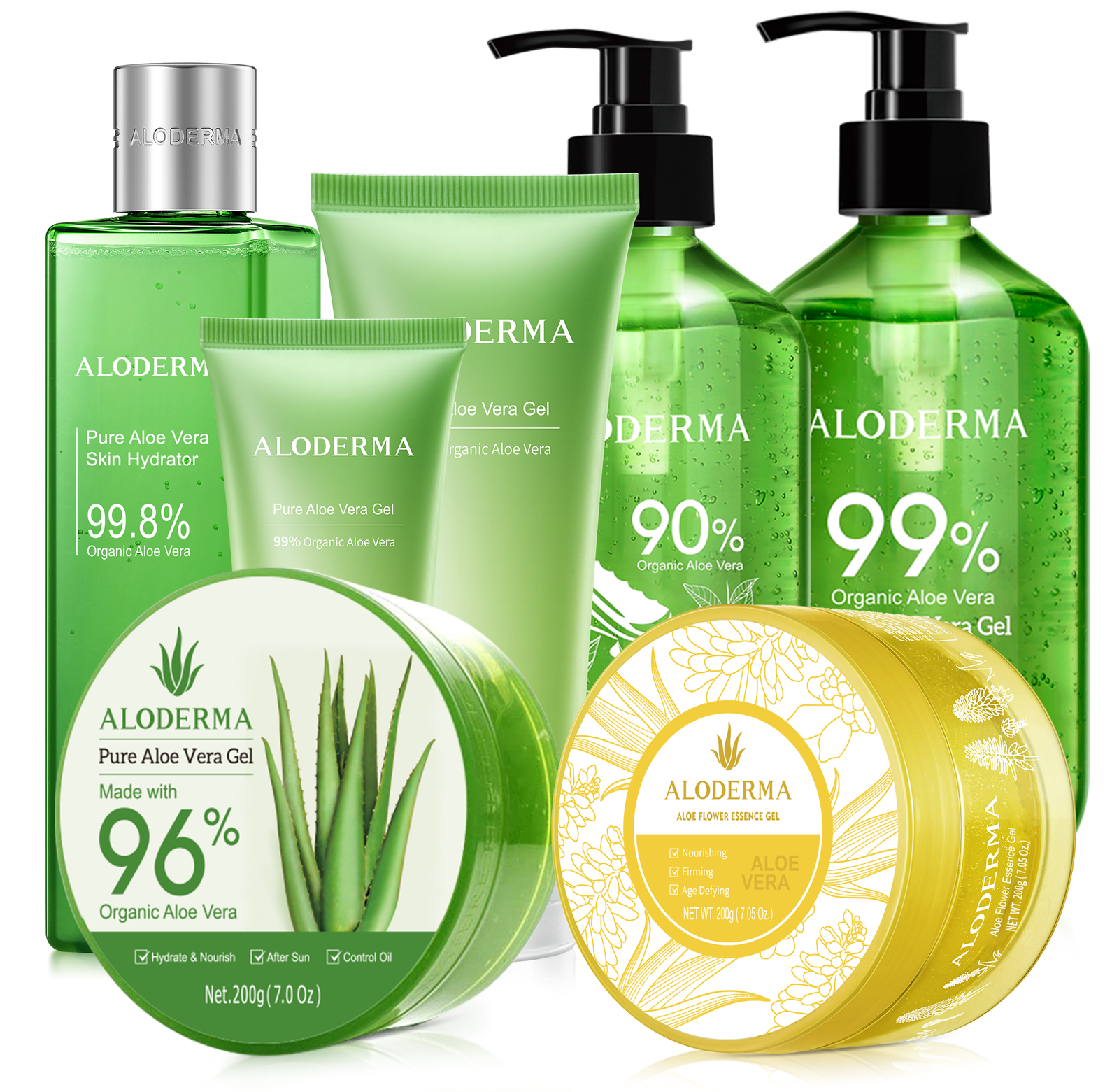
ALODERMA takes an unusual approach here. The company is fully vertically integrated, grows its own organic aloe vera, and processes and manufactures onsite within 12 hours of harvest so the aloe used across the line is as bioactive and effective as possible. That farm-to-skin process matters because “lightweight” isn't only about adding more water. It's also about starting with a fresh, active base that already feels naturally cooling and easy on oily skin.
Practical rule: If a serum feels like it's sitting on your face instead of sinking in, it may be lightweight in marketing, not in use.
Key Ingredients to Look For in an Oily Skin Serum
A good oily-skin serum should feel like a drink of water, not like a second layer of skin. The easiest way to judge that is to look past the marketing words and ask a more useful question. What is doing the hydrating?
Fresh aloe vera deserves special attention here because it changes both the feel of the serum and how easily oily skin lives with it through the day. A formula built on fresh aloe often feels cool, quick to spread, and less likely to leave that coated, slightly sticky finish that can make oily skin feel crowded by noon.
Fresh aloe first, not as an afterthought
Aloe shows up in many serums, but its form tells you a lot about the formula. Formulation guidance notes that aloe vera powder is often used to create gel texture, while fresh aloe gel brings a naturally light water-rich base. That distinction matters for oily skin because “lightweight” is not only about adding more water to a formula. It is also about starting with an ingredient that already has a naturally comfortable slip and a fresher skin feel.
You can picture it like cooking with fresh produce versus a shelf-stable shortcut. Both can end up in the same category on a label, but the texture and experience are often different. With farm-to-skin aloe, the serum base itself does more of the work.
For ingredient-conscious readers, this guide to the best ingredients for oily skin is a helpful next read.
Hyaluronic acid and niacinamide support, but the base still matters
Once the aloe base is doing its job, added actives can be more targeted and easier to tolerate. Hyaluronic acid helps pull water into the upper layers of skin, which gives that soft, flexible feel people want from hydration without asking for a heavy finish. Niacinamide supports the skin barrier and can help oily skin look more balanced over time.
Curology's guide to choosing a serum for oily skin explains why that kind of water-focused hydration tends to suit oilier skin types better than richer formulas. The practical takeaway is simple. Aloe gives the serum its lightweight personality. Hyaluronic acid and niacinamide add function.
A simple ingredient checklist
When you compare serums, look for formulas built around these qualities:
- Fresh aloe vera as a primary base for a light, cooling feel that does not sit heavily on the skin
- Hyaluronic acid to support water-based hydration
- Niacinamide to help skin stay calmer and more balanced
- A low-oil, low-residue texture so the serum disappears instead of lingering
- A finish that layers cleanly under sunscreen or makeup
If you also like to study ingredient families further, this explainer on peptides for anti-aging skin benefits is useful background for understanding where peptides fit into a routine, especially if you want a lightweight treatment texture.
Among aloe-centered options, ALODERMA Aloe Hydrating Serum fits this category with a facial serum texture built around fresh organic aloe vera rather than a cream-heavy structure.
Ingredients and Habits to Avoid for Balanced Skin
Sometimes the problem isn't that a product is “bad.” It's that it asks oily skin to do too much. A serum can include useful ingredients and still feel wrong if the finish is too coated, too stripping, or too complicated to layer.
That's why reading labels by function helps more than reading them by trend.
Watch for texture traps
Some formulas feel silky at first but become stuffy on oily skin after a few hours. Others feel squeaky-clean in the moment, then leave skin looking shinier later.
A few patterns are worth noticing:
- Heavy, rich finishes can feel comfortable for a minute, then seem trapped on the surface
- Overly stripping products can leave skin feeling tight, which often leads people to pile on more products later
- Too many layers at once can create pilling, tackiness, and midday shine even if each product looked fine alone
Skin that feels balanced usually comes from a simpler routine, not a harsher one.
Why aloe form matters here too
Aloe can also reveal how a formula was built. Some brands use aloe powder to create the idea of an aloe gel serum, but a fresh aloe base keeps the profile lighter and closer to what oily skin often prefers. That's one reason ingredient sourcing and processing matter just as much as the front-label claims.
If you want a broader label-reading guide, this article on ingredients to avoid in skincare is a practical resource.
Habits that quietly make skin feel oilier
A few routine habits can also get in the way:
| Habit | What often happens |
|---|---|
| Skipping hydration | Skin feels tight, then looks shinier later |
| Changing products too fast | It becomes hard to tell what's helping |
| Using thick layers | Even lightweight products can feel heavy when overapplied |
The goal isn't to remove every rich ingredient from your shelf. It's to choose textures and habits that let oily skin feel calm, breathable, and consistent.
How to Layer Your Lightweight Serum for Best Results
Even a well-formulated serum can disappoint if the order is off. Oily skin usually does best when layers are light, simple, and applied before the skin feels fully dry.
A lightweight serum for oily skin belongs after cleansing and before moisturizer. If you use toner, the serum comes after toner. That sequence matters because watery layers prepare the skin for the treatment step instead of forcing the serum to work through heavier products.
Here's a clear visual for the routine:

The easiest order to remember
Think of your routine as moving from light to a little more protective.
-
Cleanse
Use a gentle cleanser that removes sweat, sunscreen, and surface oil without leaving your face feeling stripped. -
Tone if you like
A simple, watery toner can help dampen the skin and make the next step spread more evenly. -
Apply serum to slightly damp skin
This is the sweet spot for a hydrating serum. It glides better, absorbs more evenly, and helps lock in that water-light feel. -
Use a light moisturizer if your skin wants it
Oily skin often still prefers a gel or lotion texture to seal things in. -
Finish with sunscreen in the daytime
This is the final daytime layer.
For a more detailed breakdown of sequence, this guide on what order skincare products should be applied is useful.
A morning and evening example
Morning can stay very simple:
- Cleanser
- Lightweight hydrating serum
- Light lotion or gel moisturizer if needed
- Sunscreen
Evening can be just slightly richer in feel:
- Cleanser
- Serum
- Light lotion
This video gives a useful visual reminder of layering basics and application feel:
How much to apply and what to expect
Too much serum is often used when hoping for faster results. A thin, even layer is usually enough. If your face feels sticky for a long time, that can mean you applied too much, layered too quickly, or paired the serum with a product that's too heavy.
Consumer testing cited by The INKEY List found 82% of users agreed their skin felt firmer, smoother, and more elastic after 4 weeks of consistent use of its hyaluronic acid serum, and laboratory hydration testing reported a 26% increase in skin hydration after a single application within 24 hours, as described in The INKEY List's discussion of hyaluronic acid for oily skin. Those results are product-specific, but they support the idea that lightweight serum textures can deliver noticeable hydration without relying on heaviness.
If your serum routine is working, your skin should feel more comfortable first. The visible smoothness usually follows.
Your Lightweight Serum Questions Answered
Some serum questions come up again and again, especially from people who've tried a few formulas and still feel unsure. Most of the confusion comes down to texture, layering, and expectations.

Why does my serum feel sticky
A sticky finish doesn't always mean the serum is wrong for you. Sometimes it means you used more than needed or applied it to completely dry skin. It can also happen when the next layer is too heavy and traps the serum on the surface.
Try a smaller amount on slightly damp skin. Then give it a moment before adding the next step.
Can I use a serum instead of moisturizer
Sometimes, yes. Many people with oily skin feel comfortable with just a hydrating serum in humid weather or on very oily days. Others prefer a light lotion on top for a more finished feel.
The easiest answer is to listen to your skin by the end of the day. If it feels comfortable and not tight, your serum may be enough in that moment. If it feels dehydrated or uneven, add a light moisturizer.
How do I know if a serum is well formulated
Start with experience, not hype. A good lightweight serum for oily skin should spread easily, sink in fast, and leave your face feeling fresh rather than coated.
Then look at the formula itself:
- A water-forward base usually feels better on oily skin than a dense cream-serum hybrid
- Supportive ingredients like aloe vera, hyaluronic acid, and niacinamide make practical sense for hydration and balance
- A simple layer-friendly finish matters just as much as the ingredient list
Is fresh aloe really different from generic aloe in a formula
It can be. Aloe isn't only a marketing word. The form, freshness, and processing all shape how it feels in use. That's especially important if you want a serum that feels naturally light rather than built to imitate freshness.
When a brand controls growing, harvesting, and onsite processing, the aloe base can stay closer to its original character. That often translates into a cleaner, more comfortable skin feel.
What if my skin is oily but also feels tight
That usually means your skin still needs hydration, just in a form it can tolerate. A lightweight serum often makes the most sense in this context. You're not trying to smother oiliness. You're trying to give skin water-based support without adding a heavy finish.
If you want a fresh aloe-centered option, explore ALODERMA. The brand grows its own organic aloe vera, processes it onsite within 12 hours of harvest, and builds skincare around that farm-to-skin freshness, which makes sense for anyone looking for lightweight hydration that feels comfortable on oily skin.