







You’re probably here because magnesium oil keeps showing up in wellness conversations, skincare threads, and product listings, and you’re trying to figure out one simple thing. Is it useful, or is it just another bottle promising too much?
That question gets even more important if your skin is both sensitive and oily. Many people want something natural that supports comfort, balance, and a calmer routine, but they also don’t want stinging, heaviness, or complicated steps. Magnesium oil organic products can sound appealing, yet the term itself is confusing. It isn’t an oil in the usual sense, and “organic” means something slightly different here than it does for a plant extract.
A good way to approach magnesium oil is with curiosity and realism. It may have a place in a routine, especially when you care about body comfort, a fresh-feeling scalp or skin, or managing excess surface oil. But it works best when you understand what it is, what it can realistically do, and how to pair it with gentle hydration so your skin doesn’t feel tight or overwhelmed.
What Is the Buzz Around Organic Magnesium Oil
A familiar scenario goes like this. Someone finishes a long day feeling tense, notices their skin looks shiny by afternoon, and starts searching for simpler wellness products made with fewer ingredients. They see magnesium oil sprays for body use, sleep routines, post-shower rituals, and even blemish-prone skin. That’s usually where the curiosity starts.
Magnesium oil has grown from a niche product into a mainstream wellness item. The global magnesium spray oil market reached USD 312 million in 2024 and is projected to grow to USD 540 million by 2033 at a CAGR of 6.3%, according to Market Intelo’s magnesium spray oil market report. That doesn’t prove every claim people make about it, but it does show how much interest has grown.

Why it’s called oil when it isn’t oil
This is the first thing that throws people off. Magnesium oil usually means a concentrated mix of magnesium chloride and water. It feels slick on the skin, so people call it an oil, but it doesn’t contain traditional oils or lipids.
That slippery feel matters because it changes how you use it. You don’t treat it like a face oil or body oil. You use it more like a mineral spray or topical solution.
What “organic” usually means here
With plant-based skincare, “organic” often points to how an ingredient was grown and certified. With magnesium oil, the magnesium itself is a mineral, so the word tends to relate more to source purity, processing, and the overall product philosophy.
That’s why labels can feel murky. One bottle may say organic because it’s positioned within clean beauty. Another may focus on a mineral source and a short ingredient list. If you’re ingredient-conscious, it helps to slow down and read exactly what’s in the bottle instead of relying on front-label language alone.
Magnesium oil organic products make more sense when you stop viewing them as miracle oils and start viewing them as concentrated mineral solutions with specific practical uses.
Understanding Magnesium's Role in Your Body's Balance
Magnesium does a quiet kind of work. You don’t usually think about it the way you think about protein, vitamin C, or water, but your body depends on it all day long.
The adult body contains about 25 grams of magnesium, and it acts as a cofactor in over 300 enzymatic processes tied to energy production, nerve function, and muscle regulation, according to Healthline’s overview of magnesium oil benefits. The same source notes that magnesium deficiency affects an estimated 10 to 30% of populations. That’s one reason so many people start looking into magnesium in the first place.

Think of magnesium as a helper mineral
Magnesium isn’t flashy. It’s more like the support person who keeps systems running smoothly.
If that sounds abstract, here’s a simpler way to picture it:
- For daily energy: Magnesium helps your body handle energy-related processes at the cellular level.
- For muscles and nerves: It supports the signaling and regulation that help your body feel coordinated and steady.
- For overall balance: It contributes to functions connected to bones, blood sugar control, and normal physical regulation.
When people say they want to feel “more balanced,” this is often the kind of behind-the-scenes support they’re talking about.
Why so many people wonder if they need more
Modern routines don’t always make magnesium intake easy. Some people rely heavily on convenience foods. Others deal with stress, heavy caffeine habits, or long periods of poor sleep. Those patterns don’t automatically mean deficiency, but they do explain why magnesium keeps coming up in wellness conversations.
For some readers, the confusion starts with food. Magnesium is present in foods like seeds and other whole-food sources, yet daily life doesn’t always line up with ideal eating habits. That’s why people explore oral supplements, topical products, or both.
Practical rule: If a nutrient plays a role in many body functions, people often notice its absence indirectly. They don’t think, “I need magnesium.” They think, “I feel off.”
Where body wellness and skin goals overlap
Readers interested in magnesium oil organic products often aren’t separating wellness from skincare. They want skin that feels less reactive, less slick, and easier to manage. They also want routines that feel calm rather than aggressive.
That overlap matters. When your routine is built around strong actives, stripping cleansers, and too many steps, skin can end up feeling stressed. A gentler philosophy often works better, especially if your skin is oily on the surface but still dehydrated underneath.
For a straightforward ingredient-level look at the mineral itself, ALODERMA’s magnesium chloride ingredient guide helps clarify how this ingredient fits into topical care.
Some readers who are exploring whole-body comfort also look for broader lifestyle support, including habits focused on reducing inflammation naturally. That kind of context can be useful, especially if you’re trying to build a simpler routine instead of chasing isolated fixes.
A note on clean standards
People often assume “clean” means the same thing across all products. It doesn’t. With mineral sprays, purity and formulation simplicity matter. With aloe-based skincare, growing, harvesting, and processing standards matter just as much.
That distinction becomes useful later when you start pairing magnesium with a soothing hydrator. The quality of that second step can make the whole routine feel much better on the skin.
How Topical Magnesium Oil Interacts With Your Skin
The first time someone sprays magnesium oil on their skin, they usually ask two questions. Why does it feel slick if there’s no oil in it, and why does it sometimes tingle?
The answer to the first question is chemistry, not grease. According to N-Essentials’ explanation of magnesium oil benefits, magnesium oil is a saturated aqueous solution of magnesium chloride and feels slippery because of its high ionic content. That texture can fool you into expecting something emollient, but it behaves more like a strong mineral solution than a cushiony oil.
What happens after you apply it
Topical magnesium doesn’t behave like a moisturizer. It sits on the skin, dries down, and can leave a mineral feel. Some people love that fresh, almost crisp finish on areas like shoulders, legs, or the back. Others find it too intense on the face unless they buffer it.
The same source notes that studies show limited systemic absorption through the skin, while localized effects are still observed. That matters because it separates realistic use from exaggerated marketing. A topical magnesium product may be worth trying for skin feel and targeted application, but it’s not wise to assume every spray is significantly raising body magnesium levels.
The most trustworthy way to use magnesium oil is to expect local skin and comfort benefits first, not dramatic whole-body changes from a few sprays.
Why tingling happens
That stinging or prickly feeling can be unsettling the first time. Many people assume they’re having a bad reaction immediately, but the sensation is often tied to rapid ion flux on skin cells, and it typically subsides with continued use, as noted in the same N-Essentials article.
That doesn’t mean you should push through severe discomfort. It means mild tingling can be normal, especially on freshly shaved, damp, broken, or very sensitive skin.
A few patterns make tingling more likely:
- Applying right after shaving: freshly exposed skin tends to react more strongly.
- Using it on a compromised barrier: if your skin already feels raw or tight, magnesium may feel sharp.
- Starting with full strength on delicate areas: face, neck, and chest often need more caution than legs or arms.
Why oily and blemish-prone skin pays attention to magnesium
Magnesium oil organic products become especially interesting for skincare readers. Anecdotal dermatological reports cited by N-Essentials suggest magnesium may help reduce sebum by inhibiting 5α-reductase. In plain language, that’s why some people with shiny, congestion-prone skin experiment with it.
The attraction is obvious. If a product can help skin feel less greasy without the heavy residue of traditional oils, it gets attention fast.
Still, this is where restraint matters. Magnesium oil isn’t a full acne routine, and it isn’t automatically gentle just because it sounds natural. For oily skin, the goal is usually balance, not maximum drying. If your skin feels squeaky, taut, or hot after use, the routine needs adjustment.
A lot of readers also explore magnesium as part of evening wind-down habits. If that’s your interest, this guide on magnesium spray for sleep can help you think about body application in a more practical way.
A simple skin reality check
Here’s the easiest way to think about topical magnesium:
| Skin question | Realistic answer |
|---|---|
| Does it act like an oil? | No. It feels slick at first, but it’s a mineral solution. |
| Can it feel strong? | Yes. Tingling is common for some users. |
| Is absorption through skin straightforward? | No. That part remains limited and debated. |
| Can it still be useful topically? | Yes, especially for local use and oil-management interest. |
If you’ve ever used a product that was technically “lightweight” but still left your skin unhappy, you already understand the difference between texture and tolerance. Magnesium oil can be useful, but how you apply it changes everything.
How to Choose a High-Quality Organic Magnesium Oil
Buying magnesium oil gets confusing fast because the front label often says less than you need. A bottle may look clean, minimal, and wellness-focused, yet the important details are usually in the ingredient list and brand language.
The simplest place to start is with the formula itself. A straightforward magnesium oil product usually contains magnesium chloride and purified water. If the label is crowded with fragrance, unnecessary fillers, or a long list of extras, pause and ask whether those additions improve the formula or just dress it up.
What to look for on the label
A strong buying checklist doesn’t need to be complicated.
- Short ingredient list: Fewer ingredients make it easier to understand what you’re putting on your skin.
- Clear source information: Brands that value quality often explain where the magnesium chloride comes from and how it’s processed.
- Fragrance awareness: Added fragrance can make a strong mineral spray feel even harsher on reactive skin.
- Use instructions: Good brands tell you where to apply it, how often to start, and when to dilute.
If a product makes big promises but avoids plain instructions, that’s a warning sign.
What “organic” should mean to you as a shopper
Many people get tripped up by this. Magnesium is a mineral, not a farmed botanical, so “organic” on a magnesium oil product isn’t always the same kind of claim you’d expect from aloe, chamomile, or lavender.
For shoppers, the practical question is not “Does the bottle say organic?” It’s “Does this brand show clean sourcing, careful processing, and transparency?” That mindset leads to better decisions than front-label buzzwords.
For comparison, plant-based products can carry more formal organic standards tied to cultivation and certification. If you want a better sense of what meaningful certification looks like in beauty, ALODERMA’s article on USDA organic beauty products offers a useful benchmark.
A quick filter before you buy
Use this mini decision guide:
| If the product says | Ask yourself |
|---|---|
| “Pure magnesium oil” | Are the ingredients actually simple? |
| “Organic” | Is that claim explained clearly? |
| “For sensitive skin” | Does it include guidance on dilution or patch testing? |
| “Multi-use” | Does the brand explain face versus body use? |
Clean labeling isn’t about perfect marketing language. It’s about whether you can understand the product without guessing.
The best magnesium oil organic choice is often the least dramatic one. Clear formula. Clear instructions. No hype.
Your Step-by-Step Guide to Using Magnesium Oil with Aloe Vera
Using magnesium oil well is less about applying more and more about pairing it wisely. That matters most if your skin leans oily, gets clogged easily, or reacts fast to strong products.
A lot of people make the same mistake. They spray magnesium oil on full strength, feel an intense sting, then decide it’s not for them. In reality, many skin types do better when magnesium is treated as the active step and aloe is treated as the comfort step.
A useful piece of context comes from Trace Minerals’ product page, which points to an emerging skincare trend around using organic magnesium oil for oily, blemish-prone skin for oil regulation, while also highlighting that many commercial products don’t address irritation risk from high concentrations. That gap is exactly why routine design matters.
Why aloe changes the experience
Magnesium can feel brisk, mineral-heavy, and slightly sharp. Aloe brings slip, water content, and a softer finish. Together, they can create a routine that feels much more balanced than magnesium alone.
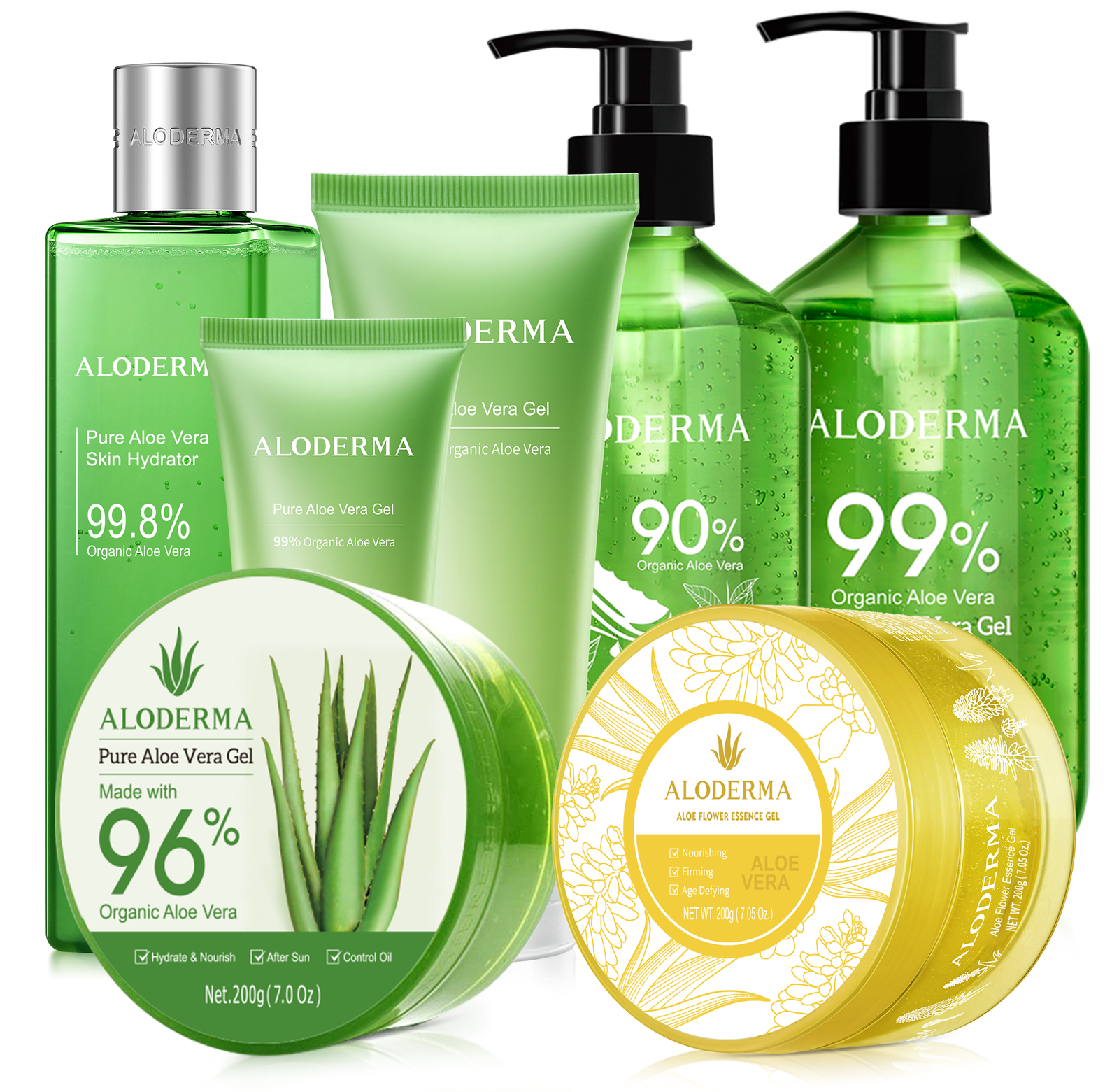
This matters even more when the aloe is fresh-handled rather than treated like an afterthought ingredient. ALODERMA is a fully vertically integrated aloe vera company. They grow their own organic aloe vera, process it on-site, and manufacture within 12 hours of harvest so the primary ingredient in every product stays as bioactive and effective as possible. That farm-to-skin approach is a big reason aloe can feel meaningfully different in use.
Body routine for first-time users
If you’re new to magnesium oil organic products, start below the neck. Body skin is usually easier to assess than facial skin.
-
Begin on a small area
Try the forearm, calf, or shoulder. Avoid freshly shaved skin. -
Use a light amount
One or two sprays are enough for a first try. You’re testing comfort, not chasing a dramatic feeling. -
Wait briefly
Let it sit for a short period so you can notice whether the sensation stays mild or becomes too sharp. -
Apply aloe on top
Smooth on a fresh hydrating layer to soften the mineral feel and reduce that dry salt finish. -
Observe the next day
Look for comfort, not perfection. Did the area feel fine afterward? Tight? Sticky? Calm? Your skin will tell you.
“Strong” doesn’t always mean “effective.” In topical routines, comfort is often what makes consistency possible.
For readers who want more aloe-specific technique, ALODERMA’s guide on how to use aloe vera for skin is a helpful companion.
Facial routine for oily or blemish-prone skin
Face use needs more patience. Magnesium oil can interest people with oilier skin because of its potential role in helping skin feel less slick, but the face is also where overdoing it backfires fastest.
Try this approach:
- Patch test first: Jawline or outer cheek works better than diving straight into your full face.
- Don’t start with all-over use: Target one small area that tends to get shiny.
- Use it at night: Daytime use can be distracting if you’re watching for tingling.
- Follow with aloe immediately if needed: If your skin feels tight fast, layering a soothing hydrator right away makes sense.
Some people prefer another method entirely. Instead of spraying directly onto the face, they apply magnesium oil to a cotton pad or fingertips, then dab a very small amount onto selected areas. That gives more control.
A short visual demonstration can help if you’re trying to picture layering and timing in a routine.
Two easy pairing ideas
You don’t need a ten-step system. A simple pairing often works best.
| Goal | Magnesium step | Aloe step |
|---|---|---|
| Body comfort after shower | Light spray on legs, shoulders, or arms | Follow with a generous layer of aloe gel |
| Oily skin support at night | Small amount on targeted shiny areas | Add a light aloe serum or gel to keep skin comfortable |
How often should you use it
Start slowly. Every other day is a reasonable way to learn how your skin responds. If the sensation softens and your skin stays comfortable, you can decide whether more frequent use makes sense.
The biggest mistake isn’t using too little. It’s assuming more magnesium equals better results. For sensitive or blemish-prone skin, routine quality matters more than intensity.
Where specific aloe products fit best
If you’re building a simple support routine, the best companions are lightweight, soothing formulas that don’t pile on heaviness. A clear aloe gel works well for body use after magnesium. A lighter hydrating serum can make more sense on the face if you dislike any tackiness.
That’s also where fresh aloe has a real advantage over richer creams. It can soften the sharp feel of magnesium without turning the routine into something greasy or occlusive.
Navigating Potential Side Effects and Safety
Magnesium oil can be useful, but it isn’t automatically easy for everyone. The most common problems are straightforward. Stinging, itching, dryness, and that tight mineral finish that makes skin feel like it needs something on top.
The good news is that these issues usually have practical fixes.
If it stings more than you expected
First, stop assuming discomfort means you need to “get used to it.” Mild tingling can happen, but strong burning is your cue to adjust.
Try one of these responses:
- Use less product: A smaller amount often changes the experience completely.
- Switch body area: Arms or legs may tolerate it better than chest, neck, or face.
- Apply to fully dry skin: Damp or recently cleansed skin can feel more reactive.
- Add a hydrating follow-up: A soothing gel or lightweight moisturizer can make a big difference.
If your skin feels dry afterward
This catches people off guard because magnesium oil isn’t oily in the moisturizing sense. It can leave salt on the skin surface, and that may feel tight.
A simple fix is to treat magnesium as step one, not the whole routine. Follow it with something water-rich and gentle. If your skin already runs dehydrated, skip frequent use until your barrier feels steadier.
Sensitive, oily skin often needs more hydration than people think. Surface shine and inner dryness can happen at the same time.
When to be extra cautious
Some situations call for more care:
- Broken or freshly shaved skin: wait until the area feels settled.
- Very reactive facial skin: patch test and start small.
- Kidney conditions or complex health concerns: talk with your clinician before making magnesium products a regular habit.
You should also keep expectations grounded. Topical magnesium isn’t a replacement for medical care, and it isn’t the right answer for every kind of discomfort or skin issue. It’s one option within a broader routine.
A calm safety mindset works best
If your skin likes magnesium, that usually becomes clear through comfort and consistency. If your skin doesn’t, forcing it rarely helps.
The best routines feel sustainable. They don’t rely on gritting your teeth through every application.
Your Questions on Organic Magnesium Oil Answered
A few questions come up again and again with magnesium oil organic products, especially from readers trying to balance wellness goals with sensitive or oily skin.
Can I leave magnesium oil on overnight
Yes, many people do, but overnight use works best when your skin already tolerates the product well. If you’re new to it, don’t start with an overnight face application. Start on the body or use a short-contact test first.
If the area feels dry after application, layering a gentle aloe-based hydrator can make overnight use much more comfortable.
Is magnesium oil the same as Epsom salts
No. They’re different compounds and they’re usually used differently. Magnesium oil is commonly made with magnesium chloride in water, while Epsom salts are magnesium sulfate and are more often associated with soaking.
For skincare use, that distinction matters because texture, feel, and application style are not the same.
Will magnesium oil make oily skin worse
Usually, that’s not the main concern. The bigger concern is that it may feel too strong or drying if used too aggressively. Some people with oily or blemish-prone skin are interested in it precisely because it may help with oil regulation, but success depends on moderation and good hydration.
If your skin is oily and sensitive, the sweet spot is often a very small amount of magnesium paired with a soothing hydrator rather than using it full-strength all over your face.
Is the tingling a sign it’s working
Not necessarily. Tingling is just a sensation. It can happen even when you’ve used too much or chosen an area that’s too delicate.
A comfortable routine is usually a better sign than a dramatic sensation.
Can I use it every day
Maybe, but not everyone needs to. Some people do well with regular use on the body. Others prefer occasional facial use or targeted application only. Let your skin response guide you.
What’s the smartest beginner routine
Keep it simple:
- Patch test first.
- Start on the body.
- Use a small amount.
- Follow with aloe if the skin feels dry or sharp.
- Move to facial use only if your skin stays calm.
That approach saves a lot of frustration and gives you a much clearer read on whether magnesium oil belongs in your routine.
If you want to pair magnesium oil with fresh, gentle hydration, explore ALODERMA. Their farm-to-skin approach starts with organic aloe vera grown on their own plantations, then processed and manufactured on-site within 12 hours of harvest to preserve the most bioactive aloe possible. That makes their lightweight gels, serums, and daily hydrators a smart match for anyone building a calmer routine for sensitive, oily, or blemish-prone skin.