



By late morning, your skin may already feel like it has hit reset in the wrong direction. You cleansed carefully, maybe even used a toner that promised to mattify, and yet your T-zone is shiny again while your cheeks feel uncomfortably tight. That cycle is exhausting. A lot of people with oily skin have been taught to fight oil with stronger and stronger products, even when their skin is clearly asking for a gentler approach.
That's where natural toners for oily skin can change the conversation. A good toner isn't there to make your face feel squeaky, dry, or tense. It's there to finish the cleansing step, help skin feel balanced, and create a calmer starting point for the rest of your routine. When the formula leans on lightweight botanicals, especially fresh aloe, oily skin often feels more comfortable instead of punished.
Rethinking Toners for Your Oily Skin Journey
You can usually spot someone who has had a bad toner experience. They swipe it on, wait for the sting, and assume that discomfort means it's working. Then they spend the rest of the day trying to manage both shine and dehydration. That old-school toner mindset has lingered for years, but it doesn't serve oily skin very well.
Modern toner has a much simpler and more useful job. It helps remove leftover dirt, makeup, and excess oil after cleansing while also helping skin return toward its natural balance. One educational source explains that healthy skin sits at about pH 5.5, and that cleansing can raise the skin's pH, while toner helps bring it back down to support barrier function and moisture retention, especially when the formula is alcohol-free and not overly stripping (natural toner guidance for oily skin).

What oily skin usually needs most
Oily skin rarely needs punishment. It needs a reset that feels clean, light, and steady.
A well-made natural toner can help with that by doing a few practical things:
- Lift what cleanser missed so skin doesn't carry leftover residue into the next step.
- Reduce that coated feeling that often lingers around the nose, chin, and forehead.
- Prepare skin for hydration so your serum or moisturizer spreads more evenly.
- Avoid the rebound effect that can happen when formulas feel too harsh.
Practical rule: If your toner leaves your skin feeling tight enough that you immediately want to wash it off, that's not balance. That's a sign to rethink the formula.
Why gentle feels different
Natural toners for oily skin work best when they don't try to do everything at once. They aren't cleansers, scrubs, and astringents rolled into one aggressive step. They're support products. They help skin feel refreshed after cleansing without pushing it into that all-too-familiar pattern of overcorrection.
This is one reason aloe-based toners stand out. Aloe has a way of making oily skin feel clean and lightly hydrated at the same time, which can be surprisingly hard to find. When your skin gets that message of support instead of stress, the whole routine starts to feel easier to stick with.
Understanding Natural Ingredients for Oily Skin
If a toner says “natural,” that doesn't automatically make it a smart choice for oily skin. What matters is which ingredients are doing the work and whether they help clear excess oil without leaving the skin uncomfortable afterward.
For oily skin, several actives come up again and again for good reason. According to this overview of toner actives for oily skin, the most technically relevant options include salicylic acid, niacinamide, and alcohol-free witch hazel. That same guidance notes that salicylic acid is oil-soluble, so it can penetrate into pores where excess sebum accumulates, niacinamide may help reduce sebum production, and aloe vera adds soothing support without the drying effect associated with alcohol-based astringents.

The ingredients worth recognizing
Here's a simple way to think about common toner ingredients for oily skin.
| Ingredient | What it helps with | What to watch for |
|---|---|---|
| Alcohol-free witch hazel | Refines the feel of oily areas and helps skin feel fresh | Avoid formulas paired with harsh drying alcohols |
| Salicylic acid | Works into oily pores where buildup collects | Too much at once can feel overly intense for some skin types |
| Niacinamide | Supports a more balanced look when skin gets shiny fast | Best when used in a gentle, well-rounded formula |
| Aloe vera | Adds lightweight comfort and hydration | Freshness and formula quality matter |
| Green tea | Popular in natural routines for a calm, refreshed feel | Better as part of a balanced formula than a gimmick ingredient |
Natural doesn't mean random
Good natural toners for oily skin are thoughtful. They combine oil-managing ingredients with ingredients that help skin stay comfortable. That's a very different philosophy from older toners built around sharp, drying alcohols.
If you're reviewing labels and want a helpful companion read, Aloderma's guide to the best ingredients for oily skin breaks down what to look for in a routine built for shine-prone skin.
A toner should leave your face feeling fresher, not fragile.
Tea tree can also be part of the conversation, especially for readers who like plant-based routines. If you're curious about where it fits and how to think about safe use, these expert tips on tea tree oil offer useful context.
A simple filter for shopping smarter
When you're deciding whether a toner belongs in your routine, ask three quick questions:
- Does it rely on alcohol for that “clean” feeling? If yes, oily skin may end up feeling stripped.
- Does it pair actives with supportive ingredients? That's usually a better sign.
- Would you want to use it every day? Consistency matters more than intensity.
That last point gets overlooked. The toner that feels dramatic for one day often loses its appeal fast. The toner that feels clean, calm, and easy to use is the one people keep reaching for.
Why Fresh Aloe Vera Is Your Skins Best Friend
You cleanse your face after a long day, reach for toner, and hope for that clean, refreshed feeling. Then your skin ends up tight in some spots, shiny in others, and somehow still uncomfortable. Oily skin often gets treated like it needs stronger and stronger products, but balance usually comes from choosing ingredients that calm the skin while keeping the finish light.
Aloe vera does that especially well in a toner. It works like the water reservoir in a healthy garden soil. It helps maintain comfort and hydration without turning the surface heavy or greasy. For oily skin, that matters because skin that feels stripped often responds by producing even more oil.
Why the source of aloe matters
Aloe is not just a familiar plant on an ingredient list. How it is grown, handled, and processed shapes how well it performs on the skin. In many products, aloe sits in the background. In a well-made toner, it can be a central part of how the formula feels and functions.
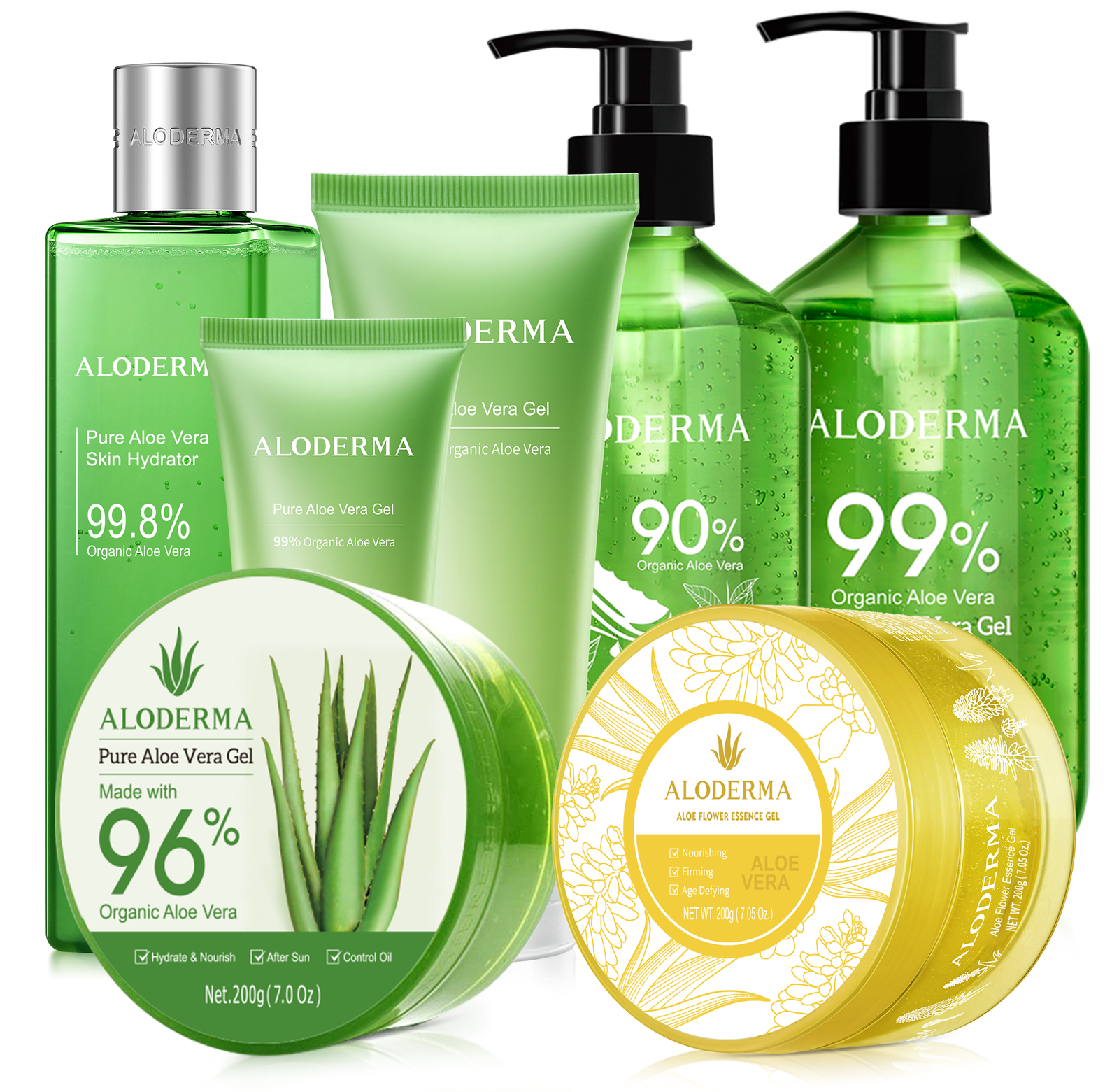
Aloderma builds its formulas around fresh organic aloe vera that is grown, processed, and manufactured onsite within 12 hours of harvest. That farm-to-skin approach matters because freshness supports the integrity of the aloe from field to bottle. If a toner is meant to help oily skin feel calm, lightly hydrated, and comfortable after cleansing, the quality of its main ingredient should match that job.
That is the difference between listing aloe and building around it.
Fresh aloe also makes more sense when you look at real routines. Many people with oily skin use cleansers, masks, or spot treatments that focus on reducing buildup. A toner with fresh aloe helps soften the edges of that routine. Instead of feeling like one more correcting step, it can help the skin settle.
What fresh aloe actually feels like on oily skin
The biggest point of confusion is simple. People hear “hydrating” and assume “heavier.” Aloe does not behave that way. In a toner, fresh aloe usually feels light, cooling, and quick to absorb, which is why it fits oily skin so naturally.
It can help skin feel refreshed after cleansing without that squeaky, over-cleared sensation. It can also support skin that looks shiny on the surface but still feels thirsty underneath, which is a common oily-skin pattern people miss. If you want a closer look at that relationship, Aloderma's guide to how aloe vera supports oily skin without heaviness explains it clearly.
This short video gives a better sense of the farm-to-skin philosophy behind fresh aloe:
Two toner directions people usually need
Oily skin is not one-note. Some days your face feels coated, especially around the nose and forehead. Other days it feels shiny but oddly dehydrated at the same time. A good aloe toner can meet either need, depending on what the rest of the formula is designed to do.
The goal is not to chase the strongest sensation. The goal is to give oily skin a steady environment where it can calm down. Fresh aloe helps create that middle ground, and Aloderma's 12-hour harvest-to-bottle process is a big part of why the ingredient feels so well suited to that task.
Fresh aloe helps toner feel supportive, not punishing.
Integrating a Natural Toner Into Your Daily Routine
A toner only helps if it fits naturally into your routine. A lot of confusion comes from not knowing when to use it, how much to apply, or what it should feel like once it's on the skin.
The right order is simple. Cleanse first. Tone second. Then move to serums, treatments, moisturizer, and daytime sun protection. That sequence gives toner a clear job without making it carry the whole routine.

Two easy ways to apply toner
There isn't just one correct method. Your choice depends on the formula and the finish you want.
-
Cotton pad application
This works well when you want to sweep away leftover residue after cleansing. It can be especially satisfying around the nose and chin where oily buildup tends to linger. -
Patting with clean hands
This feels gentler and often wastes less product. It's a nice option for aloe-based toners that you want to press into the skin rather than wipe across it. -
A split approach
Some people use a cotton pad only in the oilier zones, then pat a second light layer onto the rest of the face with their hands.
What a good toner should not do
One of the biggest myths in oily-skin care is that toner needs to sting or make your face feel tight to be effective. It doesn't. In fact, that sensation often pushes people toward overuse or toward formulas that are too aggressive for daily use.
Signs your toner is probably a better fit:
- Your skin feels refreshed instead of squeaky.
- Your forehead looks less coated but not dull or flat.
- Your next products apply smoothly rather than catching on dry patches.
- You don't dread using it because the experience is comfortable.
If you want more guidance on choosing and using this step, Aloderma's article on organic toner for face offers a helpful overview.
If your toner creates comfort, you'll use it consistently. If it creates drama, you'll eventually avoid it.
How often should you use it
Users often overdo things. Start with what your skin can comfortably handle. If a toner feels supportive morning and night, great. If your skin seems happier with once-daily use, that's also a smart routine.
Watch your skin's feedback over several days:
- More comfort after cleansing usually means the toner is fitting in well.
- Persistent tightness suggests the formula or frequency may need adjusting.
- Greasy by midday but dry at night can mean the routine still needs more balance overall.
The goal isn't maximum product use. It's steady, repeatable support.
Creating Your Own Simple Toner at Home
DIY skincare can feel appealing because it seems simple, affordable, and personal. For oily skin, homemade toner recipes often center on familiar ingredients like rose water, witch hazel hydrosol, and aloe vera. There's a reason those combinations keep showing up. They aim to freshen the skin without leaning on harsh astringents.
One example of a more measured DIY approach uses 53 g witch hazel hydrosol with 10 g aloe vera juice, while another simple option mixes 1/2 cup rose water with 1/2 cup aloe vera. These kinds of formulas reflect a broader shift toward alcohol-free toners that soothe while helping reduce the appearance of oiliness, as described in Savvy Homemade's natural toner guide.
Two low-fuss ideas people often try
If you enjoy experimenting carefully, these are the types of blends people usually start with:
- Rose water and aloe blend for a light, refreshing feel.
- Witch hazel hydrosol with aloe juice for a slightly more refining finish.
Those options sound easy, and they are easy to mix. What's harder is knowing whether the final product is stable, well-balanced, and suitable for regular facial use.
Where DIY gets tricky fast
This is the part many people don't realize until after they've made a batch. A toner isn't just a list of nice ingredients in a bottle.
A good formula also depends on:
- pH balance, so the product feels compatible with skin.
- Preservation, especially when water-based ingredients are involved.
- Ingredient quality, because aloe, floral waters, and hydrosols can vary a lot.
- Storage and shelf life, which become more important the moment you start mixing.
That doesn't mean DIY is always a bad idea. It means homemade toners are better treated as short-term experiments, not automatic replacements for a carefully formulated everyday product.
Why many people come back to formulated toners
Professionally made toners remove a lot of guesswork. You're not trying to judge freshness, adjust ratios, or wonder whether the bottle in your bathroom still feels safe to use. For oily skin, that convenience matters because consistency matters. The easier the product is to trust and repeat, the easier it is to stay with a routine that feels calming.
If fresh aloe is what your skin responds to best, formulation matters even more. Aloe works beautifully in toner, but getting the sourcing, handling, and final texture right is what turns a good idea into a dependable daily step.
Embracing Balance for Calm Confident Skin
By the end of a long day, oily skin can feel like a problem you have to manage over and over. Shine shows up again. Pores look more noticeable. A product that felt promising in the morning can feel heavy or irritating by night. The goal is not to force your skin into feeling dry. The goal is to help it stay steady.
That shift in mindset changes how toners fit into your routine. A good natural toner supports the skin after cleansing, adds a light layer of hydration, and helps the rest of your routine sit better on the skin. For oily skin, that balance is often what creates the calm, clean feeling people seek.
The routine mindset that changes everything
A balanced routine usually includes a few simple habits:
- Cleanse gently so your skin does not start the day feeling stripped.
- Use toner with a clear job such as refreshing, lightly hydrating, or helping skin feel comfortable.
- Keep hydration lightweight because oily skin still loses water and benefits from support.
- Pay attention to ingredient quality especially when aloe is a major part of the formula.
Fresh aloe deserves special attention here. Aloe in a toner works like the cooling, water-rich part of a routine that helps take the edge off excess oil without pushing skin into rebound mode. But aloe is not all the same. How quickly it is processed after harvest can influence how vibrant and intact that ingredient feels in the final formula, which is why Aloderma's farm-to-skin approach stands out. Their aloe is harvested and bottled within 12 hours, so the formula starts with aloe that is handled more like fresh produce than a shelf ingredient.
That freshness-first philosophy gives oily skin something many formulas miss. It gives comfort without heaviness, hydration without a greasy finish, and a gentler path to balance.
You do not need a harsh routine to feel in control of oily skin. You need one that makes sense, feels good to use, and is easy to repeat when your skin is having an unpredictable day.
If you want to explore a routine built around fresh organic aloe, ALODERMA is a practical place to start. Their farm-to-skin process centers on aloe vera grown on their own plantations and processed onsite within 12 hours of harvest, which fits well with oily skin that responds best to light, soothing care.