







You washed your face, your skin already feels shiny, and the last thing you want to do is put on a moisturizer before bed. That hesitation is common, especially if you wake up with an oily T-zone, clogged-looking pores, or skin that feels both greasy and tight at the same time.
A lot of people with oily or sensitive skin spend years trying to dry their face out at night. It feels logical. Less moisture should mean less oil. But skin rarely works that way.
A well-made oil free night moisturizer can help your skin feel calmer, look more balanced by morning, and stay comfortable overnight without that heavy, coated feeling. The key is understanding what “oil free” really means, which ingredients help, and how nighttime skin needs differ from daytime skin.
Why Your Oily Skin Needs a Night Moisturizer
If your skin gets slick by noon, skipping moisturizer can feel like self-control. In reality, it often sets up a frustrating cycle. You cleanse, your face feels clean for a short time, then you wake up oily again and wonder why nothing changes.
Night is when many people focus on treatment products, acne products, or exfoliating toners. Moisturizing gets treated like an optional extra. That leaves a gap, especially for people with oily and sensitive skin who want overnight comfort without waking up greasy.
Recent beauty coverage also reflects that gap. Demand is growing for organic, plant-based oil-free night options, and 95%+ natural ingredient certifications are gaining traction, yet night creams for oily or sensitive skin remain underexplored in a practical way (Good Housekeeping). Many readers are left asking a very reasonable question: how do you support your skin overnight without clogging pores?
Skipping moisturizer can backfire
Your skin still needs water, even if it also produces excess oil. Oil and hydration are not the same thing. A face can look shiny and still feel dehydrated underneath.
That is why a balanced evening routine matters. If you want a broader framework, this guide to an essential skincare routine for oily skin is a helpful companion read.
You can also get more context on how aloe fits into this issue in this article on https://aloderma.com/blogs/news/aloe-vera-for-oily-skin.
Key takeaway: Oily skin is not a reason to avoid nighttime moisture. It is a reason to choose a lighter formula more carefully.
What a night moisturizer should feel like
For oily or easily bothered skin, a night moisturizer should feel:
- Light on contact so it does not sit like a film
- Comforting by morning so your face does not feel tight after cleansing
- Easy to layer over a serum or simple treatment
- Non-greasy so bedtime skincare does not feel like too much
When people find the right texture, nighttime moisturizing stops feeling risky. It starts feeling like relief.
The Science of Skin Balance Debunking the Dry-Out Myth
The biggest myth in oily skincare is simple: if your face is oily, adding moisture must make it worse.
That idea confuses oil with water. Your skin can produce excess sebum and still need hydration. Giving oily skin a heavy cream can feel suffocating. Giving it the right kind of hydration is different.
Hydration is not the same as adding grease
Think of dry, thirsty skin like a person who needs water. You would hand them a glass of water, not a bottle of cooking oil. That is what an oil free night moisturizer tries to do. It helps the skin hold water without piling on a rich, greasy layer.
According to NCBI StatPearls, hydrating with oil-free formulas can signal oil glands to decrease overproduction, and modern gel-creams can provide up to 24-hour shine-free hydration while helping balance oily and combination skin when they combine humectants like glycerin with light occlusives (NCBI StatPearls).
What humectants do
Many oil-free formulas rely on ingredients that pull water into the skin rather than coating it heavily. The most familiar examples are:
- Glycerin
- Hyaluronic acid
- Aloe vera
These ingredients are often called humectants. Their job is to attract and hold water. That is why a gel moisturizer can feel refreshing instead of greasy.
A common point of confusion is this: if humectants bring in water, why do some people still feel dry later? The answer is formulation. Oily skin usually does best when hydration is paired with lightweight support so the skin does not lose that water too quickly.
Why over-cleansing often makes the problem worse
Many people with oily skin use strong cleansers, drying toners, and spot treatments, then stop there. Skin can respond by producing more oil. The result is a face that feels stripped after washing and shiny a few hours later.
This is why skin balance matters more than aggressive drying.
For readers who like ongoing education, insights from a dedicated skin journal can be useful for understanding how skin behavior changes with products, habits, and environment.
Think of it this way: the goal is not to fight your skin into submission. The goal is to help it stop overreacting.
Overnight Benefits for Oily and Sensitive Skin
Nighttime can be the most forgiving moment in a routine. There is no makeup sitting on top. No sunscreen to layer over it. No pressure for an instant matte finish before you run out the door.
That makes bedtime the ideal moment for hydration that supports comfort without heaviness.
For oily skin, the benefit is balance
Oil-free moisturizers are made to deliver deep hydration without clogging pores, and they often use humectants such as glycerin, hyaluronic acid, and aloe vera to provide up to 24-hour hydration while avoiding the greasy feel associated with heavier occlusives (Kiehl’s).
For someone with oily skin, that can mean waking up with skin that feels less chaotic. Not dry in some places and slick in others. Just steadier.
A practical example: if your cheeks feel tight after cleansing but your forehead gets shiny overnight, a lightweight night gel can help soften that contrast.
For blemish-prone skin, the benefit is less fear around moisturizing
A lot of acne-prone readers still carry an old rule in their head: moisturizer causes breakouts. More often, the issue is the wrong texture or the wrong ingredients.
An oil free night moisturizer is usually designed to avoid the dense, rich finish that can make blemish-prone skin feel congested. That matters when your skin already reacts badly to heavy creams.
Look for formulas that feel like they disappear into the skin rather than sitting on top of it. If you have ever touched your face after applying a cream and felt like your fingers are sliding around on product, that is often a sign the texture may be too rich for your skin type.
For sensitive skin, the benefit is comfort
Sensitive oily skin is tricky because it often needs gentleness and lightness at the same time. Rich night creams can feel overwhelming. Harsh acne care can feel drying. A well-chosen oil-free formula can sit in the middle.
That is especially helpful after cleansing, when skin may feel warm, tight, or overstimulated.
Why night is different from day
Daytime products often focus on shine control, sunscreen compatibility, and makeup wear. Night products can focus more on recovery and comfort. Many people tolerate hydrating ingredients better at night. You can apply them as the final step, let them absorb, and allow your skin to rest without extra friction.
Morning-after signs that your night moisturizer is working
You do not need dramatic results overnight. Good signs are quieter:
- Your face feels soft, not slick
- Your skin does not feel tight when you wake up
- Your cheeks look less stressed after cleansing
- Your forehead feels balanced rather than coated
A good night moisturizer should make your skin feel supported, not smothered.
If your current nighttime cream leaves residue on your pillow, feels waxy, or makes your face look noticeably oilier by morning, the issue may be the formula, not the idea of moisturizing itself.
The ALODERMA Difference Fresh Aloe for True Hydration
Freshness matters more in aloe skincare than many people realize. Aloe is not just a label claim or a decorative extract. Its value depends on how it is grown, handled, and processed.
That is why the farm-to-formula model stands out here.
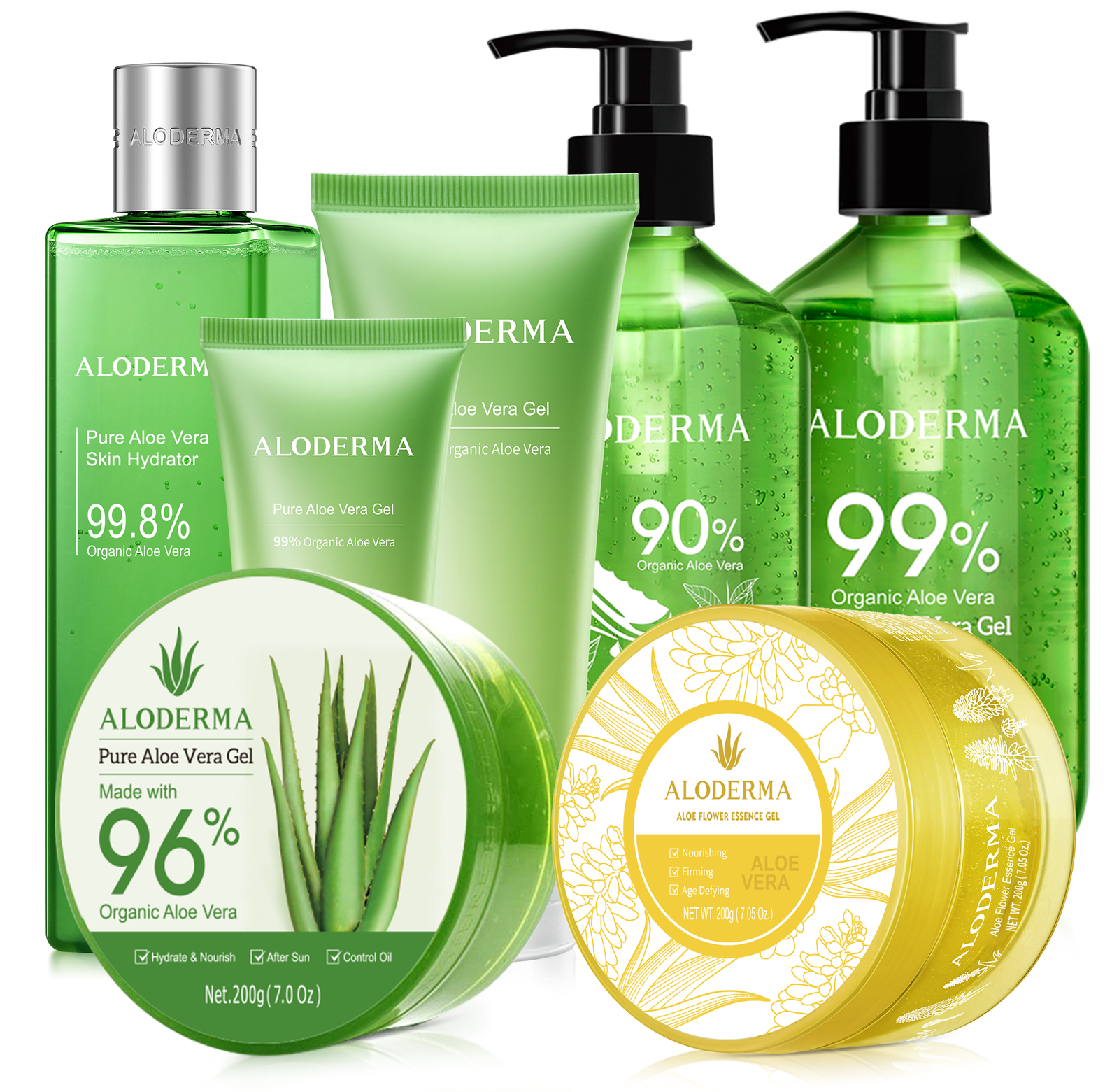
ALOERDERMA is a fully vertically integrated aloe vera company. It grows its own organic aloe vera, processes the aloe onsite, and manufactures within 12 hours of harvest so the primary ingredient in every product remains as bioactive and effective as possible. For someone with oily or sensitive skin, that matters because the formula begins with a fresh, high-aloe base rather than treating aloe like a minor add-on.

Why fresh aloe works well at night
Fresh aloe vera contains soothing polysaccharides. When paired with squalane, a skin-identical emollient, it can support the skin’s barrier and lead to plump, matte-awakening results, with squalane noted as highly effective for sensitive skin in clean beauty formulations.
That pairing makes sense in an overnight routine. Aloe brings water-light hydration and comfort. Squalane helps that hydration feel lasting without turning greasy.
If you want a simple primer on the role aloe can play in moisture care, this article is helpful: https://aloderma.com/blogs/news/is-aloe-vera-a-moisturizer
Real examples from the line
If you browse Aloderma’s collection, two product types are especially relevant to this conversation:
- 71% Organic Aloe Vera Hydrating Face Moisturizer for readers who want a lighter daily hydrator with an oil-free feel
- Hydrating Face Cream with 65% Organic Aloe Vera for day or night use when skin wants a bit more cushion while still staying lightweight
Another useful option for readers who like barrier-supportive ingredients is a formula containing glycerin, such as the Aloe Nourishing & Firming Cream, which aligns with the idea of pairing aloe with a skin-identical emollient for comfortable overnight use.
Why vertical integration matters to the person using it
Individuals typically do not consider supply chains when applying moisturizer before bed. They think about how their face feels. But the supply chain affects that experience.
When a company grows, processes, and manufactures its own aloe, there is tighter control over ingredient handling from field to bottle. That can matter for shoppers who care about:
| What you care about | Why it matters at night |
|---|---|
| Fresh aloe content | Helps the product feel more like hydration and less like filler |
| Organic cultivation | Appeals to ingredient-conscious shoppers avoiding unnecessary extras |
| Onsite processing | Supports consistency in aloe quality |
| Gentle formulation style | Useful for oily, sensitive, and easily overwhelmed skin |
One practical way to think about this: if your skin reacts badly to heavy night creams but still feels uncomfortable without any moisturizer, an aloe-forward formula often feels like a middle path.
Your Ingredient Cheat Sheet for an Oil-Free Moisturizer
Ingredient lists can look intimidating, especially at night when your skin feels unpredictable and you are trying not to make things worse. A simple filter helps. Ask two questions: what is bringing in hydration, and what might feel too heavy or irritating for my skin?

The ingredients worth learning first
Niacinamide is one of the most helpful ingredients to know. At 4-5% concentrations in oil-free night moisturizers, it can help regulate sebum production, reducing excess oil by 20-30% after 4 weeks, and it can strengthen the ceramide barrier, which may reduce transepidermal water loss by up to 25% (IT Cosmetics).
That sounds technical, but the principle is simple. Skin often feels more even-tempered, less shiny, and more comfortable over time.
Other useful ingredients are easier to recognize once you know what they do.
Oil-Free Moisturizer Ingredients The Good and The Bad
| Look For These (The Heroes) | Avoid These (The Villains) |
|---|---|
| Hyaluronic acid for water-binding hydration | Mineral oil if your skin dislikes heavy textures |
| Glycerin to attract moisture | Heavy butters if rich creams make you feel greasy |
| Aloe vera for light, plant-based hydration | Isopropyl myristate if your skin is easily bothered |
| Niacinamide for oil balance and barrier support | Strong fragrance-heavy formulas if your skin is sensitive |
| Squalane when you want softness without a greasy finish | Drying alcohol-heavy formulas if your skin feels tight after use |
For a deeper look at what oily skin tends to respond to, this guide is useful: https://aloderma.com/blogs/news/best-ingredients-for-oily-skin
How to read the label without overthinking it
A few quick rules make shopping easier:
- If the first impression is heavy, trust that clue. Thick, rich textures often feel wrong fast on oily skin.
- If niacinamide appears in a night formula, that can be a plus. It is especially relevant for oil balance and overnight support.
- If aloe vera is near the top of the ingredient list, the formula may feel lighter and more water-based.
- If the product is packed with strong scent, proceed carefully. Sensitive skin often prefers fewer sensory extras.
A good oil free night moisturizer should solve two problems at once: lack of hydration and fear of heaviness.
You do not need to memorize every ingredient. You just need to recognize the patterns.
How to Build Your Perfect Nighttime Routine
A simple routine works better than a complicated one you dread doing every night. For oily or sensitive skin, bedtime skincare should feel calming, not like a chemistry project.
A basic order that makes sense
-
Cleanse
Remove sunscreen, makeup, sweat, and the day’s buildup. Your cleanser should leave skin clean, not squeaky. -
Tone if you use one
A gentle toner can add a light layer of hydration. Skip harsh formulas if your skin feels tight after cleansing. -
Apply your serum
This could be a hydrating serum or a calming treatment. Let it settle for a moment before the next step. -
Seal in comfort with your oil free night moisturizer
Use a small amount, about a pea-sized amount for most faces. Spread it gently instead of rubbing aggressively.
Application tips that prevent common problems
Pilling is one of the most common complaints. That little rolling or flaking effect usually happens when you apply too much product, layer too fast, or combine textures that do not sit well together.
Try this:
- Use less than you think you need
- Wait a little between layers
- Press and smooth instead of scrubbing it in
- Do not keep reapplying because your skin feels damp
A visual walkthrough can help if you learn better by watching:
How to tell if your routine is too much
If your face stings, feels hot, or gets tight after your full evening routine, the problem may not be the moisturizer. It may be the buildup of too many active products underneath it.
Strip your routine back for a few nights. Cleanser, one hydrating step, moisturizer. Then observe.
Sometimes the best nighttime routine is the one your skin can relax into.
Your Questions Answered
Can I use my day moisturizer at night?
Sometimes, yes. But many day moisturizers are built to sit under sunscreen or makeup, not to support comfort through the whole night. If your daytime product feels too light by bedtime or is built mainly around oil control, a dedicated oil free night moisturizer may feel better.
What does non-comedogenic mean?
It means the product is designed not to clog pores. It is a useful sign, especially for oily or blemish-prone skin, but it is not a guarantee that every formula works for every person. Texture, total routine, and your skin’s preferences still matter.
Why does my oily skin still feel tight?
Because oiliness and dehydration can happen together. Shine on the surface does not always mean your skin has enough water. This is one reason lightweight nighttime hydration can help.
Will an oil-free moisturizer feel drying?
Not if it is well-formulated for hydration. Oil-free does not mean moisture-free. It usually means the product relies more on ingredients like glycerin, hyaluronic acid, aloe vera, and other lightweight supports instead of richer oils.
How long should I give a new moisturizer?
Give it enough time to learn the texture and how your skin feels in the morning. You are looking for patterns such as less tightness, a more comfortable feel overnight, and no heavy residue by morning.
Should oily skin use a richer cream in winter?
Sometimes. If your skin becomes noticeably tighter in colder weather, you may need a slightly more cushioned formula at night. That does not always mean a thick traditional cream. It may just mean adding a formula with ingredients that help hold hydration more effectively.
What if every moisturizer breaks me out?
Start simpler. Look for short, gentle ingredient lists and lighter textures. Remove extra actives for a few days so you can judge the moisturizer more clearly. Also remember that sometimes the cleanser or treatment underneath is the core problem.
Is aloe a good choice for sensitive oily skin?
Often, yes. Aloe-forward formulas tend to feel lighter and more comfortable than richer night creams, especially for people who want hydration without a coated finish.
If you want a gentle place to start, explore ALODERMA for aloe-based moisturizers and night-friendly hydrators made with organic aloe vera grown on the company’s own farms and processed onsite within 12 hours of harvest. That setup helps keep aloe as the central, bioactive ingredient in every formula, which is especially appealing for sensitive, oily, and ingredient-conscious skincare shoppers.