



Your beard can look full and still feel miserable.
A lot of men end up in the same cycle. The beard gets longer, but the skin underneath starts to itch. Flakes show up on a black shirt. The hair feels coarse by noon, then greasy by evening. If your skin already runs oily or breaks out easily, beard products can make things worse instead of better.
That’s where many people get confused. They shop for something “for the beard,” but the underlying issue often starts at the skin. Beard care is skincare with hair attached. If the skin under the beard is dry, reactive, congested, or overloaded with heavy oils, the beard sitting on top usually reflects it.
Organic beard oils have become a bigger part of that conversation. The category isn’t niche anymore. The global beard oil market was valued at USD 979.6 million in 2024 and is projected to reach USD 1,500.2 million by 2030, with the organic segment growing at 7.9% CAGR according to Grand View Research’s beard oil market analysis. That shift says something simple. More shoppers are paying attention to what goes into grooming products, not just how they smell.
A good organic beard oil can soften rough hair, help the beard sit better, and make the skin underneath feel calmer and more comfortable. The best ones do that without turning your face into an oil slick.
The Journey to a More Comfortable Beard
Marcus had the kind of beard people compliment from across the room. Up close, it was a different story. The ends felt wiry, the skin under his jaw stayed itchy, and by late afternoon he’d catch himself scratching during meetings. He tried washing it more. That made it tighter and drier. Then he tried a thick beard product that smelled great but left the skin under his beard feeling stuffy.
That pattern is common. People assume beard discomfort means they need more product, stronger product, or more fragrance. Often they just need a better match between the beard and the skin under it.
Organic beard oils appeal to a lot of users because they feel like a cleaner reset. Instead of piling on waxy texture or a synthetic scent, they usually focus on plant oils that condition facial hair while helping the skin feel less stressed. For someone with oily or blemish-prone skin, that difference matters. The wrong oil can sit heavily on the surface. The right one can feel light, flexible, and easier to live with every day.
What people usually notice first
Most beard problems don’t announce themselves as “skin barrier issues” or “ingredient mismatch.” They show up in ordinary ways:
- Persistent itch that starts a few hours after washing
- Flakes on collars or shirts that look like dandruff
- A beard that feels rough even when it looks decent
- Breakout-like bumps under the beard line after using heavy products
- Shine at the roots and dryness at the ends, which feels contradictory but is very common
The beard and the skin underneath don’t need separate logic. They need compatible care.
The goal isn’t a glossy showroom beard. It’s comfort. Once your skin feels balanced and your beard stops fighting you, grooming gets simpler. That’s when organic beard oils start making sense, not as a trend, but as part of a routine that respects both hair and skin.
What Truly Defines an Organic Beard Oil
You pick up a bottle that says “natural,” another that says “plant-based,” and a third that says “made with organic ingredients.” They can look equally clean on the shelf. On your face, they may behave very differently, especially if the skin under your beard gets shiny, clogged, or irritated easily.
An organic beard oil starts with more than botanical-sounding marketing. It uses ingredients grown and processed under recognized standards, with clearer rules around farming methods, contamination, and handling. In grooming, USDA Organic and ECOCERT are two labels shoppers often look for because they give you something concrete to verify.
That matters for beard care, but it matters just as much for the skin underneath. If your beard area is oily or blemish-prone, every drop sits at the intersection of hair care and facial skincare. A formula can soften coarse hairs while still feeling too rich, too fragrant, or too vague in its sourcing for reactive skin. Clean formulation is not only about what is added. It is also about how carefully the whole formula is built.

Organic and natural aren't interchangeable
“Natural” is a broad marketing word. It can refer to a plant extract, a naturally derived fragrance, or an oil that started from a botanical source but was heavily processed. It does not tell you enough on its own.
Certified organic claims set a higher bar. They give you a better window into how ingredients were grown and how a brand documents those choices. For shoppers trying to avoid unnecessary irritants or low-quality filler oils, that extra clarity helps.
If you want a practical explanation of label standards in skincare, ALODERMA’s guide to USDA organic beauty products breaks down how certified claims differ from looser wording on the front of a package.
The two parts of a beard oil formula
Most beard oils are built from two main layers, and it helps to read them the way you would read a skincare label.
Carrier oils form the base. They do most of the conditioning work for both beard hair and skin. Jojoba, argan, grapeseed, and sweet almond are common examples, but they do not all feel the same. Grapeseed often feels lighter. Sweet almond can feel richer. That difference matters if your beard is dense but your skin clogs easily.
Essential oils usually make up a much smaller portion. They are often added for scent and sometimes for specific cosmetic benefits. They also tend to be the part sensitive skin reacts to first, especially when the formula relies on strong fragrance.
A simple label check can save you trouble later:
- The first few ingredients matter most because they make up most of the bottle
- Carrier oils should lead the list in a product meant to soften hair and support skin comfort
- Strong fragrance blends deserve caution if your beard area gets red, itchy, or breakout-prone
- Certification marks and sourcing details help you separate verified claims from aesthetic branding
What a better definition looks like in practice
A well-made organic beard oil should answer simple questions without making you hunt through fine print. What are the base oils? Are they certified or just described with green wording? Is the formula designed only to make the beard look polished, or does it also respect the skin barrier underneath?
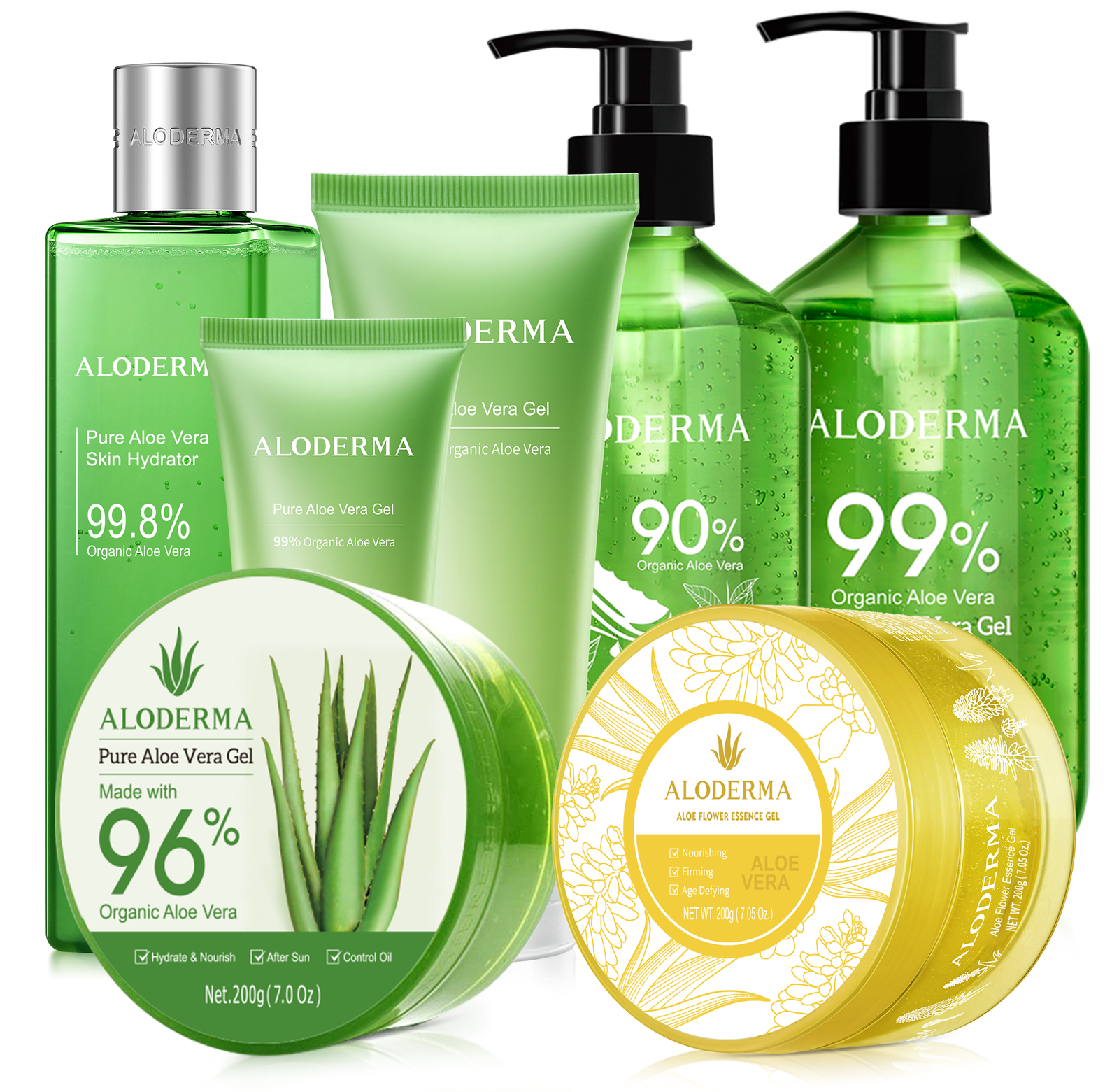
ALODERMA offers a useful model here. Its aloe-centered, farm-to-skin approach reflects the kind of transparency many beard care shoppers are looking for: clear ingredient identity, thoughtful formulation, and a stronger connection between what is grown and what goes on the skin. That mindset is especially useful in beard care because the best oil does not stop at surface shine. It helps create a beard routine that feels lighter, calmer, and easier for sensitive skin to live with every day.
Dual Benefits for Healthy Beards and Happy Skin
A beard oil earns its place when it improves two things at once. It should make the beard feel better, and it should help the skin underneath stay comfortable. If it only coats the hair but leaves the skin itchy or congested, it’s not doing the full job.
That’s why ingredient choice matters so much. Organic beard oils often rely on plant oils that work more naturally with the skin’s surface oils instead of fighting them.

What the beard itself gets
A dry beard feels rough because the hair shaft lacks enough lubrication and flexibility. That roughness creates friction. Friction leads to snagging, puffiness, and an untamed look even after combing.
Organic carrier oils can help reduce that. Jojoba is especially interesting because it structurally mimics human sebum with up to 98% similarity in fatty acid profile, which helps it absorb in a way that feels more natural on the skin and beard, according to this explanation of how organic ingredients support beard growth naturally. Argan oil also stands out because its high vitamin E content helps repair follicle damage and improve hair tensile strength.
For everyday grooming, that usually translates into visible changes you can feel:
- Softer texture with less crisp, dry feel at the ends
- Better control when brushing or shaping the beard
- A healthier-looking finish instead of brittle dullness
- Less tugging when a comb moves through denser areas
If you want to understand why jojoba behaves so differently from heavier oils, this article on organic jojoba oil gives a helpful skincare-first explanation.
What the skin underneath gets
The skin under a beard is easy to ignore because you can’t always see it clearly. But it’s doing a lot. It’s handling friction from hair growth, exposure to cleansers, trapped sweat, and whatever products you apply on top.
When that skin gets unbalanced, you usually notice itch, tightness, flakes, or a greasy-yet-dry feeling that seems impossible until you experience it.
A well-chosen beard oil helps in a few ways:
- It supports moisture balance so the skin doesn’t feel stripped after washing.
- It reduces that scratchy phase many men get during growth or in dry weather.
- It makes flakes less obvious by helping the surface stay conditioned.
- It can feel more comfortable on oily skin when the formula uses lighter oils instead of dense, occlusive ones.
Why lighter hydration matters for oily or blemish-prone skin
A lot of beard advice falls short when it treats all dryness the same and assumes every beard needs a thick oil blend. That can backfire if your skin is already producing a lot of oil or if it clogs easily.
For those skin types, the sweet spot is often a lighter routine, where your skin may need water-based hydration and a modest amount of oil, not a heavy coating that traps heat and residue.
If your beard feels oily on top but the skin underneath still feels tight, the answer usually isn’t more heavy oil. It’s better balance.
Aloe-forward layering can help here because aloe gives lightweight hydration before oil enters the picture. That can make a beard routine feel more like skincare and less like surface gloss. The result many people want is simple: a beard that feels conditioned, with skin that stays calm, not sticky.
A Guide to Key Ingredients for Your Skin Type
The fastest way to waste money on beard care is to buy by scent alone. Cedar, sandalwood, citrus, mint. They all sound good. But if your skin is sensitive, oily, or prone to bumps under the beard, the ingredient base matters more than the fragrance profile.
That’s especially important because there’s a real content gap here. A significant gap exists in beard care advice for oily or acne-prone skin, and 30% of bearded men report folliculitis from heavy oils, according to Grooming Hut’s discussion of organic beard oil and breakout concerns. Many guides still default to richer oils without helping readers sort out what feels light, what may clog more easily, and what deserves extra caution.
Start with the carrier oil
Carrier oils decide how a beard oil feels on your face. They affect slip, weight, absorption, and how the skin behaves later in the day.
Here’s a simple comparison.
| Carrier Oil | Best For Skin Type | Key Benefit |
|---|---|---|
| Jojoba | Oily, combination, sensitive | Feels close to skin’s own oil and tends to absorb cleanly |
| Argan | Oily, blemish-prone, normal | Lightweight feel and good choice when you want softness without heaviness |
| Grapeseed | Oily, combination | Very light texture that suits people who dislike greasy residue |
| Sweet almond | Normal, dry | Adds softness and conditioning, often better for skin that tolerates richer oils |
A few practical examples help.
If your beard area gets shiny by midday, jojoba or grapeseed usually makes more sense than a denser blend. If your beard feels rough but your skin also breaks out under occlusive products, argan often sits in the middle nicely. If your skin is dry and not reactive, sweet almond can feel more cushioning.
Essential oils need more respect than most labels give them
Essential oils are potent. That doesn’t make them bad, but it does mean they shouldn’t be treated like harmless fragrance extras.
For beard products, think in terms of purpose:
- Tea tree can suit people who want a fresher-feeling beard area, but it may be too assertive for very reactive skin.
- Peppermint gives a brisk sensation that some users enjoy, though that same sensation can be too much for sensitive faces.
- Lavender is often chosen when the goal is a gentler, more comforting profile.
- Cedarwood tends to appear in woodsy beard oils and can work well in balanced formulas.
Ingredient check: The more reactive your skin is, the shorter and simpler your essential oil list should be.
A simple matching guide
If you aren’t sure where you fit, this quick guide helps.
-
Oily skin under the beard
Choose lighter carrier oils such as jojoba, argan, or grapeseed. Keep scent blends modest. Watch how your skin responds after a week, not just after the first use. -
Sensitive skin
Start with unscented or lightly scented formulas. Avoid assuming “natural” fragrance means low risk. Less is often better. -
Dry, coarse beard hair with comfortable skin
You may tolerate richer oils more easily. The goal is softness and flexibility, not a waxy finish. -
Blemish-prone skin with a medium or long beard
Focus on lightweight hydration under the oil. A light aloe layer before beard oil can make the routine feel more breathable.
That last point matters. If your skin gets overwhelmed easily, beard care works better when it follows skincare logic. Hydrate first. Then use a modest amount of oil to seal in comfort and improve beard texture.
How to Choose and Evaluate an Organic Beard Oil
You pick up two beard oils at the sink before work. Both promise a softer beard and a cleaner ingredient story. By midday, one leaves the beard area comfortable. The other leaves the skin underneath shiny, itchy, or crowded with small bumps.
That gap usually comes down to formulation, not packaging.
For oily or blemish-prone skin, beard oil should be judged the way you would judge facial skincare. The beard is the visible part, but how it performs on the skin underneath is where it counts, where heat, sweat, dead skin, and product can build up. A well-made organic beard oil should condition hair without trapping your skin under a heavy, greasy film.
Start with the brand, not just the bottle
A trustworthy label gives clear answers. Where do the plant oils come from? Which ingredients are certified organic? Is the scent created with a small amount of essential oil, or is “fragrance” doing all the work? Brands that explain sourcing and processing clearly tend to make it easier to predict how a product will behave on your face.
That transparency is one reason ALODERMA’s farm-to-skin approach is a useful model. When a company shows how ingredients are grown, handled, and turned into finished products, you have more than a marketing story. You have a clearer basis for evaluating quality.
Read the ingredient list in order
Ingredient lists work like a recipe. The first few ingredients usually make up most of the formula, so they tell you what the oil will feel like.
Look for:
-
Lightweight carrier oils near the top
Jojoba, argan, grapeseed, and similar oils tend to suit beard areas that get oily or congested more easily. -
Specific organic language you can verify
Terms such as USDA Organic or ECOCERT mean more than broad phrases like “natural” or “clean.” -
A short, sensible scent profile
If the formula relies heavily on fragrance, the skin under the beard may be the first place to complain. -
Simple formulas for reactive skin
Fewer moving parts can make reactions easier to avoid and easier to troubleshoot.
If you already follow a basic face routine, use the same logic here. This guide on how to build a skincare routine can help you judge whether a beard oil fits into your existing skin-first approach.
Packaging tells you how seriously the formula is treated
Oils are sensitive to light, air, and heat. Dark glass helps protect delicate plant oils from breaking down too quickly. A dropper or pump can also make dosing easier, which matters more than many people expect. Using too much beard oil is one of the fastest ways to make oily skin feel suffocated.
Good packaging does not guarantee a good formula, but careless packaging can shorten the life of a good one.
Decide whether you want convenience or control
DIY beard oil appeals to people who like full control over every ingredient. That can work well if you understand carrier oils, dilution, and skin sensitivity. It can also go wrong fast if you add too many essential oils or choose rich oils that sit heavily on acne-prone skin.
Store-bought formulas are usually the better option if you want consistency and less guesswork. The goal is not to find the most impressive-sounding blend. The goal is to find one that keeps both beard hair and skin calm.
A simple evaluation framework helps:
-
Check whether the formula suits your skin type first
For oily or blemish-prone skin, start with lighter oils and modest scent. -
Look for proof of transparency
Clear sourcing, clear labeling, and clear certification details matter more than bold claims on the front. -
Review how the product is meant to be used
Brands that explain amount, frequency, and application method usually understand that beard care is also skin care. -
Patch test before full use
A beard can hide irritation for a day or two. Test along a small area of facial skin first. -
Separate cosmetic styling goals from skin comfort goals
If you are also researching appearance-focused options such as what is beard micropigmentation, remember that pigment effects and topical product performance are different decisions.
The best organic beard oil is the one whose ingredient list, sourcing, and skin feel all make sense together.
A good beard oil should never feel like a mystery. If you can understand what is in the bottle, why it is there, and how it supports the skin under your beard, you are far more likely to choose a formula that keeps your beard comfortable instead of merely shiny.
Mastering Your Daily Beard Grooming Routine
A beard routine doesn’t need ten steps. It needs the right order and the right amount. Most problems come from overapplying, applying too late in the day, or rubbing oil onto dry hair without ever reaching the skin.

The easiest routine to stick with
Morning is usually the best time because your beard is clean and slightly damp after washing or showering.
Use this order:
-
Cleanse gently
Remove sweat, overnight oil, and leftover product without making the beard feel stripped. -
Pat dry, don’t rough-dry
A beard that’s slightly damp is easier to condition than one that’s bone dry. -
Prep the skin first
If the skin under your beard gets tight or reactive, a lightweight hydrator can help. This guide on how to build a skincare routine is useful if you want a simple framework for layering products without overdoing it. -
Warm the beard oil in your palms
This helps spread it more evenly. -
Massage it into the skin before the beard
Don’t just smooth the surface. Get to the roots and the skin underneath. -
Finish through the lengths
Use your fingers or a comb to distribute the remaining product.
How much should you use
Most men use too much at first. The beard should feel softer, not coated.
A short beard needs very little. A longer beard needs more, but still less than one might expect. Start small, work it through, then add a little more only if the beard still feels dry.
For people who also care about the visual shape of sparse areas, it can help to separate grooming from cosmetic enhancement. If that’s something you’ve been researching, this explainer on what is beard micropigmentation gives useful context on appearance-focused options that sit outside daily beard care.
Patch testing saves frustration
This part gets skipped because it feels tedious. It’s still worth doing, especially if your skin reacts easily to fragrance or essential oils.
Apply a small amount of the new product to a discreet area first. Then give it time before using it across the full beard area. That short pause can save you from a week of discomfort.
Here’s a visual walkthrough to make application technique easier to copy at home.
One mistake to stop making
A lot of men only rub beard oil onto the outer layer because that’s what they can see in the mirror. That’s like conditioning your hair without touching your scalp line. The comfort payoff comes from reaching the skin first, then coating the beard lightly from root to tip.
If your routine leaves your beard shiny for an hour but itchy by lunch, don’t add more oil. Change the application and reduce the amount.
Frequently Asked Questions About Organic Beard Oils
Can organic beard oils make my beard grow faster
Not in a magical or direct way. Beard growth is still shaped by genetics, hormones, age, and general skin health. What organic beard oils can do is create a better environment for growth by keeping beard hair conditioned and the skin underneath more comfortable. A healthier routine often means less breakage, fewer rough ends, and less urge to scratch or over-wash the area.
How long does it take to notice a difference
Some effects show up quickly. A beard can feel softer the same day, and itch linked to dryness may ease soon after application. Texture, manageability, and the look of the beard usually improve with regular use over time. Consistency matters more than using a lot.
If a beard oil is right for you, the first sign is usually comfort, not dramatic visual change.
Are organic beard oils worth the extra cost
They can be, especially if your skin is sensitive or you care about ingredient sourcing. You’re often paying for cleaner inputs, more transparent labeling, and fewer unnecessary fillers. For some people, that means less trial and error. If a cheaper product leaves your skin uncomfortable, it isn’t the better value.
What’s the difference between beard oil and beard balm
Beard oil focuses on conditioning. It’s usually the better choice for the skin underneath and for softening the beard itself. Beard balm is thicker and often includes butters or waxes, so it adds more control and shape. If your beard is short to medium and your main concern is comfort, oil usually comes first. If your beard is longer and needs hold, balm may be the second step.
Can oily skin still use beard oil
Yes, but formula choice matters. Oily skin usually does better with lighter oils and smaller amounts. The mistake isn’t using beard oil. The mistake is assuming every oil blend behaves the same way. Lightweight options tend to feel more breathable than richer formulas.
Should I use beard oil every day
Many people can, especially if they use a modest amount. Daily use often works best when the beard is washed gently, the oil is applied to slightly damp hair, and the formula suits your skin type. If your beard starts feeling greasy or heavy, scale back the amount before you decide the product is wrong.
Do unscented beard oils work better for sensitive skin
Often, yes. Scented formulas can still work, but fewer fragrance components usually means fewer possible triggers. If your skin has reacted to grooming products before, an unscented or lightly scented beard oil is a sensible starting point.
If you want skincare-first beard support from a brand built around ingredient transparency, explore ALODERMA. As a fully vertically integrated aloe vera company, ALODERMA grows its own organic aloe vera, processes it, and manufactures onsite within 12 hours of harvest so the primary ingredient in every product stays as bioactive and effective as possible. For men dealing with sensitive, oily, or blemish-prone skin under the beard, that fresh aloe approach makes it easier to build a routine that feels light, comfortable, and consistent every day.