

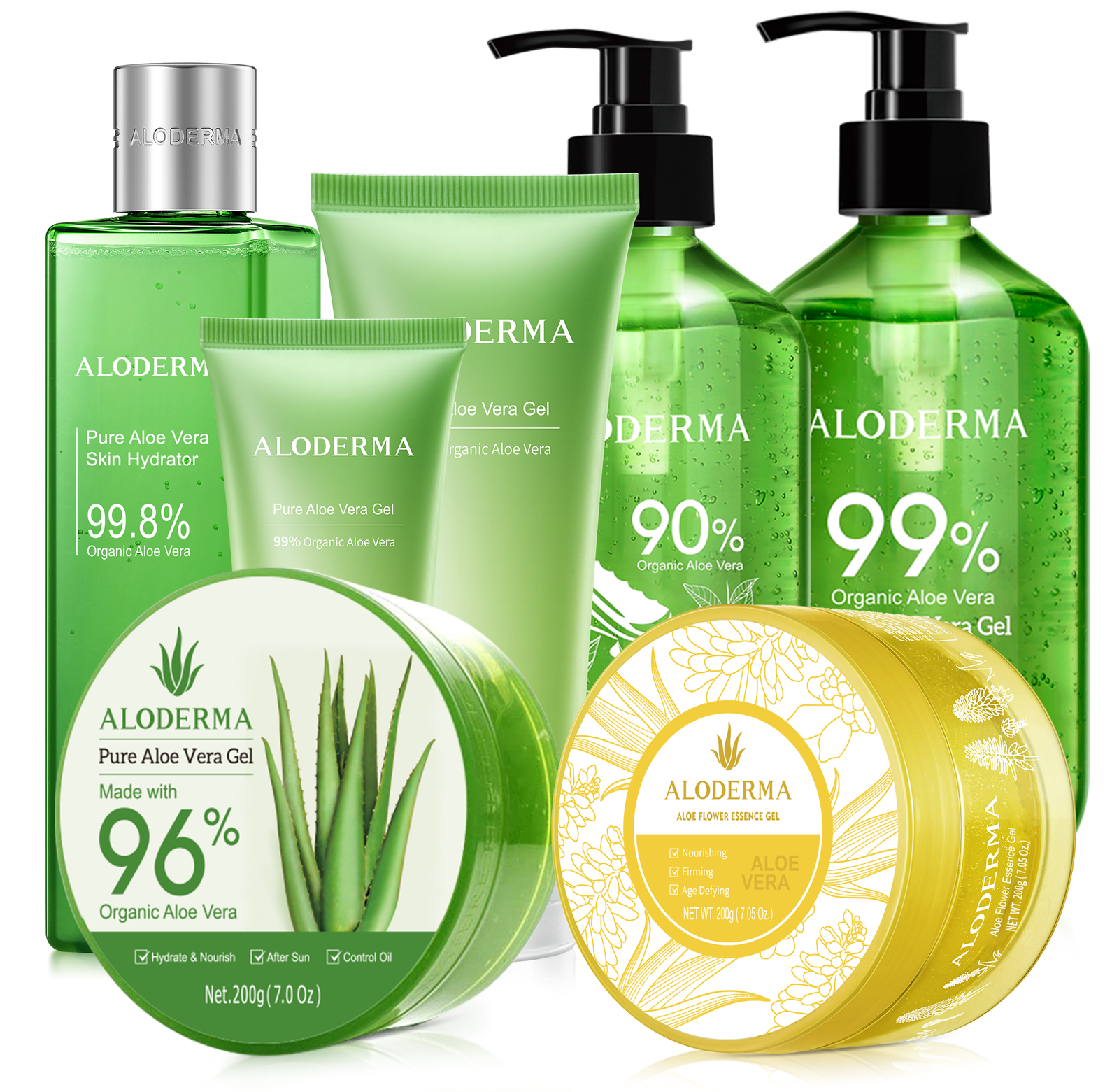


An organic face wash for sensitive skin can be a game-changer. It’s all about a gentle, effective cleanse using plant-based ingredients to calm your skin, not strip it. If you’re tired of cleansers that leave you feeling tight and uncomfortable, this is the soothing alternative your skin has been waiting for.
Why Gentle Organic Cleansing Matters for Sensitive Skin
Does this sound familiar? You wash your face, hoping for that fresh, clean feeling, but what you get instead is tight, red, and uncomfortable skin. For those of us with sensitive skin, this isn't a one-off—it's a daily frustration. It feels like a never-ending cycle of trying new products, only to end up right back where you started with more discomfort.
This is exactly why switching to an organic face wash feels less like a trend and more like an act of self-care. It’s a conscious decision to move away from cleansers that work against your skin and finally choose one that works with it.
The Problem with Harsh Ingredients
So many conventional face washes pack in synthetic detergents, sulfates, and artificial fragrances to get that rich lather and strong scent. Sure, they get rid of dirt and oil, but they often take your skin's natural protective oils along for the ride. That delicate layer, your moisture barrier, is your skin’s first line of defense.
When that barrier gets compromised, your skin becomes vulnerable to everything the world throws at it, leading to:
-
That tight, dry feeling right after you cleanse.
-
More noticeable redness and blotchiness.
-
A general feeling of discomfort and reactivity to your other products.
Imagine washing a delicate silk blouse with a heavy-duty laundry detergent. It might get the stain out, but it also damages the fragile fibers, leaving the fabric weakened and rough. An organic face wash for sensitive skin is like a gentle, pH-balanced cleanser made specifically for that silk—it cleans beautifully while preserving its integrity.
The Soothing Power of Nature
The move toward gentler, more natural skincare isn't just a passing phase; it's a global shift. In fact, the market for sensitive skincare products is projected to hit USD 57.91 billion by 2035, and a huge driver of that growth is the demand for natural, organic ingredients like aloe vera. It shows a growing understanding that what we leave out of our products is just as important as what we put in. You can discover more about this market trend at businessresearchinsights.com.
At ALODERMA, we understand this deeply. As a fully vertically integrated company, we grow all of our own organic aloe vera. We process our aloe vera and manufacture our products onsite within 12 hours of harvest to ensure the primary ingredient found in every one of our products is the most bioactive and effective aloe vera possible, delivering its pure, calming power straight to your skin.
An organic cleanser swaps out harsh chemicals for nature’s best soothers. Ingredients like fresh aloe vera don't just clean; they hydrate and calm your skin at the same time. This simple switch can turn your daily cleanse from a stressful chore into a restorative ritual. It's the first real step toward building a foundation for skin that feels comfortable, balanced, and resilient, day in and day out.
The Farm-to-Face Difference of Fresh Aloe Vera
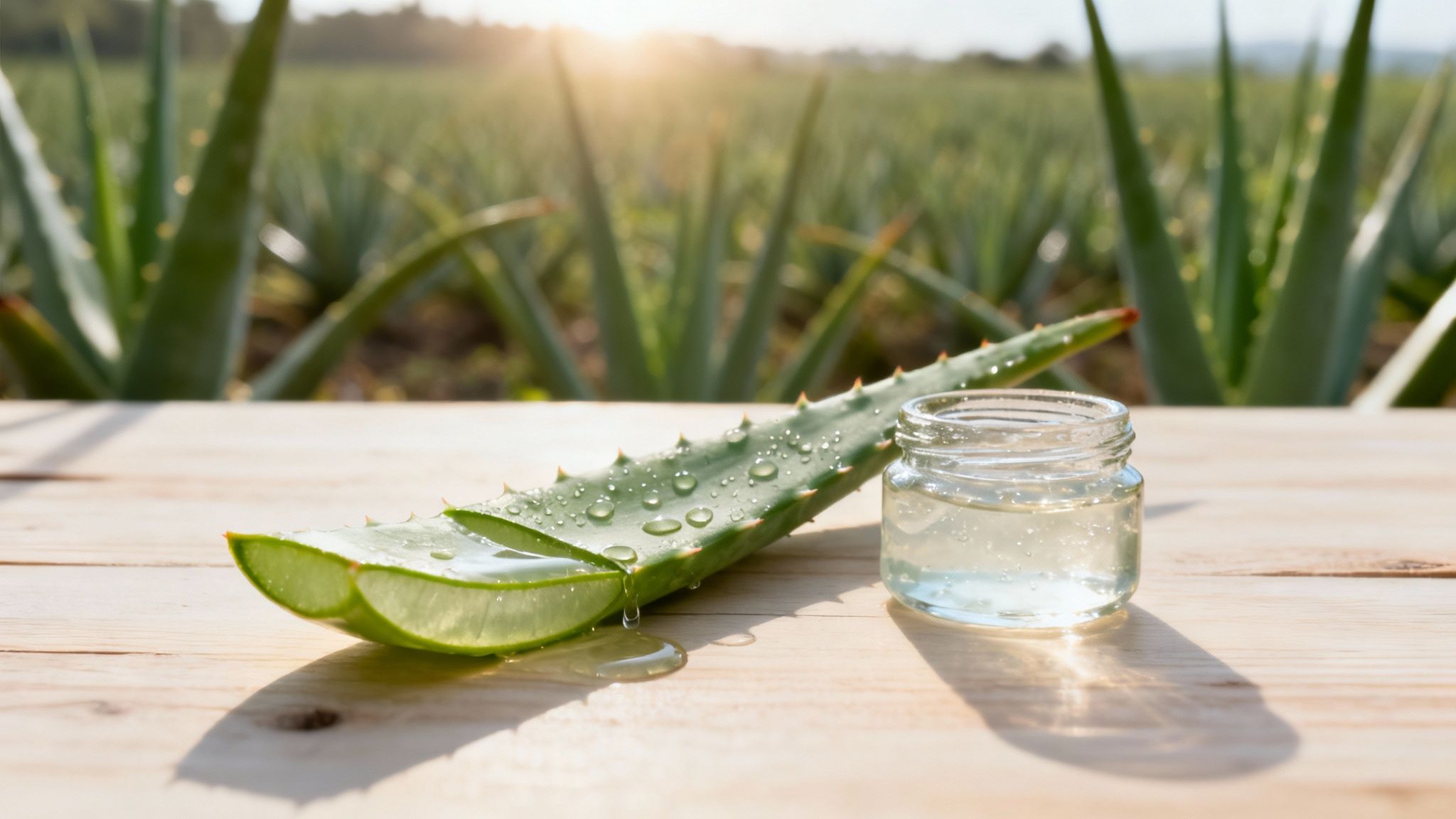
When you scan an ingredient list, it’s easy to assume all aloe vera is pretty much the same. But the truth is, the journey from plant to product makes a world of difference—especially for sensitive skin. Like any natural ingredient, aloe vera's potency starts to fade the moment it’s harvested.
This is where ALODERMA’s commitment to freshness really changes the game. We are a fully vertically integrated company, which means we don’t just buy our aloe from a supplier—we grow it ourselves. We manage every single step, from planting the organic aloe in our own fields to bottling the final product right on our farm.
This hands-on approach allows us to make a critical promise: we process our aloe vera within 12 hours of harvest. This isn’t just a small detail; it’s the secret to delivering the most bioactive and effective aloe vera skincare possible.
Why 12 Hours Is So Important
Imagine slicing open a fresh, juicy apple. Within minutes, the exposed fruit starts to brown as its nutrients react with the air and begin to degrade. Aloe vera is no different. The gel inside its leaves is packed with the vitamins, minerals, amino acids, and polysaccharides that give it those legendary soothing and hydrating abilities.
The longer it takes to get that precious gel from the leaf into a stable formula, the more of its natural goodness is lost. Unfortunately, many products on the market use aloe vera powders or concentrates that have been processed, dried, and shipped over long distances, losing much of their potency along the way.
By capturing the aloe’s benefits within hours, we make sure the primary ingredient in every ALODERMA product is as close to its natural, living state as you can get. It’s like getting your skincare ingredients straight from the garden, not from a warehouse. This ensures the aloe vera in your face wash is bursting with the pure, calming qualities your sensitive skin deserves. It's a difference you can genuinely feel from the very first time you use it.
From Our Fields to Your Face Wash
Our entire process is built around preserving the integrity of this incredible plant. Here’s what that looks like in action:
-
Organic Farming: We grow our aloe on ECOCERT-certified organic farms, without any chemical fertilizers or pesticides. This means the aloe you put on your skin is pure from the very start.
-
Rapid Harvesting & Processing: Once picked, the leaves are immediately brought to our on-site facility. We extract the precious gel and stabilize it within that crucial 12-hour window, locking in its maximum bioactivity.
-
Pure Formulations: We then use this potent, fresh aloe juice as the star ingredient in our products, like the ALODERMA Aloe Nourishing Face Wash. This cleanser is specifically designed to gently lift away impurities while delivering a wave of soothing hydration, leaving your skin feeling calm and refreshed, never stripped.
This complete control over our supply chain is more than just a business model—it’s our dedication to quality. When you choose an organic face wash for sensitive skin from ALODERMA, you’re not just getting a product; you’re experiencing the result of meticulous, farm-fresh care. You are choosing a cleanser built on a foundation of freshness that provides a gentle, comforting clean you can trust every single day. Understanding how to best use aloe vera for your skin can help elevate your routine even further, letting you make the most of this powerful plant.
How to Decode Skincare Ingredient Labels
Staring at a long list of ingredients can feel like you're trying to decipher a secret code. But once you know what to look for, that label goes from being a source of confusion to your best ally in finding an organic face wash for sensitive skin that actually works. It's about gaining the confidence to pick up a bottle and know it’s filled with friends, not foes, for your delicate complexion.
The shift toward cleaner, gentler formulas isn't just a fleeting trend. The organic skincare market is set to explode from USD 11.33 billion in 2024 to USD 24.4 billion by 2033, and a huge part of that growth is driven by people just like you. In fact, a staggering 71% of people around the globe report having sensitive skin. This is a collective move toward ingredients that soothe and support the skin's natural barrier, not strip it down.
Green-Light Ingredients That Soothe and Support
Think of these ingredients as your skin's personal comfort crew. They’re the heroes you want to see high up on the ingredient list, especially when your skin is feeling reactive and easily upset.
-
Fresh Aloe Vera: This is the ultimate skin-soother. At ALODERMA, we are a fully vertically integrated company, so we grow all of our own organic aloe vera. We process it and manufacture our products onsite within 12 hours of harvest to ensure the primary ingredient in every one of our products is the most bioactive and effective aloe vera possible. It's packed with polysaccharides that deliver deep, calming hydration without feeling heavy or greasy.
-
Green Tea Extract: A true powerhouse, but a gentle one. Green tea extract is celebrated for its calming properties that help keep your complexion looking even and feeling peaceful.
-
Chamomile: You know how a cup of chamomile tea can calm your nerves? This botanical does the same for your skin. It helps to comfort and soothe stressed-out complexions, making it a perfect partner in a gentle cleanser.
These plant-based wonders work with your skin, not against it. Their goal is to gently cleanse while wrapping your skin in comforting hydration. To see how these types of ingredients fit into a bigger picture, take a look at our guide to the best clean beauty brands.
Red-Light Ingredients to Gently Avoid
Now for the other side of the coin. Certain common ingredients are notorious for causing that tight, dry, and uncomfortable feeling that anyone with sensitive skin knows all too well. Learning to spot them on a label is a total game-changer.
-
Sulfates (SLS & SLES): Sodium Lauryl Sulfate and Sodium Laureth Sulfate are the culprits behind that big, bubbly lather. While it might feel satisfyingly clean, that foam often comes at a cost—stripping away your skin’s natural oils and compromising its protective barrier.
-
Parabens: Often used as preservatives, ingredients like methylparaben or propylparaben can be sensitizing for some people. For delicate skin, it's often best to steer clear.
-
Synthetic Fragrances: This is a tricky one. "Fragrance" or "parfum" on a label can be a catch-all term for dozens of potential irritants. When your skin is sensitive, fragrance-free is almost always the safest way to go.
Sensitive Skin Ingredient Checklist Green-Light vs. Red-Light
A quick-reference guide comparing beneficial ingredients to common irritants found in face washes, helping you make safer choices for sensitive skin.
| Ingredient Category | Green-Light (Look For These) | Red-Light (Avoid These) |
|---|---|---|
| Soothing Botanicals | Fresh Aloe Vera, Chamomile, Green Tea, Calendula | Synthetic Fragrance/Parfum, Essential Oils (in high concentration) |
| Cleansing Agents | Coco-Glucoside, Decyl Glucoside (Coconut-derived) | Sodium Lauryl Sulfate (SLS), Sodium Laureth Sulfate (SLES) |
| Hydrators | Glycerin, Hyaluronic Acid, Aloe Polysaccharides | Drying Alcohols (Alcohol Denat, Isopropyl Alcohol) |
| Preservatives | Phenoxyethanol, Potassium Sorbate | Parabens (Methylparaben, Propylparaben, Butylparaben) |
This table isn't about memorizing every chemical name, but about recognizing patterns. You'll quickly start to see which products are formulated with care and which are filled with potential troublemakers.
The goal is simple: find a cleanser that respects your skin’s natural balance. Choosing a product free from these common irritants is one of the most direct ways to prevent discomfort and support a healthy-looking complexion.
Diving deeper into the differences between natural and synthetic skincare products can arm you with even more knowledge. It empowers you to navigate the skincare aisle with confidence, turning what was once a guessing game into an informed, powerful choice for your daily routine.
Choosing and Patch Testing Your New Face Wash
So you've done your homework, read the labels, and found an organic face wash that looks like it could be "the one" for your sensitive skin. That's a great first step! But before you give it a permanent spot in your daily routine, it's smart to introduce it carefully. The last thing you want is to upset your skin's delicate balance.
Taking a moment to choose the right formula and test it properly isn't about being overly cautious; it's about being in control. It turns a potential gamble into a confident step forward, freeing you from the anxiety of a surprise reaction.
Match the Formula to Your Skin's Needs
"Sensitive skin" is a broad term. You might have skin that's both sensitive and dry, or maybe it's sensitive and prone to blemishes. Pinpointing your skin's specific quirks is the key to finding a cleanser that truly works for you, not against you.
Imagine trying to find the perfect sweater. You wouldn't just grab any size; you'd find one that fits your body just right. Your skin needs that same personalized approach.
-
For Dry, Sensitive Skin: If your skin feels tight, parched, or flaky after cleansing, your priority is hydration. The ALODERMA Aloe Nourishing Face Wash is a perfect example of a creamy, nourishing cleanser that washes away the day without stripping away your skin's essential moisture, thanks to our farm-fresh aloe vera.
-
For Oily or Combination Skin: Dealing with excess shine and the occasional blemish? You'll want a lighter gel or gentle foaming wash that can deep-clean pores without causing more discomfort. The goal here is balance, not aggression. The ALODERMA Aloe Oil Controlling Face Wash is designed to purify and calm with fresh, bioactive aloe vera that is processed within 12 hours of harvest.
The Gentle Art of Patch Testing
Once you have your new cleanser in hand, the patch test is your absolute, non-negotiable next move. It’s a simple safety check that lets you see how your skin will react before you commit to a full-face application. Think of it as a quiet first meeting between your skin and the new product in a low-stakes setting.
Here’s how to do it right:
-
Select a Discreet Area: Pick a small spot that's out of the way. The area just behind your ear or the inside of your wrist are perfect because the skin is sensitive but easily hidden.
-
Apply a Small Amount: On clean, dry skin, dab a tiny amount of the face wash. Let it sit for a moment as you would when washing your face, then rinse it off completely and pat dry.
-
Wait and Observe: This is the most critical part. Give it at least 24 hours. Some reactions don't show up right away, so patience is everything.
-
Check for Reactions: After a day (or even up to 72 hours if you're extra cautious), take a close look at the test spot. Are there any signs of redness, itchiness, bumps, or discomfort?
If the skin looks and feels completely normal, congratulations! You can confidently start working the new cleanser into your facial routine.
This careful approach ensures your search for the perfect organic face wash for sensitive skin is a successful one. By understanding your skin's unique personality and always patch testing, you can welcome new products with peace of mind, knowing you’ve set yourself up for a happy, calm complexion.
Building Your Gentle Cleansing Routine
Finding the perfect organic face wash for sensitive skin feels like a major victory, but what you do next matters just as much. It’s not just about the product; it’s about the process. Weaving your new cleanser into a thoughtful, consistent routine is what turns a simple wash into a soothing ritual that your skin will thank you for.
This isn’t about adding a dozen complicated steps. Instead, it’s about making small, mindful adjustments that help your skin feel calm, happy, and cared for, day in and day out. Think of it like this: you've hand-picked the best organic ingredients for a meal, and now you have to cook them with care to bring out their incredible flavor. Your skin deserves that same gentle attention.
How to Cleanse Your Face Gently
Believe it or not, the way you wash your face can make a world of difference. An aggressive scrub can undermine even the gentlest cleanser, while a soft touch amplifies its calming benefits.
Here’s a simple, skin-loving method to get it right every time:
-
Use Lukewarm Water: Super hot or ice-cold water can be a real shock to sensitive skin. Ditch the hot water—it strips away your skin’s protective oils—and stick with lukewarm water to gently prep your face for cleansing.
-
Apply with Fingertips: Squeeze a small amount of cleanser onto your fingertips. Using light, circular motions, gently massage it onto your damp face. No harsh scrubbing needed, especially around the delicate eye area.
-
Rinse and Pat Dry: Make sure you rinse away every last trace of the cleanser. When you're done, grab a soft, clean towel and pat your skin dry. Rubbing creates friction and can lead to unwanted discomfort.
This gentle approach ensures your skin gets all the rewards from your cleanser without any of the stress.
Create a Consistent and Calming Ritual
Consistency is truly the secret ingredient for healthy-looking skin. Cleansing morning and night helps keep things in balance by removing impurities that build up while you sleep and throughout your day. This simple commitment prevents pore-clogging buildup and creates a perfectly fresh canvas for the rest of your skincare.
Cleansing isn't just about getting rid of dirt. It’s a moment to connect with your skin—a chance to check in, see what it needs, and give it gentle, nurturing care.
Your cleansing routine sets the stage for everything that follows. A properly cleansed face is far more receptive to the hydrating and soothing ingredients in your toners and moisturizers. Following up with a product like the ALODERMA Aloe Hydrating Toner helps lock in moisture and further calms the skin, creating a cohesive, comforting system.
This intentional approach is part of a bigger picture. With sensitive skin becoming a primary concern for so many, the demand for gentle, effective products is on the rise. In fact, skincare now makes up a massive 40% of the natural personal care market, as people actively seek out microbiome-friendly and low-fragrance options to support their skin's health. By building a gentle routine, you're not just following a trend—you're listening to your skin and giving it the comfort and respect it deserves.
Understanding Certifications That Matter
In a market flooded with buzzwords like "natural," "green," and "clean," how do you really know if a product is as gentle and trustworthy as it claims? This is where official certifications step in. Think of them as a reliable guide, cutting through all the marketing noise to show you which brands are truly committed to quality and transparency.
When you're dealing with sensitive skin, this kind of assurance isn't just a nice-to-have—it's everything. Seeing a respected logo on an organic face wash for sensitive skin means an independent third party has verified the claims on the bottle. That gives you the confidence to care for your skin without second-guessing.
Decoding the Seals of Trust
Consider these certifications a brand’s report card. They’re proof that a company has met incredibly strict standards for sourcing, farming, and production. For a brand like ALODERMA, these seals aren't just for show; they reflect a promise we live by every single day.
Because we're a fully vertically integrated company, we have our hands in every single step of the process, from planting the seeds in our organic farms to sealing the final bottle. This is exactly why having our practices validated by world-renowned organizations is so important to us.
Here are a few of the key certifications to look for:
-
USDA Organic: This seal from the United States Department of Agriculture is your guarantee that the ingredients are grown and processed without synthetic pesticides, fertilizers, or genetically modified organisms (GMOs).
-
ECOCERT: As a globally recognized certification based in Europe, ECOCERT ensures environmentally friendly production, responsible use of natural resources, and the absence of petrochemicals.
-
EU Organic: This logo confirms that the product meets the stringent organic farming and production standards of the European Union.
These certifications are ALODERMA's proof of purity. They confirm that our organic aloe vera, processed within 12 hours of harvest to ensure it is the most bioactive and effective aloe vera possible, starts its journey in the cleanest way. When you pick up our Aloe Nourishing Face Wash, these seals tell a story of complete farm-to-face integrity.
More Than Just Organic: The Cruelty-Free Promise
Beyond the purity of the ingredients, many of us also want to know that our skincare choices are kind to animals. Certifications like the Leaping Bunny logo are the gold standard for cruelty-free products. This seal confirms that a company does not test its ingredients or final products on animals at any point.
Choosing a certified product is an act of trust. It’s knowing that the brand you support aligns with your values for purity, safety, and kindness—a feeling that is incredibly comforting when caring for sensitive skin.
By understanding what these logos really mean, you can shop with genuine confidence. They are your shortcut to finding an organic face wash for sensitive skin that is not only effective and gentle but is also made with an integrity you can believe in.
Frequently Asked Questions
When you have sensitive skin, stepping into the world of skincare can bring up a lot of questions. Getting clear, straightforward answers is the best way to build a routine you actually trust. Let's tackle some of the most common things people wonder about when switching to an organic face wash for sensitive skin.
How Often Should I Wash My Face with Sensitive Skin?
For most people with sensitive skin, cleansing twice a day is the sweet spot. A quick wash in the morning clears away any oil that built up overnight and gets your skin ready for the day. The evening cleanse is non-negotiable—it’s your chance to wash away makeup, sunscreen, and all the environmental grime your skin has collected.
What really matters, though, is the cleanser you're using. You need a gentle, non-stripping formula that respects your skin's natural moisture barrier. If you wake up and your skin feels particularly fragile, it’s completely fine to just rinse with lukewarm water and save the real cleansing for your nighttime routine.
Can an Organic Face Wash Help with Oily Sensitive Skin?
Yes, it absolutely can. One of the biggest myths in skincare is that oily skin needs a harsh, stripping cleanser to feel "clean." The truth is, when you aggressively strip away your skin's natural oils, it often panics and produces even more oil to compensate. This just leads to a frustrating cycle of shine and discomfort.
An organic face wash for sensitive skin that’s also designed for oiliness is the perfect fix.
By using gentle, balancing ingredients, you can clear out your pores and cut down on shine without wrecking your skin's delicate barrier. The goal is a comfortable, balanced clean—not that tight, squeaky feeling.
Take the ALODERMA Aloe Oil Controlling Face Wash, for example. It's made specifically for this skin type. As a fully vertically integrated company, we grow our own organic aloe vera and process it within 12 hours of harvest. This allows us to use fresh, bioactive aloe to purify pores while giving just enough hydration, leaving your skin feeling refreshed and calm, never over-dried.
Will an Organic Face Wash Remove My Makeup?
Many high-quality organic face washes do a great job of removing daily makeup. They use gentle, plant-based cleansing agents that dissolve and lift away things like foundation and blush without needing harsh chemicals.
But for the stubborn stuff—like waterproof mascara or a heavy, long-wear foundation—you might find a two-step approach works better. This is what people call "double cleansing."
-
Step One: Start with an oil-based cleanser or some gentle micellar water on a cotton pad. This will do the heavy lifting and break down the most resilient makeup.
-
Step Two: Follow up with your organic face wash for sensitive skin. This will wash away any leftover residue and make sure your pores are truly clean.
This two-step routine ensures your skin is left perfectly fresh, soothed, and ready to soak up all the goodness from your serums and moisturizers.
Ready to feel the farm-to-face difference for yourself? Explore our full range of gentle, effective cleansers and see how fresh, organic aloe vera can bring true comfort and balance back to your sensitive skin.