



You're probably here because you picked up a cleanser, saw “paraben free” on the front, and wondered if that automatically makes it a smarter choice for your skin.
That's a fair question. Skincare labels can make one phrase sound like the whole story, when it's really just one small part of how a face wash works. A cleanser can be paraben free and still feel drying. Another can skip that label and still be thoughtfully made. What usually matters most is how the entire formula behaves on your skin day after day.
If you like clean beauty, ingredient transparency, and simple routines, it helps to think in a more useful way: not just “What's missing?” but also “What's doing the cleansing, what's helping skin stay comfortable, and what's the main ingredient?” That's where the conversation gets much more practical.
What Paraben-Free Actually Means for Your Face Wash
You see “paraben free” everywhere because it's an easy front-label message. But before that claim means anything to you, it helps to know what parabens do.
Parabens are preservatives. In cosmetics, they've long been used to help prevent the growth of harmful bacteria and mold. The U.S. FDA identifies methylparaben, propylparaben, butylparaben, and ethylparaben as common forms, and also notes that it does not currently have information showing parabens as used in cosmetics affect human health in that context, making paraben-free more of a brand and consumer preference than a blanket regulatory requirement for face wash (FDA overview via PubMed Central).

Think of parabens like a freshness seal
A simple analogy helps. If a face wash is water-based, it needs a reliable way to stay stable and safe during normal use. Preservatives are like the freshness system inside the bottle. They help keep the formula from becoming a place where unwanted microbes can grow.
That's why “paraben free” doesn't mean “preservative free.” It usually means the brand chose a different preservative system.
Why the label became so popular
Many shoppers want shorter ingredient lists, more familiar-sounding ingredients, or products that fit their personal clean beauty standards. Brands responded by creating formulas without parabens and making that absence more visible on packaging.
That choice can make sense if it lines up with your preferences. The confusion starts when people assume paraben free = automatically gentler, cleaner, or better. That's not something the label can promise by itself.
Practical rule: Treat “paraben free” as a starting clue, not a final verdict on whether a cleanser will feel good on your skin.
A smarter question is, “What replaced them, and how does the full formula cleanse?” That's where texture, comfort, rinsing, and everyday skin feel are decided.
Beyond Parabens What Your Skin Truly Needs From a Cleanser
The face wash your skin likes most usually isn't the one with the loudest “free-from” claim. It's the one that removes oil, sweat, sunscreen, and daily buildup without leaving your face feeling tight, squeaky, or overworked.
Dermatology guidance from the AAD keeps it refreshingly simple. The best face wash is often one that is gentle, non-abrasive, and alcohol-free (AAD face washing guidance). That framework is much more useful than chasing a single label.
What matters more than the claim on the front
A cleanser's comfort usually comes down to a few things working together:
- Gentle cleansing agents: These lift away grime without making your skin feel stripped.
- Supportive ingredients: Humectants and skin-friendly extras can help the formula rinse clean without that stiff after-feel.
- Daily usability: If a cleanser feels comfortable morning and night, you're more likely to use it consistently.
- A smart primary ingredient: When the base of the formula is chosen carefully, the whole product often feels more balanced.
For people building a lower-waste routine, it can also help to compare face care shopping with broader eco-conscious body wash choices. The same logic applies. A thoughtful formula matters more than a trendy label on its own.
Why the primary ingredient deserves more attention
Many “clean beauty” conversations miss the point. People spend so much time scanning for what's excluded that they overlook what the formula is mostly made of.
Fresh aloe is a good example. In a face wash, aloe can contribute to a softer, more comfortable cleansing experience when it's used as a meaningful part of the formula rather than as a tiny add-on at the bottom of the ingredient list. If your skin often feels reactive, dry after washing, or uncomfortable with strong cleansers, a fresh aloe-led formula may make more sense than picking a random bottle just because it says paraben free.
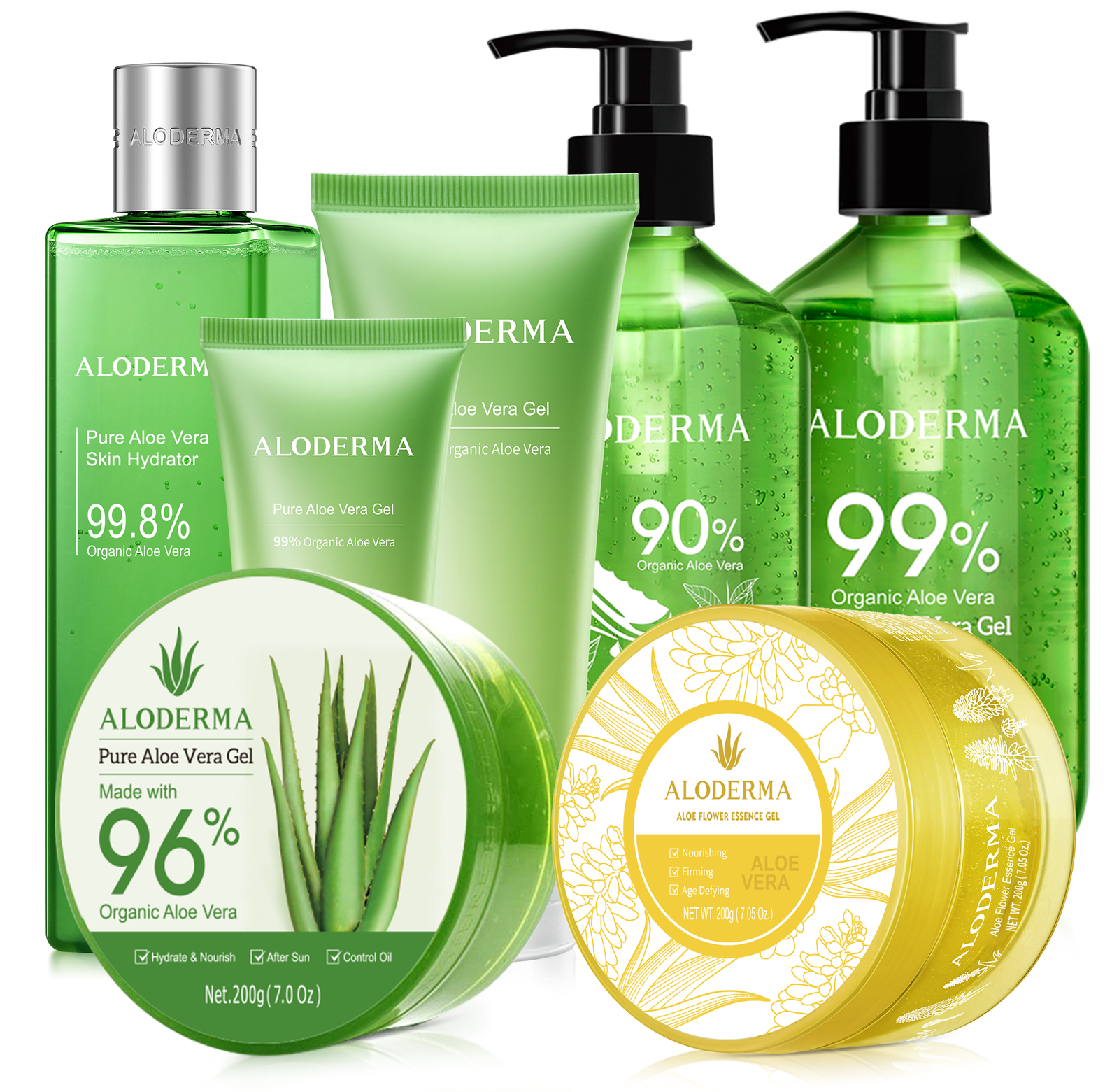
ALODERMA takes a formulation-first approach here. The company is fully vertically integrated, grows its own organic aloe vera, and processes and manufactures onsite within 12 hours of harvest so the primary ingredient used throughout the line is as bioactive and fresh as possible. If you want a practical look at how aloe can fit into a gentler routine, the brand's guide to aloe vera for sensitive skin is a useful companion read.
The front label can tell you what a product leaves out. The ingredient list tells you what your skin actually meets.
How to Read a Paraben-Free Cleanser Label Like a Pro
Once you know a label isn't the full story, ingredient lists become much less intimidating. You don't need to memorize every cosmetic ingredient. You just need a short system for spotting the pieces that matter.

Start with the obvious screen
If you want to avoid parabens, scan for names such as methylparaben, propylparaben, butylparaben, and ethylparaben. That gives you a fast first pass.
Then keep going, because the more important question is what the formula uses instead.
Look for the replacement system
Many modern paraben-free cleansers use alternative preservatives such as sodium benzoate and potassium sorbate, often paired with mild surfactants like sodium laurylglucosides hydroxypropylsulfonate and cocamidopropyl hydroxysultaine to create a cleanser that feels gentle but still works effectively (published formulation example).
That combination tells you something useful. The formula wasn't just stripped down. It was rebuilt.
Here's a simple label-reading shortcut:
| What you spot | What it can tell you |
|---|---|
| Paraben-free claim | The brand chose an alternative preservative approach |
| Mild surfactants | The cleanser may feel less harsh during daily use |
| Aloe vera or glycerin | The formula may be aiming for comfort as well as cleansing |
| Long list of strong-sounding actives | Worth checking whether the wash matches your tolerance |
A short explainer can make that process even easier:
Read for positives, not just absences
A lot of shoppers stop after confirming what isn't included. A better habit is looking for what supports skin comfort.
For example, aloe vera, glycerin, and mild cleansing agents often say more about your likely experience than a big front label does. If you want a broader checklist for ingredient awareness, this guide on ingredients to avoid in skincare can help you build your own filter.
If the bottle says paraben free but the formula still looks aggressive for your needs, trust the ingredient list over the marketing line.
Choosing the Right Paraben-Free Face Wash for You
A good cleanser match often comes down to the moment you know too well. Your skin feels tight right after rinsing. Or your T-zone gets shiny fast, but stronger washes make the rest of your face feel uncomfortable. Or you just want something simple that leaves your skin clean and calm instead of “super deep cleaned.”
That's where it helps to choose by skin behavior, not by trend.
If your skin feels tight after washing
You'll usually do better with a cleanser that prioritizes softness over dramatic foam. Look for a formula built around gentle cleansing and a comforting base ingredient.
One option to browse is the ALODERMA cleanser collection, especially if you want aloe-led face washes. The line is relevant here because the brand's cleanser range includes paraben-free options, and its approach centers on organic aloe grown on its own farms, then processed and manufactured onsite within 12 hours of harvest. That farm-to-skin setup matters most when you care about the quality of the primary ingredient, not just what's been removed from the formula.
If you deal with excess oil and want balance
Oil-control cleansers can work well when they don't rely on a harsh, stripped-clean feeling. Effective formulas often pair salicylic acid with supportive ingredients such as glycerin and niacinamide, which helps the cleanser target pore congestion while reducing the dryness that can come with stronger washing.
That's an important reminder for anyone shopping by label alone. A paraben-free face wash for oilier skin still needs a smart support system. Otherwise it may cleanse aggressively without leaving skin comfortable enough for daily use.
If you like simple, natural-leaning routines
Some people prefer making or exploring gentler routines before committing to a finished formula. If that sounds like you, these DIY oil face wash recipes from Skin Perfection offer helpful context on how people think about cleansing oils and skin feel.
Still, DIY inspiration is different from a finished cleanser. A bottled face wash needs to balance cleansing agents, rinsability, stability, and preservation. That's why the best choice is usually the one that fits your skin's daily reality:
- Morning tightness: lean toward softer, comfort-first cleansing
- Midday shine: look for balanced oil-control, not maximum stripping
- Uneven zones: consider a cleanser that feels moderate rather than extreme
- Ingredient-conscious shopping: focus on the full formula and the main ingredient first
Your skin doesn't care whether a claim is trendy. It cares whether the formula leaves it feeling comfortable enough to use again tonight.
Answering Your Questions About Paraben-Free Cleansers
Some of the biggest cleanser myths sound convincing because they're simple. Skin, unfortunately, isn't that simple.
Does paraben free mean the cleanser is automatically gentler
No. Clinical research suggests cleanser performance, especially for blemish-prone skin, is tied more closely to the overall cleansing effect and full formulation than to the number or type of surfactants alone, which challenges the idea that being paraben free guarantees a better result (clinical summary).
Does paraben free mean natural
Not necessarily. “Paraben free” only tells you one class of preservatives isn't used. It doesn't tell you whether the formula is natural, plant-based, minimal, or suitable for your preferences.
Will a paraben-free face wash expire faster
Not always. A product can be paraben free and still use a well-designed preservation system. The question isn't whether parabens are absent. It's whether the formula was preserved properly in another way.
“Paraben free” answers one ingredient question. It doesn't answer the performance question.
Are alternative preservatives always better
Not automatically. They're different. What matters is whether the full formula stays stable and feels good on your skin.
Should I shop by skin type or by ingredient claim
Start with your skin's experience. If a cleanser leaves you feeling clean, comfortable, and able to use it consistently, that's usually a stronger sign than any front-of-bottle phrase.
A practical filter is simple:
- Choose by feel: Does your face feel comfortable after rinsing?
- Choose by routine: Can you use it day after day without dreading the after-feel?
- Choose by formula: Are there skin-supportive ingredients alongside the cleansing system?
- Choose by honesty: Does the label tell a full story, or just one catchy claim?
The Fresh Takeaway on Clean Cleansing
A paraben-free face wash can absolutely fit into a thoughtful skincare routine. It just shouldn't be the only thing guiding your decision.
The more useful way to shop is formulation first. Look at what cleanses, what supports comfort, what preserves the formula, and what the product is mostly made of. That approach is calmer, smarter, and much closer to how your skin experiences a cleanser.
For clean beauty shoppers, that shift can be a relief. You don't need to react to every ingredient headline. You can ask better questions instead. Is this wash gentle enough for regular use? Does the formula include ingredients that help skin feel comfortable after rinsing? Does the brand say something meaningful about the quality of the primary ingredient?
That last point matters more than many people realize. When a cleanser is built around fresh aloe and the company controls growing, harvesting, and onsite processing, the formula story becomes bigger than a single “free-from” badge. It becomes a question of ingredient integrity from the start.
If you remember one thing, make it this: a paraben-free label can be helpful, but it's the whole formula that determines whether your skin feels clean, calm, and balanced.
If you want to explore aloe-based cleansers and other everyday skincare made with fresh organic aloe, visit ALODERMA. Their farm-to-skin approach centers on aloe they grow themselves, then process and manufacture onsite within 12 hours of harvest, which gives ingredient-conscious shoppers a clearer way to evaluate what's inside the bottle.