







You smooth moisturizer over your cheeks because they feel tight, then check the mirror at lunch and your forehead is shiny again. Or you treat the shine first, only to end the day with dry patches around the mouth and a face that feels overworked. That push and pull is what makes combination skin so frustrating. It rarely responds well to one-note routines.
The good news is that combination skin isn't confused skin. It has a pattern. Once you learn how to treat oilier and drier areas differently, products for combination skin start making a lot more sense. If you've been trying to force one cleanser, one moisturizer, and one texture to do everything, that alone may be why your routine keeps missing the mark.
The Balancing Act An Introduction to Combination Skin
Combination skin usually shows up in a very familiar way. The T-zone gets slick, congested, or breakout-prone, while the cheeks stay normal, tight, or visibly dry. Many people think this means their skin is difficult, but in practice it means their skin needs a more precise routine.
That need is hardly niche. Combination skin affects nearly 50% of the population, and the cosmetic skincare sector was valued at USD 210.84 billion in 2025, reflecting how many consumers are looking for targeted products that can handle both oil control and hydration at once, according to this combination skin market overview. If you've felt like you're constantly mixing advice for oily skin with advice for dry skin, you're in very good company.
A lot of standard routines still lean heavily on harsh foaming cleansers, strong acids, and matte-first products. Those can help for a few hours, but they often leave the drier parts of the face feeling worse. On the other side, rich creams meant for dry skin can sit heavily on the nose and forehead and make midday shine harder to manage.
Combination skin does better with balance than force. The goal isn't to dry out the oily areas or smother the dry ones. It's to help each zone behave more evenly.
That’s why readers often end up searching for an effective routine for combination skin that treats the face in sections instead of as one uniform surface. That approach is practical, and it works better in real life.
As an esthetician, I’ve found that fresh aloe vera fits this skin type especially well because it supports hydration without the heavy finish many richer moisturizers leave behind. It also feels comfortable on areas that flush, get easily irritated, or swing between oily and dry in the same week. When a formula starts with fresh, bioactive aloe rather than treating aloe as a token ingredient, the skin often looks calmer and more even by feel and finish alone.
Decoding Your Skin A Guide to Ingredients and Zones
Combination skin isn't one fixed category. Two people can both have it and need different products for combination skin. One may have a very oily forehead and very dry cheeks. Another may have a slightly shiny nose with otherwise balanced skin that only gets dry in winter.
The easiest way to figure out your version is to pay attention a few hours after cleansing. If your forehead and nose get shiny while your cheeks feel comfortable, you're dealing with mild combination skin. If your T-zone is shiny and your cheeks feel tight, rough, or look dull, you need more separation in how you treat each area.
Read your face by zones
The forehead, nose, and chin usually produce more oil. That's why this area tends to collect shine faster and clog more easily. The cheeks often need a lighter hand with exfoliants and a steadier supply of water-binding and barrier-supporting ingredients.

A simple mirror check helps:
- Shiny by midday: Focus your oil-managing products on the T-zone.
- Tight after washing: Your cleanser is likely too stripping, or you need more hydration on the cheeks.
- Breakouts mostly on the nose, chin, or forehead: Reserve stronger clarifying steps for those areas instead of applying them all over.
- Foundation separates in the center of the face but clings to dry patches on the outer face: Your textures need to change by zone, not just by season.
The ingredients that usually help
Two ingredients show up again and again for good reason. Niacinamide is recommended by 72.6% of dermatologists for skin concerns that include combination and oily skin, and hyaluronic acid is widely used to hydrate without clogging pores, as outlined in Northwestern Medicine's dermatologist ingredient guide. In practice, niacinamide helps with oil balance while hyaluronic acid helps the skin hold onto moisture with a lighter feel.
Salicylic acid also has a place, especially on the oily T-zone. It can be useful when pores look congested or breakouts keep recurring in the same central areas. Ceramides and glycerin matter more than many people realize, especially if your skin feels both shiny and fragile at the same time.
If you want a useful companion read focused on smart ingredient choices for oilier areas, this guide to ingredients that work well for oily skin can help you sort out what belongs in a routine and what probably doesn't.
For readers trying to understand the role of nutrition in skin quality, this overview of vitamins for skin health is also worth bookmarking. It won't replace topical care, but it adds context.
Ingredient Guide for Combination Skin
| Ingredient Do's (Seek These Out) | Ingredient Don'ts (Use with Caution) |
|---|---|
| Niacinamide for balancing oilier areas | Harsh foaming cleansers that leave the whole face tight |
| Hyaluronic acid for light hydration | Heavy occlusive creams all over if your T-zone clogs easily |
| Ceramides to support drier zones | Strong acids used everywhere when only the T-zone needs them |
| Glycerin for steady moisture | Alcohol-heavy toners that make cheeks feel stripped |
| Salicylic acid used selectively on oily areas | Physical scrubs that rough up both dry and oily zones |
| Aloe vera for dual-action comfort and lightweight hydration | One-product-fits-all routines that ignore facial zones |
Practical rule: If a product makes your whole face feel squeaky clean, it's probably too aggressive for combination skin.
Why aloe makes sense here
Aloe stands out. Instead of forcing you to choose between a very active clarifying product and a very rich hydrator, aloe can sit in the middle. It feels light enough for shine-prone areas and comforting enough for dry patches, which is why it works so well in hydrating mists, gels, and lighter lotions.
For sensitive combination skin, that matters. A routine doesn't need to feel dramatic to be effective. It needs to be steady, easy to repeat, and flexible enough to treat the center and outer parts of the face differently.
Build Your Essential Morning Skincare Routine
Morning care for combination skin should do three jobs well. Clean off overnight oil, add hydration without weight, and help your skin stay comfortable under sunscreen and makeup. If your face looks balanced at 8 a.m. but falls apart by noon, the issue is usually in your morning product texture or application.
A gentle cleanser is the best place to start. An effective morning routine for combination skin uses a gentle gel cleanser with a pH of 5.0 to 5.5, because over-cleansing can trigger a rebound effect that increases sebum by 25% to 40%. That same routine can include a niacinamide serum, which can reduce oil by 20% to 30% in 4 weeks, followed by a lightweight gel-cream moisturizer, according to Healthline's combination skin routine guide.
Step 1 Cleanse without making your cheeks pay for your forehead
Gel cleansers usually work better than creamy cleansers for many combination skin types in the morning, but the finish matters. You want clean skin, not stripped skin.
Look for:
- A low-foam texture that rinses clean without leaving the cheeks tight
- Light humectants such as glycerin or aloe
- A balanced feel after rinsing, where the nose feels fresh but the cheeks don't feel bare
A practical option is a cleanser designed specifically for this skin type, such as Aloe Oil Controlling Cleanser for oily and combination skin. It makes more sense than using a heavy cream cleanser on the forehead or a harsh acne wash on the entire face.
Step 2 Tone according to area, not habit
Toner isn't mandatory, but targeted toning can be useful. Many people overapply toners because they treat them as a whole-face reflex step. Combination skin usually responds better when toner is used with intention.
Try this:
- Apply a balancing or lightly clarifying toner only through the forehead, nose, and chin if that's where oil builds.
- Press a hydrating mist or hydrating toner into the cheeks if they feel dry after cleansing.
- Skip strong exfoliating toners on mornings when your skin already feels delicate.
This is one of those trade-offs that matters. A single strong toner all over the face may make the center look matte for a few hours, but it often leaves the perimeter of the face wanting more moisture before the day is over.
Step 3 Use a serum that does more than one job
Niacinamide is one of the most practical serum choices for combination skin because it plays well with both oily and drier areas. It fits especially well under sunscreen and makeup because it doesn't need to feel heavy to be useful.
On mornings when skin feels uneven, a simple serum routine tends to work best:
- Niacinamide serum if the T-zone gets shiny fast
- Hydrating serum with a water-light finish if cheeks feel dry
- Vitamin C serum if your focus is brightness and daytime antioxidant support
If you layer more than one serum, keep the textures light and stop before skin feels tacky. That's where routines start pilling under sunscreen.
A quick visual can help if you prefer to watch a routine in action before changing your own:
Step 4 Moisturize strategically
Many skincare routines designed for combination skin fall short. People either skip moisturizer on the oily parts or apply a rich cream evenly everywhere. Neither approach usually gives combination skin what it needs.
Use a lightweight lotion or gel-cream, then adjust the amount by zone:
- Use less on the forehead and nose
- Use a fuller layer on the cheeks and around the mouth
- Pat, don't rub aggressively, especially over dry areas that can pill
A thin layer should leave the face comfortable, not glossy. If your skin still feels thirsty on the cheeks, add a little more there instead of switching your whole routine to a heavier cream.
If your moisturizer sits well on your cheeks but turns the center of your face slippery, the formula may be fine. The application pattern may be the real problem.
Step 5 Finish with sunscreen that respects your texture
Daily morning sunscreen is crucial, but its texture often dictates consistent daily use. Combination skin usually does best with fluid, gel-cream, or lightweight lotion sunscreens that don't leave a greasy film on the T-zone.
Good sunscreen habits for combination skin:
- Apply in two thin layers instead of one heavy one
- Let serum and moisturizer settle first
- Use less moisturizer underneath on the oily center if sunscreen already has a moisturizing base
The best morning routines don't feel impressive. They feel easy to repeat. That's what keeps the skin more balanced over time.
Master Your Evening Routine and Targeted Treatments
Evening care is where combination skin gets corrected. Morning is about control and protection. Night is where you remove buildup, restore comfort, and treat specific concerns without rushing.
If you wear sunscreen, makeup, or both, a single quick cleanse often isn't enough. Residue can linger on the nose, chin, and along the hairline even when the skin feels clean.
Start with a proper cleanse
A double cleanse works well for many people with combination skin, especially if the T-zone gets congested. The first cleanse loosens sunscreen, makeup, and surface oil. The second cleans the skin.
That doesn't mean your night routine needs to be aggressive. The trick is to keep the first step gentle and the second step light enough that your cheeks still feel comfortable.
A useful pattern looks like this:
- Step one with a cleansing oil or balm if you wear makeup or water-resistant sunscreen
- Step two with a mild gel cleanser to remove what remains
- Rinse thoroughly around the nose and chin, where residue tends to hide
Treat by area instead of treating the whole face the same way
This is where products for combination skin should start earning their place. A targeted routine often works better than a stronger routine.
If your nose and forehead clog easily, use clarifying treatments there. If your cheeks feel dry, use hydrating layers there. Many people get better results from applying products in sections than from trying to find one active that somehow fixes every part of the face.

One of the more overlooked approaches is aloe-based care. Guidance on organic, aloe vera-centric products is still underserved, even though aloe has dual-action benefits for oilier and drier areas and search interest for "organic aloe skincare for oily-dry skin" rose 28% in major markets, according to Ulta's discussion of combination skin skincare. That matters because combination skin often needs a formula that feels lighter than a cream but more comforting than a stripping treatment.
Try multi-masking once or twice a week
Multi-masking is one of the most practical techniques for this skin type. It means using different masks on different parts of the face.
A good split looks like this:
| Area | Mask style | What it helps with |
|---|---|---|
| Forehead, nose, chin | Clay or purifying mask | Excess oil, visible shine, clogged feel |
| Cheeks | Hydrating gel or sheet mask | Tightness, rough texture, dehydration |
| Around the mouth | Light hydrating layer only | Comfort without overloading the whole face |
This approach is far more sensible than coating your entire face in a drying clay mask and hoping moisturizer fixes the aftermath.
Use nighttime moisture with a lighter hand
Night cream doesn't have to be thick to be effective. If your T-zone gets greasy overnight, use a lighter moisturizer there and a more generous layer only where skin feels dry.
If you're looking for a lighter texture, this article on choosing an oil-free night moisturizer is useful for understanding what to look for in a bedtime formula.
Aloe gels can also be helpful as an extra evening layer on drier patches because they add slip and hydration without the coated feel richer occlusives can leave behind. For blemish-prone areas, that lighter feel is often easier to tolerate.
Night routines for combination skin should leave the face comfortable by morning, not coated, squeaky, or reactive.
Adapting Your Routine for Seasons and Lifestyle
Combination skin rarely behaves the same way all year. A routine that feels balanced in mild weather can suddenly feel too heavy in humidity or too light in cold indoor heat. That's normal, and it's why flexible routines tend to work better than rigid ones.
How to adjust in warmer weather
In heat and humidity, the T-zone often becomes the louder part of combination skin. Shine appears earlier in the day, sunscreen may feel heavier, and makeup can separate more quickly around the nose and forehead.
A few smart changes help:
- Use less moisturizer on the center of the face while keeping normal hydration on the cheeks
- Choose lighter textures such as gels, fluids, and thin lotions
- Blot during the day instead of over-cleansing when midday oil shows up
- Keep exfoliation targeted to congestion-prone areas rather than scrubbing everything
What changes in cooler months
Cold air, indoor heating, and wind can make combination skin feel uneven in a different way. The T-zone may still get shiny, but the cheeks often start feeling tighter and more fragile.
In winter, I usually suggest:
- Stay with a gentle cleanser instead of switching to a more "deep clean" face wash
- Add an extra hydrating layer to the cheeks, especially at night
- Use masks by zone, not one all-over formula
- Watch for signs of overuse, especially if acids suddenly sting when they didn't before
The mistake many people make is assuming winter means rich cream everywhere. Combination skin often still needs lighter care through the center of the face.
Daily habits that show up on your skin
Lifestyle doesn't need to be perfect to support better skin. Consistency matters more than extremes.
A few real-world factors often change how combination skin behaves:
- Stress can make the skin feel more unpredictable and reactive
- Poor sleep often shows up as a dull, uneven look
- Hot showers and over-washing can leave cheeks dry while the forehead still gets oily later
- Heavy makeup layering can exaggerate both dry patches and shine
When skin suddenly seems "off," it's worth checking your environment and habits before replacing every product. A simpler adjustment is often all that's needed.
The ALODERMA Farm-to-Skin Advantage for Your Skin
For combination skin, ingredient freshness matters more than many people realize. Lightweight hydration only helps if the formula still feels active, comfortable, and easy to layer. That’s where a farm-to-skin approach stands apart from aloe formulas that use aloe as a minor supporting ingredient.
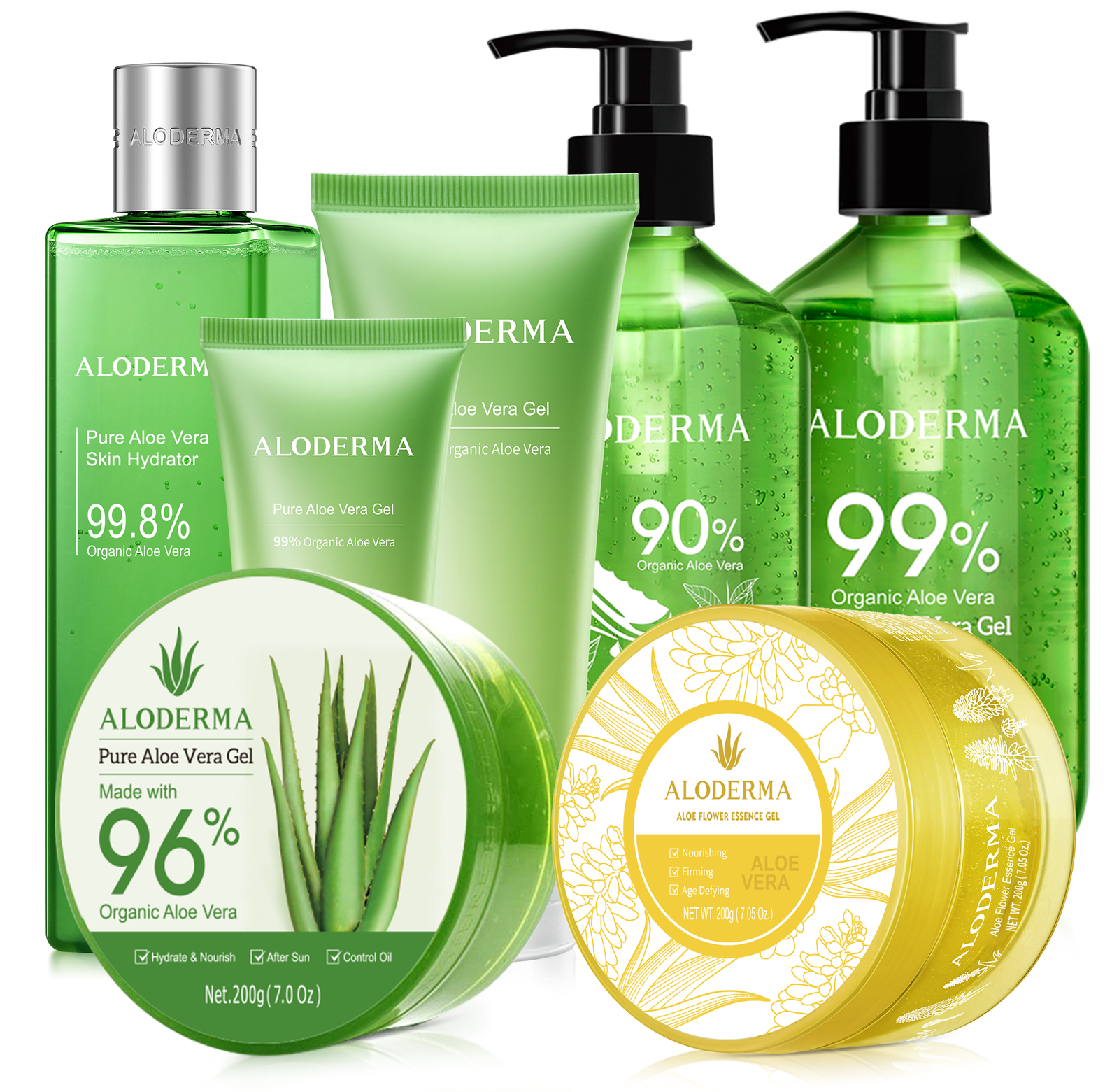
ALODERMA is a fully vertically integrated aloe vera company. It grows its own organic aloe vera, processes the aloe on-site, and manufactures within 12 hours of harvest so the primary ingredient in every product remains as bioactive as possible. For someone with combination skin, that matters because the skin often rejects formulas that feel stale, overly waxy, or overloaded with filler ingredients.
Why fresh aloe works for this skin type
Fresh aloe is unusually versatile. It can feel cooling and water-light on the T-zone, but still give dry cheeks the comfortable hydration they need. That makes it especially useful when your skin changes with weather, hormones, or stress and you don't want a routine built around harsh extremes.
The benefit isn't just that aloe is natural. It's that fresh aloe can support the exact middle ground combination skin often needs:
- Light hydration without a greasy finish
- A comfortable feel on dry areas
- A cleaner layering experience under other skincare
- A softer approach for skin that swings between oily and dry
If you want broader context on the aloe plant itself, The Cactus Outlet's ultimate aloe guide is a helpful background read.
What this means in daily use
In practical terms, fresh aloe-based skincare usually feels easier to wear morning and night. It doesn't force the skin into a stripped matte finish, and it doesn't leave a heavy residue that lingers on the forehead and nose. That middle-ground feel is exactly why aloe-based gels, toners, sheet masks, and light creams can fit combination skin so well.
This kind of routine also suits ingredient-conscious shoppers who want organic, vegan, cruelty-free skincare with a shorter jump from field to finished formula. When the aloe is the heart of the formula rather than a label decoration, the product tends to make more sense on the skin.
Your Combination Skin Questions Answered
Can I use face oil if I have combination skin
Yes, but use it carefully. Face oil is usually better as a selective step than an all-over one. If your cheeks get dry, press a small amount there at night and keep it away from the oilier center of the face unless your skin is very dehydrated overall.
How do I handle breakouts without drying out everything else
Treat the areas that break out most often instead of using strong products over the whole face. A targeted salicylic acid product on the T-zone is usually more practical than an aggressive acne routine from hairline to jawline. Keep the cheeks in a more hydrating routine even when the center of the face needs extra oil control.
Do I need two moisturizers
Not always. Many people do well with one lightweight moisturizer and a different application amount depending on the area. If your cheeks need much more support than your forehead, then using two textures can make sense.
How long should I give a new routine before judging it
Give a simple routine enough time to become consistent unless a product is obviously too harsh or uncomfortable right away. Combination skin often improves when you stop changing products every few days. Stable, repeatable care usually tells you more than quick experimentation.
Is matte skincare always better for combination skin
No. Matte products can be useful on the T-zone, but if every step is designed to remove oil, the cheeks often end up dry and the skin may feel more unbalanced overall. Look for balance, not maximum oil control.
What's the biggest mistake people make with combination skin
Treating the whole face like one skin type. The most common fix isn't buying more products. It's using the right products in the right places.
If your skin feels oily and dry at the same time, a fresh aloe-centered routine can be a more comfortable place to start. Explore ALODERMA for lightweight, organic aloe vera skincare made from aloe grown on the company’s own farms and processed within 12 hours of harvest, so your daily routine feels simple, balanced, and easy to stick with.