



Your hair feels dry, rough, maybe even a little crunchy. You deep condition. You add a leave-in. You try a mask that promises repair. And somehow your hair feels worse, not better.
That’s the moment a lot of people start blaming their hair type, the weather, or themselves. But often the problem is simpler. Your hair may not be asking for more strength. It may be asking for less protein and more moisture.
A good protein free deep conditioner can make that shift feel obvious. Hair that used to snap starts to bend. Detangling gets easier. Wash day stops feeling like damage control and starts feeling like care.
Is Your Hair Crying Out for Moisture Not Protein
You wash your hair, smooth on a mask that promises repair, and expect that soft, slippery feeling. Instead, your strands feel stiff in the shower and rough once they dry. Your scalp may even feel touchy after a routine that was supposed to help.
That pattern often points to a simple mismatch. Your hair may be asking for moisture, and your scalp may be asking for gentleness.
Protein has a real job in hair care, but more is not always better. Some strands, especially textured, color-treated, or already dry strands, start to feel hard and less flexible when protein-heavy products keep showing up in wash day after wash day. A sensitive scalp can react too, not because protein is harmful on its own, but because a routine focused on constant strengthening can crowd out the soothing, water-loving ingredients that make hair feel comfortable and manageable.
Hair fiber needs water to stay pliable. Without enough moisture support, hair can start to feel straw-like, tangle more easily, and lose that soft bounce people usually want from a deep conditioner.
That is why a protein free deep conditioner can feel like a relief.
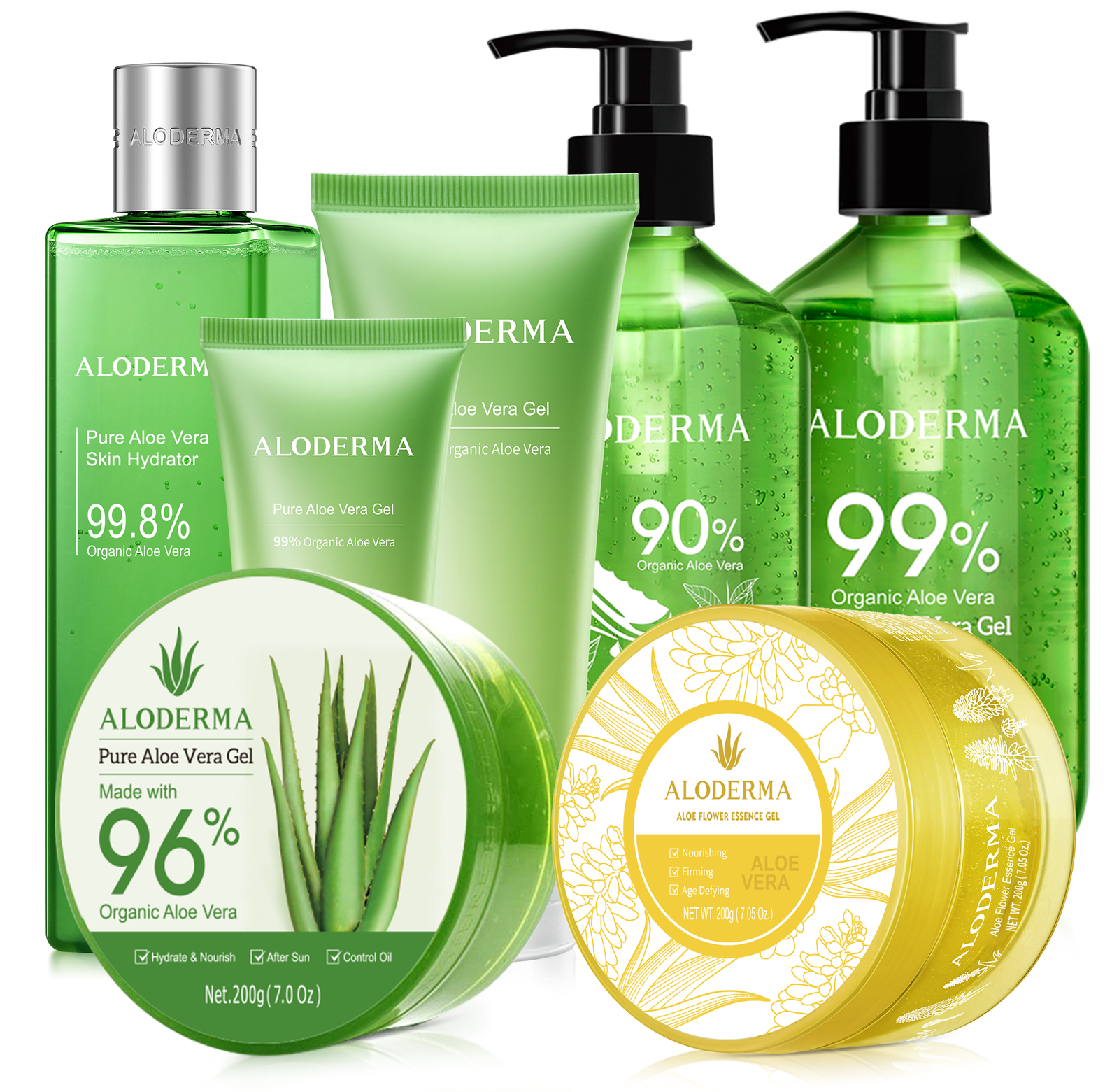
It gives dry hair a chance to soften instead of stiffen. It also gives people with reactive or easily irritated scalps a clearer starting point. Fewer hard-to-read “repair” blends, more simple conditioning ingredients, and more room for calm, cushiony moisture. This is one reason aloe-based care makes so much sense. Aloe helps flood the formula with lightweight hydration, and ALODERMA’s farm-fresh aloe vera fits that goal beautifully because it is known for feeling gentle, fresh, and soothing rather than heavy or harsh.
If you have ever wondered why aloe shows up so often in moisture-focused products, ALODERMA’s guide to whether aloe vera is a moisturizer gives a helpful foundation.
A useful way to read your hair is to watch how it behaves after conditioning. Hair that feels softer, bends more easily, and detangles with less friction often needed moisture all along. Hair that keeps feeling rigid after “repair” products usually needs a routine reset, not more intensity.
This is also where becoming an ingredient detective helps. Labels that sound gentle can still hide proteins, and that hidden buildup can confuse the picture. Learning to spot those ingredients helps you choose products with true, uncomplicated moisture, which is exactly the kind of transparency many people want from a brand built around clean, aloe-first care.
The Great Hair Debate Protein Versus Moisture
Protein and moisture do different jobs on the hair strand. Protein adds support. Moisture adds softness, slip, and flexibility. Healthy hair usually needs some of both, but the ratio matters a lot, especially if your scalp is sensitive or your hair gets stiff easily.
Problems start when a routine keeps pushing “repair” even though the hair is asking for comfort. That mismatch is common with curls, coils, waves, color-treated hair, and hair that reacts badly to protein-rich masks. It can also show up on the scalp. A formula packed with film-forming ingredients may leave strands rigid and leave the scalp feeling coated or unsettled, which is one reason many people prefer simpler, aloe-based moisture care.

What protein overload can feel like
Hair with too much added protein often loses that easy, springy feel. The strand may feel rough between your fingers, resist detangling, and break during gentle handling. People usually describe it as hard, straw-like, or weirdly dry right after using products that were supposed to help.
That happens because protein is meant to reinforce the outside of the hair. For some hair types, repeated layers can start acting like a stiff coat on the strand instead of a helpful patch. If your scalp is also reactive, heavily “repair-focused” formulas can make wash day harder to read because you are dealing with both hair stiffness and scalp discomfort at once.
What too much moisture can feel like
Hair can also swing too far in the other direction. It may feel overly soft, floppy, or weak during detangling. Wet strands might stretch and keep stretching, almost like a sweater cuff that has lost its bounce.
That does not mean moisture is bad. It means balance has shifted. The goal is hair that bends, springs back, and feels smooth without turning either rigid or mushy.
Hair Balance Check
| Symptom | Signs your routine may be too protein-heavy | Signs your routine may need more support |
|---|---|---|
| Texture | Feels rough, hard, or straw-like | Feels overly soft, limp, or weak |
| Elasticity | Gives very little before breaking | Stretches a lot and struggles to bounce back |
| Detangling | Snags because strands feel stiff | Snags because strands feel overly elastic and fragile |
| Styling | Looks dull, rigid, or puffy without softness | Struggles to hold shape or definition |
| Wash day clue | Conditioner seems to sit there without softening much | Hair feels conditioned but still lacks resilience |
A practical way to read your hair
Start with touch. After rinsing out your conditioner, does your hair feel smoother and more flexible, or does it still feel coated and resistant?
Next, watch what happens during detangling. Stiff strands that catch on each other often point to a moisture gap. Strands that feel almost gummy when wet suggest the routine may need more structure.
Then check your ingredient pattern, not just one product. Shampoo, mask, leave-in, curl cream, and styler can all contribute small amounts of protein. That is why becoming an ingredient detective matters. Hidden proteins can keep the cycle going, while a moisture-first formula gives you a clearer read on what your hair and scalp need.
A protein free deep conditioner makes the most sense when your goal is softness, slip, and scalp comfort. That is where ALODERMA's farm-fresh aloe vera fits beautifully. Aloe helps deliver light, cushiony hydration without making the formula feel harsh or overloaded, which can be a relief for hair that is tired of constant “strengthening” and for scalps that do better with gentle, transparent care.
Who Truly Needs a Protein Free Deep Conditioner
Some people try one protein free deep conditioner and immediately think, “Where has this been all my life?” That reaction usually comes from finally matching the product to the hair’s actual needs.
The clearest fit is protein-sensitive hair. This often includes people whose strands feel stiff with protein-rich masks, especially those with low-porosity curls and coils. But that’s not the whole story. A lot of readers also need gentler formulas because their scalp gets uncomfortable easily, or because heavy, complicated products leave residue near the roots.

The low-porosity clue
Low-porosity hair often resists product absorption. When protein-rich ingredients sit on the surface instead of cooperating with the strand, hair can start feeling coated and inflexible. That’s why many people with low-porosity patterns do better with moisture-forward formulas built around humectants and emollients.
A useful sign is what happens after wash day. If your hair looks nice for a few hours but quickly turns hard, tangly, or brittle, your routine may be giving structure when your hair wants softness.
The scalp comfort clue
This is the angle many articles skip. Hair care doesn’t only affect strands. It sits on your scalp too.
People with sensitive skin, delicate scalps, or medicated scalp routines often do better when they keep formulas simple and gentle. Protein-free products can be helpful here because they let you focus on moisture without layering on extra film-forming ingredients your scalp may not love. The underserved gap around scalp compatibility is one reason this category matters.
A simple profile check
You may be a good candidate for a protein free deep conditioner if any of these sound familiar:
- Your hair gets crunchy after masks: especially products marketed as repair, strengthening, or reconstruction.
- Your strands snap instead of stretch: even when you’ve been conditioning often.
- Your roots feel fine but your mid-lengths feel rough: buildup and imbalance often show up unevenly.
- Your scalp prefers simpler routines: fewer active add-ons can feel easier to manage.
- You’re tired of guessing: moisture-first routines are often easier to troubleshoot.
For protein-sensitive scalps, guidance from NaturAll recommends using a protein-free deep conditioner every two weeks, while saving intensive protein treatments for only every 8 weeks, according to their article on protein sensitivity in natural hair.
If your hair gets harder the more you “treat” it, your routine may be too corrective and not comforting enough.
A protein free deep conditioner isn’t only for one curl type. It’s for anyone whose hair and scalp respond better to clean, direct moisture than to constant strengthening language on the label.
The Ultimate Ingredient Checklist for Pure Moisture
You’re standing in the hair care aisle, holding a jar that says “repair” on the front and “silky moisture” on the back. Your scalp is picky, your ends feel dry, and you do not want to bring home another mask that leaves your hair coated instead of comforted. This is the moment to flip the bottle over.
The ingredient list is where a protein free deep conditioner shows its real personality. For moisture, you want ingredients that help hair take in water, stay flexible, and feel soft to the touch. If your scalp tends to react to crowded formulas, a shorter and gentler list often feels better too.
Ingredients worth seeking out
A good moisture-first formula usually combines three jobs. One group draws in water, one group softens the hair’s surface, and one group improves slip so detangling feels easier.
- Aloe vera: a lightweight water-based hydrator that helps hair feel fresh, soft, and less coated. ALODERMA’s farm-fresh aloe vera fits beautifully here because it supports moisture without pushing hair into that stiff, overtreated feeling.
- Humectants such as glycerin or honey: these help attract moisture to the hair, especially helpful when strands feel dull or papery.
- Fatty alcohols and conditioning agents: ingredients like cetyl alcohol, cetearyl alcohol, and behentrimonium methosulfate help smooth the cuticle so hair feels softer and more manageable.
- Plant oils and butters: jojoba oil, sunflower oil, shea butter, or avocado oil can help hold in softness. The best choice depends on whether your hair prefers a lighter or richer finish.
- Soothing scalp-friendly extras: panthenol, oat, or calendula can be helpful in formulas made for hair that needs gentleness from root to end.
Hair hydration works a lot like keeping a sponge soft. Water matters first. Then you need ingredients that help the sponge stay supple instead of drying into a hard shape. That is why aloe-based moisture can feel so different from a heavy “repair” mask.
Ingredients that deserve a closer look
Some labels say moisture, but the formula tells a more mixed story. If your hair is protein-sensitive or your scalp gets irritated easily, slow down and inspect these areas:
- Protein words hidden in long names: keratin, collagen, silk amino acids, wheat protein, rice protein, soy protein, oat protein, quinoa protein, and anything listed as hydrolyzed protein.
- Too many treatment claims in one jar: if a mask promises strengthening, rebuilding, volumizing, thickening, and smoothing all at once, it may not be focused on pure moisture.
- Heavy residue formers: some waxy or very rich formulas can leave the scalp feeling smothered and the hair limp.
- Drying alcohols high on the list: alcohol denat. or isopropyl alcohol near the top can be a problem for already fragile hair.
Here, being an ingredient detective is helpful. You do not need to memorize every cosmetic term. You just need to notice patterns. If the first several ingredients support water, slip, and softness, you are usually looking at a formula built for comfort rather than correction.
Use context, not fear
An ingredient is not automatically “bad” because it fails someone else’s hair test. Hair care works more like cooking than math. The same oil, humectant, or conditioner can feel wonderful in one formula and too heavy in another, depending on the full recipe.
That same logic applies in nearby categories. People comparing products for added hair often look at slip, residue, and softness for the same reasons. This guide to best products for hair extensions shows how product feel and buildup can affect performance, even when the hair is not attached to a sensitive scalp.
Your moisture-first shopping list
Use this quick scan before a product goes into your cart:
- Read past the marketing words. “Repair,” “reconstruction,” and “fortifying” often signal a treatment that may include proteins or heavier coating ingredients.
- Check the first few ingredients. Water, aloe, softening conditioners, and gentle emollients near the top usually point to a moisture-led formula.
- Look for slip. A deep conditioner should help fingers glide through the hair instead of catching on rough spots.
- Watch how crowded the formula feels. Sensitive scalps often do better with focused, soothing ingredients than with a long list of actives fighting for attention.
- Choose the finish your hair likes. Fine hair may prefer aloe, lighter oils, and airy conditioners. Thicker or coarser hair may enjoy a little more butter or oil, as long as protein is not sneaking in.
A protein free deep conditioner should leave hair bendable, calm, and easy to touch. If the formula gives you moisture, slip, and scalp comfort in one step, you are likely in the right aisle.
Your Step-by-Step Deep Conditioning Ritual
A deep conditioning session works best when you treat it like care, not cleanup. You’re not punishing your hair for being difficult. You’re giving it the softness and slip it’s been asking for.
Step one with clean damp hair
Start after cleansing, when product buildup and residue are out of the way. Your hair doesn’t need to be dripping, but it should be damp enough for the conditioner to spread easily.
If your wash day products tend to cling, use a shampoo that gives you a clean base before your mask. This helps the deep conditioner make direct contact with the hair instead of sitting on top of old stylers.
Step two apply in sections
Work in manageable sections so every part of your hair gets coated. Use your fingers first, then a wide-tooth comb if that feels right for your texture.
Focus on areas that feel rough, tangle easily, or seem to drink up product faster. Typically, the mids and ends need the most attention.
- Use enough product for slip: if your fingers drag, add a little more.
- Coat evenly: patchy application leaves some sections soft and others still brittle.
- Be gentle while detangling: the goal is less breakage, not faster detangling.
The best deep conditioning sessions feel easier halfway through. Your hands start moving more smoothly because the hair is finally softening.
Step three add gentle warmth
A little warmth helps many masks feel more effective. You can use a warm towel, a shower cap, or a tool that gives soft indirect heat. If you’re comparing options, this guide to a hair bonnet dryer attachment can help you decide what kind of setup fits your routine.
Some visual guidance can make the ritual easier to follow:
Step four let it sit and then rinse well
Give the mask time to soften the hair. Then rinse thoroughly so you keep the conditioning benefits without leaving behind a heavy film.
A good rinse should leave your hair feeling smooth, bendable, and easy to separate. If it still feels waxy or coated, either the formula is too heavy or your hair needed a cleaner base beforehand.
A small ritual that changes wash day
Try building a consistent pattern around your deep conditioner:
- After clarifying: use a rich moisture mask to restore softness.
- When hair feels stiff: reach for protein-free care instead of another repair treatment.
- On stressful weeks: let the routine be the calmest part of your day.
Wash day doesn’t need to end with frustration. When the right mask hits the right problem, your hair tells you quickly.
How to Spot Hidden Proteins on an Ingredient Label
A bottle can say “protein-free” on the front and still leave ingredient-conscious shoppers confused. That’s because hidden proteins don’t always show up under the simple word “protein.”
A major gap in consumer education is that many guides don’t explain how ingredients like amino acids, rice milk, or certain botanical extracts can function as proteins, even when the product is marketed as protein-free, as noted in this discussion of hidden proteins in hair products.
The words that should make you pause
You don’t need to memorize cosmetic chemistry. You do need to recognize common signal words.
Look closely for terms such as:
- Hydrolyzed followed by wheat, soy, silk, keratin, oat, quinoa, or rice
- Amino acids
- Collagen
- Keratin
- Peptides
- Rice milk or similar protein-related botanical additions
These ingredients may not be bad for everyone. They’re just not what protein-sensitive users are trying to avoid.
Marketing can be softer than the label
Front-of-pack language often focuses on how a product feels, not how it’s built. Words like smoothing, strengthening, or repairing are clues, but they aren’t proof. The opposite is also true. A bottle might avoid strong repair language and still include hidden protein sources lower down the list.
That’s why ingredient literacy matters more than branding.
Label check: If you see “hydrolyzed” or “amino acids,” stop and decide whether that matches your current hair goals.
If you want to understand one of the most common examples, this ingredient guide on hydrolyzed wheat protein helps explain what it is and why it appears in so many hair formulas.
A quick detective method
Use this simple scan every time you shop:
| What to scan for | Why it matters |
|---|---|
| Product claims like repair or fortify | Often suggests a structure-focused formula |
| The word hydrolyzed | Usually signals a protein derivative |
| Amino acids and peptides | These can behave like hidden protein additions |
| Grain or milk add-ons like rice milk | Sometimes included even in “gentle” formulas |
| Long ingredient lists with many actives | Harder to tell what the formula is really prioritizing |
What to do if you already bought it
You don’t have to throw a product away immediately.
- If your hair feels fine: keep using it and monitor the result.
- If your hair turns stiff after a few uses: pause and switch back to moisture-only care.
- If you’re unsure: compare how your hair behaves after a simple, protein-free routine.
The win here isn’t perfection. It’s confidence. Once you know how to spot hidden proteins, you stop buying by hope and start buying with clarity.
DIY Protein Free Hair Masks with Fresh Aloe Vera
Sometimes the easiest way to avoid hidden proteins is to make a simple mask yourself. A DIY blend won’t replace every store-bought conditioner, but it can be a great reset when your hair feels overloaded and you want full control over every ingredient.

Aloe and honey softening mask
Mix aloe gel with a small amount of honey until you get a slippery, spreadable texture. Apply it to damp hair, concentrating on the driest areas, then cover with a cap before rinsing out.
This works well when your hair feels rough but not heavily tangled. Aloe gives the blend a light, fresh feel, while honey adds moisture attraction.
Aloe and conditioner booster
Take a simple conditioner that already works for your hair and blend in some fresh aloe gel. This can make a standard mask feel lighter and more hydrating without changing your whole routine.
Keep DIY focused and gentle
A lot of homemade hair recipes become too complicated. Then they stop being useful. Keep yours simple.
- Choose moisture ingredients only: aloe, honey, and a basic conditioner are easier to troubleshoot.
- Skip random pantry add-ins: more ingredients means more chances for residue or irritation.
- Test on a small section first: especially if your scalp is easily bothered.
If you’re also exploring aroma-based add-ons for your routine, this overview of how essential oils can promote hair regrowth and scalp health is a good companion read. Just keep your protein-free mask simple first, then decide whether you want extras.
Homemade treatments work best when they solve one problem well. For protein-sensitive hair, that problem is usually dryness and stiffness.
DIY care can be reassuring because there’s no guessing. You know exactly what’s touching your hair, and sometimes that simplicity is what brings softness back fastest.
Embrace the Balance for Truly Healthy Hair
Hair usually gets easier to manage when you stop forcing a routine that doesn’t fit. If your strands feel hard, dry, or brittle after “repair” products, a protein free deep conditioner may be the reset your hair has been waiting for.
The key idea is balance, not extremes. Hair needs structure and moisture, but not always in equal amounts and not all at once. Protein-sensitive hair often does best when moisture takes the lead for a while.
That’s especially true if your scalp prefers gentler formulas or if you’re tired of chasing labels that promise everything. Reading ingredients, watching how your hair responds, and choosing simpler moisture-first products can save you a lot of frustration.
Soft hair isn’t just about shine. It’s about flexibility, easier detangling, and wash days that don’t leave you discouraged. Once you learn your signs, you can build a routine that feels supportive instead of confusing.
If you want to build that kind of gentle, moisture-first routine, explore ALODERMA. ALODERMA is a fully vertically integrated aloe vera company that grows its own organic aloe vera and processes and manufactures onsite within 12 hours of harvest, so the primary ingredient in every product is as fresh, bioactive, and effective as possible. For readers who want clean, transparent hydration with at least 95% naturally derived ingredients, their aloe-based collection is a smart place to start.